
-
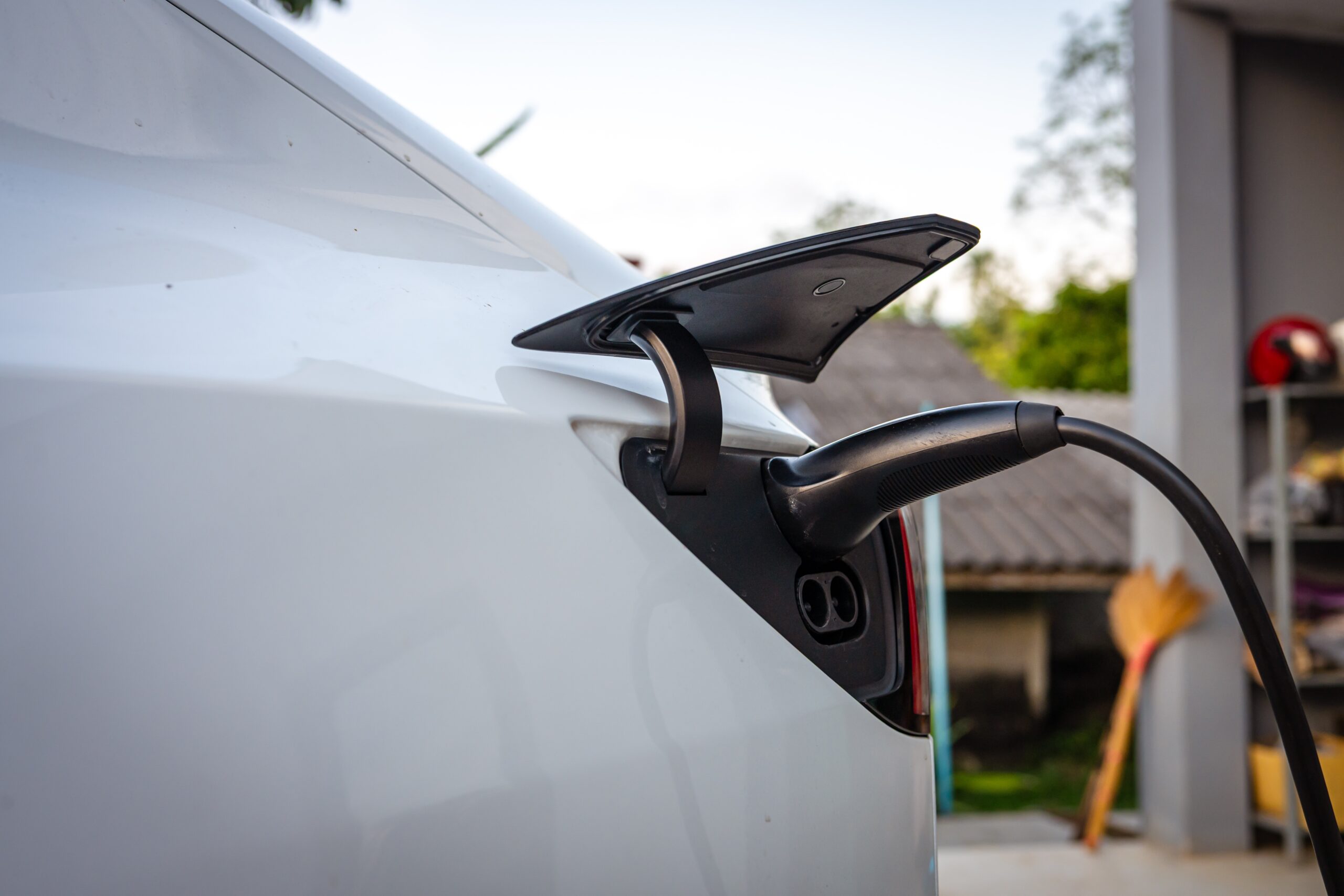
Registrations of electric cars continued to rise sharply in April
The trend toward electric vehicles in Germany continued in April. The number of newly registered electric cars rose by 41.3 percent compared to the same month last year, reaching over 64,000, as announced by the Federal Motor Transport Authority (KBA) in Flensburg on Thursday. Their market share thus stands significantly ahead of that of gasoline-powered…
-
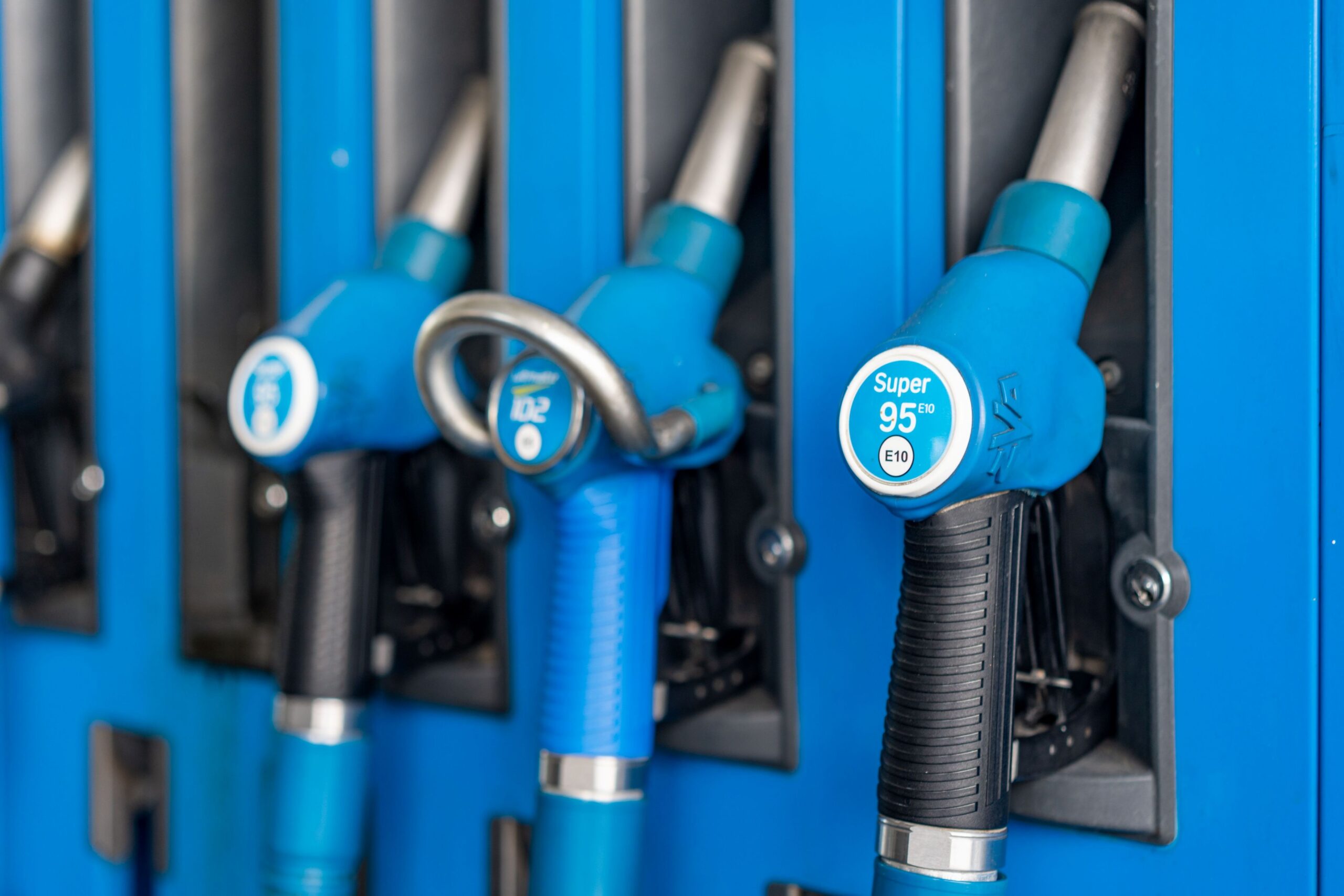
Oil Companies Fail to Fully Pass On Fuel Discount—Motorists Continue to Pay Too Much
Since May 1, 2026, a fuel discount of 16.7 cents per liter of gasoline and diesel has been in effect in Germany; however, according to the ADAC, oil companies have so far failed to pass on this relief in full. The measure stems from a government reduction in energy taxes intended to cushion the impact…
-

Germany drops to 14th place in press freedom ranking
Germany drops three places to 14th rank in Reporters Without Borders’ Press Freedom Index. The organization continues to rate the situation as “satisfactory”; however, hatred, defamation, and politically charged debates are making the work of many journalists more difficult. Reporting on right-wing extremist circles and coverage of the Gaza War remain particularly risky. At the…
-
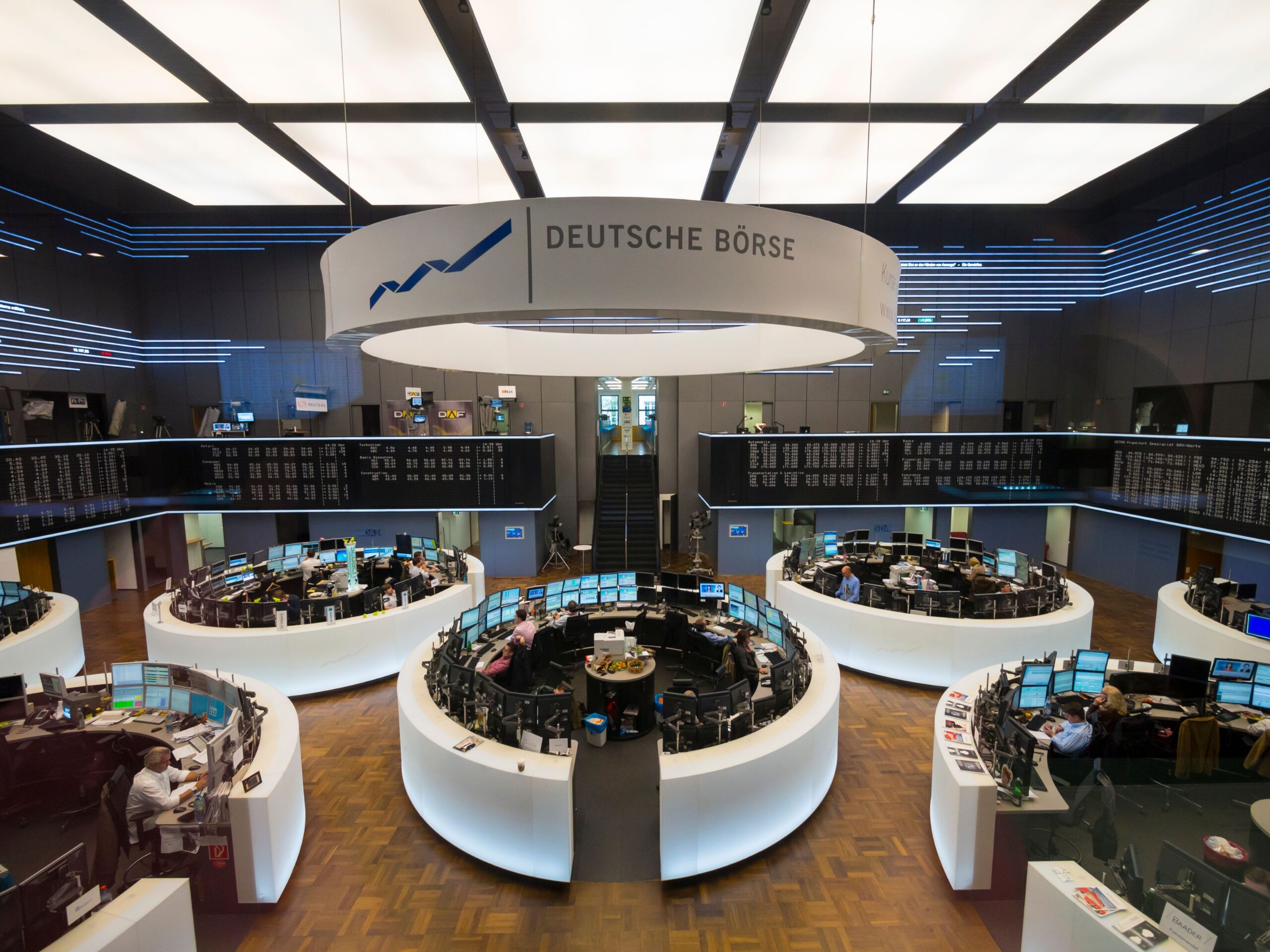
DAX Companies Move Abroad – Germany’s Industry Loses Its Foundation
Since 2022, the German economy has been stagnating, while DAX-listed corporations have made significant gains on the stock market. Per capita GDP has fallen by around two percent, and sentiment among both businesses and consumers remains poor. The root cause is a severe structural crisis that demands an economic reset. Yet the “Black-Red” federal government…
-

Infrasound from Wind Turbines: University Medical Center Mainz Warns of Increased Risk of Heart Damage
An analysis by the University Medical Center Mainz, presented in April 2026 at a congress for internal medicine specialists, reveals striking increases in heart failure and severe cardiac arrhythmias in communities within the Paderborn district that are heavily impacted by wind power. The study examined the municipalities of Borchen and Lichtenau in comparison to Delbrück…
-
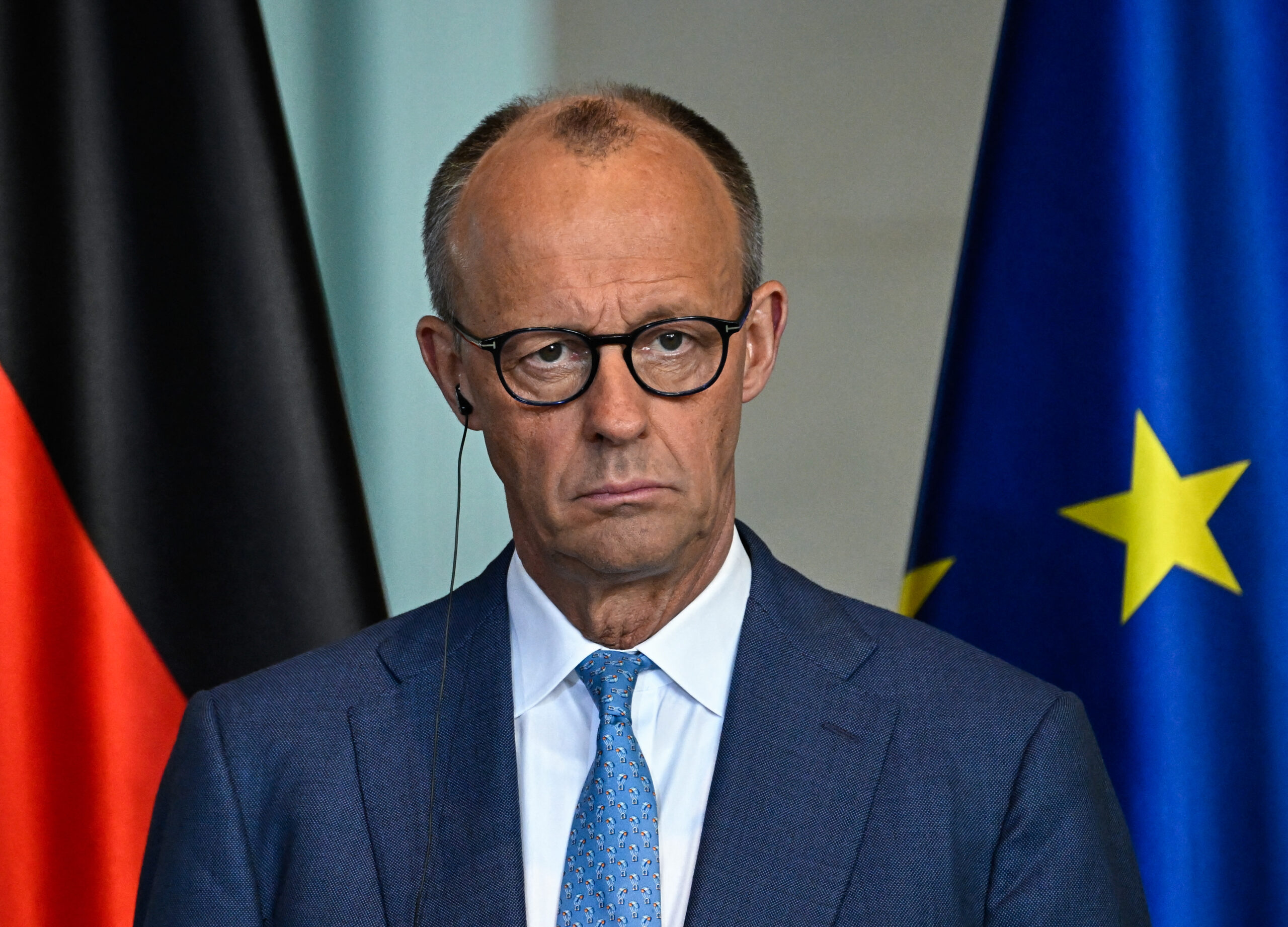
One year of Merz: Coalition leaders give a clear rejection to a minority government
A year after taking office, the leaders of the governing coalition have clearly rejected any premature end to their alliance. Chancellor Friedrich Merz (CDU) categorically ruled out both a minority government and new elections, a sentiment echoed on Wednesday by his Interior Minister Alexander Dobrindt (CSU). Meanwhile, a poll on the mood of the German…
-
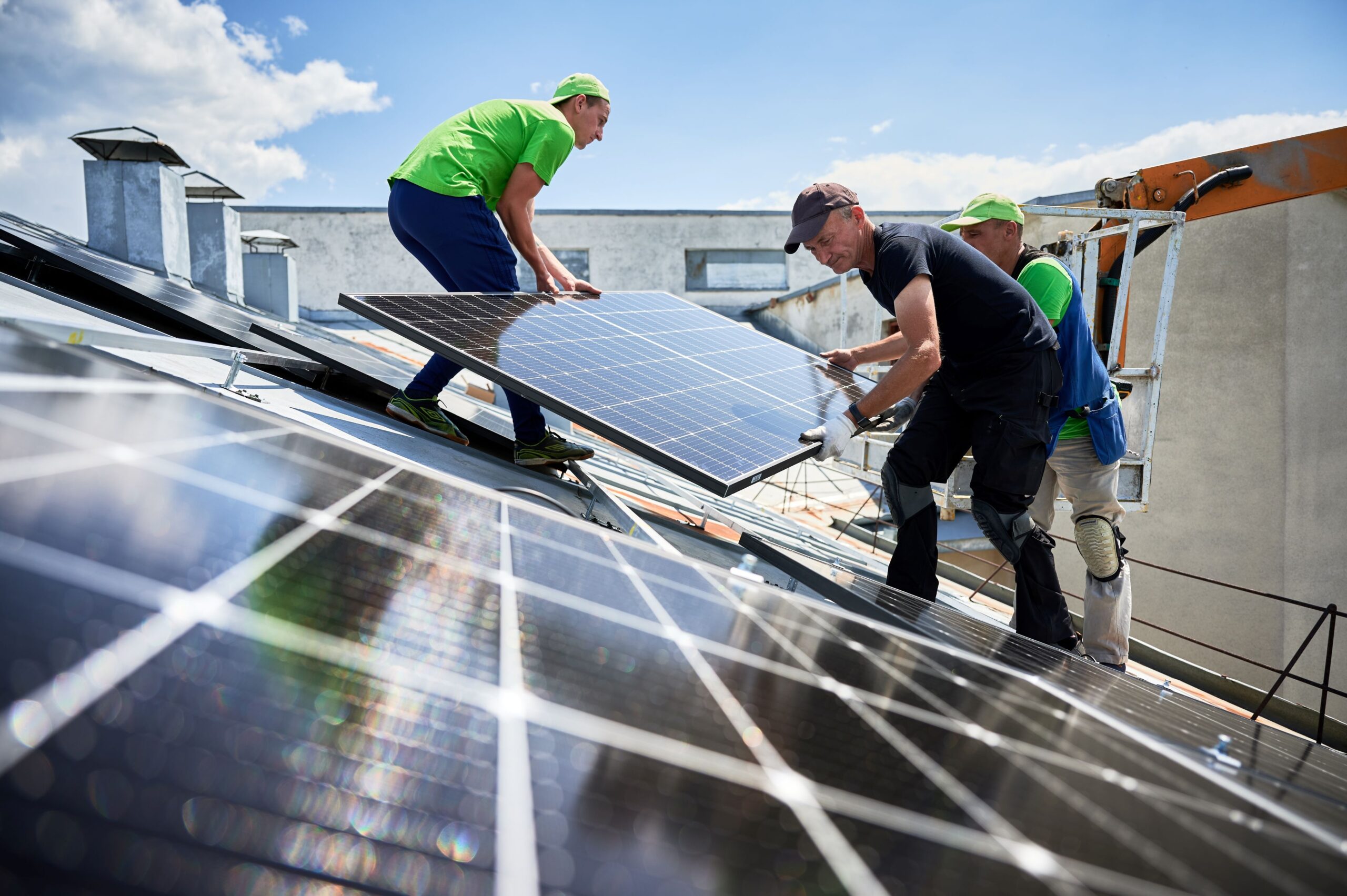
Public holiday revealed grid problems – experts called on PV operators to shut down their systems
On May 1, 2026, Germany experienced a massive surplus of solar power because millions of photovoltaic systems fed into the grid, while industry, offices, and many businesses consumed very little electricity on this public holiday. Experts therefore called on private PV operators to temporarily shut down their systems. The appeal addressed an acute grid problem…
-

Insufficient demand – Coop removes insect-based food products from its product range
The Swiss retail group Coop is largely removing insect-based food products from its product range. This decision follows years of weak sales figures since the products’ market launch in 2017. Back in 2022, competitor Migros had already withdrawn comparable products from its shelves, even though the retailer had previously offered cooking classes related to them.…
-
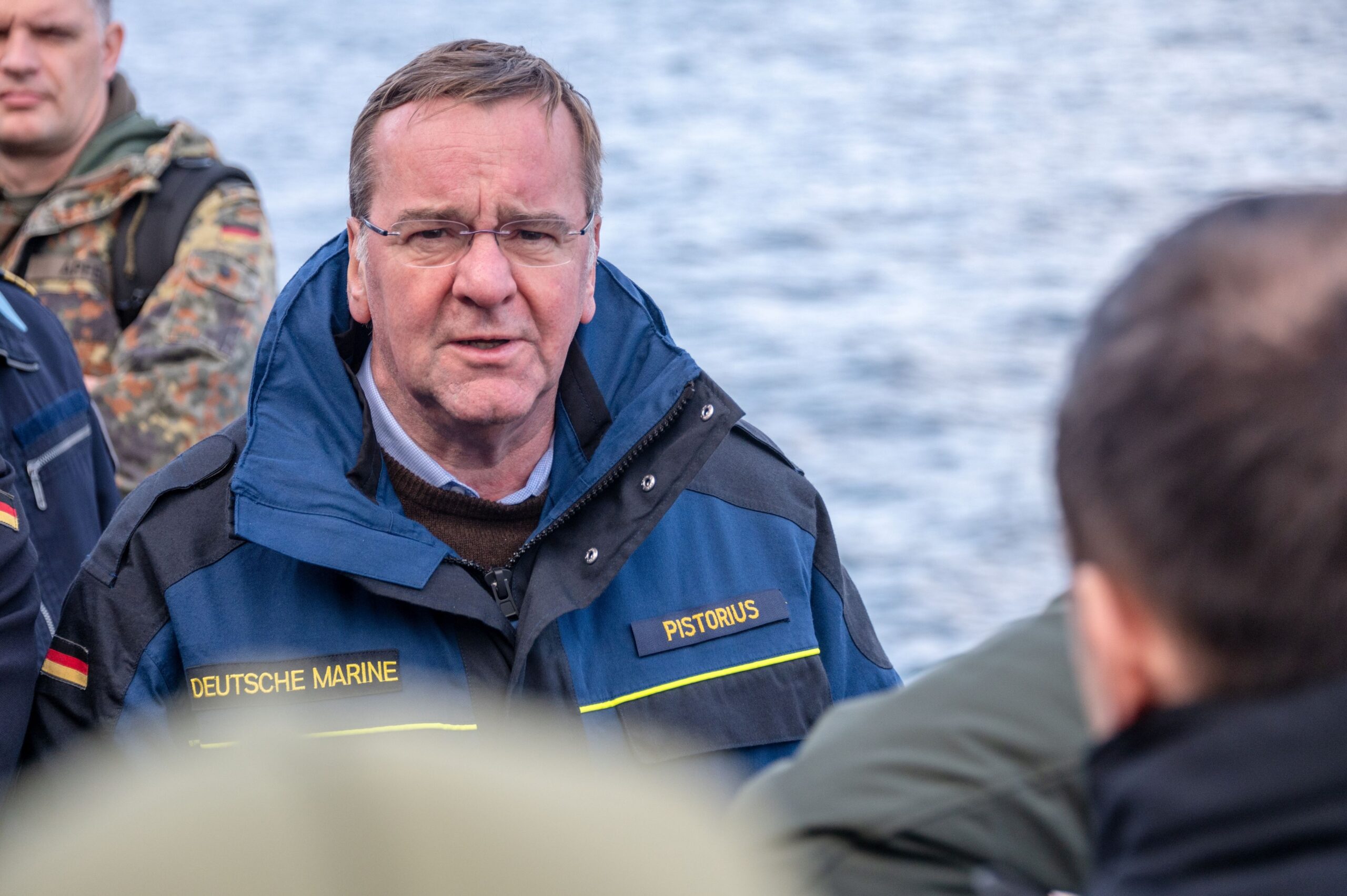
Government struggles to explain billions spent on arms: it has lost track of the situation
The German government is facing scrutiny over its billions in military spending, as it cannot reliably demonstrate how much of the contracted equipment for the Bundeswehr (German Armed Forces) has actually reached the troops and is ready for deployment. Since Olaf Scholz announced a massive rearmament on February 27, 2022, the federal government has concluded…
-
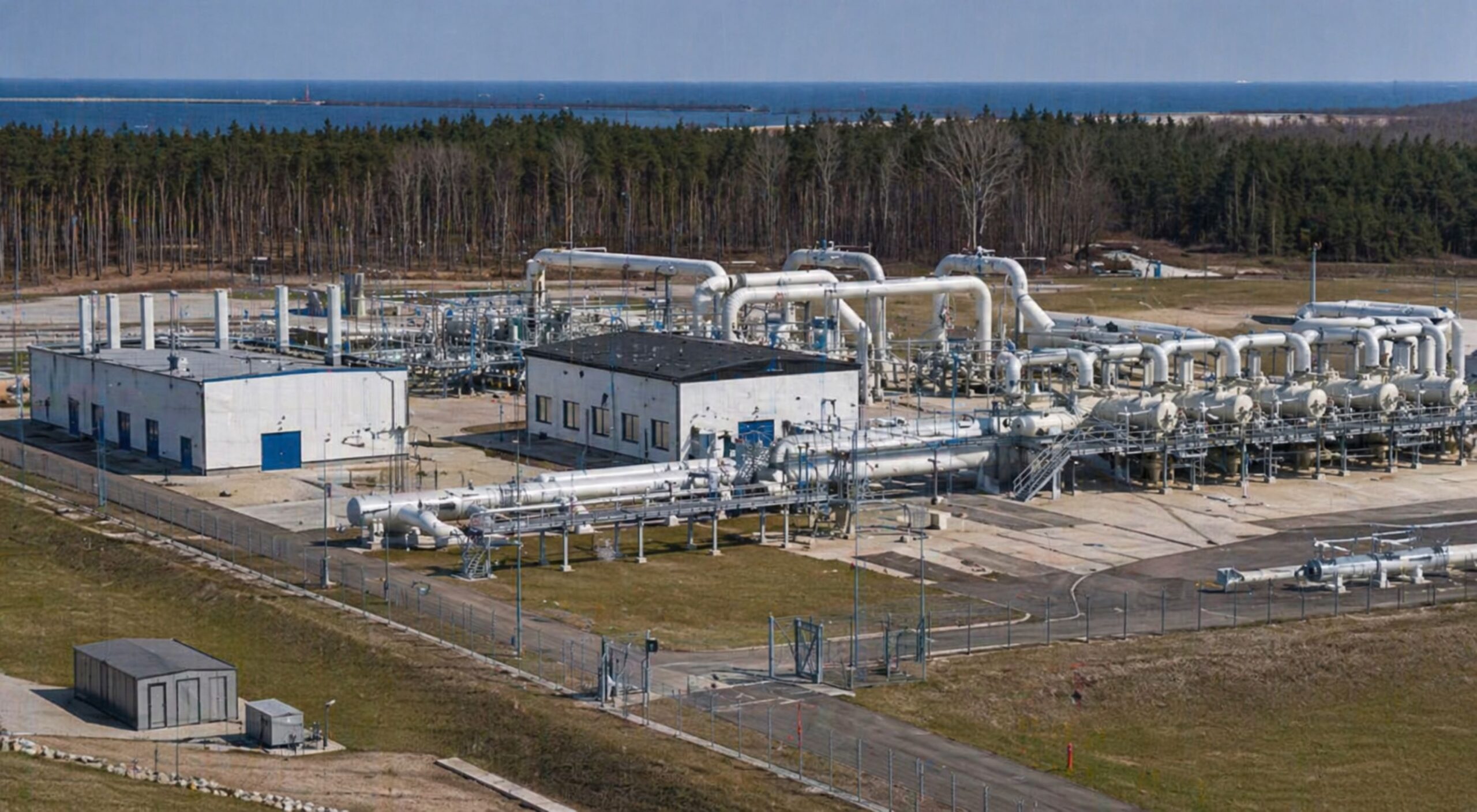
A fully functional power plant from Lubmin is to be shipped to Ukraine
In Lubmin, Mecklenburg-Western Pomerania, a fully functional power plant dating back to the Nord Stream era is slated to be shipped to Ukraine. The plant previously heated Russian pipeline gas, but this function became obsolete after gas deliveries ceased. The trigger for this move is Ukraine’s severe energy shortage following Russian attacks. At the same…
-

Money per ton of CO2 saved: Rich country continues funding program for industry
The Federal Ministry for Economic Affairs and Energy is continuing its funding program for energy-intensive industries through so-called climate protection agreements. The ministry, headed by Katherina Reiche (CDU), launched another bidding process on Tuesday, primarily targeting companies in the chemical, metals, cement, lime, glass, paper, and ceramics sectors. The funding conditions have been adjusted in…
-
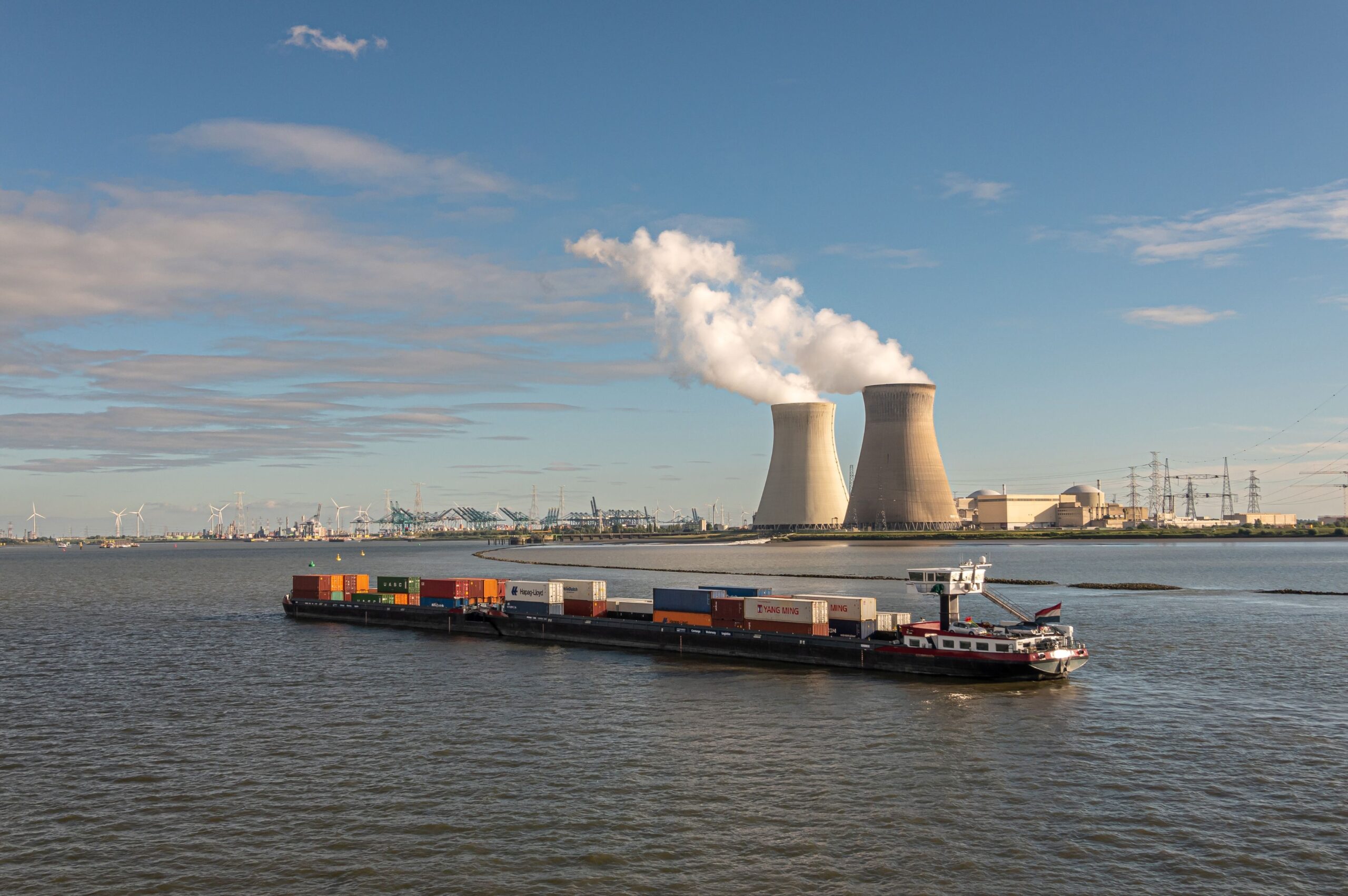
Belgium is backing away from its nuclear phase-out and halting the dismantling of its nuclear power plants
Belgium will halt the dismantling of its nuclear power plants at the end of April 2026, thus abandoning its plan for a complete nuclear phase-out. The government is simultaneously considering a state takeover of the plants, as security of supply, high electricity prices, and energy imports are becoming risks. Operators, industry, and households will all…
-

EU pays Senegal 320 million euros for buses – China wins the contract from Dakar
In Senegal, an EU-funded transport project faces a critical decision. The plan for Dakar includes 380 natural gas-powered buses, 14 routes, two depots, approximately 700 bus stops, 13 terminals, a ticketing system, and road improvements. The project is budgeted at around €320 million. However, reports indicate that the Chinese state-owned company CRRC is the frontrunner.…
-
The number of employed people is collapsing – Germany’s labor market continues to lose stability
The German labor market deteriorated further in March 2026. The number of employed persons residing in Germany fell to approximately 45.52 million, a decrease of 174,000 compared to the previous year. Seasonally adjusted, a further 25,000 jobs were lost compared to February. At the same time, unemployment rose to around 1.84 million people, an increase…
-
Aldi Süd is cutting 1,250 jobs at its headquarters – the digital division will be hit particularly hard by the restructuring
Aldi Süd plans to cut approximately 1,250 jobs at its headquarters in Mülheim an der Ruhr by the end of 2027, primarily affecting the IT and digital division Aldi DX and central administrative departments. This is a corporate restructuring following significant staff expansion in digital structures. At the same time, the discount retailer is responding…