
Belgium will halt the dismantling of its nuclear power plants at the end of April 2026, thus abandoning its plan for a complete nuclear phase-out. The government is simultaneously considering a state takeover of the plants, as security of supply, high electricity prices, and energy imports are becoming risks. Operators, industry, and households will all be affected, as available reactors are intended to prevent power shortages and limit costs. (welt: 30.04.26)
Decommissioning halt fundamentally changes Belgium’s energy policy
The government does not intend to permanently remove the reactors from the grid. Therefore, they will remain as a potential electricity reserve. At the same time, nuclear power is once again gaining a central role in Belgian energy planning.
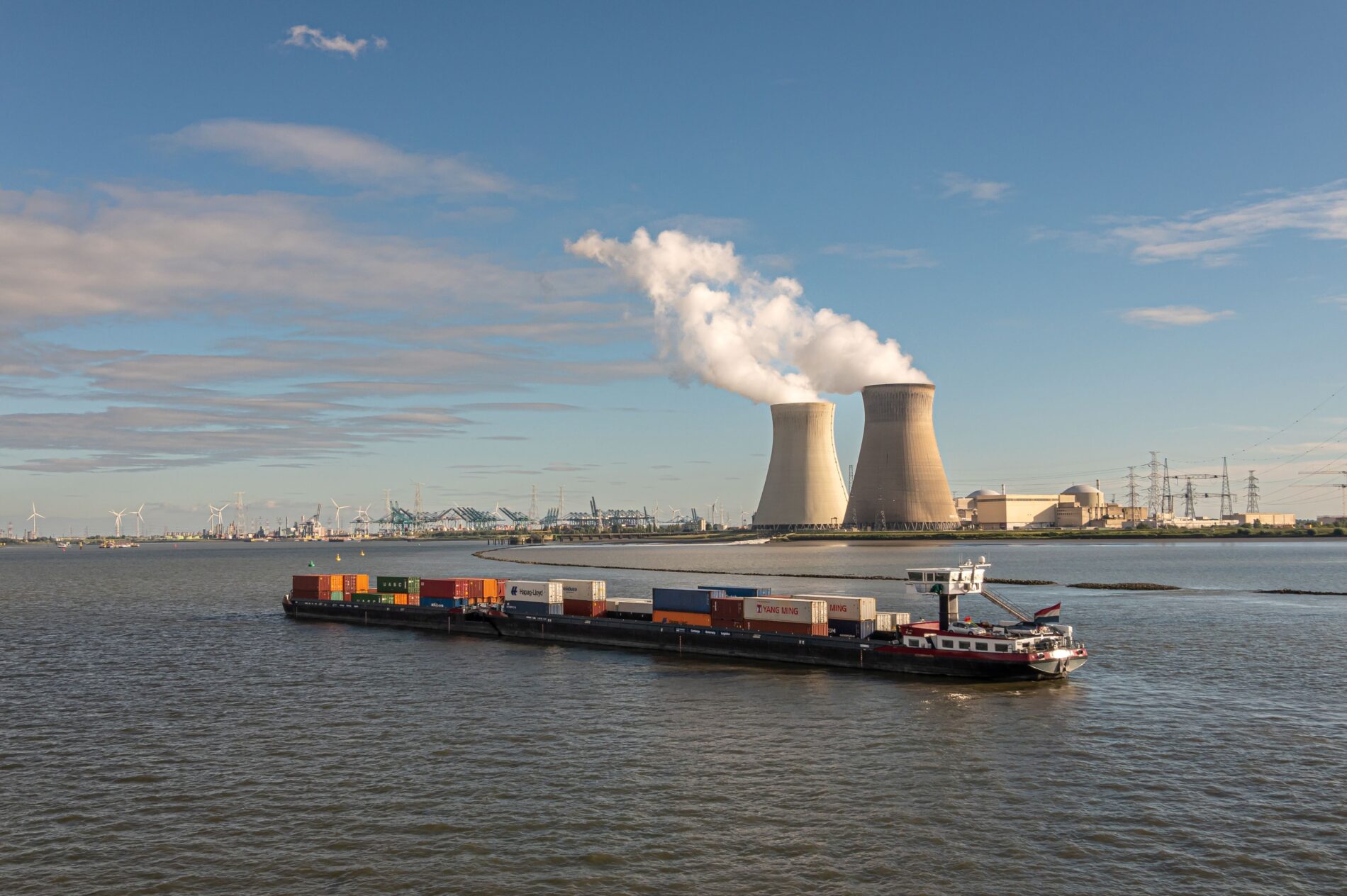
The halted dismantling prevents the plants from disappearing beyond repair. It also gives the government time for new negotiations with the operator, Engie. While Belgium secures its options, the dismantling of functioning nuclear power plants continues in Germany.
Germany sticks to dismantling nuclear power plants
Germany shut down its last three nuclear power plants on April 15, 2023. Since then, operators and authorities have been pushing ahead with decommissioning and dismantling. The Federal Office for Economic Affairs and Export Control describes shutdown and subsequent dismantling as a legally mandated process.
This creates a clear contrast. Belgium is halting dismantling to maintain reactors as a reserve. Germany, on the other hand, is further reducing its nuclear options, even though the debate about security of supply is being reignited.
State examines control over nuclear power plants
Belgium is examining whether the state should take over the nuclear power plants. However, the current operator, Engie, shows little interest in long-term risks. Therefore, the government is looking for a model with greater state control.
A takeover could incur high costs. Nevertheless, the government sees it as a safeguard against power shortages. While renewable energies are growing, they are not always sufficient for a stable base load in the short term.
Electricity supply becomes a decisive factor
The energy crisis has changed Belgium’s course. Gas remains expensive, while imports remain geopolitically uncertain. Therefore, the government is once again considering available reactors a strategic advantage.
Industry also benefits from predictable electricity generation. At the same time, households could be protected from further price spikes. The decommissioning of nuclear power plants would have permanently weakened this option.