
In Lubmin, Mecklenburg-Western Pomerania, a fully functional power plant dating back to the Nord Stream era is slated to be shipped to Ukraine. The plant previously heated Russian pipeline gas, but this function became obsolete after gas deliveries ceased. The trigger for this move is Ukraine’s severe energy shortage following Russian attacks. At the same time, Germany is losing usable infrastructure at a crucial energy hub. The risk factor, therefore, lies in the depletion of existing reserve capacity. (nordkurier: 30.04.26)
A fully functional power plant originates from the Nord Stream infrastructure
The plant was part of the technical infrastructure at the Lubmin site. It previously supported the operation of the gas pipelines and could also supply energy to the site.
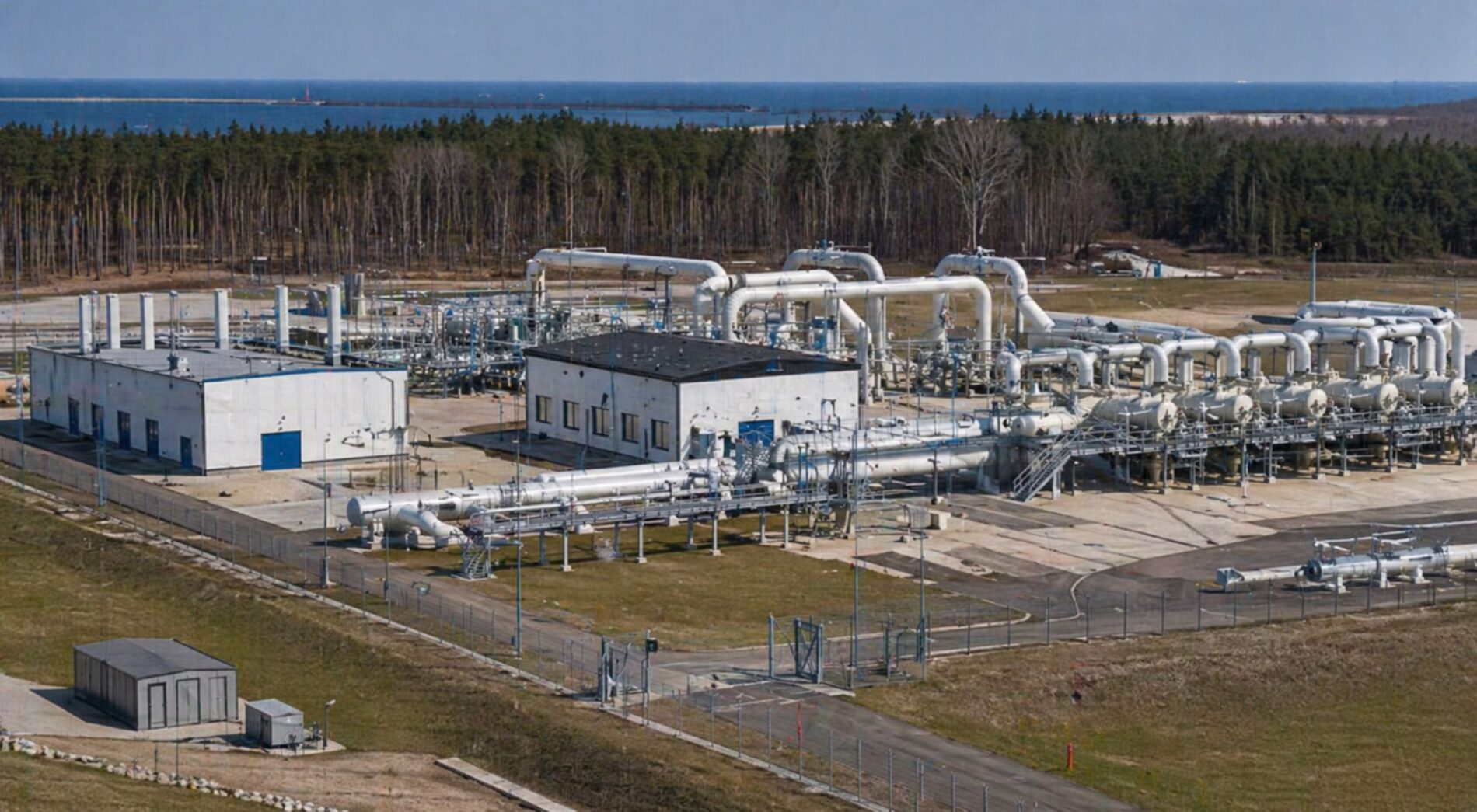
After the end of Russian gas deliveries, however, their purpose changed. Their previous use ceased entirely. Therefore, the focus is now on transferring the gas to Ukraine.
Ukraine needs energy facilities; Lubmin is losing its vital infrastructure
Due to the war, Ukraine urgently needs readily available technology. Russian attacks destroyed power plants, pipelines, and substations. Therefore, a functioning power plant there can fill critical gaps.
For Lubmin, however, the dismantling represents a loss. The site has port access, industrial land, and energy infrastructure. At the same time, this very combination is considered strategically valuable.
Dispute over energy security intensifies
Germany is seeking new dispatchable power plants to cover periods of low wind and solar output. Wind and solar power do not provide electricity at all times. Therefore, every available reserve is gaining in importance.
Critics thus see the dismantling as sending the wrong signal. A fully functional power plant is leaving Germany while new capacity still needs to be developed. Furthermore, the demands on grid stability continue to rise.
The decision remains politically sensitive
Proponents point to the situation in Ukraine. There, energy infrastructure is lacking after massive war damage. At the same time, Germany can provide assistance more quickly with technology than with lengthy new construction projects.
However, costs, timelines, and transportation issues remain unresolved. Dismantling is likely to be complex. Therefore, politicians must explain why Lubmin is losing this plant.