
-

After fuel and gas prices, electricity prices are now also exploding
Following the disruptions in fuel and gas prices, the energy crisis is now hitting the electricity market with full force. In Germany, electricity contracts for the coming May were traded at €86.80 per megawatt-hour on the EEX power exchange on March 31. In France, the comparable price at the same time was only €22.06. This
-

Diesel tankers are turning away from Europe and preferring to deliver to Asia
At least four oil tankers loaded with diesel changed course at the end of March on their way to Europe and are now heading for Asian buyers. The ships were originally intended to carry cargo for the European market. Instead, traders reacted quickly to higher prices in Asia. This is due to a shift in
-
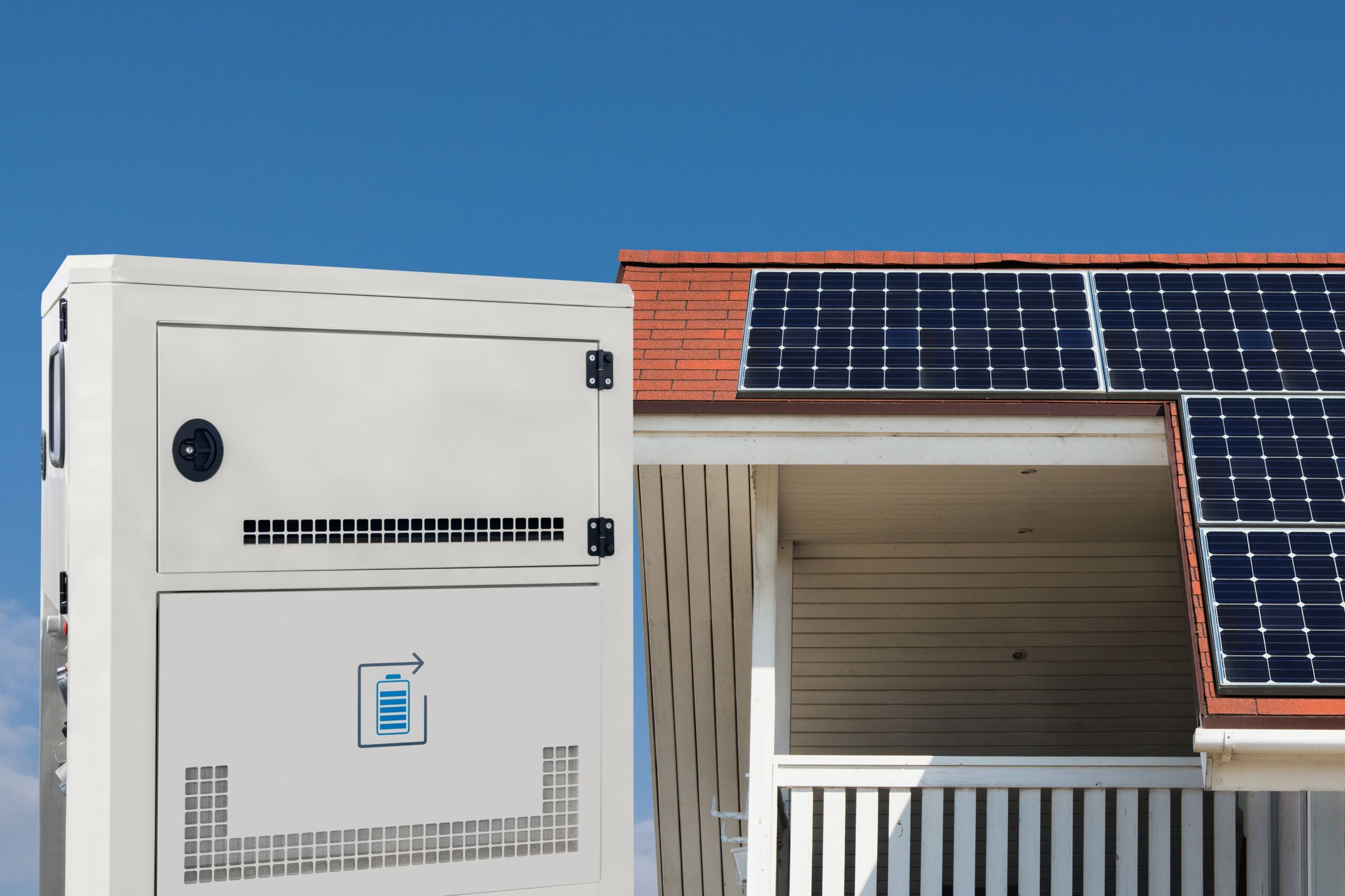
Fraunhofer study warns: Private photovoltaic storage systems are often unprofitable
Scientists at Fraunhofer Austria have developed a prototype in the “iLESS” research project that calculates the economic viability of private battery storage systems for photovoltaic installations. The core question is which storage size is cost-effective under real-world conditions. However, the evaluation of test households reveals a clear risk: many private storage systems are oversized and
-
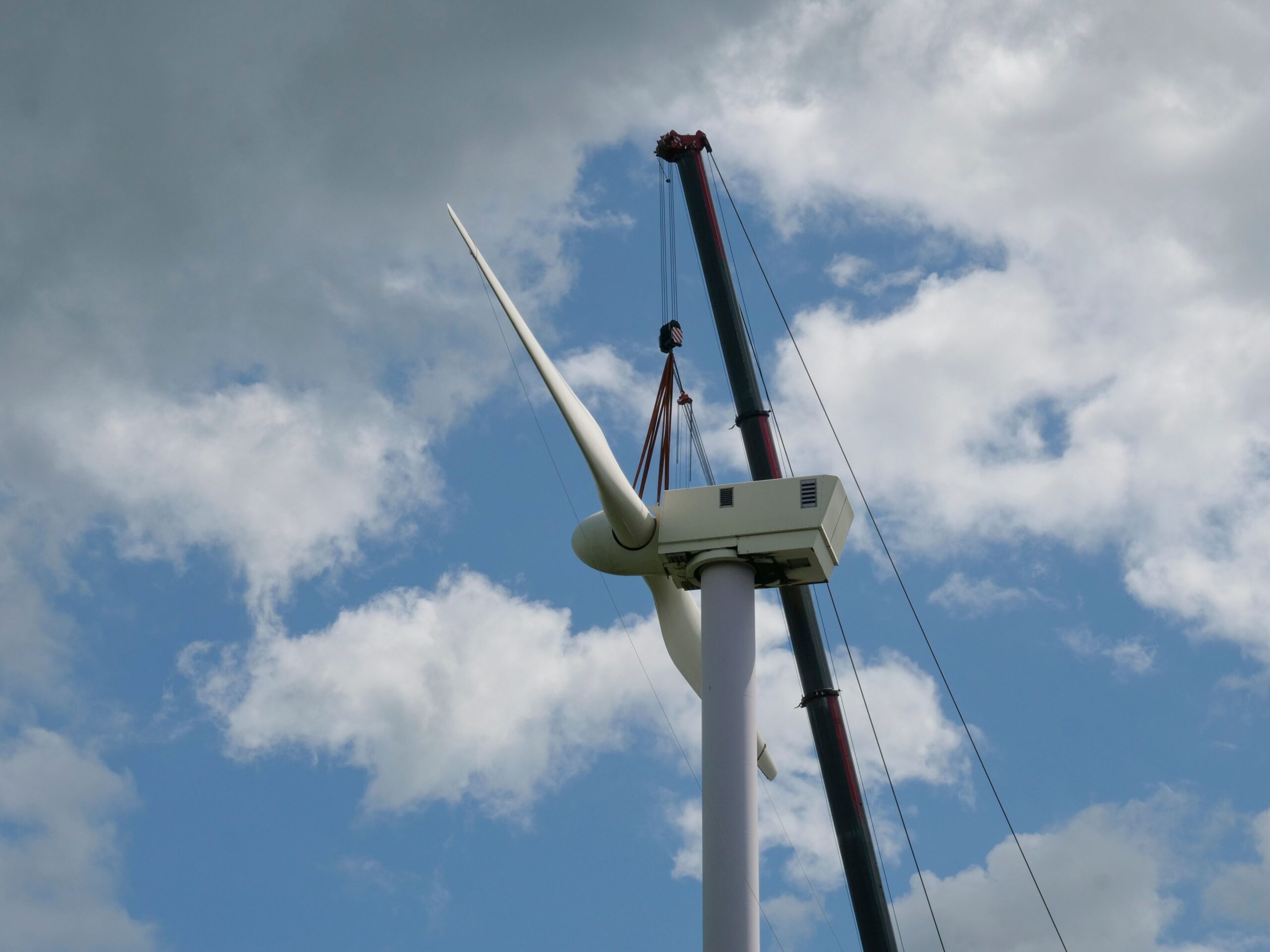
The risk of insolvency for wind farms is increasing – authorities must scrutinize permits more strictly
The risk of insolvency for new wind power projects in Germany is increasing significantly because negative electricity prices are on the rise, the planned reform of the Renewable Energy Sources Act (EEG) will reduce subsidies, grid operators will be allowed to refuse new connections, and compensation for grid-related shutdowns is slated to be eliminated. At
-

Enpal is shutting down its customer service department and laying off nearly 100 employees immediately
At its Berlin location, the energy startup Enpal dissolved its entire customer service department for photovoltaic systems during a town hall meeting on Tuesday, laying off 97 employees with immediate effect. The move stems from a restructuring of the service model, which had been in preparation for about a year and involved replacing previous responsibilities
Blackout News on Social Media
-
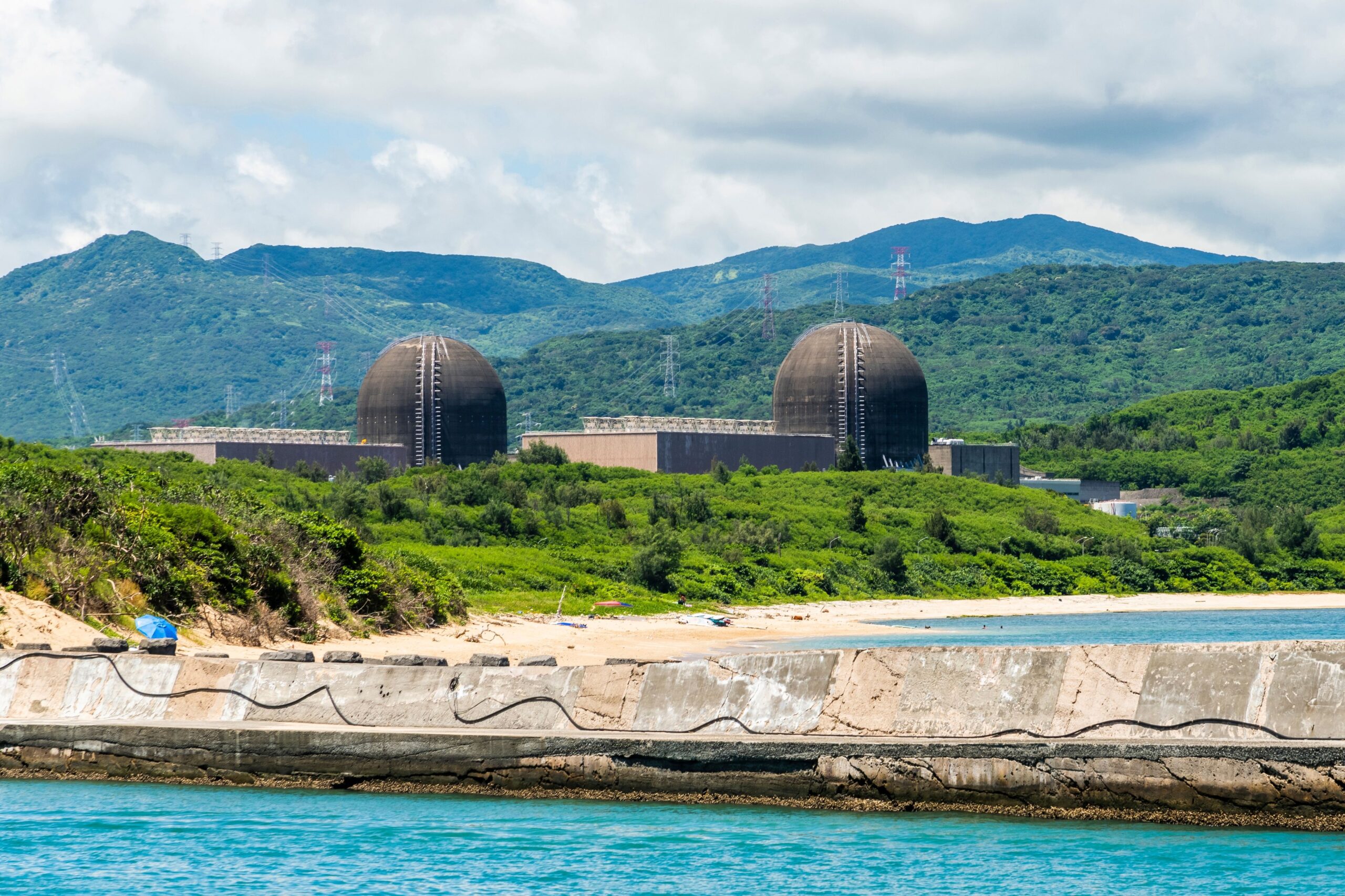
Taiwan plans to restart the shut-down Maanshan nuclear power plant
Taiwan Power Company has submitted an application to the Nuclear Safety Council for a new operating license for the Maanshan nuclear power plant. The plant’s two units were already taken offline in July 2024 and May 2025, respectively, because their 40-year operating licenses expired and Taiwan’s nuclear phase-out took effect. The impetus for this new
-
Bumpy restructuring – Varta cuts another 150 jobs
Battery manufacturer Varta is cutting 150 jobs at its Nördlingen site. The affected subsidiary is Micro Production, whose employees received the news before Christmas. Following announcements in recent weeks, the layoffs have now been issued. The reason is a significant decline in sales figures and revised customer forecasts. This has led to a drop in
-
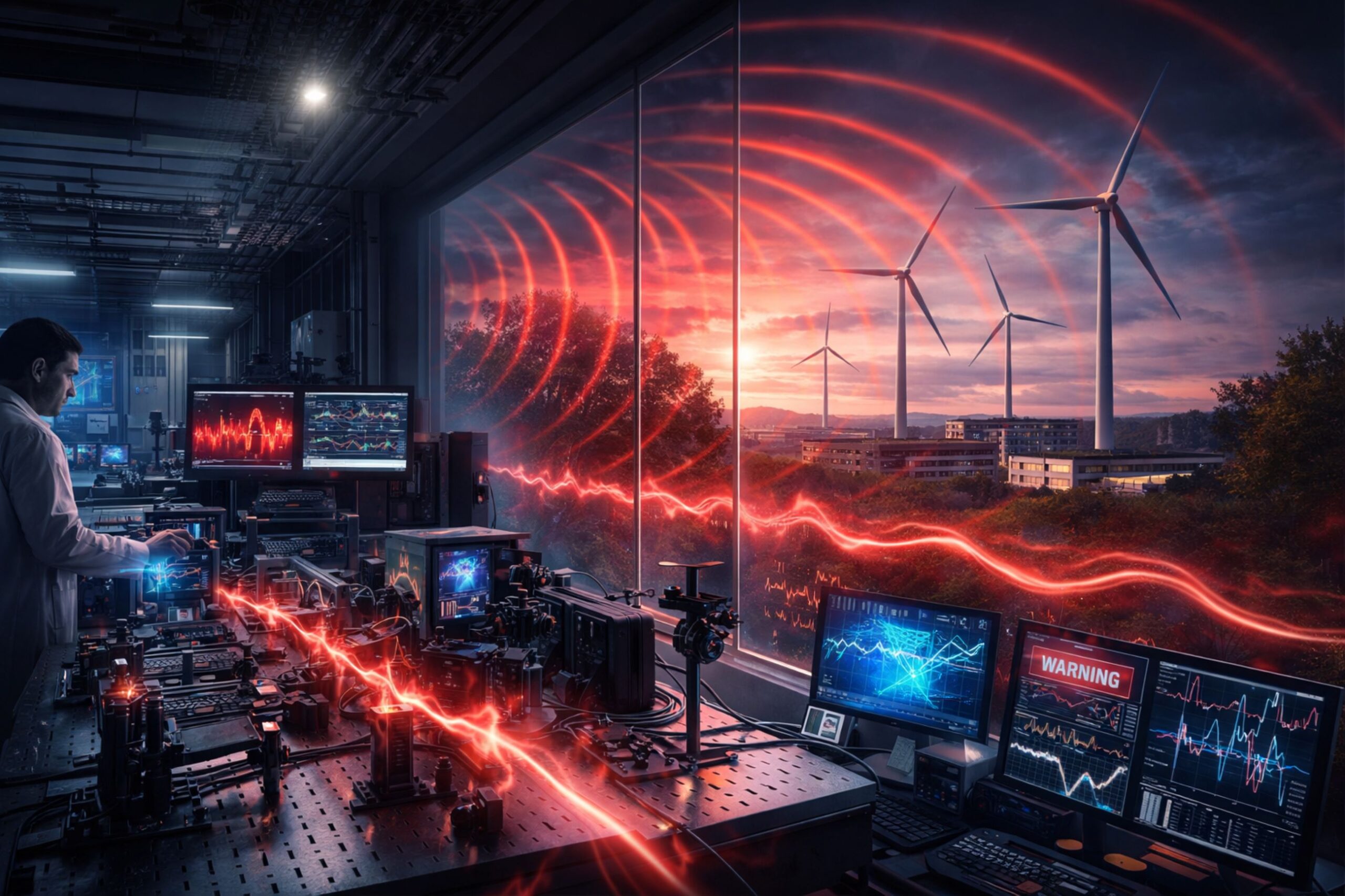
Infrasound: Wind turbines near Dresden can interfere with measuring instruments of the Helmholtz Centre
In Dresden, the dispute over new wind farm areas is intensifying because the Regional Planning Association has designated priority areas in Rossendorf, the Dresden Heath, and the Schönfeld Highlands. Rossendorf is particularly contentious, as the planned wind farms extend directly to the campus of the Helmholtz-Zentrum Dresden-Rossendorf (HZDR) and in some cases even onto its
-
The EU Commission is planning its own intelligence service under the direct control of Ursula von der Leyen
The European Commission plans to establish its own intelligence service and is actively pushing the project forward. The new structure is intended to be part of a comprehensive security strategy and will report directly to Ursula von der Leyen. The impetus for this move comes from a tense geopolitical and geoeconomic environment, increasing activity by
-
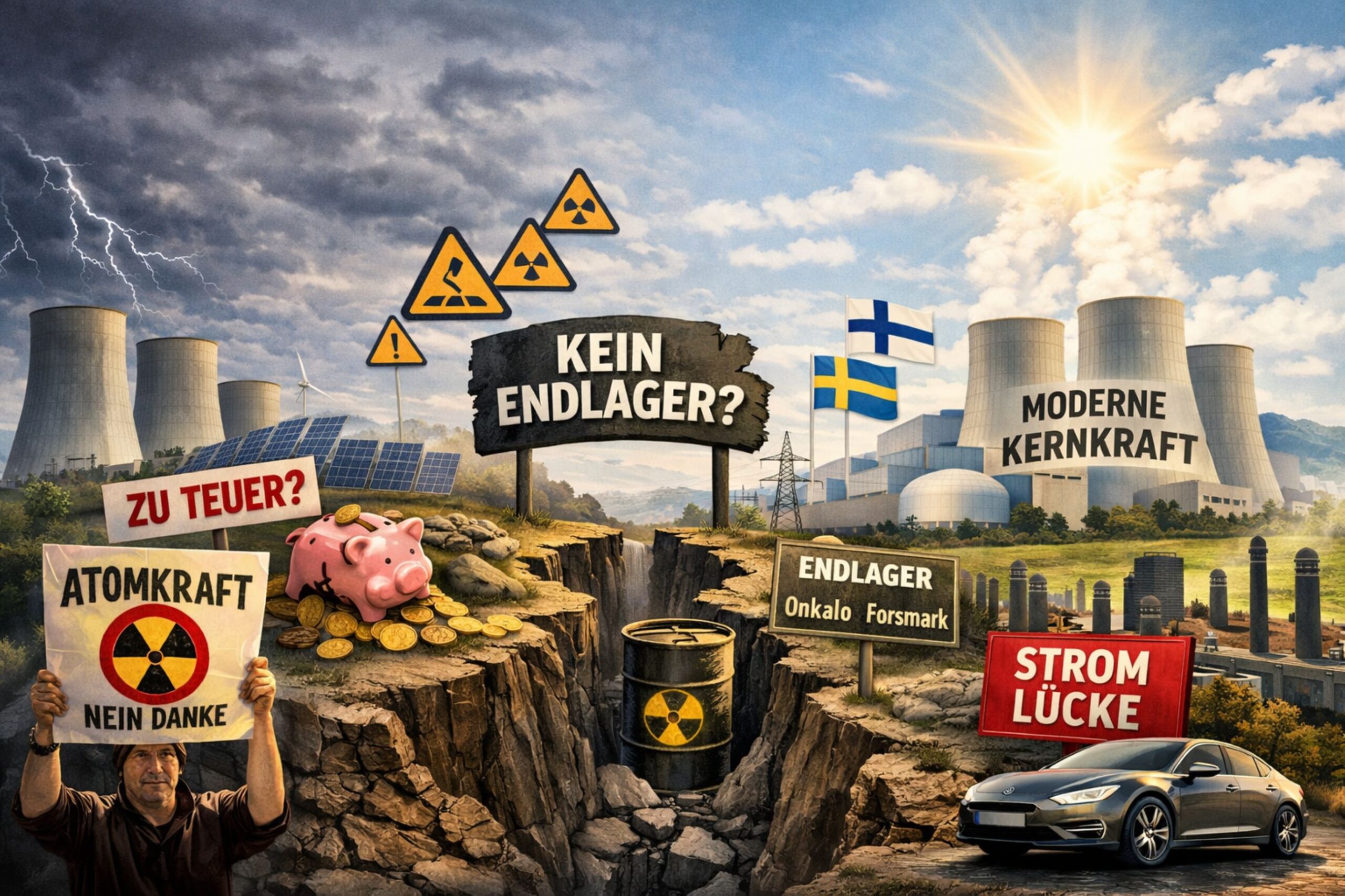
Fallacies of nuclear power opponents – how false premises influence public opinion
In Germany and Europe, energy policy decisions continue to have repercussions today because governments have shut down nuclear power plants or rejected new construction projects, even though electricity demand is rising due to industry, electric vehicles, and heating applications. These decisions were often based on flawed reasoning regarding supposedly unaffordable costs, persistently unresolved issues of
-
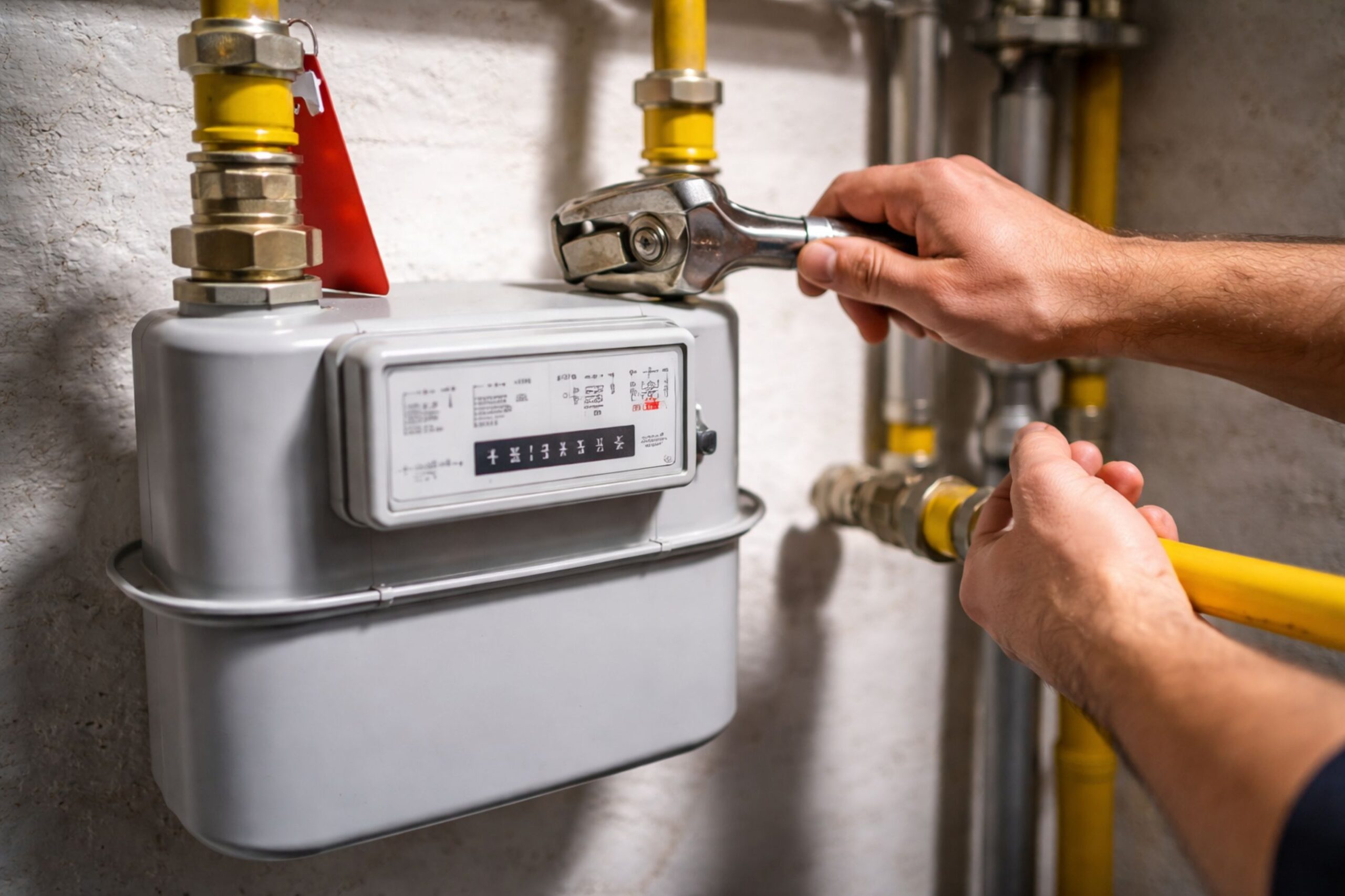
Government approves shutdown of gas networks – consumers lose right to gas connection
The German government has enabled the decommissioning of gas networks through an amendment to the Energy Industry Act. Network operators will now be permitted to take their lines out of service if they no longer see a climate-friendly use for them. This is part of Germany’s energy transition plan to achieve climate neutrality by 2045.
-

The US and Japan agree on a multi-billion dollar cooperation for new nuclear reactors and gas-fired power plants
Japan and the US have agreed on a new energy sector cooperation in Washington. During Japanese Prime Minister Sanae Takaichi’s visit to US President Donald Trump, it was decided that a Japanese-American joint venture will build small modular reactors in Tennessee and Alabama. The project is valued at nearly €35 billion. Investments of almost €29
-

Despite the electric car boom, old combustion engine vehicles will remain on the roads in Africa for years to come
Since the beginning of the year, Germany has been subsidizing the purchase of electric cars with up to €6,000, while sales are rising noticeably and dealers are simultaneously taking in more and more older gasoline and diesel vehicles. In February, more than one in five new cars was already fully electric, and the increase was
-
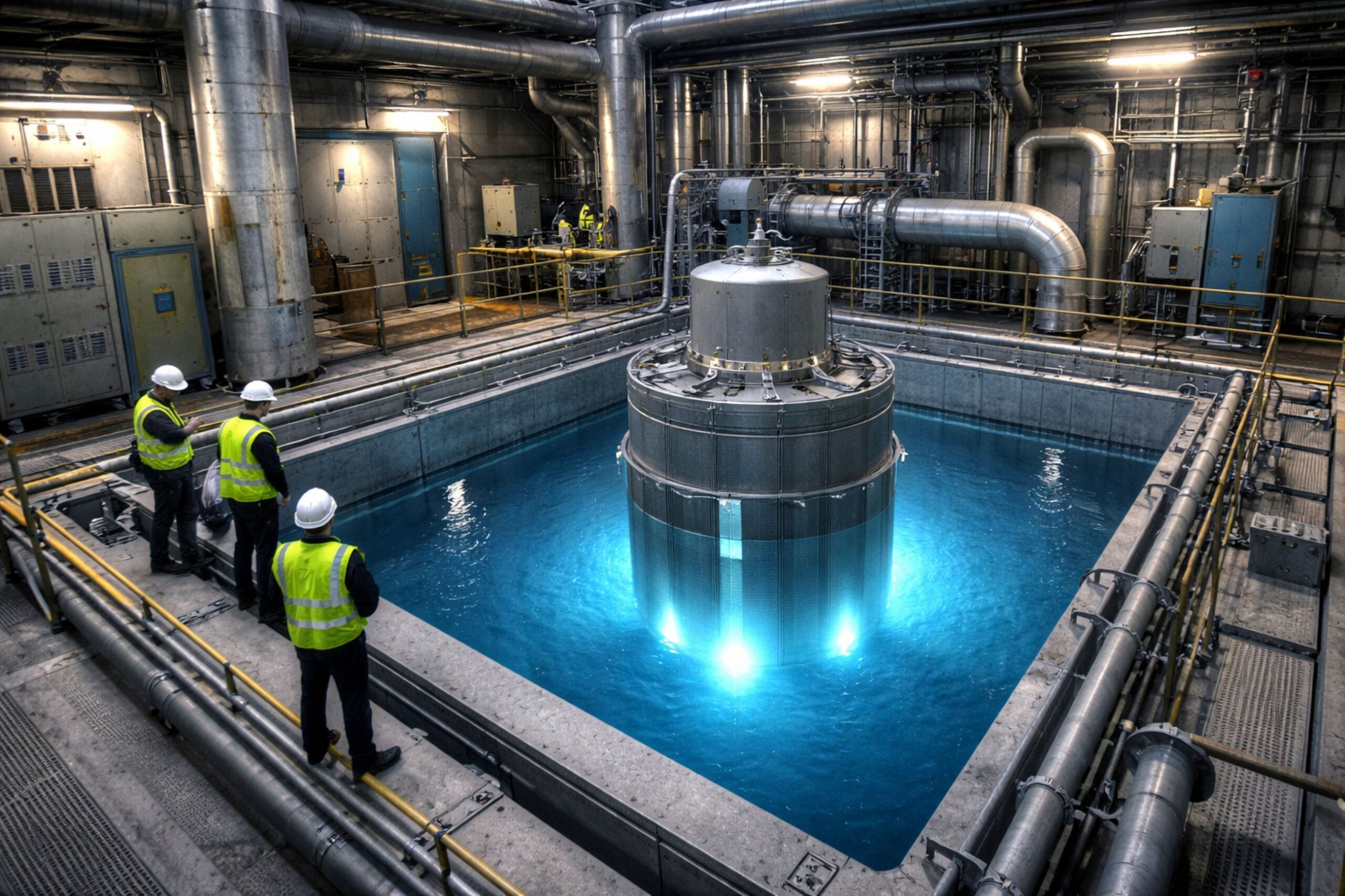
District heating from mini-reactors – start-up exploits loopholes in the German nuclear law
In Germany, Fermi Deutsche Industriekraft GmbH, together with the Finnish developer Steady Energy, has been driving forward a project since March 2026 that is reigniting the debate about nuclear power. The impetus is a peculiarity in the Atomic Energy Act, which explicitly prohibits only the commercial generation of electricity from nuclear fission, while purely heat-generating
-
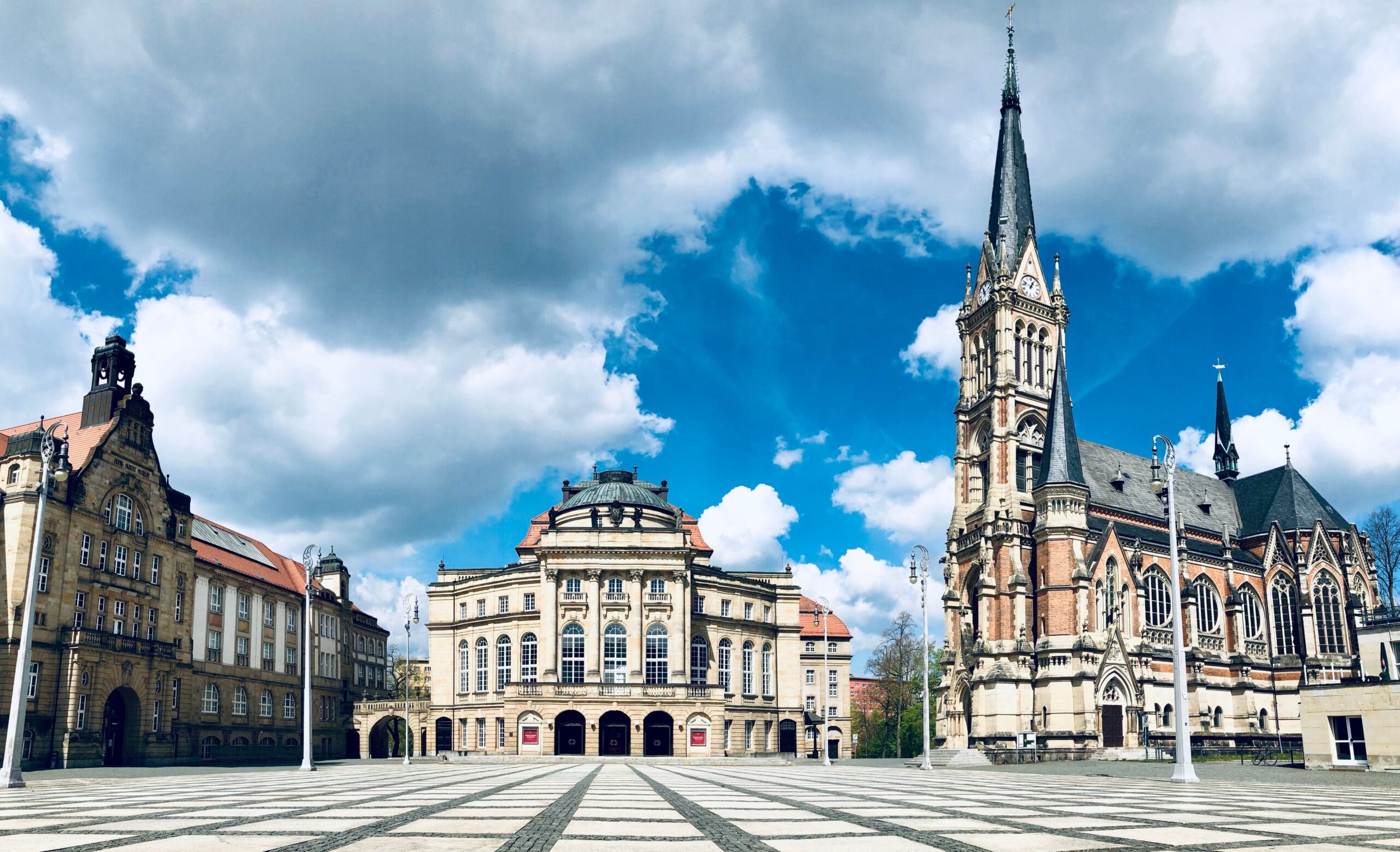
District heating shock in Chemnitz – St. Petri City Church turns off heating
In Chemnitz, the Protestant parish of the Castle Church and St. Peter’s Church is taking drastic measures due to drastically increased district heating costs. Following a contract change by the energy supplier, the annual basic charge has, according to the parish, increased three to four times the previous heating costs, prompting the church council to