
-
Bundestag legal opinion: New energy law potentially incompatible with EU law
The German Bundestag’s research service has raised doubts regarding the compatibility of the federal government’s so-called “grid package” with EU law. According to an expert opinion commissioned by the Green Party parliamentary group—which was made available to the news agency AFP on Thursday—planned restrictions on connecting new energy installations to the power grid may not…
-

Reiche dissolves wind and solar division at the Ministry of Economic Affairs
Federal Minister for Economic Affairs Katherina Reiche ordered the dissolution of the division for wind, solar, and transformation industries, effective October 2. The Ministry for Economic Affairs confirmed the decision only on October 7, following an inquiry. The division’s responsibilities have been reassigned to two other units; the Ministry cites new industrial policy priorities and…
-
Federal Council seeks to abolish tax-free real estate sales – ten-year holding period to be dropped
Berlin – The Finance Committee of the Bundesrat is calling for the abolition of the current ten-year holding period for real estate sales. Under this proposal, gains from the sale of rented houses, apartments, and land would remain subject to taxation, even after decades of ownership. Currently, owners are generally permitted to sell such properties…
-
Insolvencies in the solar and wind power sector – economic viability collapses despite subsidies
A commentary by Klaus Bastian In 2026, Germany is witnessing a wave of insolvencies within the solar and wind power sectors. Since September, companies including Enerparc in Hamburg, Energiekonzepte Deutschland in Leipzig, and parts of Next2Sun in Saarland have been affected. The wind power developer SOWITEC, based in Baden-Württemberg, has also filed for insolvency. Funding…
-
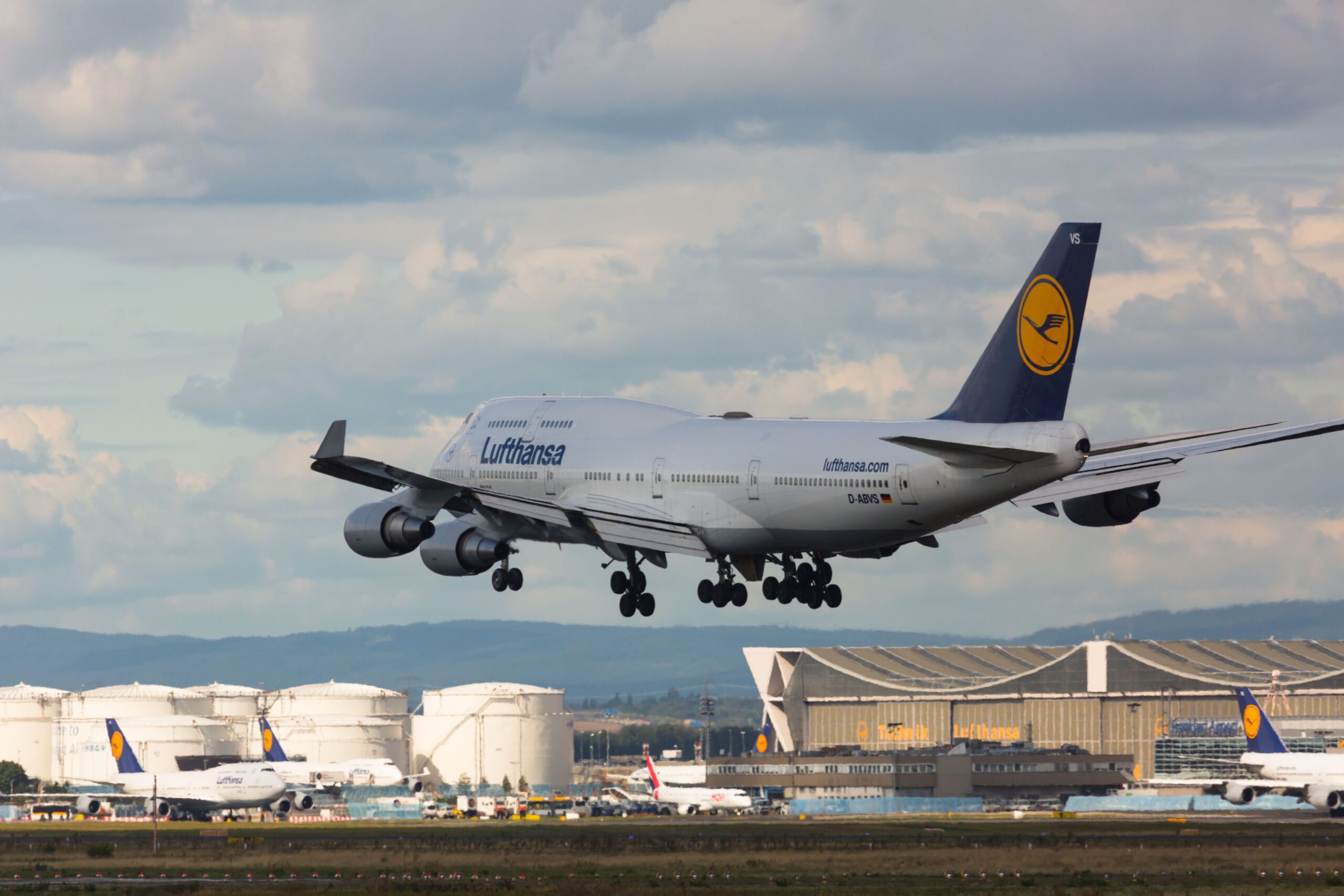
Jet fuel shortage at Frankfurt and Zurich airports – Switzerland forced to release emergency reserves
Frankfurt and Zurich airports are experiencing significant issues with their jet fuel supply. Due to disruptions in rail transport from Germany, Switzerland authorized the release of up to 30 million liters of aviation fuel from its strategic reserves on October 15, 2026. At the same time, low water levels on the Rhine and limited pipeline…
Blackout News on Social Media
-

Trump announces “massive” exploration for oil and gas deposits in Greenland
US President Donald Trump has announced “massive” exploration for oil and natural gas deposits on the Danish-owned island of Greenland. “Massive oil, gas, and mineral exploration is about to begin in our new and wonderful Greenland,” Trump stated on Tuesday (local time) on his online platform, Truth Social. “Experts say the amount of easily accessible…
-
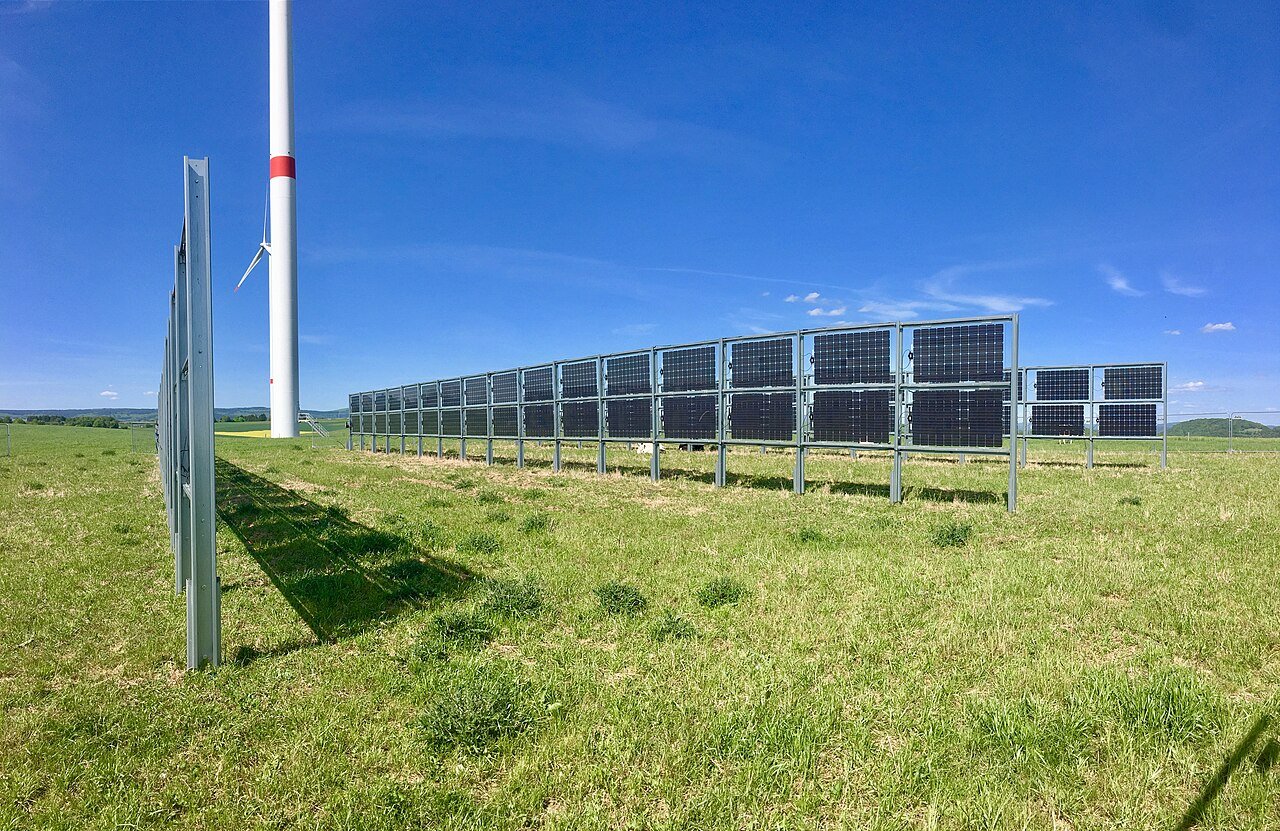
Next2Sun Insolvency – Solar Pioneer Fails Due to Financing Issues and Lack of EU Funding
On October 5, the solar specialist Next2Sun filed for insolvency proceedings under self-administration for two of its subsidiaries: Next2Sun Technology GmbH and Next2Sun Mounting Systems GmbH. The move was triggered by the failure to secure financing amounting to several million euros. Business operations are also being hampered by a delay in EU approval for agri-photovoltaic…
-
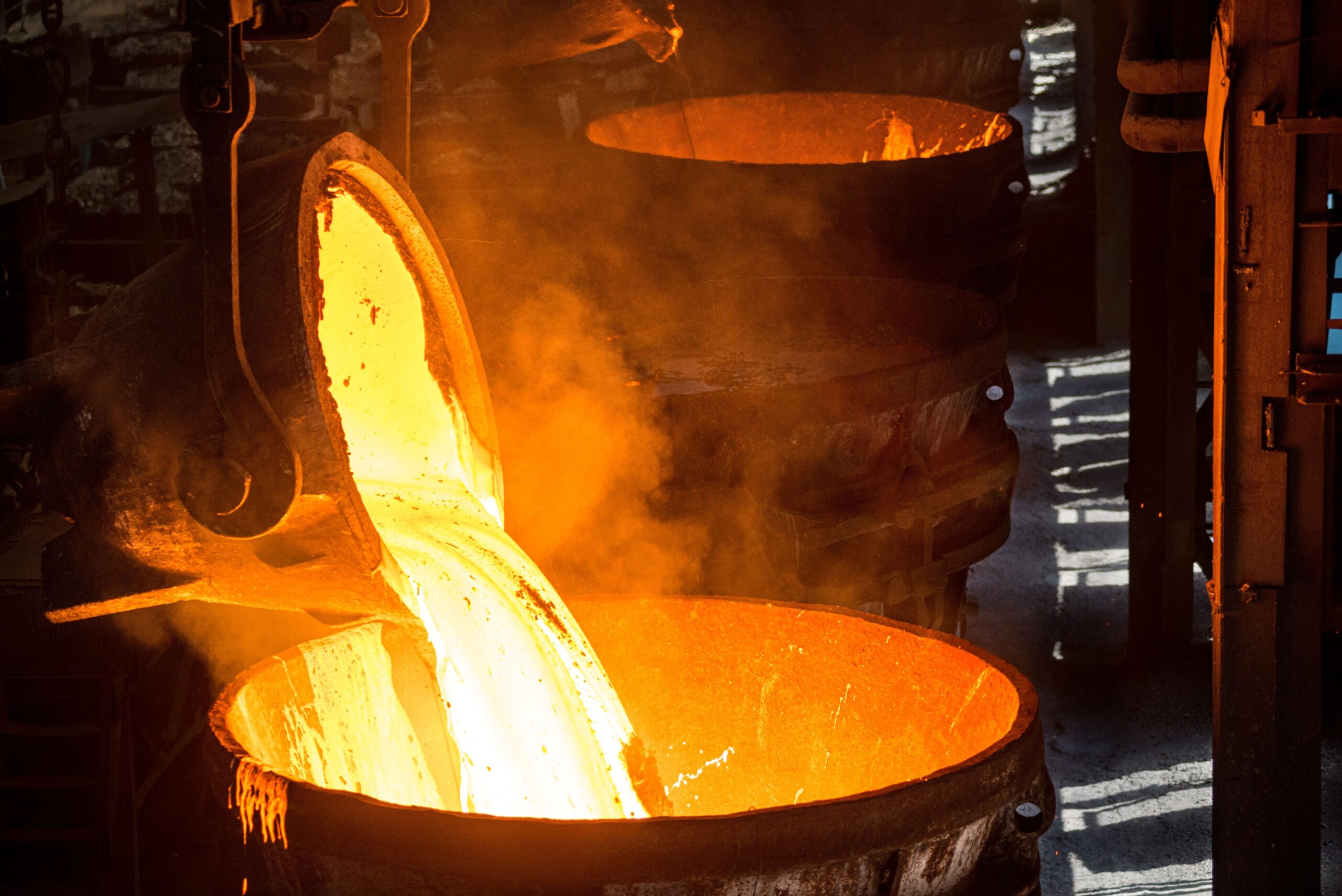
Coswig Roll Foundry closes after 134 years – high energy costs cost 170 jobs
The Walzengießerei Coswig (Roll Foundry Coswig) in Saxony will permanently cease production at the end of November 2026. This marks the end of the 134-year history of a long-established industrial company in the Meißen district. High energy costs, declining demand, and insufficient capacity utilization have steadily worsened the company’s economic situation over the years. Attempts…
-
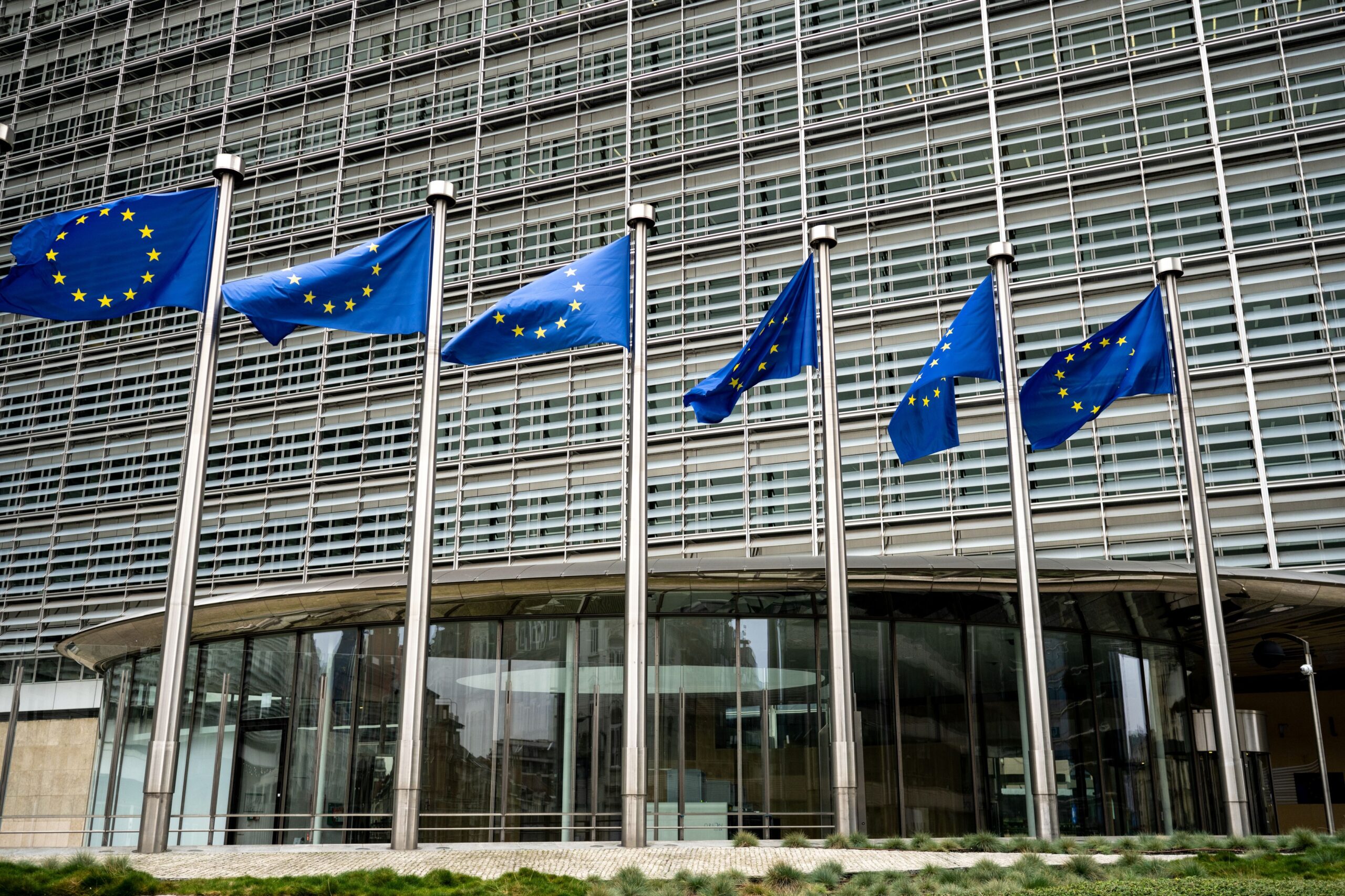
Energy crisis – EU prepares new emergency measures against rising energy prices
The European Union is preparing further emergency measures in response to the ongoing energy crisis. At the EU summit in mid-October, the 27 member states intend to discuss additional interventions to address rising energy prices. These moves are prompted by the consequences of the war against Iran and significant disruptions to international oil and gas…
-
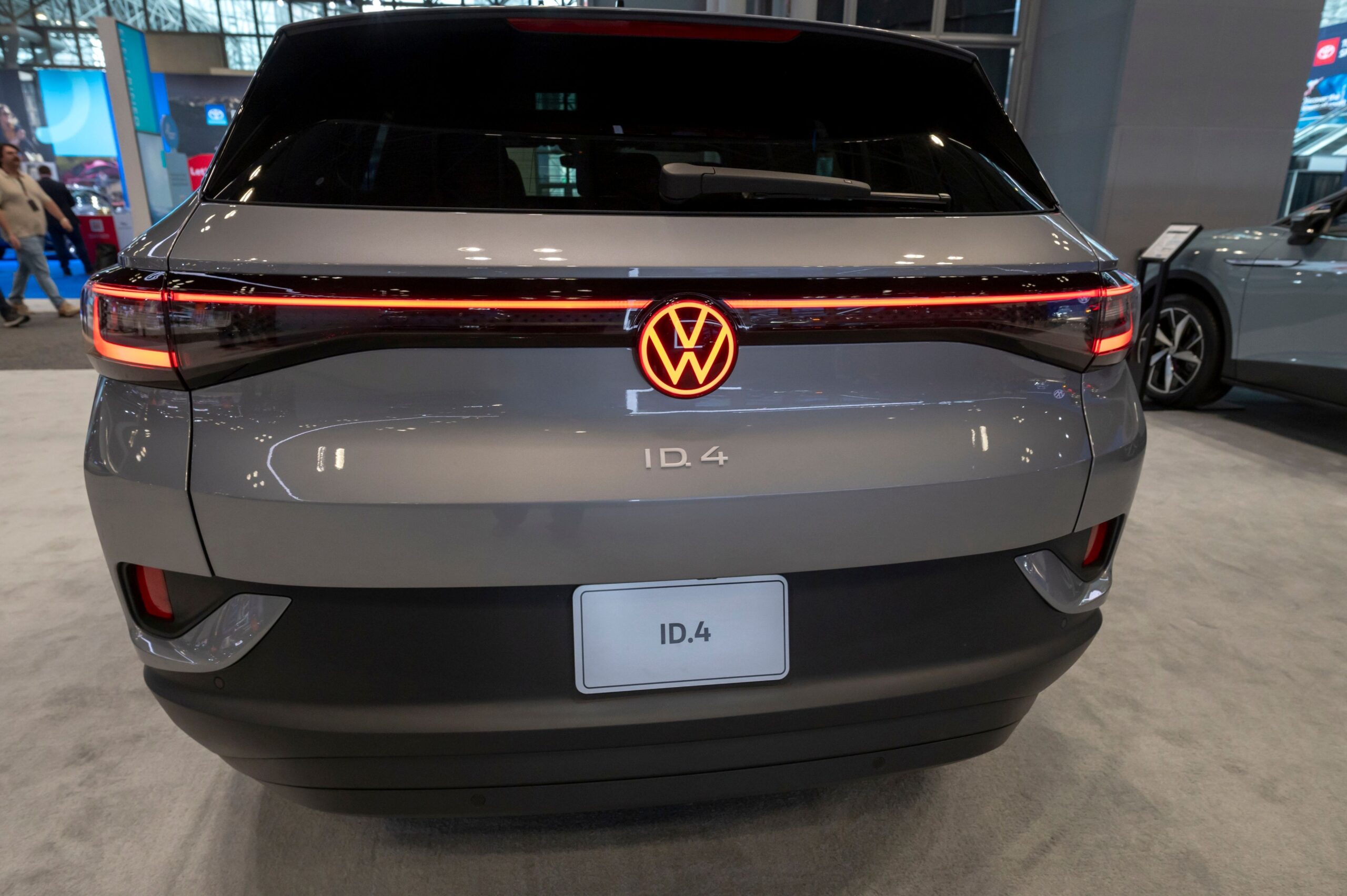
VW recall due to fire risk – 22,524 ID.4s restricted to 80% charging
Volkswagen has once again initiated a recall in the US due to a fire risk associated with the high-voltage battery. The recall affects 22,524 ID.4 electric vehicles from the 2023 to 2026 model years. The company had previously recalled more than 44,000 ID.4 vehicles in the US due to potential battery fires. In the current…
-
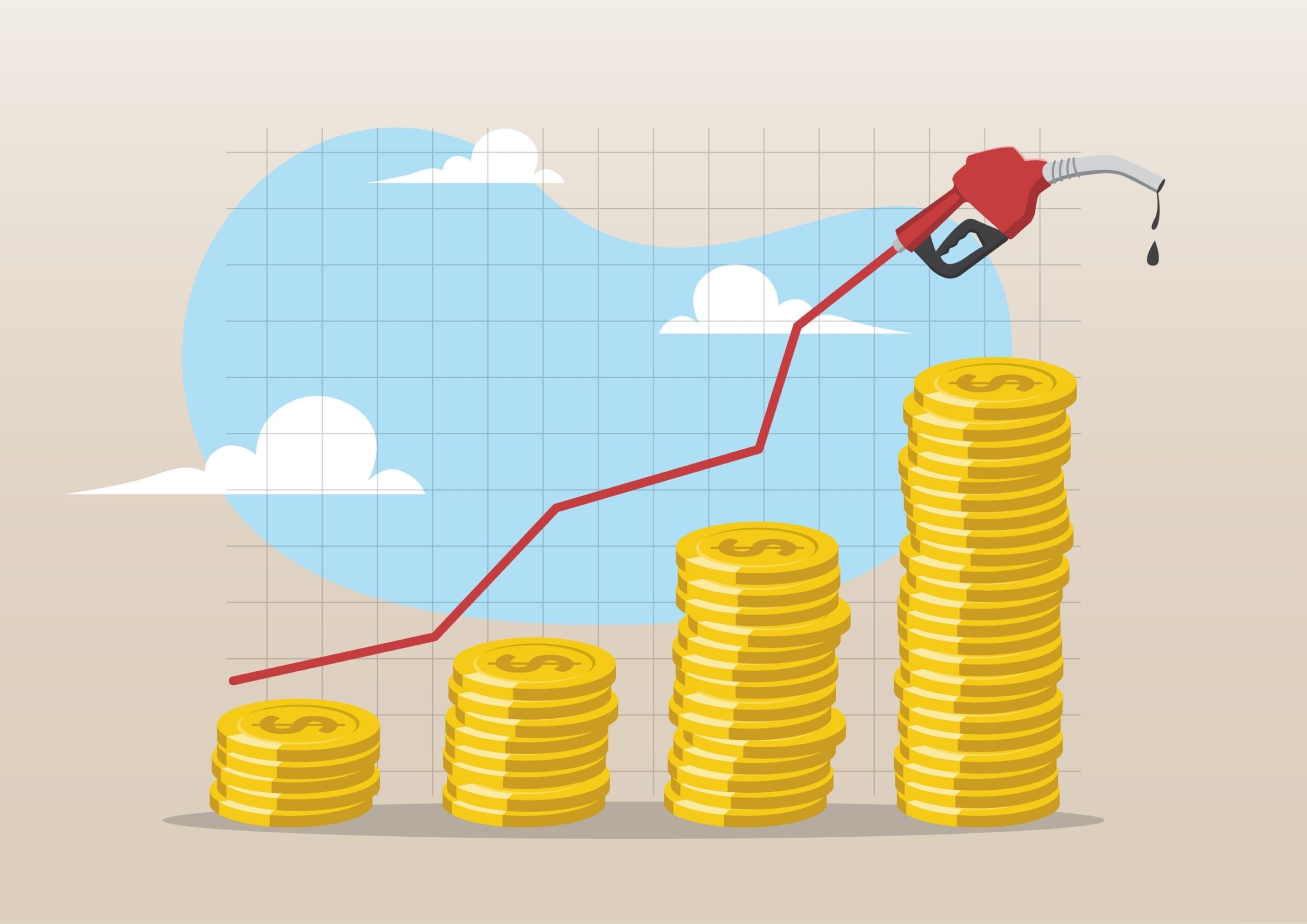
High energy prices: Inflation in September at highest level since late 2023
High energy prices drove inflation to its highest level since late 2023 in September. The inflation rate stood at 3.3 percent compared to the same month last year, the Federal Statistical Office announced on Tuesday, confirming its initial estimate. “The inflation rate reached a new annual high of over three percent in September. This was…
-
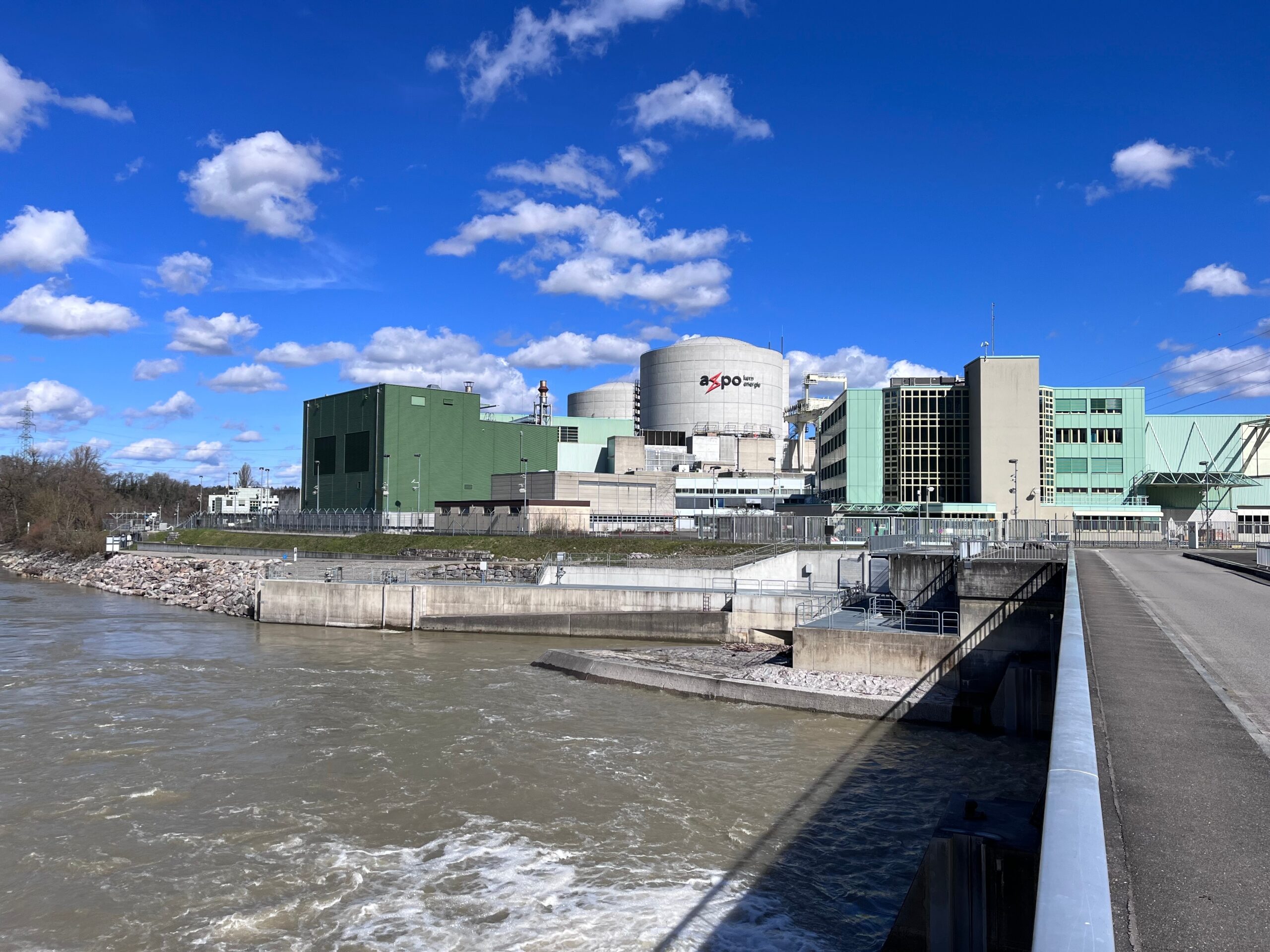
Nuclear energy disadvantaged – ETH professor criticizes massive subsidies for wind power
Swiss energy policy supports the expansion of wind power with substantial state subsidies, whereas new nuclear power plants remain banned. ETH professor Annalisa Manera criticizes this unequal treatment of nuclear energy and questions standard cost comparisons. Her criticism takes on new significance in October 2026, as Switzerland once again debates the construction of nuclear power…
-

Radio network fails during disaster response exercise involving 1,000 emergency personnel
During the largest disaster response exercise in the Grafschaft Bentheim district on October 10, 2026, a fundamental prerequisite for successful rescue operations failed intermittently. While approximately 1,000 emergency personnel were simulating a hazardous materials incident, a forest fire, and severe flooding, the radio network collapsed for a time. Consequently, fire departments, emergency medical services, and…
-
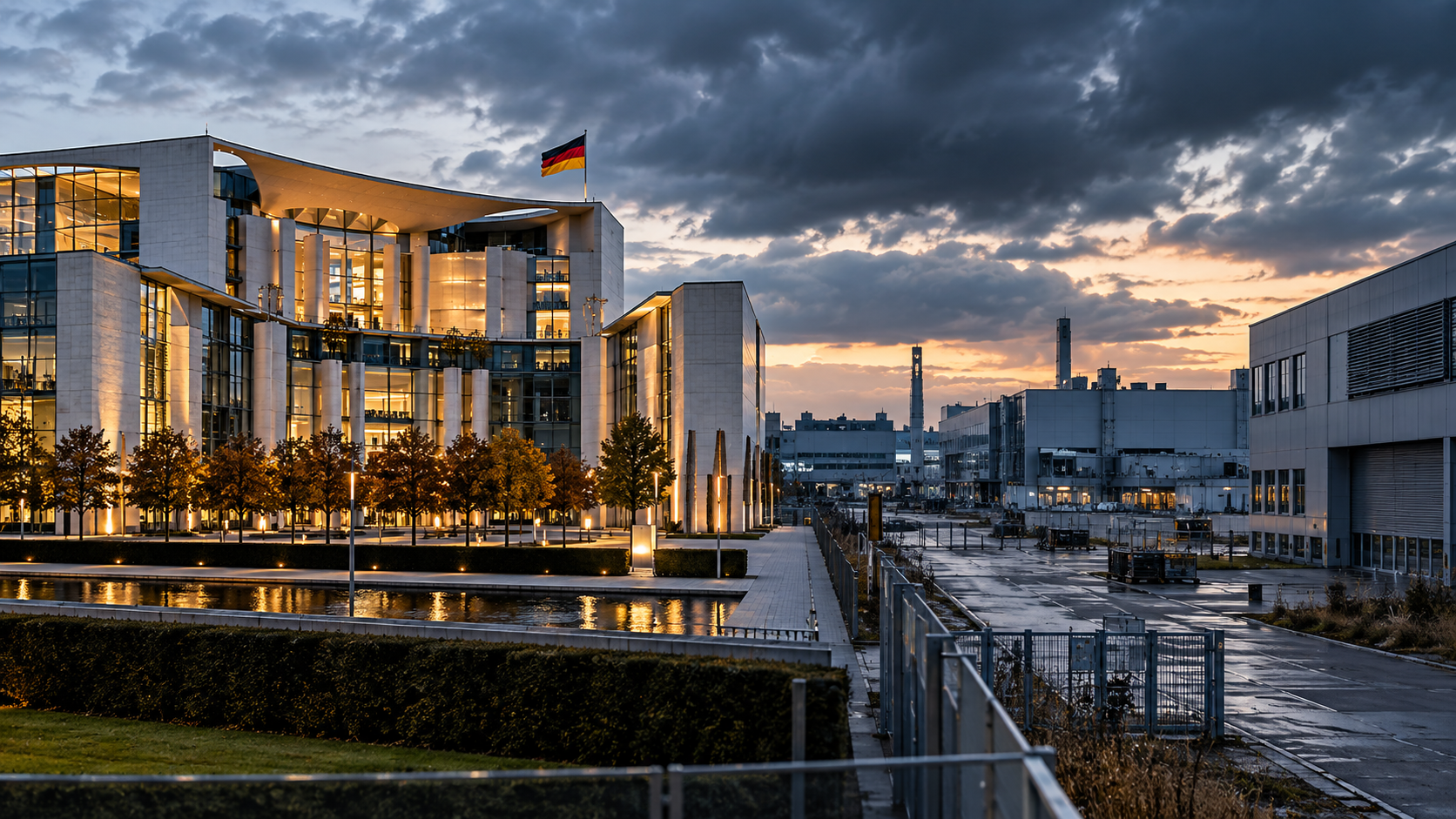
State apparatus grows, economy shrinks – Germany’s upswing is built on debt
A commentary by our author Klaus Bastian: The federal government projects economic growth of 1.3 percent for 2026. However, this heralded upturn relies to a significant extent on government spending and additional debt. At the same time, the number of employed persons is shrinking, while the state apparatus demands ever more personnel and funding. In…
-
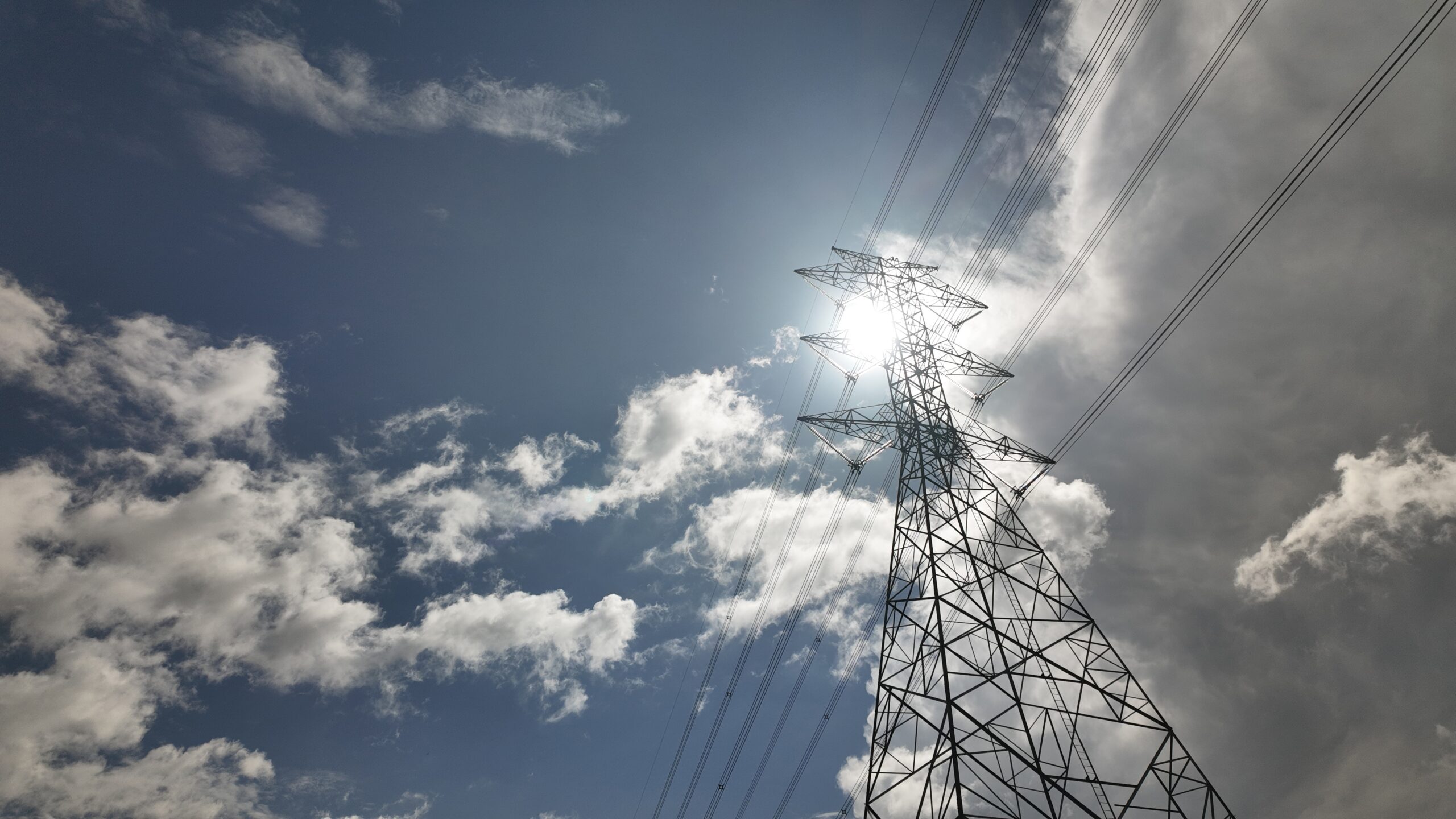
Power grids blocked – thousands of projects that will never be built are applying for grid connections
Germany’s electricity grids are increasingly reaching their limits due to an unprecedented flood of applications for new energy facilities. In 2025 alone, 18,158 applications for grid connections for battery storage systems were submitted nationwide, with a combined requested capacity of 573.5 gigawatts. Many of these projects are unlikely to materialize, as developers often register multiple…