
The Swiss retail group Coop is largely removing insect-based food products from its product range. This decision follows years of weak sales figures since the products’ market launch in 2017. Back in 2022, competitor Migros had already withdrawn comparable products from its shelves, even though the retailer had previously offered cooking classes related to them. At that time, Switzerland legalized mealworms, crickets, and grasshoppers as food. Coop subsequently launched products from the supplier Essento. However, customers rarely purchased them. Therefore, Coop is now selling off remaining stock. This eliminates important sales channels for manufacturers and suppliers. (schweizerbauer: 01.05.26)
Insect-based food products remain a niche product in supermarkets
Coop offered burgers, snacks, and processed insect products. The items were intended to appear more sustainable than traditional meat products. However, they failed to convince many consumers. Price, taste, and habit played a stronger role in their purchasing decisions.
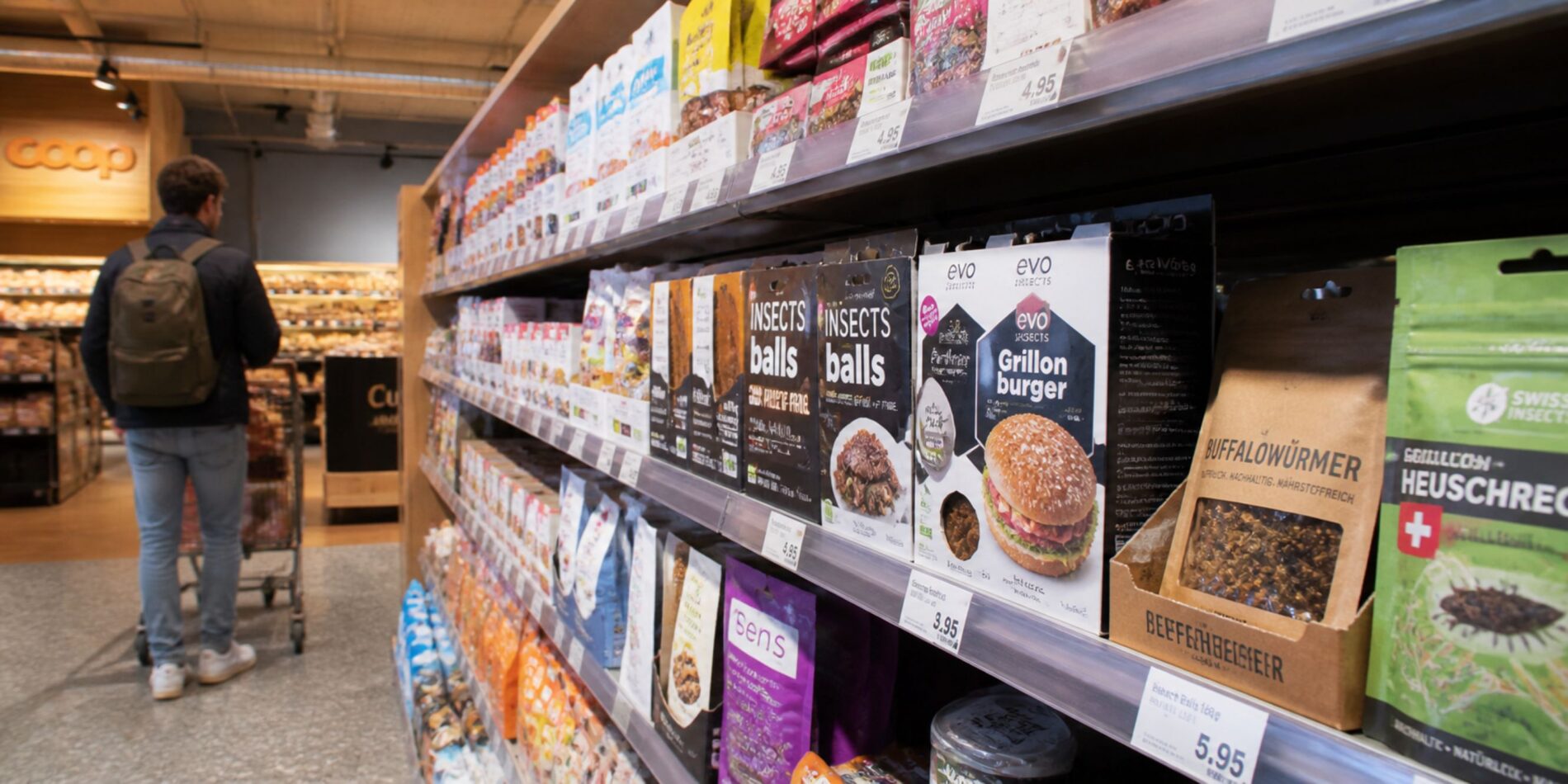
Migros’ earlier withdrawal from the market already demonstrated its weakness. Coop, however, clung to the segment longer, gradually reducing its offerings. Now, widespread sales are also coming to an end there.
Sustainability Doesn’t Replace Demand
Proponents pointed to lower land, water, and feed requirements. At the same time, everyday acceptance remained low. Many consumers culturally reject such foods. Even advertising and special promotions did little to change this.
For producers, the withdrawal sends a clear signal. Without stable demand, competitive prices cannot be achieved. Furthermore, large retailers are no longer available as distribution partners. The market is therefore likely to shift more strongly towards other protein sources.
The industry is losing a key sales channel
Coop’s withdrawal directly impacts suppliers. Smaller producers are losing shelf space and reach. At the same time, the chance of reaching new customers is decreasing. As a result, the products are disappearing further from everyday life.
This development reflects a harsh market reality. Sustainability arguments alone are not enough for lasting success. Consumers in the supermarket make their decisions based on acceptance, price, and convenience. Therefore, insect-based food products will remain a niche market for the time being.