
In Senegal, an EU-funded transport project faces a critical decision. The plan for Dakar includes 380 natural gas-powered buses, 14 routes, two depots, approximately 700 bus stops, 13 terminals, a ticketing system, and road improvements. The project is budgeted at around €320 million. However, reports indicate that the Chinese state-owned company CRRC is the frontrunner. The European Commission cannot prevent the contract from being awarded to China as long as the tendering process is formally correct. This could mean that European funds are being used to pay for Chinese buses. European manufacturers would be affected, while China could further expand its influence in Africa. (euractiv: 29.04.26)
Senegal Project Reveals Weaknesses in EU Procurement
The project is part of the EU’s Global Gateway Strategy. Brussels aims to promote infrastructure in Africa through this strategy. At the same time, Dakar is to receive cleaner and more reliable public transportation.
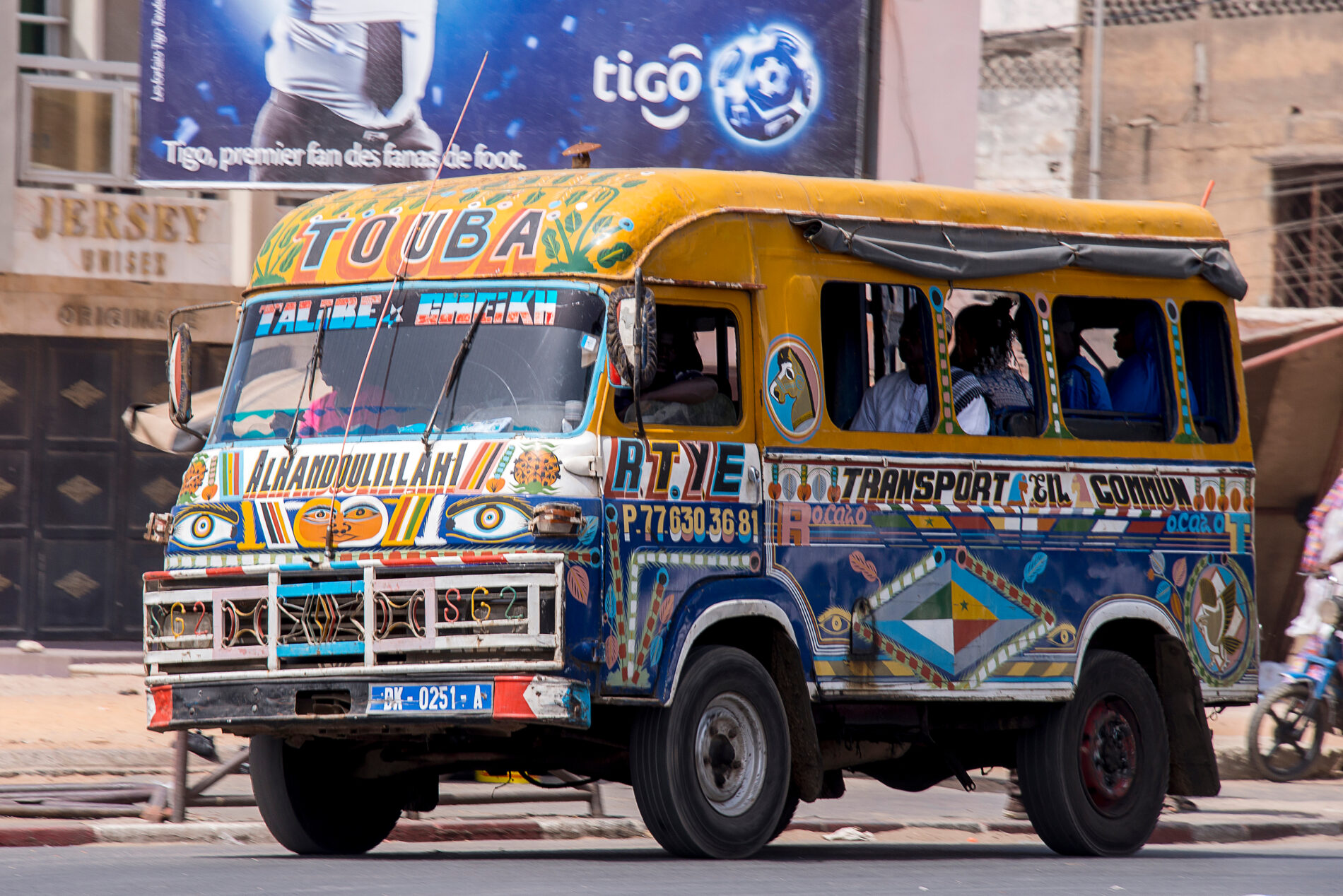
Several European institutions are providing the financing, including the European Commission, the European Investment Bank, KfW, and the French AFD. This means loans and grants are flowing into a project with far-reaching political implications beyond Dakar.
Chinese corporation could benefit from EU funds
At the heart of the matter is CRRC. The Chinese state-owned company is one of the world’s largest providers of transportation technology. Reports indicate its bid is significantly cheaper than those of its European competitors.
For European bidders, winning the contract with CRRC would be a major setback. They would have to compete against a state-owned enterprise, while European institutions guarantee the financing. Critics therefore see a dangerous contradiction in EU funding policy.
EU cannot stop awarding contract to China
The European Commission admits that it cannot simply block the award. The procurement rules are decisive. If a bidder meets the criteria, their country of origin cannot be used as grounds for exclusion.
This is precisely why Senegal is becoming a symbolic case. Europe is funding a strategic infrastructure project but could ultimately be financing Chinese buses. For Brussels, this is a political problem with far-reaching implications.
Africa Strategy in Trouble
China has been expanding its influence in Africa for years through infrastructure projects. Buses, trains, and energy facilities create lasting ties. Maintenance, spare parts, and technology ensure follow-up business.
For Senegal, the project could still bring short-term benefits. New buses could alleviate traffic congestion in Dakar. At the same time, however, the risk is growing that European money will strengthen Chinese supply chains.