
-

Google and Amazon’s CO2 emissions are rising sharply – climate goals are becoming increasingly out of reach
The CO2 emissions of US tech giants Google and Amazon are rising sharply, putting their climate goals increasingly out of reach. Both companies released new figures this week: Google’s emissions have risen by 82 percent since 2019, with an 18 percent increase in the past year alone. For Amazon, the figures show a 58 percent…
-
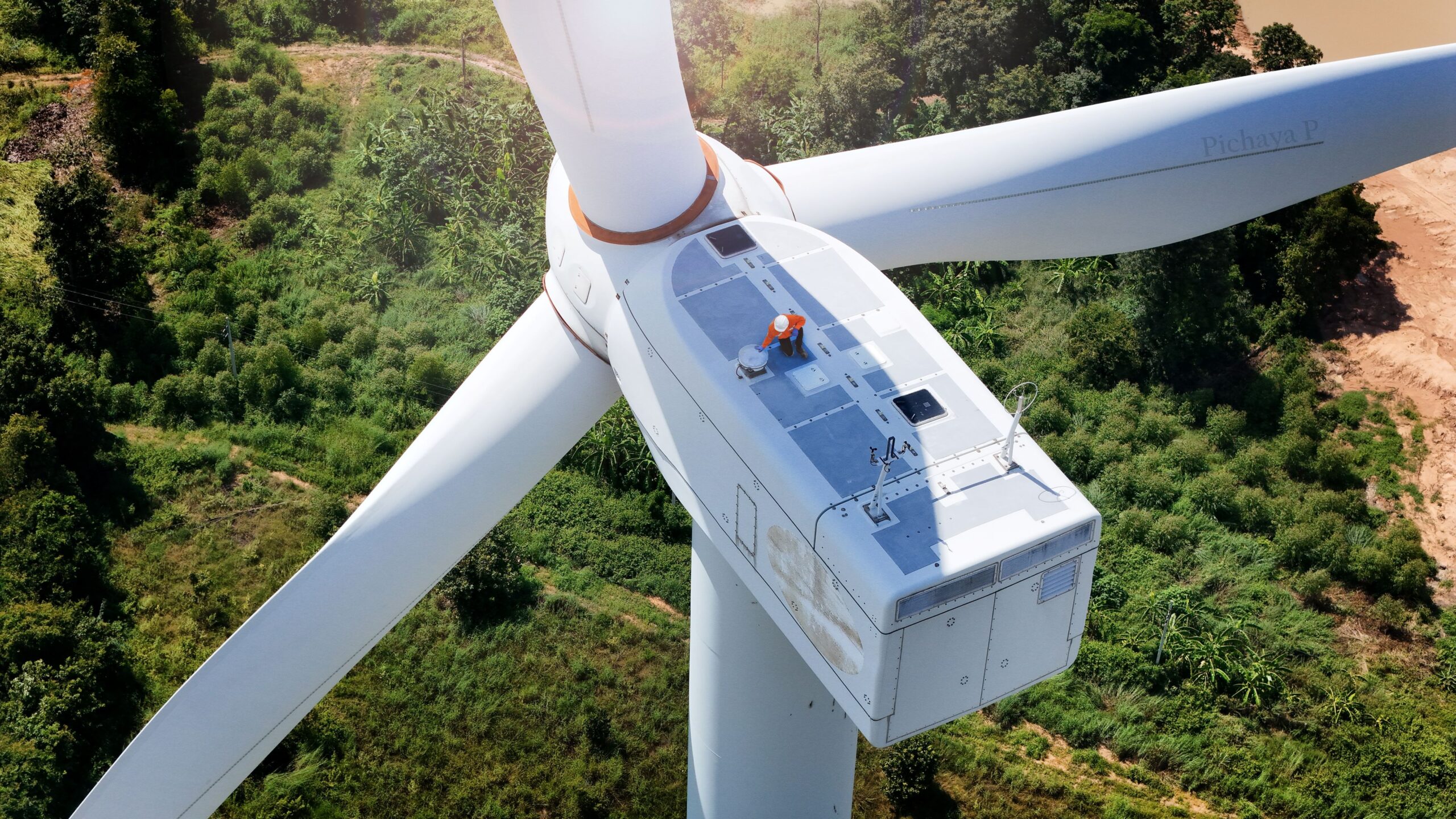
250-meter-tall wind turbines near Borna: Residents demand a say
Near Borna in the Leipzig district, the existing wind power site close to Thräna is set for a major overhaul in 2026: three older turbines are to be replaced by two turbines standing approximately 250 meters tall as part of a repowering project. The initiative is taking place against the backdrop of new wind power…
-
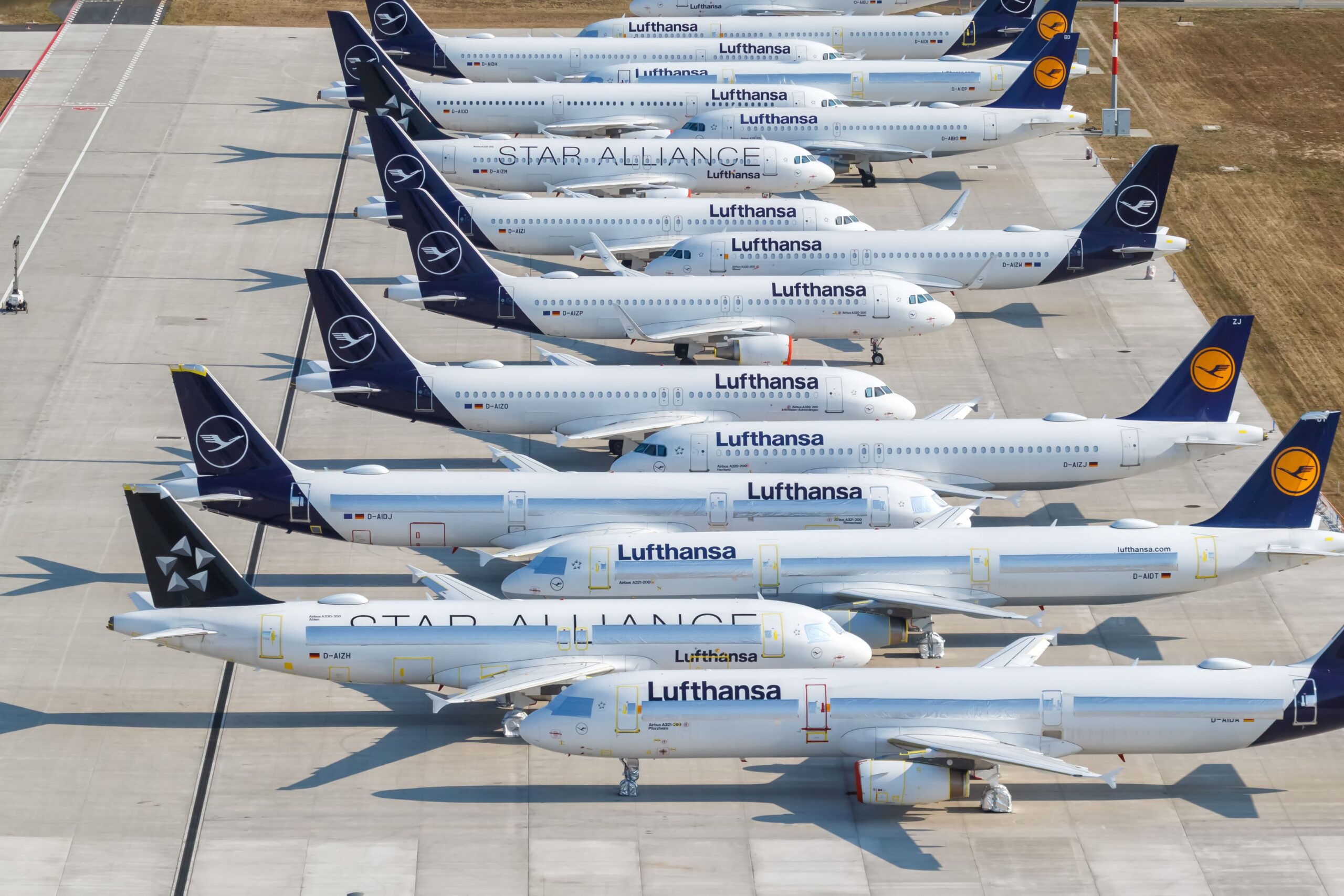
Lufthansa cuts European flights: Up to 15 fewer jets from 2027
Lufthansa plans to further scale back its European short- and medium-haul network and withdraw up to 15 aircraft from service at its German hubs. This move is driven by persistent losses on European routes, even though some individual connections remain profitable; the group, however, no longer intends to use these profits to permanently subsidize underperforming…
-
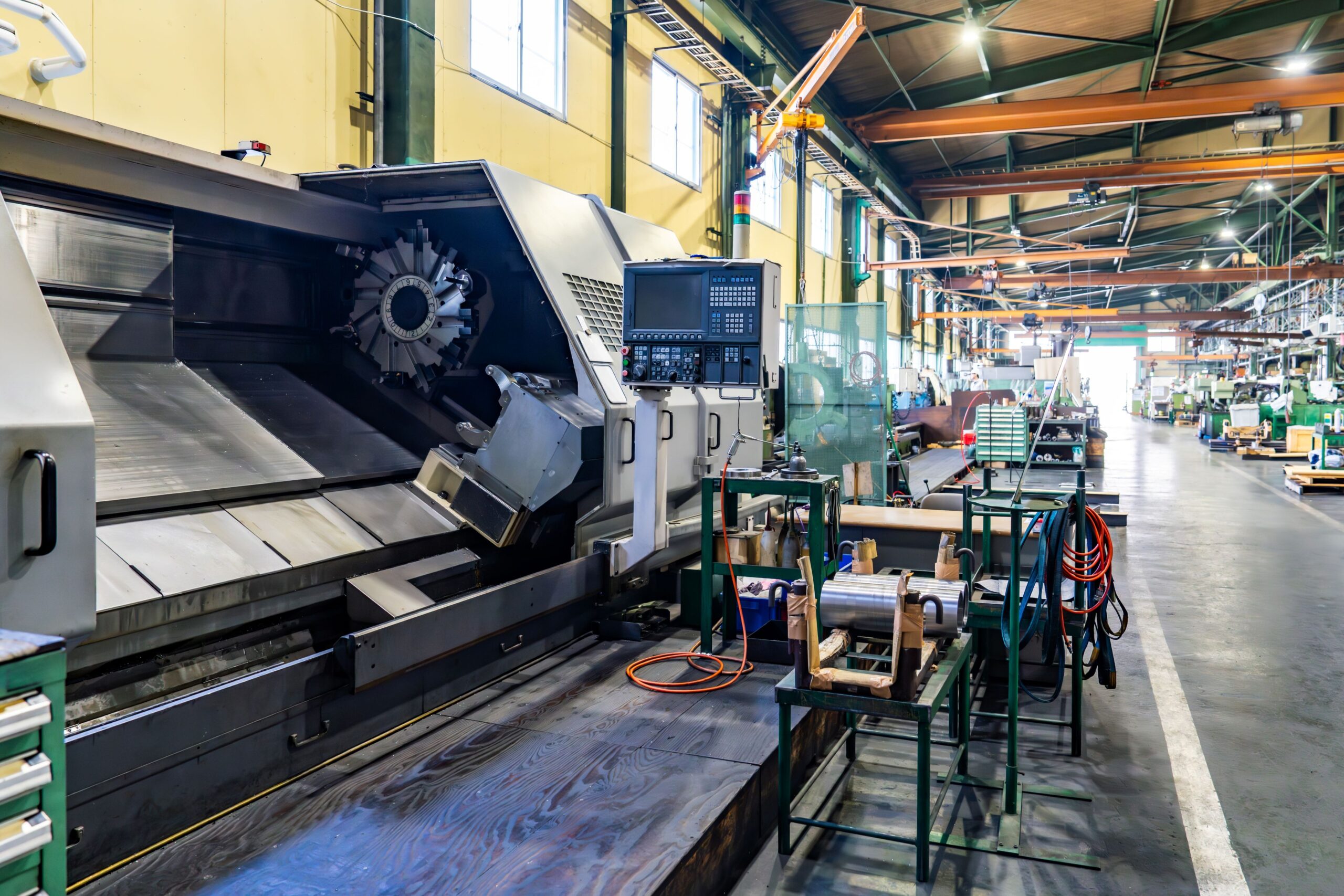
Mechanical Engineering Crisis: Germany’s Key Sector Loses Confidence
According to a new PwC survey of 150 executives, the crisis in the mechanical engineering sector is intensifying significantly. Only about one in ten companies now expects positive economic development in Germany. High costs, weak demand, geopolitical tensions, and supply chain risks are weighing on capacity utilization, investment, and planning certainty; consequently, smaller firms and…
-
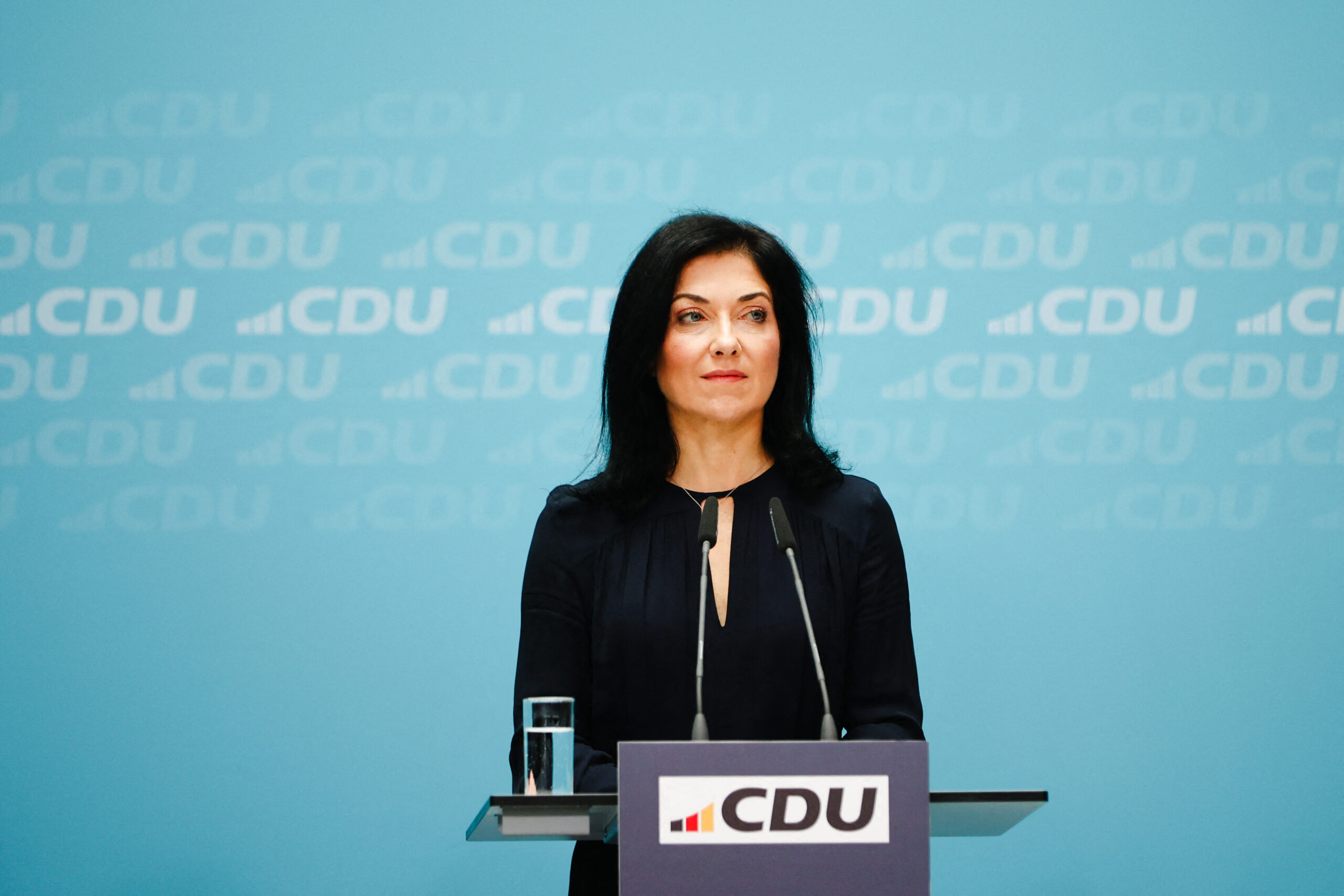
Heating law unconstitutional, according to expert opinion
In late June 2026, a legal opinion commissioned by Enpal from the law firm Freshfields intensifies the dispute over Economic Affairs Minister Katherina Reiche’s Building Modernization Act. The firm deems the draft unconstitutional because it abandons the “65 percent rule” and continues to allow the installation of new oil and gas heating systems. Furthermore, the…
-
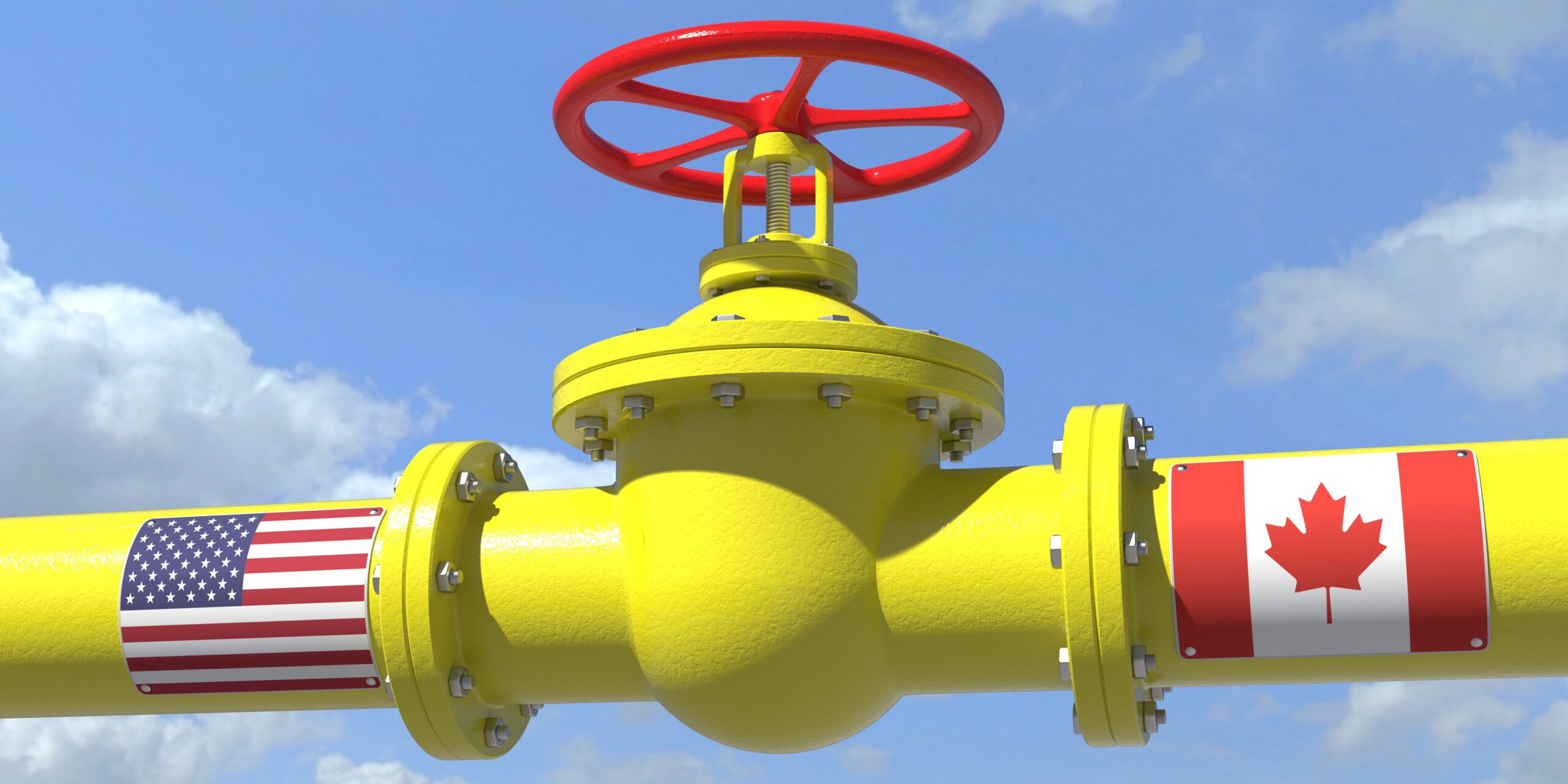
Canada launches new oil pipeline project to the West Coast
Canada has launched a new pipeline project to transport oil from Alberta to the country’s west coast. The proposal has now been officially submitted to federal authorities, Prime Minister Mark Carney said on Thursday during a joint press conference in Calgary with Alberta Premier Danielle Smith. The western province of British Columbia had long opposed…
-
Electricity price zones: Greens want to divide the German electricity market regionally
Following their mini-party conference in late June, the Greens intend to divide Germany into multiple electricity price zones. Consequently, electricity is to become cheaper in areas where large amounts of wind or solar energy are generated. This move is prompted by grid bottlenecks between generation regions in the north and east and major consumption centers…
-
Outflow from Germany: Covestro plans major plants in China and Abu Dhabi
Covestro is focusing its next major chemical expansion on China and the Persian Gulf. The Leverkusen-based plastics company is planning a new MDI plant in Shanghai and is also evaluating a facility in Abu Dhabi. This shift affects Germany not through immediate closures, but through investments that will relocate future growth, export opportunities, and industrial…
-
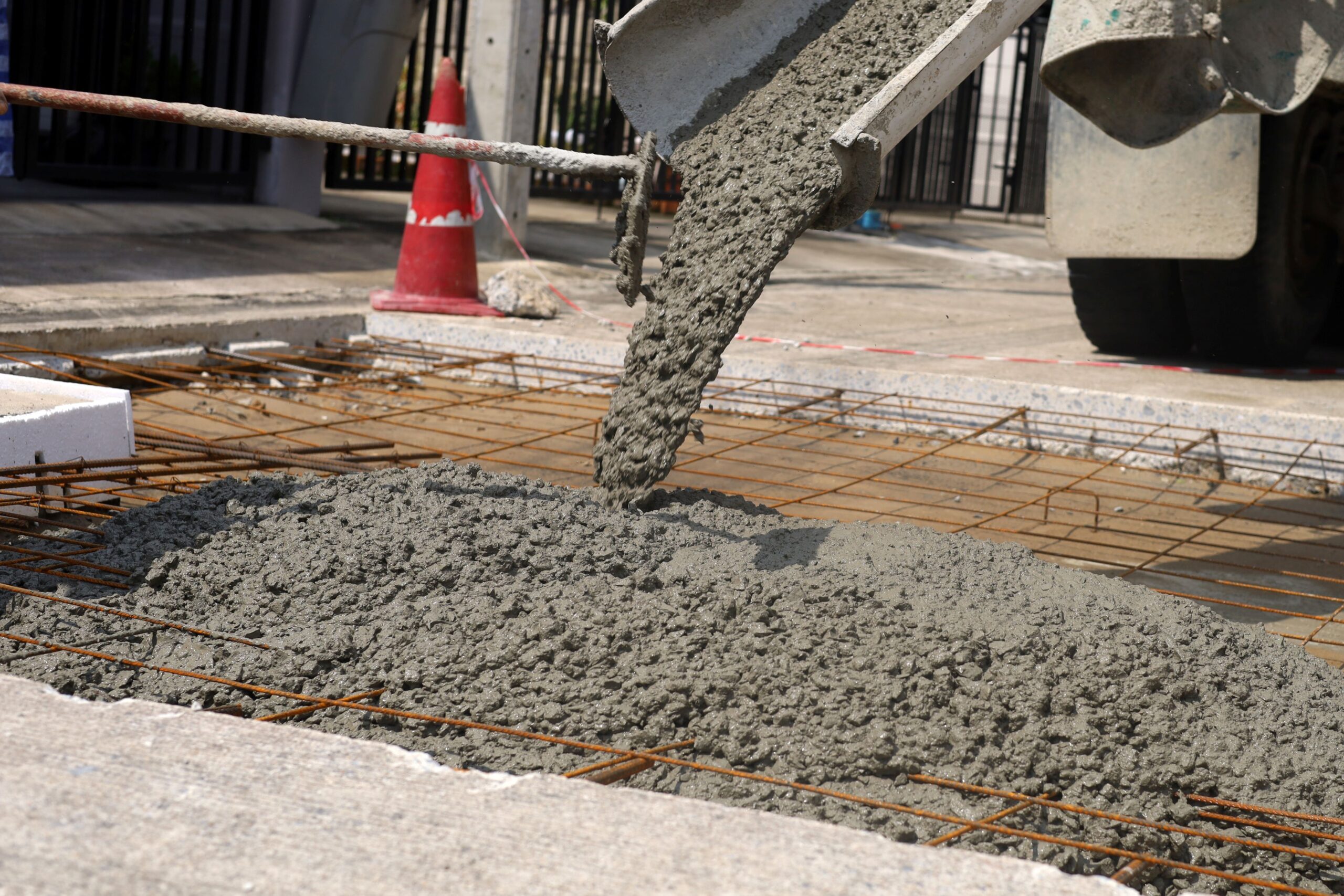
Cement consumption falls to pre-war levels: Construction crisis hits basic materials industry
In Germany, cement consumption figures from late June 2026 starkly illustrate the severity of the construction crisis. According to the Federal Association of Building Materials – Stones and Earth, cement consumption is approximately 30 percent below 2020 levels. The association also notes that, regarding this building material, Germany and France have reverted to levels last…
-

EV subsidies: Low-income earners apply for Teslas, BMWs, and Porsches
Berlin, late June 2026: Initial application data reveals that the federal government’s new electric vehicle subsidy is reaching households in the lowest income bracket with striking frequency. Around half of the more than 60,000 applications originate from this group, which also includes numerous requests for vehicles from Tesla, BMW, Mercedes, and even Porsche. Consequently, criticism…
-
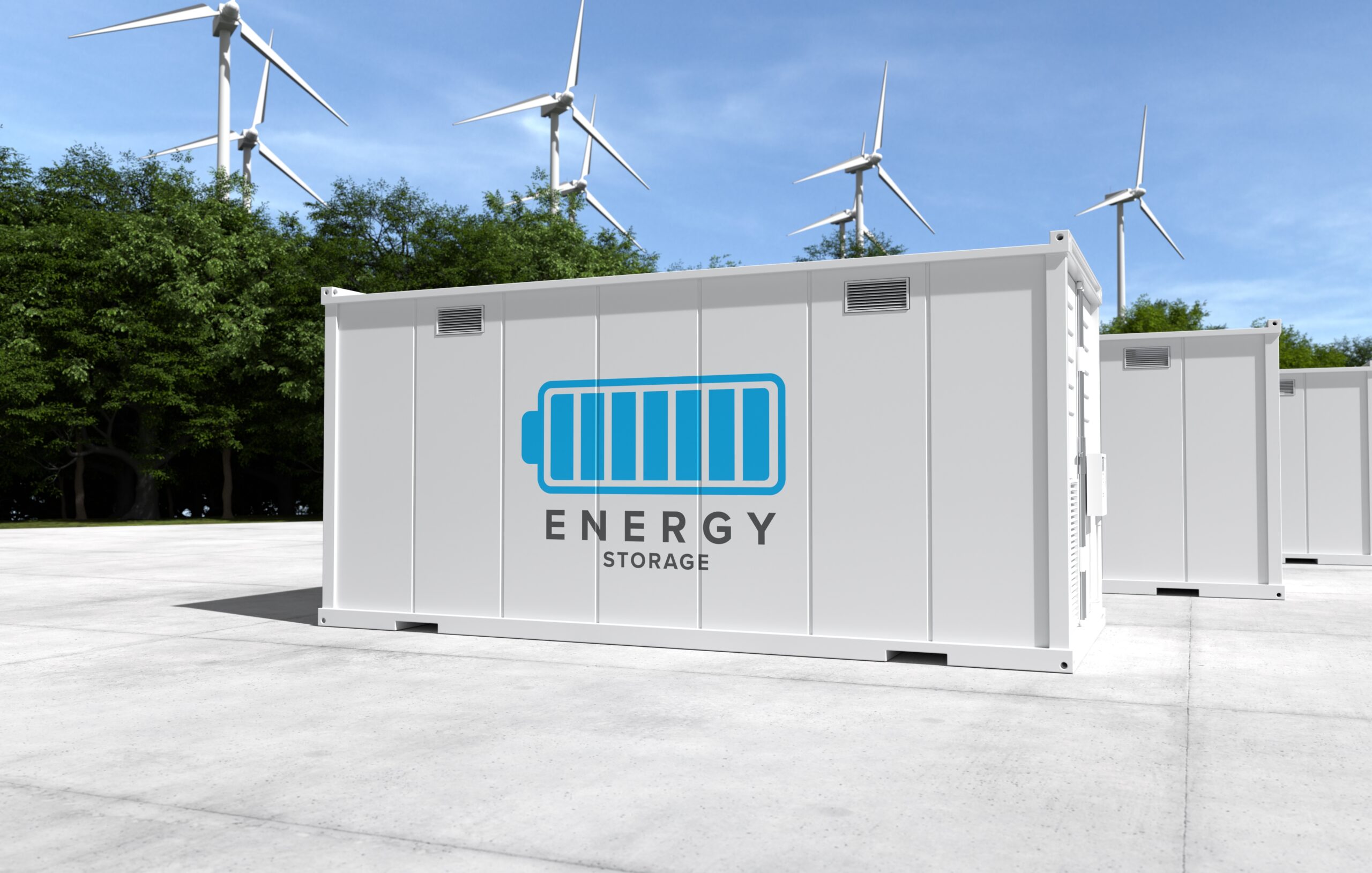
Fraunhofer analysis: Increased battery storage enables savings of billions
Battery storage as more than just a cost-saving measure: According to a Fraunhofer analysis, greater flexibility in the power system could yield savings amounting to billions for consumers—as well as for the federal budget. This could result in annual macroeconomic savings of around 3.9 billion euros. One reason for this is that a more rapid…
-
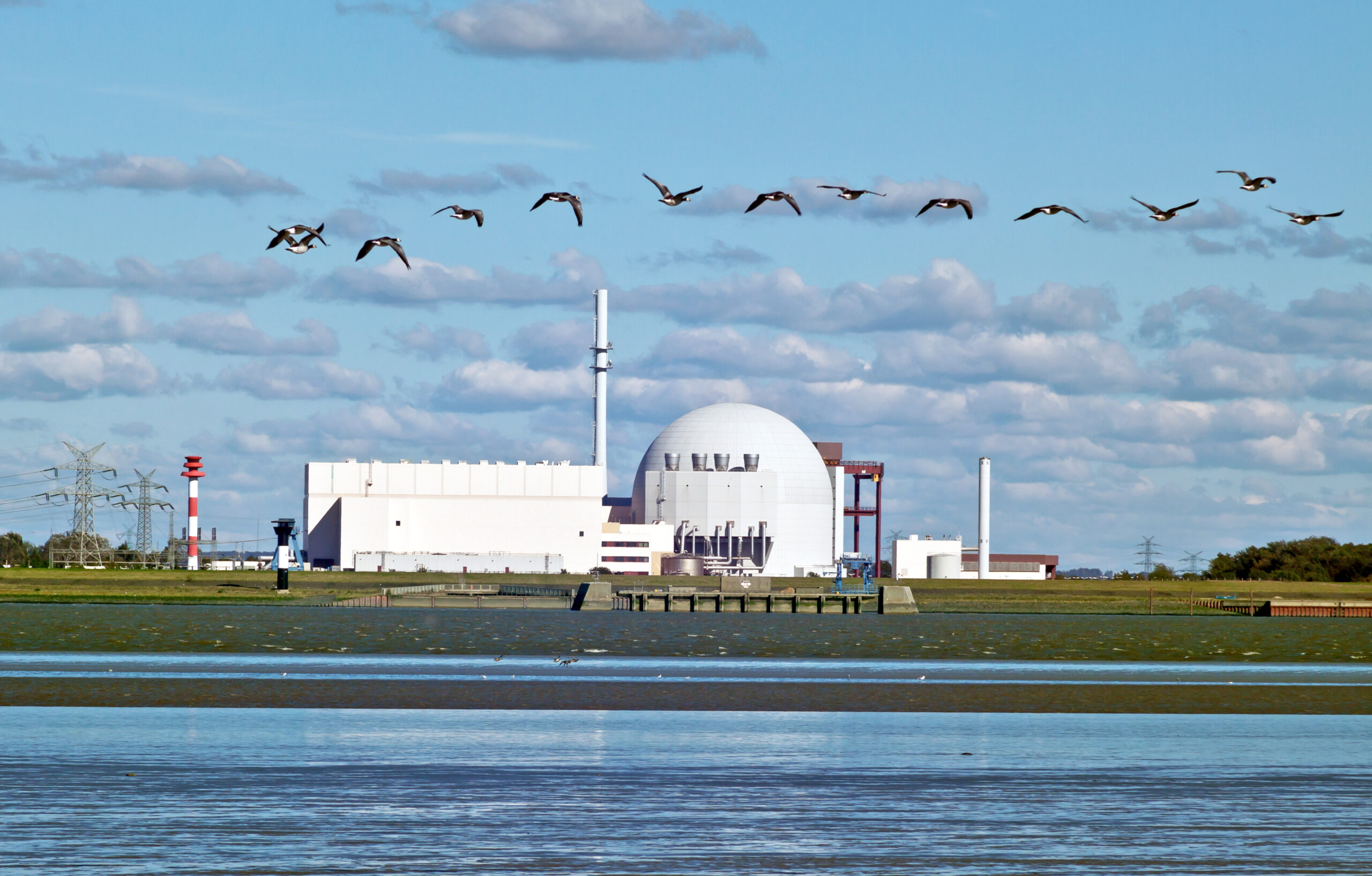
Return to nuclear power possible: Study identifies five German reactors as candidates
A new study on a return to nuclear power revives a long-standing energy policy debate, set to resurface in late June 2026. It suggests that the reactivation of five German reactors—Brokdorf, Emsland, Isar 2, Neckarwestheim 2, and Grohnde—would theoretically be possible by 2031. The report estimates the potential levelized cost of electricity at around 37…
-
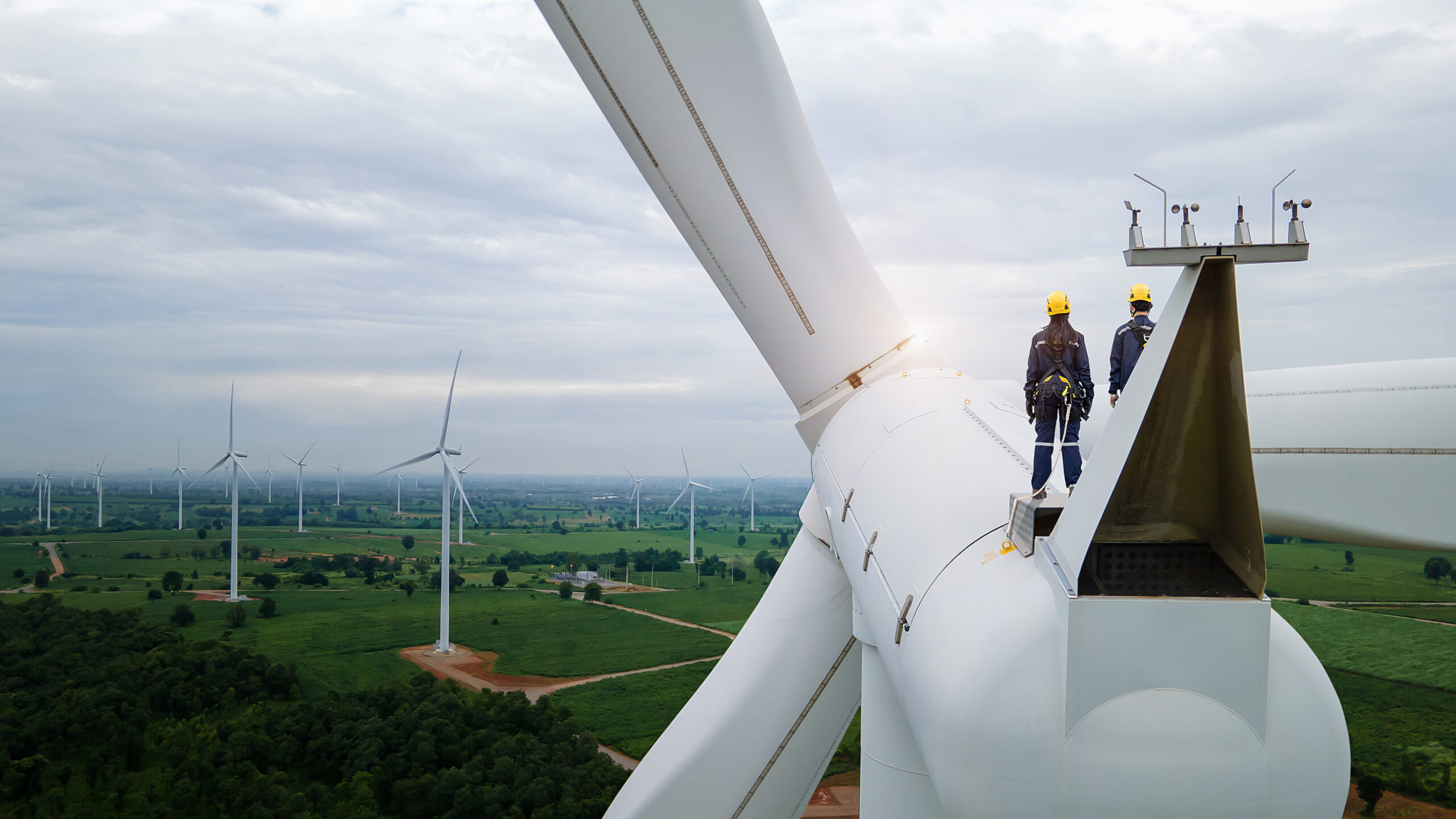
Asbestos in wind turbines: Banned components from China discovered in 1,000 UK turbines
In Great Britain, inspectors detected asbestos in wind turbines in June 2026, as brake components in service lifts and hoists apparently contain Chinese-made chrysotile. According to current information, at least 1,000 turbines are affected. The substance has been banned in the United Kingdom since 1999. The focus is not on the rotor blades, but rather…
-
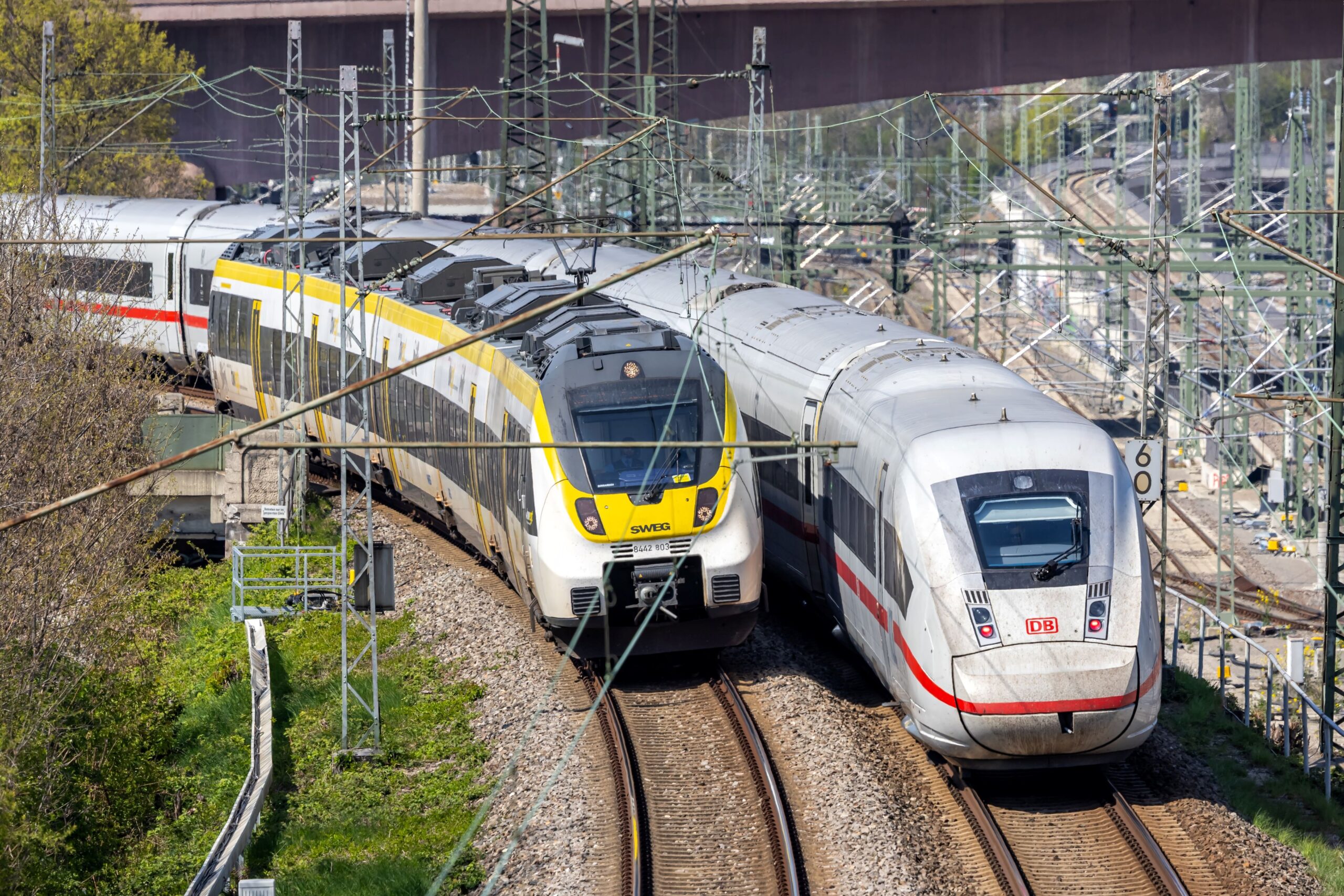
Railway radio failure puts Huawei technology in the German rail network in the spotlight
In Germany, a failure of the GSM-R digital railway radio system late on June 23, 2026, brought train traffic to a nationwide halt for approximately two hours after a software error occurred following the replacement of a switch during scheduled maintenance. Deutsche Bahn first had to rule out a cyberattack before switching to a backup…
-
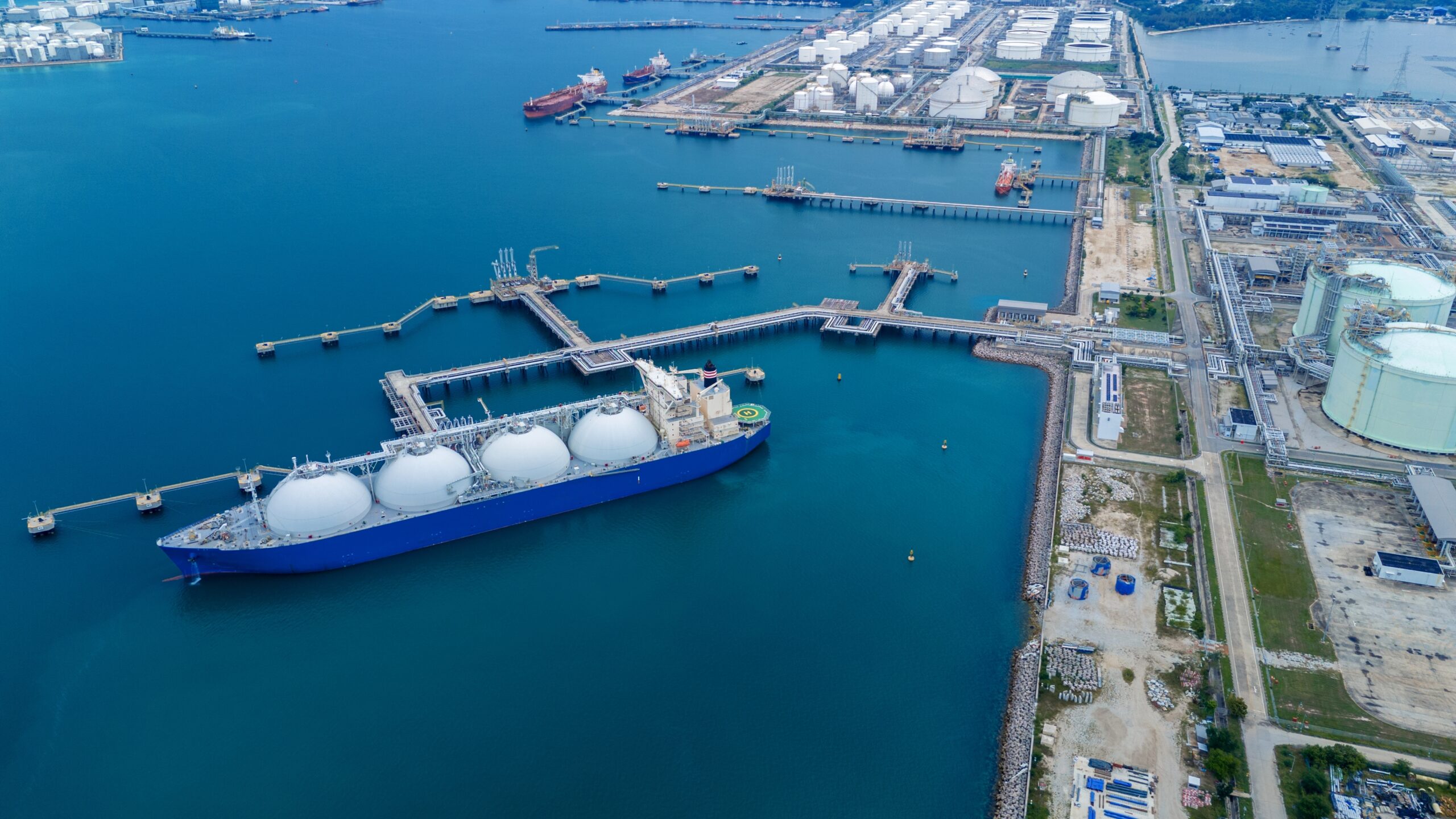
Winter reserves shrinking: Europe’s gas storage levels at risk of falling to a 15-year low
Europe will begin preparations for the 2026/27 heating season in late June 2026 with unusually low gas storage levels. Analysts anticipate a fill level of only around 76 percent by the end of the injection season, following a starting level of approximately 28 percent after the cold winter. Consequently, the winter reserve will be significantly…