
Europe will begin preparations for the 2026/27 heating season in late June 2026 with unusually low gas storage levels. Analysts anticipate a fill level of only around 76 percent by the end of the injection season, following a starting level of approximately 28 percent after the cold winter. Consequently, the winter reserve will be significantly smaller than in the years following the energy crisis. At the same time, weak incentives for LNG, geopolitical risks in the Persian Gulf, and the loss of Russian supply options are complicating the process of replenishing stocks.
Winter reserves become a test for Europe’s gas market
Gas storage levels across the EU currently average around 48 percent. This is not yet enough to ensure a secure buffer for the winter. Consequently, the focus is shifting increasingly to the summer, even though the heating season does not begin for another few months.
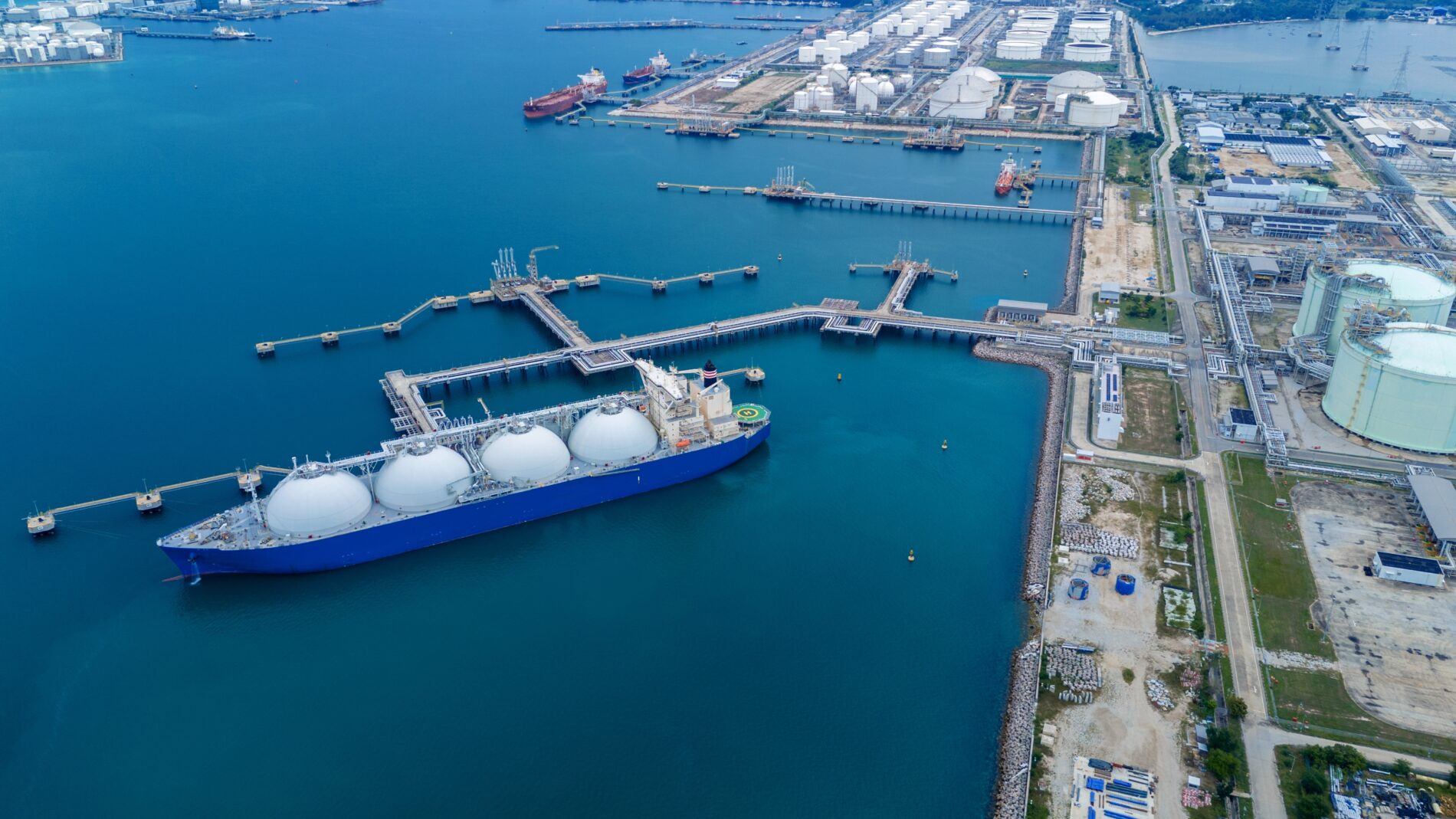
Image: Shutterstock
Storage facilities also meet a significant portion of Europe’s gas demand during winter. During cold spells, they can rapidly supply large volumes to the grid. Without this buffer, prices and industrial planning become more sensitive to freezing temperatures, periods of low wind and solar output (“Dunkelflaute”), and supply disruptions.
LNG remains scarce and expensive
However, current market signals do not encourage high levels of gas injection into storage. Gas for summer delivery is not significantly cheaper than gas for winter delivery; consequently, traders have less incentive to purchase and store large volumes early on.
Then there is the international LNG market. A significant share of the global liquefied natural gas trade normally passes through the Strait of Hormuz. Disruptions stemming from the conflict with Iran therefore affect Europe as well, even though the continent is not located directly on the Persian Gulf.
Europe’s winter reserves hinge on a few key factors
The situation is further complicated by Qatar. The emirate is one of the world’s most important LNG suppliers. If exports are delayed or tankers are forced to take longer routes, flexible cargo shipments are missing precisely where Europe needs them for refilling storage facilities.
The EU is sticking to its goal of maintaining high gas storage levels. Formally, the target is to reach 90 percent capacity before winter. However, Brussels is allowing for more flexibility so that member states are not forced to buy gas at any price. While this flexibility eases price pressure in the short term, it reduces the size of the winter reserve.
Industry Bears the Initial Costs
A disruption in supply does not automatically follow from this. Europe has LNG terminals, pipeline connections, and opportunities for conservation at its disposal. Nevertheless, the risk is rising because a cold winter depletes storage levels more rapidly while simultaneously increasing the gas demand of power plants.
Energy-intensive companies would be particularly affected. They feel the impact of higher wholesale prices sooner than many households do. Moreover, they often plan their operations months in advance. If gas prices remain high, production is either postponed or shifts to regions with lower energy costs.
For consumers, the impact usually becomes apparent later, as many tariffs react with a time lag. However, higher procurement costs eventually reach households as well. Consequently, Europe’s gas supply remains not only a matter of storage levels but also a question of competitiveness.
Author: Blackout News
Sources: Financial Times (29.06.26) – Reuters (23.06.26) – Reuters (17.06.26) – S&P Global (16.06.26)