
Berlin, late June 2026: Initial application data reveals that the federal government’s new electric vehicle subsidy is reaching households in the lowest income bracket with striking frequency. Around half of the more than 60,000 applications originate from this group, which also includes numerous requests for vehicles from Tesla, BMW, Mercedes, and even Porsche. Consequently, criticism is mounting, as a program intended for lower incomes is effectively using taxpayer money to subsidize expensive new cars.
EV subsidies without a strict price cap
The federal government is allocating three billion euros from the Climate and Transformation Fund for the program. The subsidy is intended to facilitate the purchase or leasing of new electric cars and, above all, to provide financial relief for low- and middle-income households. Federal Minister Carsten Schneider viewed the launch positively, stating: “So, the tiered system based on income is working.”
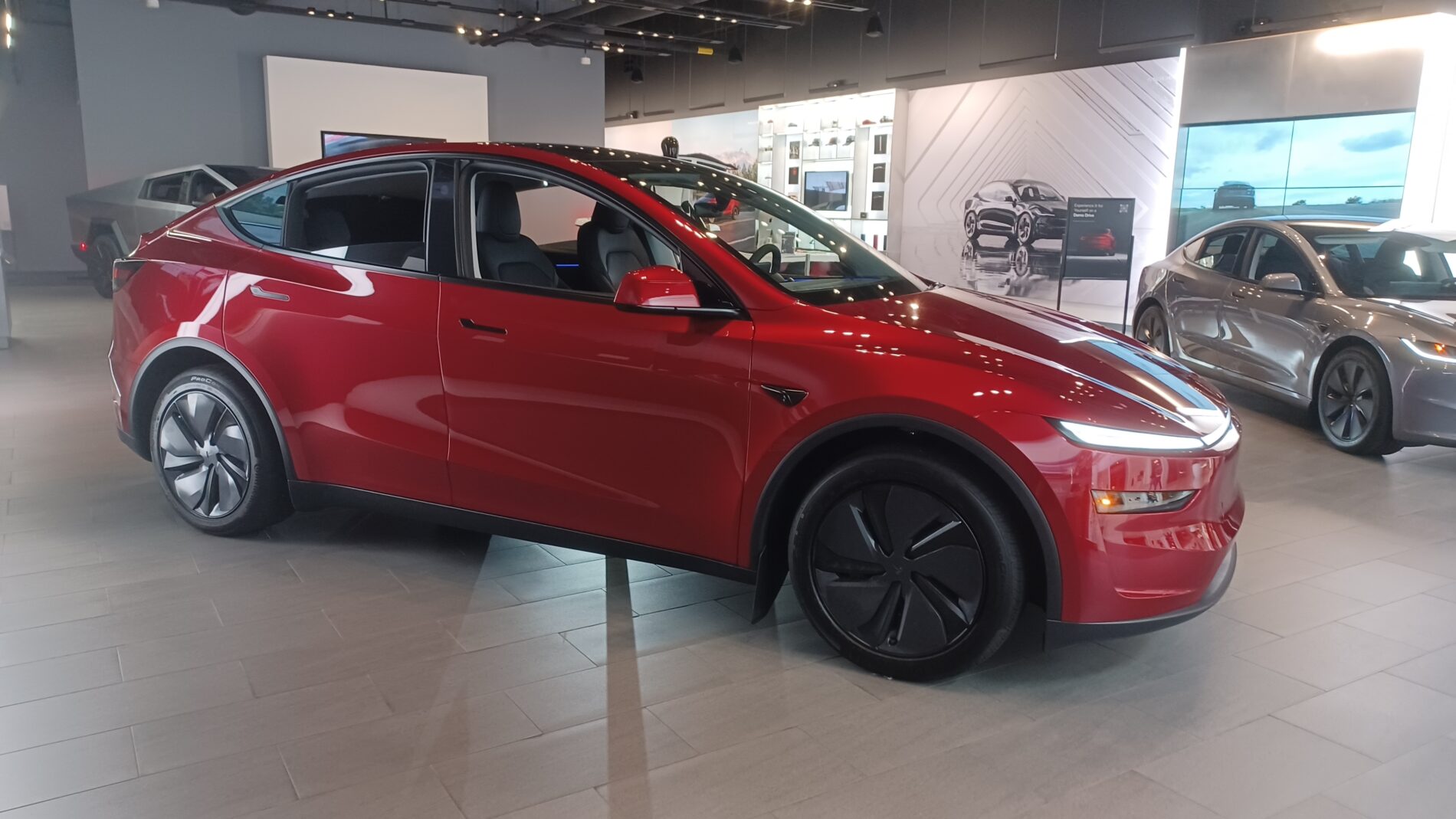
Image: Shutterstock
However, the pattern of applications aligns only partially with the rationale behind this subsidy. In the lowest income bracket, taxable household income is capped at €45,000 per year. At the same time, many applicants in this group are aged 65 or older, and more than two-thirds do not list any children relevant to the subsidy criteria.
High-priced models hardly fit the subsidy’s intent
The program’s fundamental flaw, however, lies in its design. The subsidy amount depends on income, vehicle type, and the number of children, yet there is no clear cap on the list price. Precisely for this reason, the electric vehicle subsidy can be claimed for cars that far exceed typical family budgets.
For fully electric vehicles, the base subsidy is €3,000. It increases by €1,000 for incomes below €60,000, with an additional bonus for incomes below €45,000. Consequently, a subsidy of up to €6,000 is possible for households with two children, even though the vehicle’s price may be significantly higher.
Porsche applications reveal the system’s loophole
The brands represented in the lowest income bracket are particularly striking. Tesla accounts for several thousand applications in this category, while BMW and Mercedes also see significant numbers of applicants from this group. Reportedly, even dozens of applications for Porsches have come from households with a taxable income of no more than €45,000.
In Germany, the entry-level electric Porsche Macan starts at €81,200. The BMW i4 also costs significantly more than a typical small car, and even the Tesla Model 3 is hardly a standard entry-level vehicle for households with limited disposable income. Thus, the application data reflects not only social policy but also the limitations of a subsidy scheme that does not include an asset test.
Taxpayers Bear the Risk
The Federal Office for Economic Affairs and Export Control (BAFA) handles the application process digitally. Applicants must verify their identity via BundID, and key required documents include tax assessments and vehicle registration papers. While this makes it difficult to simply provide false information, it does not prevent applicants from structuring their finances—regarding assets, household composition, or low retirement income—to qualify.
Furthermore, submitting an application does not guarantee approval. The Ministry of the Environment points to the review process conducted by BAFA and notes that few applications have been approved so far. Nevertheless, the electric vehicle subsidy scheme already highlights a problem: income alone reveals little about whether someone actually needs state aid to purchase an expensive electric car.
Author: Blackout News
Sources: Nius (30.06.36) – Welt (19.06.26) – Mein Auto (Stand: 29.06.26) – Bundesumweltministerium (Stand: 29.06.26) – Steuertipps (02.06.26)