
In Germany, a failure of the GSM-R digital railway radio system late on June 23, 2026, brought train traffic to a nationwide halt for approximately two hours after a software error occurred following the replacement of a switch during scheduled maintenance. Deutsche Bahn first had to rule out a cyberattack before switching to a backup system. Consequently, thousands of travelers were stranded on trains and at stations. The standstill also affected freight transport. Although Huawei is not currently considered the cause, the use of Chinese technology in the safety-critical railway network is once again coming under scrutiny.
Railway radio system with Huawei components becomes a political flashpoint
However, the dispute is not just about the specific glitch. According to figures from the German government dating back to 2023, around 40 percent of the components in Deutsche Bahn’s access network come from Huawei. This means Chinese technology is embedded in a system that Germany relies on daily for safe rail operations.
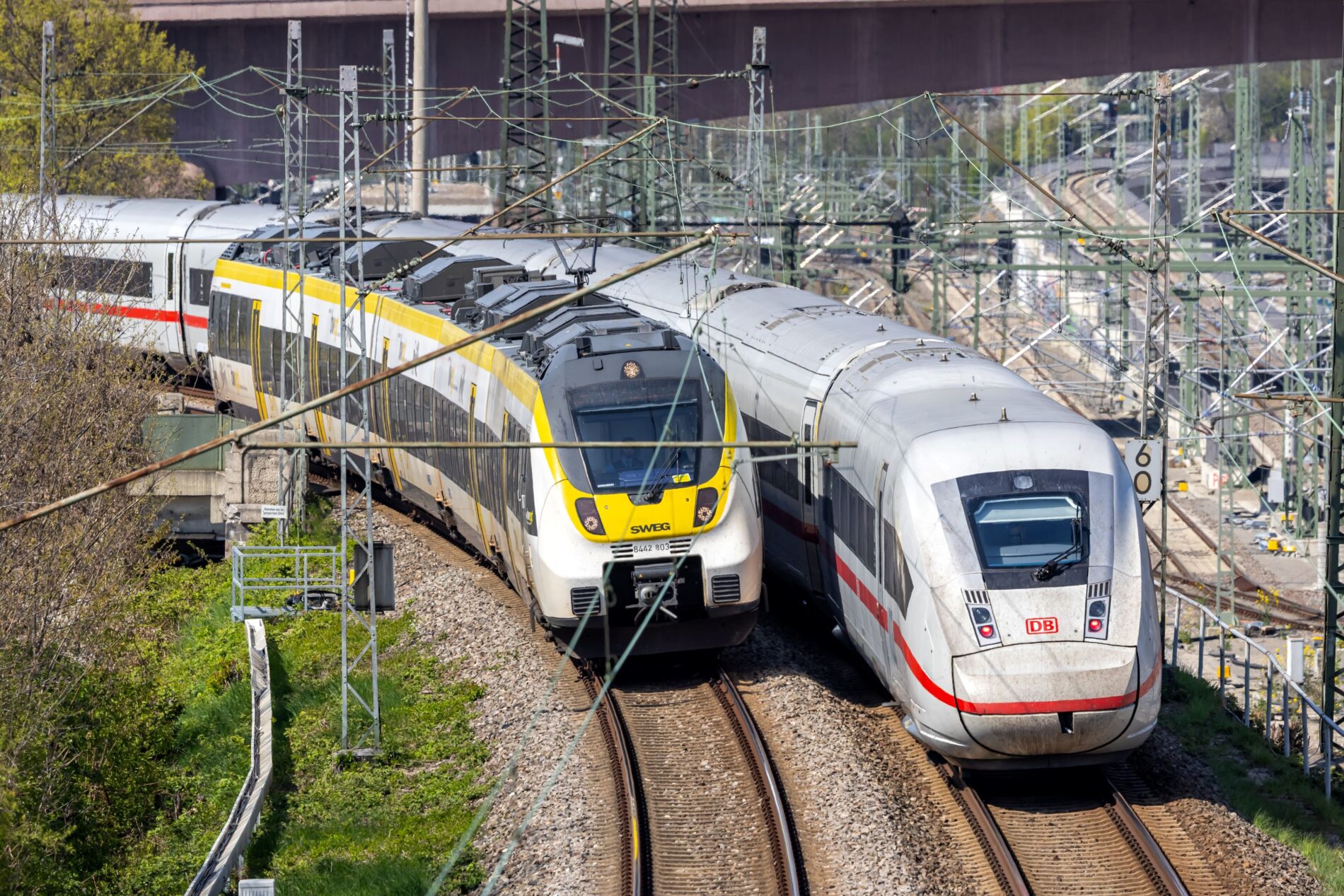
Image: Shutterstock
CDU security policy expert Roderich Kiesewetter is therefore calling for a clear ban. He considers “a ban on the installation and integration of components from any Chinese manufacturer into critical and security-relevant infrastructure to be long overdue.” He also points to the obligation of Chinese companies to cooperate with the state.
GSM-R remains indispensable for railway operations
However, GSM-R is no ordinary communication network. Train drivers and control centers use it to communicate during operations. Furthermore, emergency calls, warnings, and operational instructions are transmitted via this system. If this radio link fails, a vital safety connection for ongoing rail traffic is immediately lost.
Consequently, the railway cannot simply allow trains to continue running. Without a stable connection, operational risk rises immediately. Moreover, GSM-R is technically based on older 2G technology. Nevertheless, the system will remain in use for years to come until its successor, FRMCS, becomes widely available.
Contracts extend to 2033
Huawei’s involvement, however, stems from earlier modernization contracts. In July 2015, Deutsche Bahn awarded contracts for the replacement of up to 3,330 base stations—essentially the radio masts located along the tracks. The contracts were awarded to Nokia and a consortium comprising Huawei and Siemens, among others.
The agreements also covered maintenance and repair services through 2033, meaning the dependency extends well beyond the initial replacement phase. While Germany has excluded Huawei and ZTE from critical parts of the public 5G network, the railway network remained unaffected by this regulation.
NATO logistics heighten security concerns
Konstantin von Notz of the Green Party also sees a need for action. He criticizes the fact that the railway continues to use components from nations capable of spying on and sabotaging critical infrastructure. The federal government and the railway operator should have heeded these warnings. The recent outage now provides fresh fuel for this security debate.
Kiesewetter also points to the military dimension. Germany serves as a logistics hub for NATO when equipment, troops, or the wounded need to be moved across the eastern flank. A railway radio system prone to failure would have consequences extending far beyond the national level. The current incident does not prove Chinese sabotage. Nevertheless, it demonstrates the dangerous interplay between outdated technology, complex supply chains, and geopolitical dependencies.
Author: Blackout News
Sources: Reuters (254.06.26) – LOK Report (26.06.26) – Tagesschau (24.06.26) – Augsburger Allgemeine (26.06.26)