
-
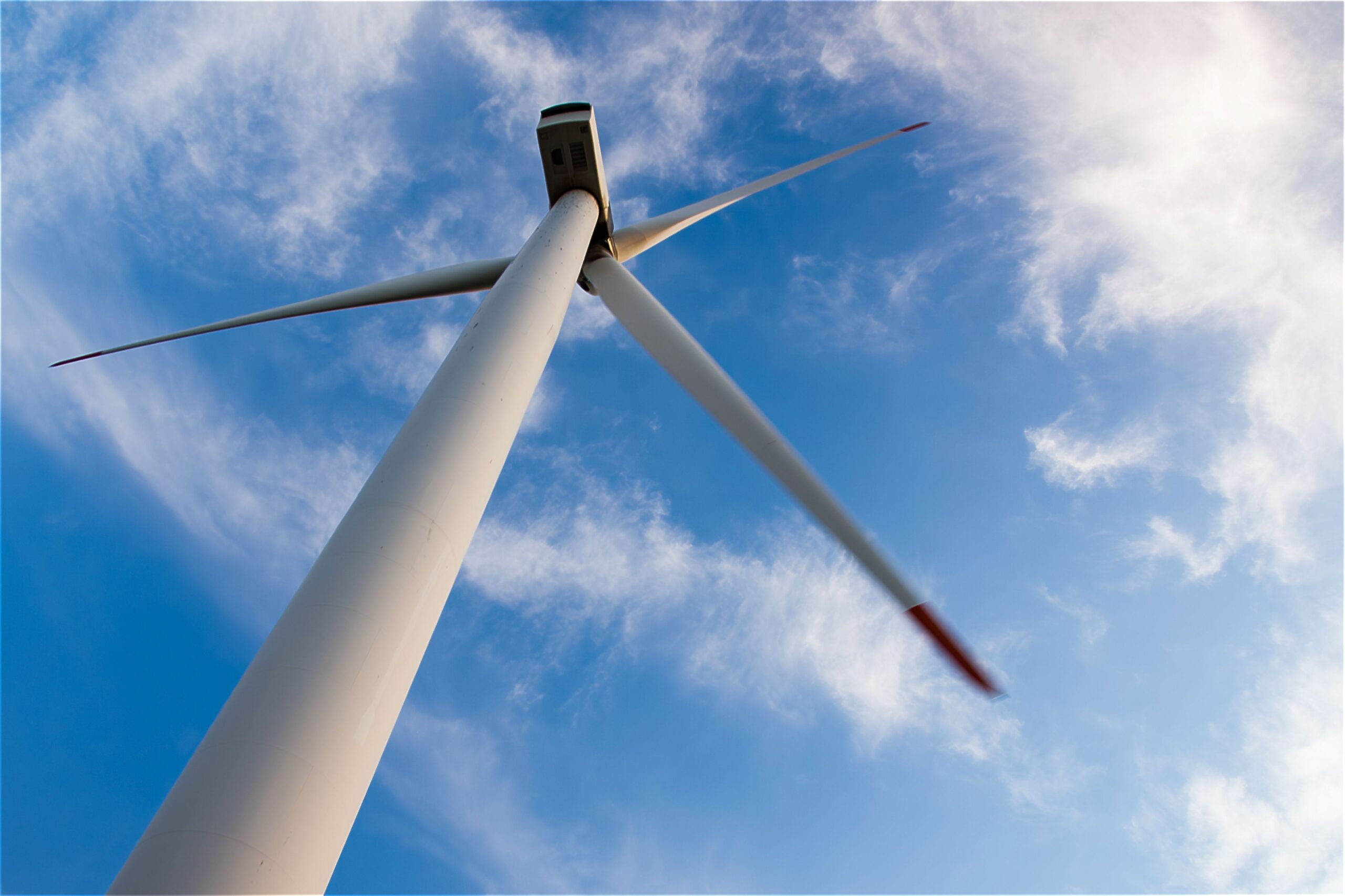
Wind turbine noise in Leckmart: Defects confirmed, acceptance measurement missing
Leckmart – In mid-July 2026, the districts of Hochsauerlandkreis and Olpe confirmed the presence of impermissible noise emissions at the Herrscheid wind farm. Technical faults there repeatedly caused turbine noise characterized by thumping, braking, and humming sounds. However, local residents report clearly hearing the four turbines even during normal operation. An independent acceptance measurement is…
-
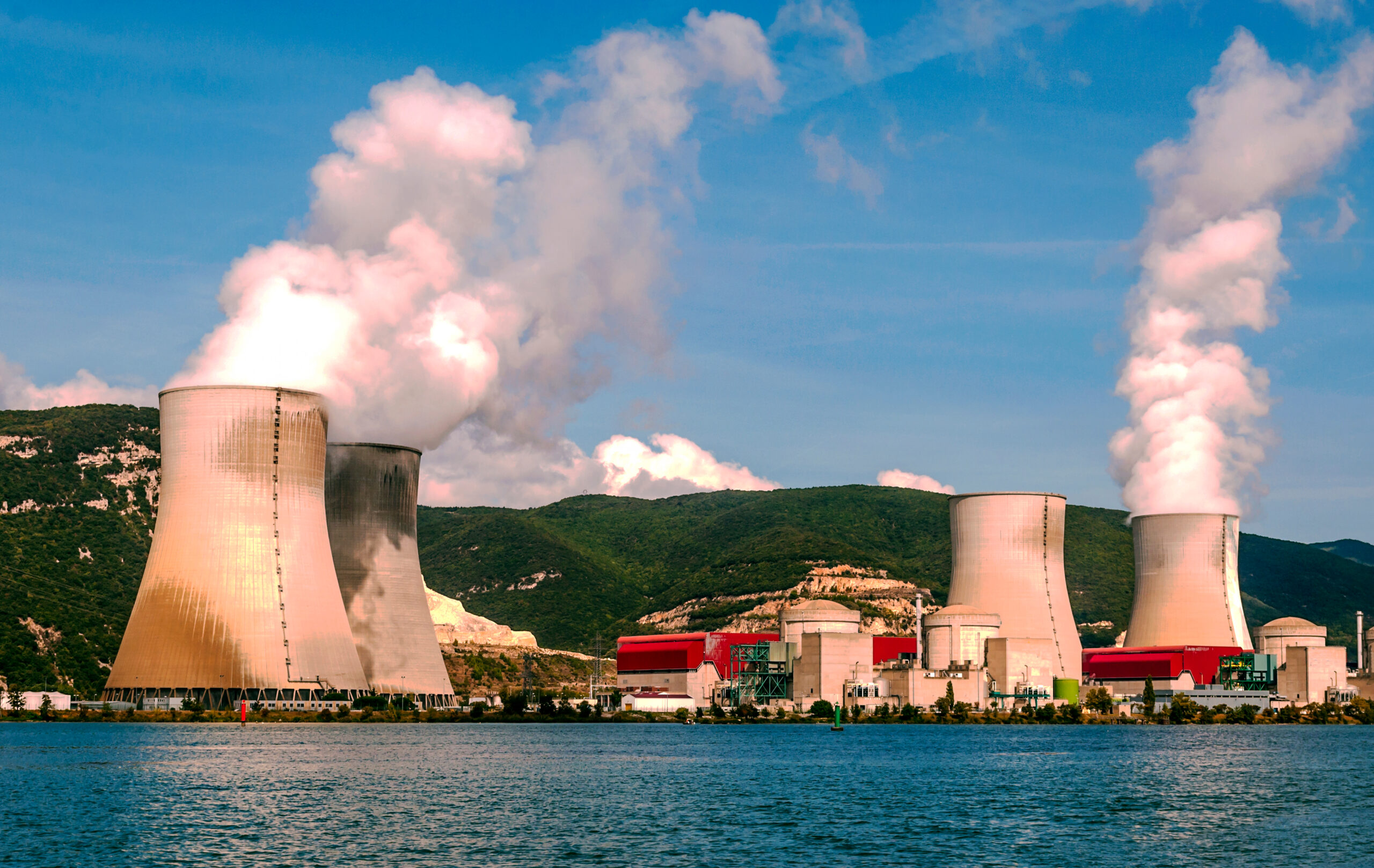
The myth of French nuclear power plants shutting down due to the heatwave
Germany and France experienced a pronounced period of low wind and solar output—a “dunkelflaute”—from June 16 to July 1, 2026. However, German media portrayed French nuclear power plants primarily as a weak point of nuclear energy. EDF temporarily reduced output by 4.1 gigawatts due to warm river water. Meanwhile, France’s own electricity supply remained secure,…
-
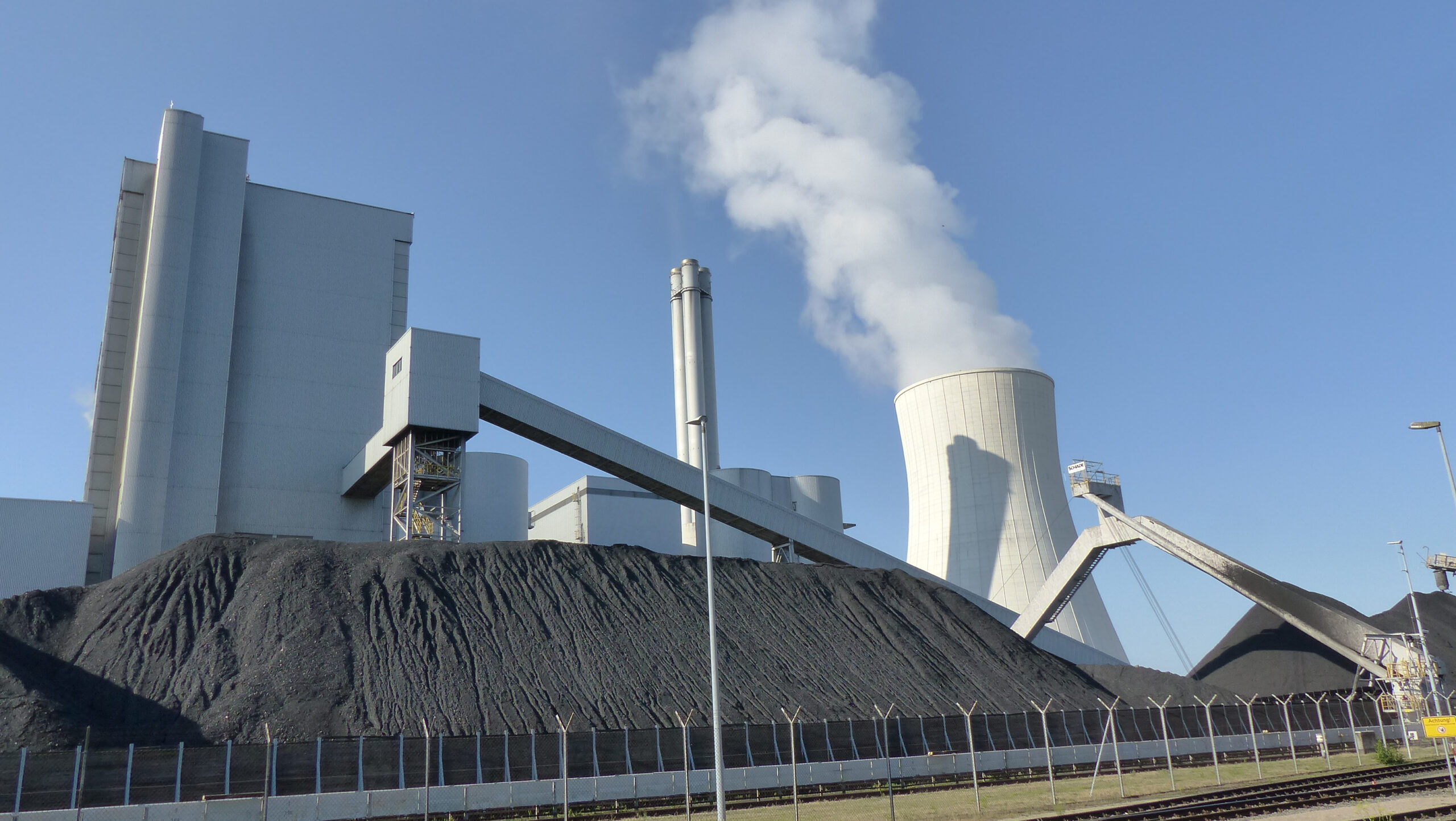
Halt Power Plant Shutdowns: Professors Call for a Change of Course on Wind and Solar
Two professors specializing in the energy sector are calling for a moratorium on the further expansion of wind and solar power. At the same time, they demand a halt to further power plant shutdowns until grids, storage facilities, and dispatchable replacement capacity are actually in place. They warn of higher system costs, increasing dependence on…
-

Automatic speed limiter: EU proposal could see new cars automatically slow down in the future
In July 2026, Brussels will discuss an automatic speed-limiting system for future new cars. The move is prompted by high accident rates and frequent speeding violations across Europe. The technology could integrate satellite navigation, digital maps, mobile connectivity, and traffic-sign recognition cameras; the vehicle would automatically reduce power when entering a lower-speed zone. However, erroneous…
-
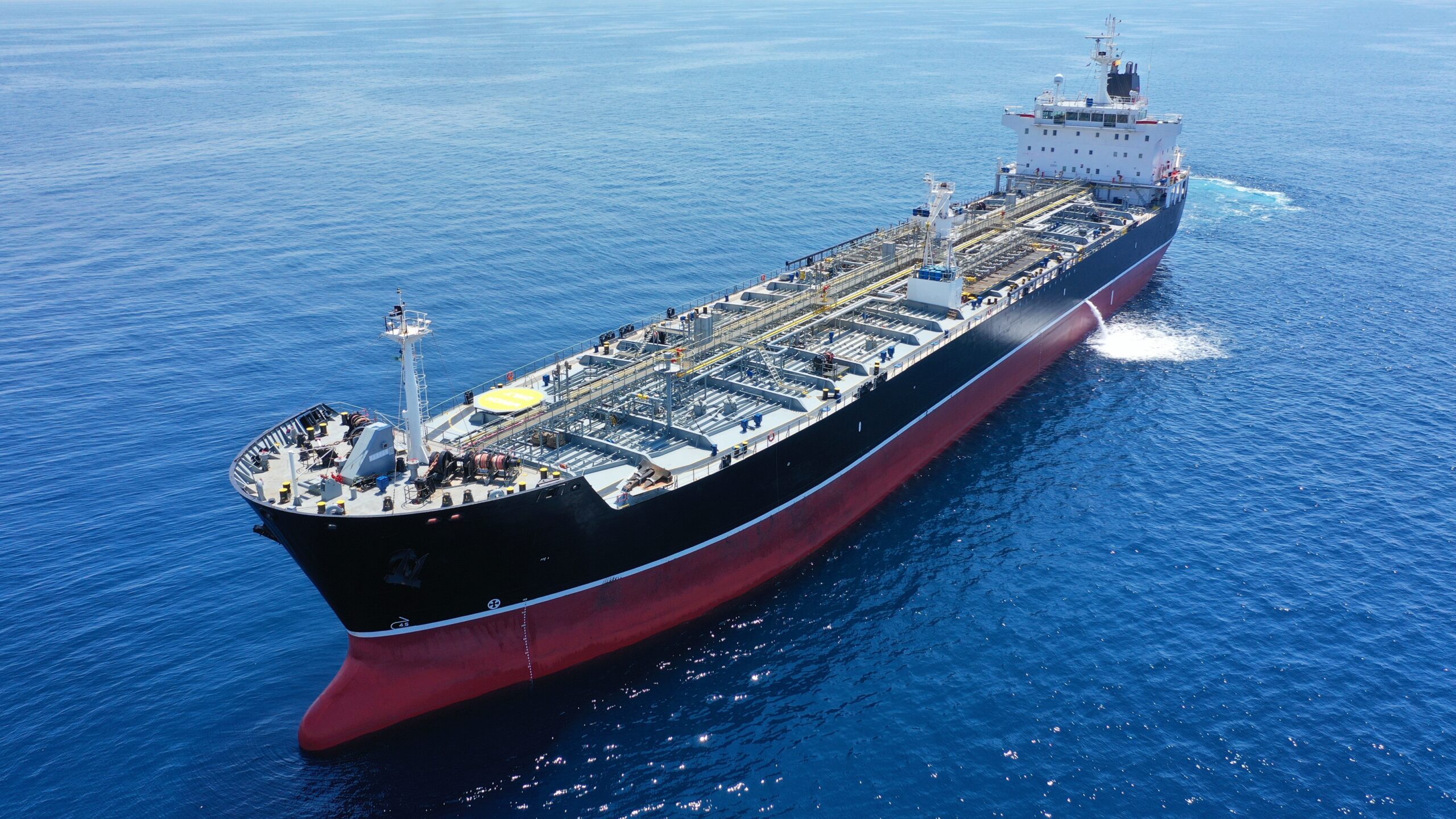
Hormuz crisis: Asian refineries buy at least 8 million barrels of US oil
According to traders, refineries in Asia purchased at least eight million barrels of US oil in mid-July. Buyers are located in South Korea, Japan, and Thailand. Meanwhile, renewed hostilities between the US and Iran are slowing traffic through the Strait of Hormuz. Recently, only three cargo ships passed through the strait; large crude oil tankers…
-
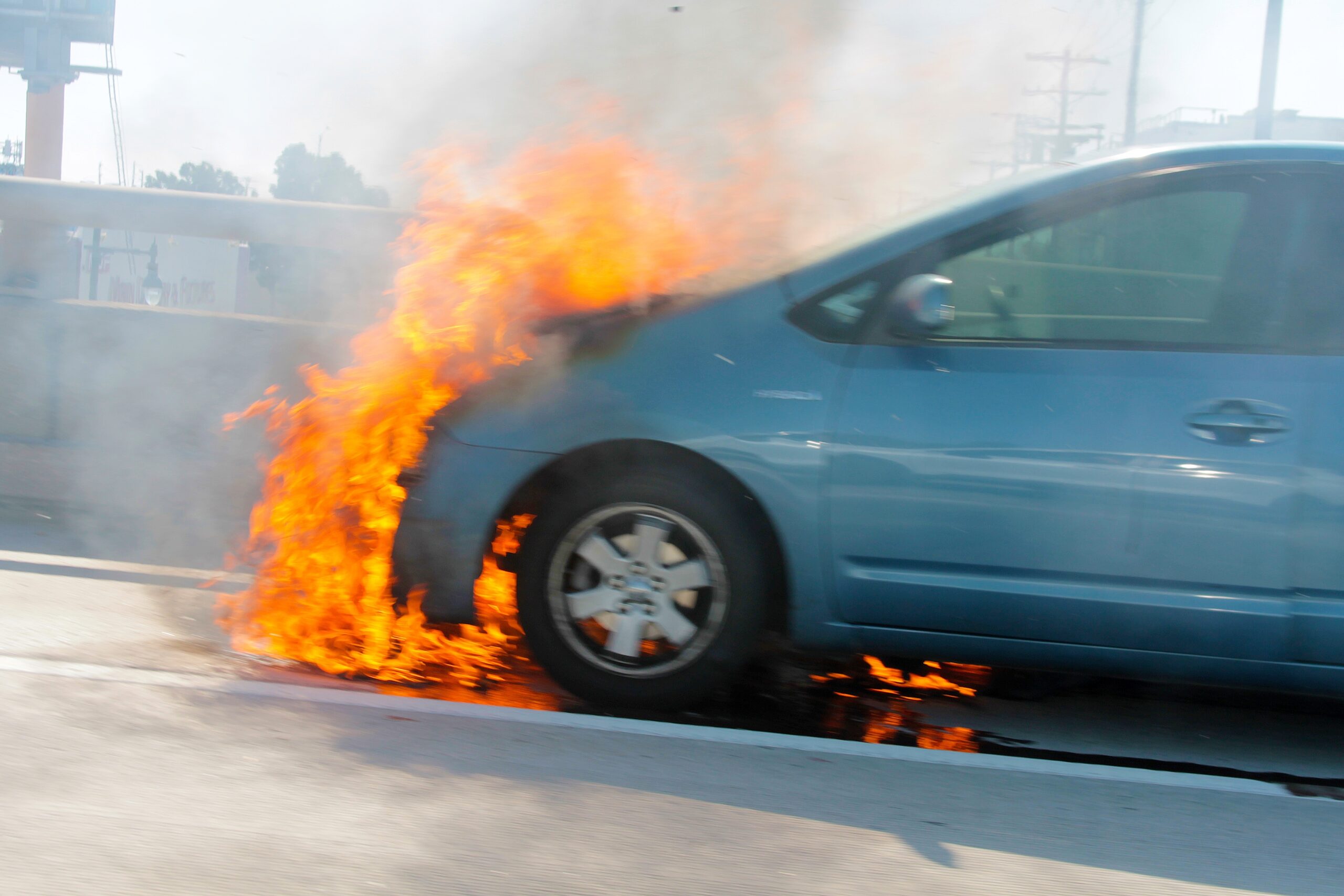
China bans burning EV batteries – new models must not catch fire following cell defects
As of July 1, 2026, China is requiring fundamental safety certification for electric vehicle batteries. New electric cars and plug-in hybrids will only be approved if their battery systems do not catch fire or explode following a cell failure. The mandatory test triggers thermal runaway in a single cell and monitors the battery pack for…
-

Shipowners bet on rising oil consumption: Over 600 new oil tankers ordered
Shipowners worldwide have already ordered 261 new oil tankers in the first half of 2026—more than in the entire previous year. In total, there are over 600 vessels in order books, compared to just 80 at the end of 2023. Disruptions in the Strait of Hormuz and high charter rates are driving this ordering boom.…
-

Criticism from associations and the opposition despite the softening of energy laws
Despite adjustments to energy laws proposed by the Federal Ministry of Economics, industry associations and the opposition view the energy transition as being at risk. Over the weekend, the German Solar Association warned of job losses and a slump in investment, while the German Renewable Energy Federation (BEE) noted “significant overall deterioration” for the renewable…
-
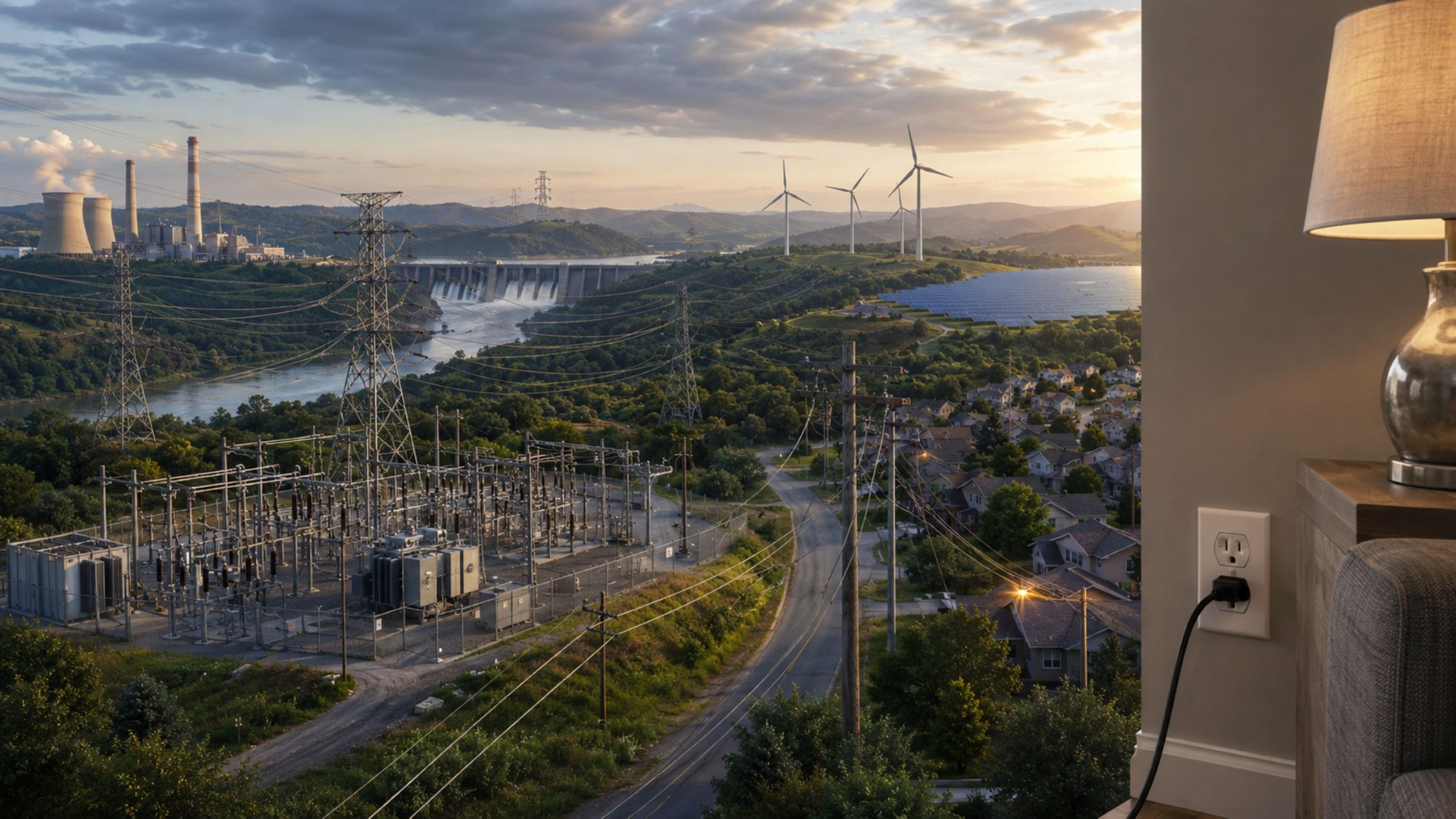
From generation to the household: How electricity reaches the power outlet
How does electricity reach the wall outlet? A technically complex, interconnected European system lies between the power plant, wind turbine, or solar panel and the consumer. Generators and converters produce grid-compatible three-phase current, while transformers adjust the voltage for transmission and distribution. Grid operators also maintain frequency and voltage within strict limits. This overview describes…
-
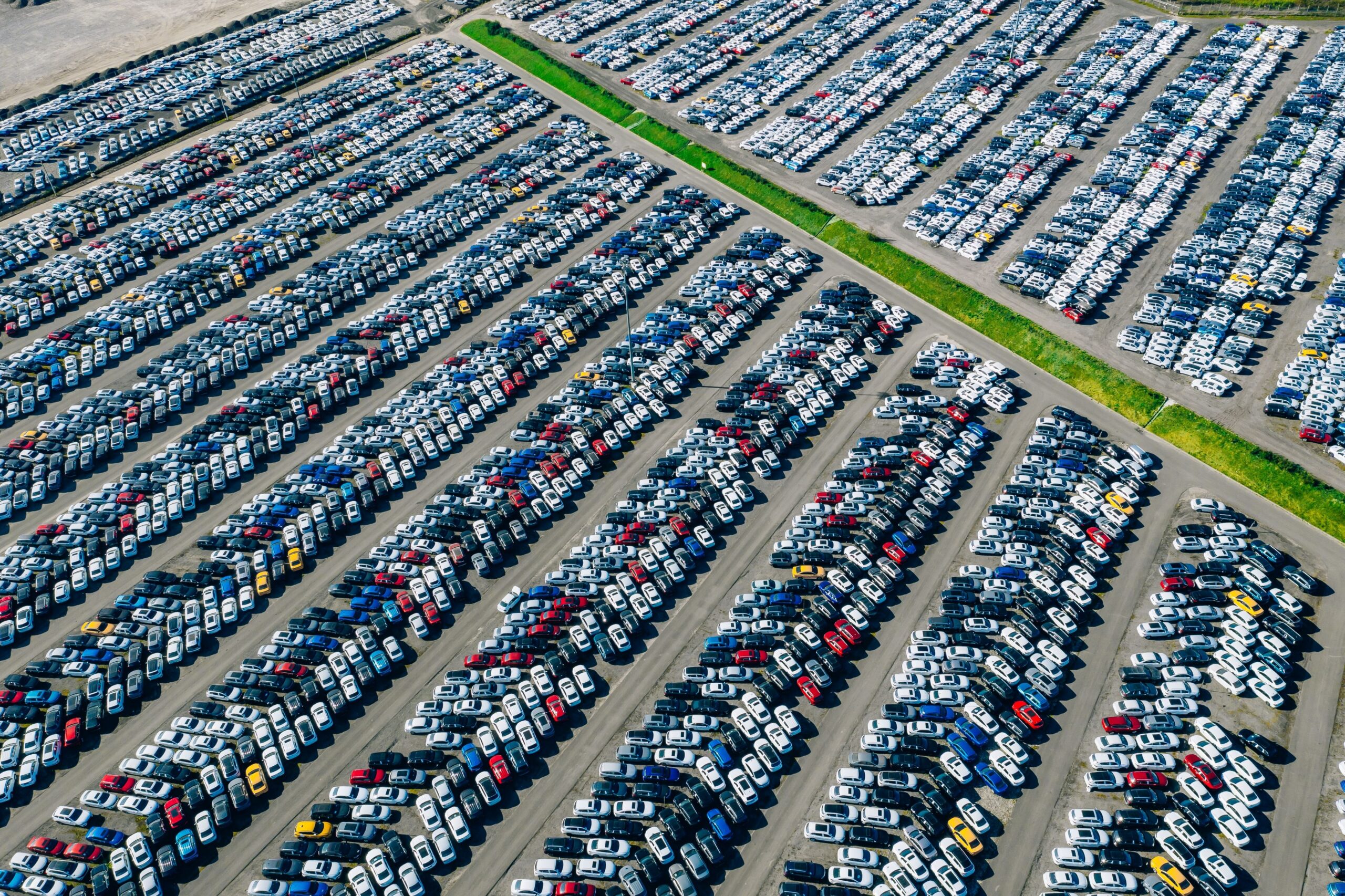
Exodus of the automotive industry: Germany is losing models, production capacity, and suppliers
The exodus of the automotive industry from Germany is accelerating in 2026. Manufacturers and suppliers are shifting the production of models, engines, and components abroad, while German plants are losing capacity, cutting jobs, or closing down entirely. Affected sectors include internal combustion engine vehicles, hybrids, and electric cars, as well as key components. High costs,…
-

Capital-based pension – Why the state should not be entrusted with a multi-billion fund
A commentary by our author Klaus Bastian Berlin plans to introduce a mandatory funded pension component within the statutory pension insurance system starting in 2028. To this end, employers and employees are to pay two additional percentage points in contributions on a phased basis. A public fund is intended to invest these contributions centrally, with…
-
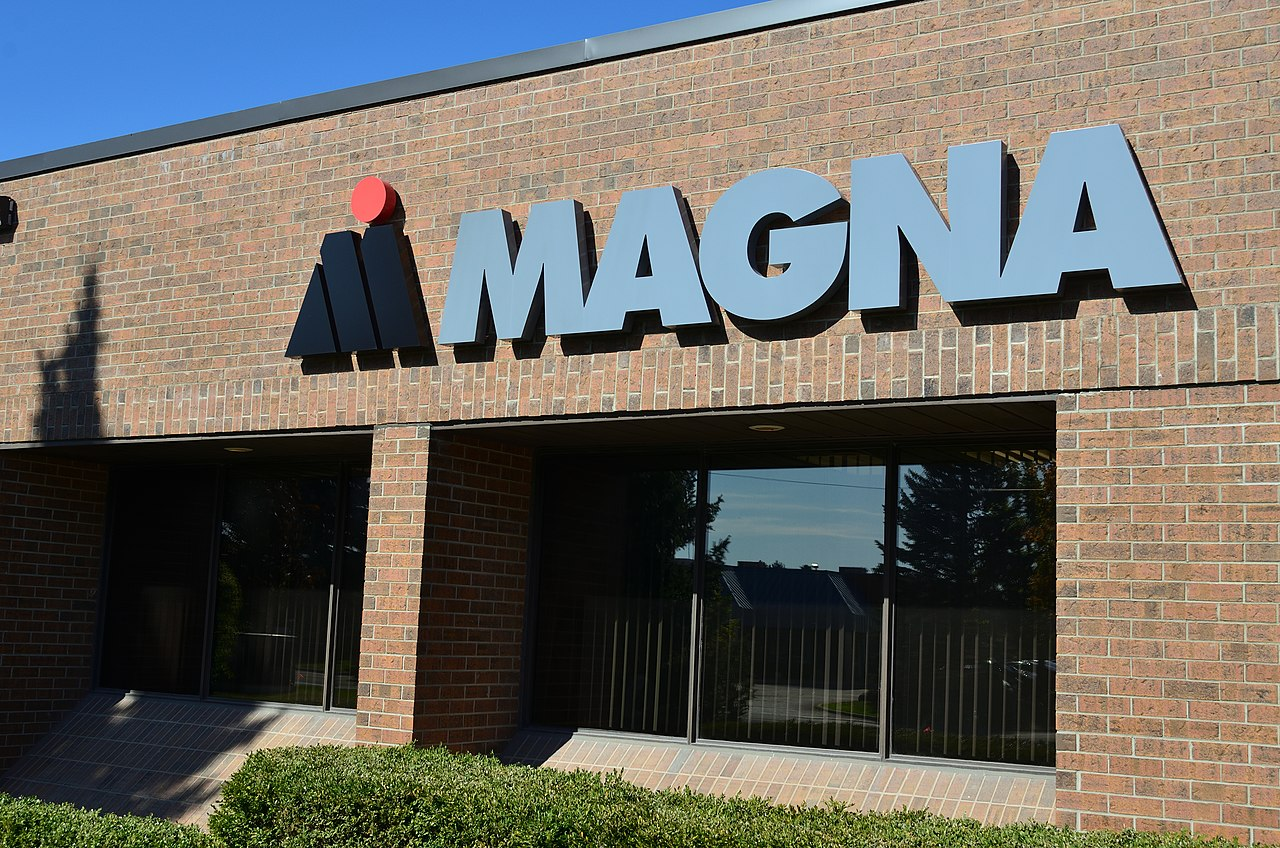
Magna closes plant in Dorfprozelten despite site commitment – 216 jobs lost
Automotive supplier Magna plans to close its plant in Dorfprozelten (Lower Franconia) in mid-2027. Plant management informed the 216 employees of the decision in mid-July 2026. The facility manufactures exterior and rearview mirrors, but the corporation no longer sees a viable economic future for it. The company cites negative market and business trends—persisting despite investments…
-
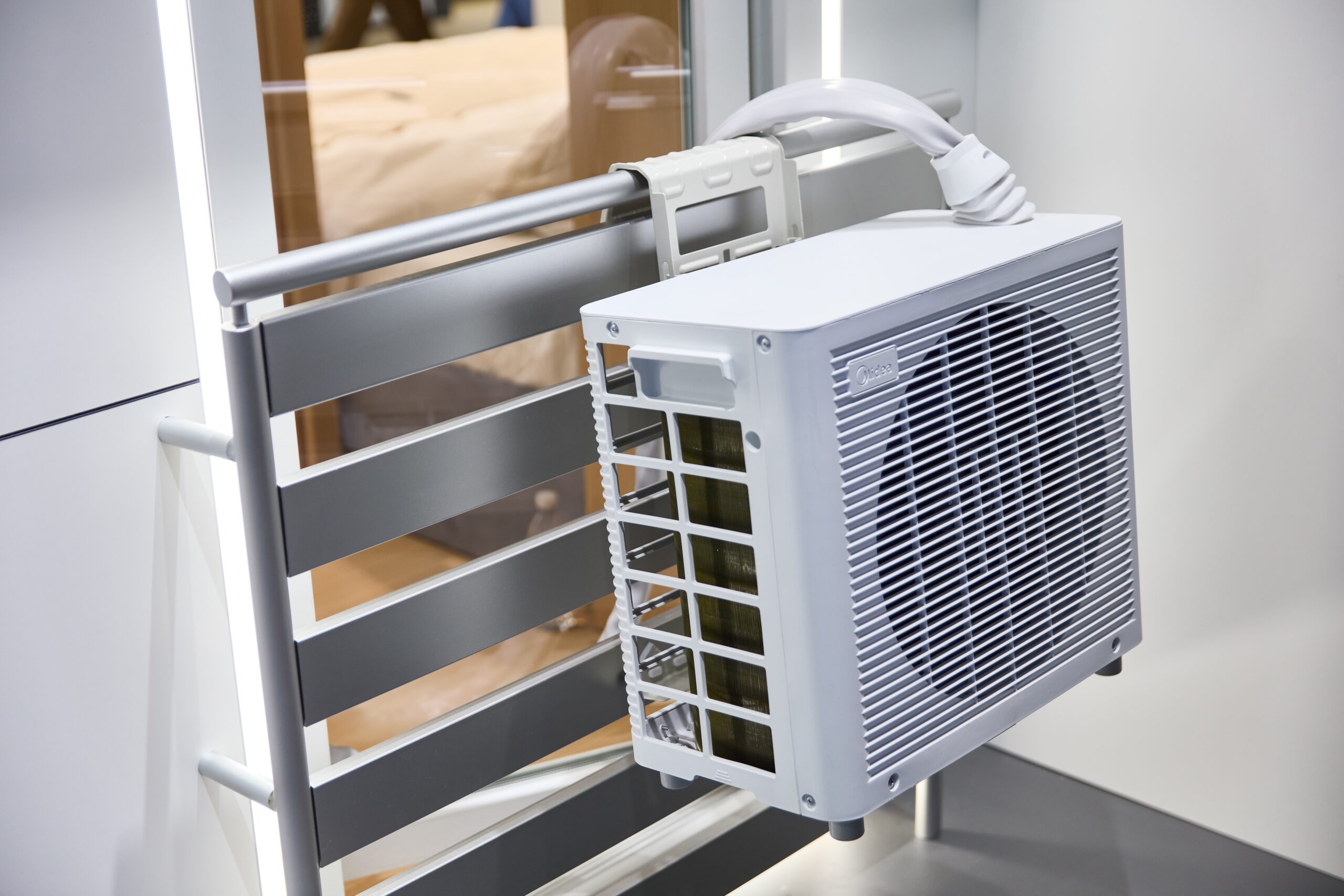
Federal Court of Justice: Apartment owners allowed to install air conditioning units on balconies
Apartment owners can generally request that the homeowners’ association allow them to install a split air conditioning unit with an outdoor unit on the balcony. The prerequisite for this is that the rights of the other owners are not excessively impaired, as the Federal Court of Justice (BGH) in Karlsruhe decided on Friday. The fact…
-
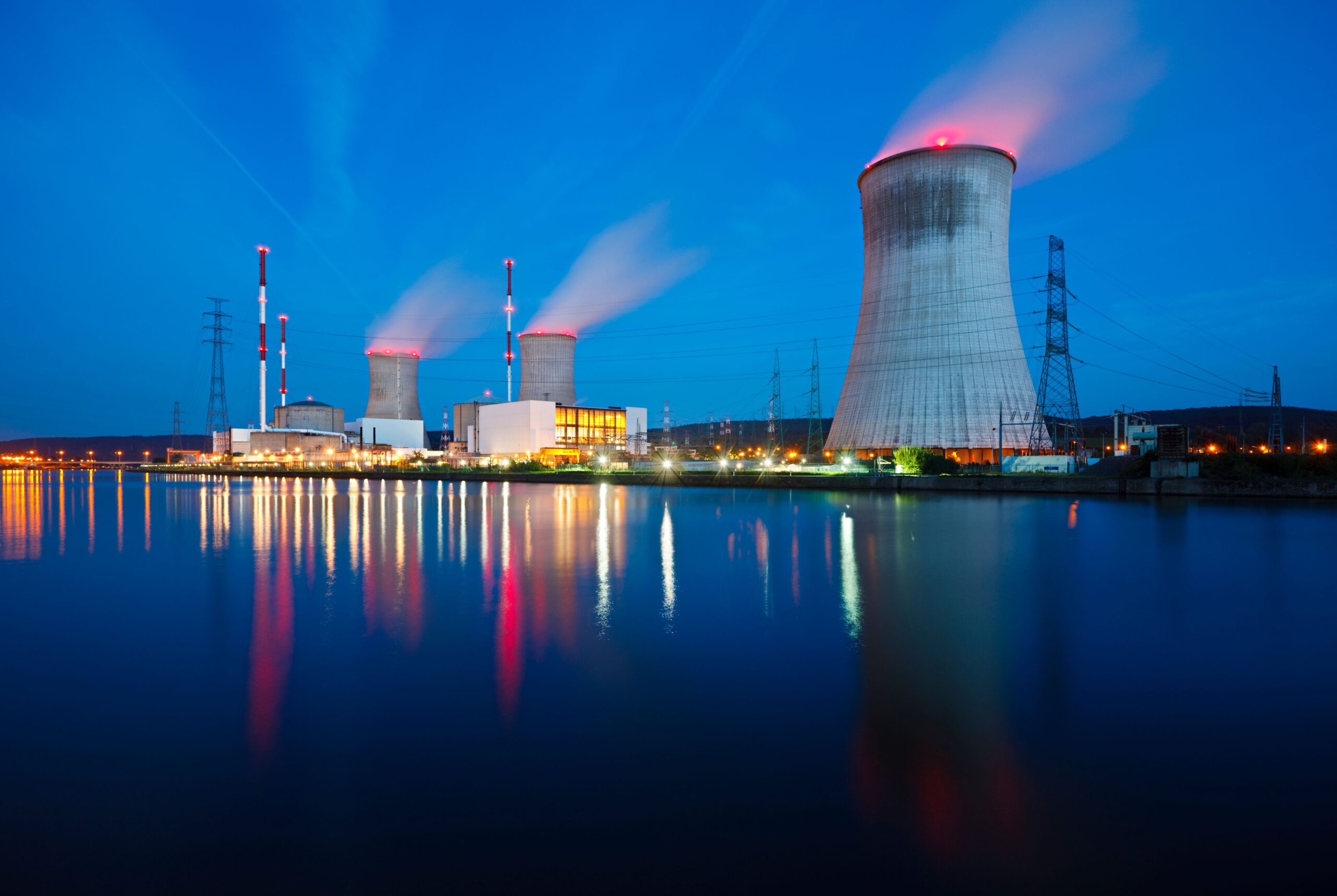
Nuclear Power Renaissance: China Builds Faster – Europe Struggles with Costs and Construction Times
The nuclear power renaissance is gaining momentum worldwide in 2026, with China, South Korea, and other Asian nations leading the way in new construction. A new McKinsey analysis identifies AI data centers, electric mobility, industrial electrification, climate goals, and energy security as key drivers. The IAEA currently reports 417 reactors in operation and 77 units…
-

Domestic intelligence agency to be allowed to falsify data and sabotage instruments used in crimes
Berlin, July 2026: The Federal Ministry of the Interior is planning new operational powers for the Office for the Protection of the Constitution. The draft bill responds to terrorist plots, espionage, sabotage and foreign influence operations. The service should therefore be allowed to change data streams, feed in false information and falsify stored content. Secret…