
-
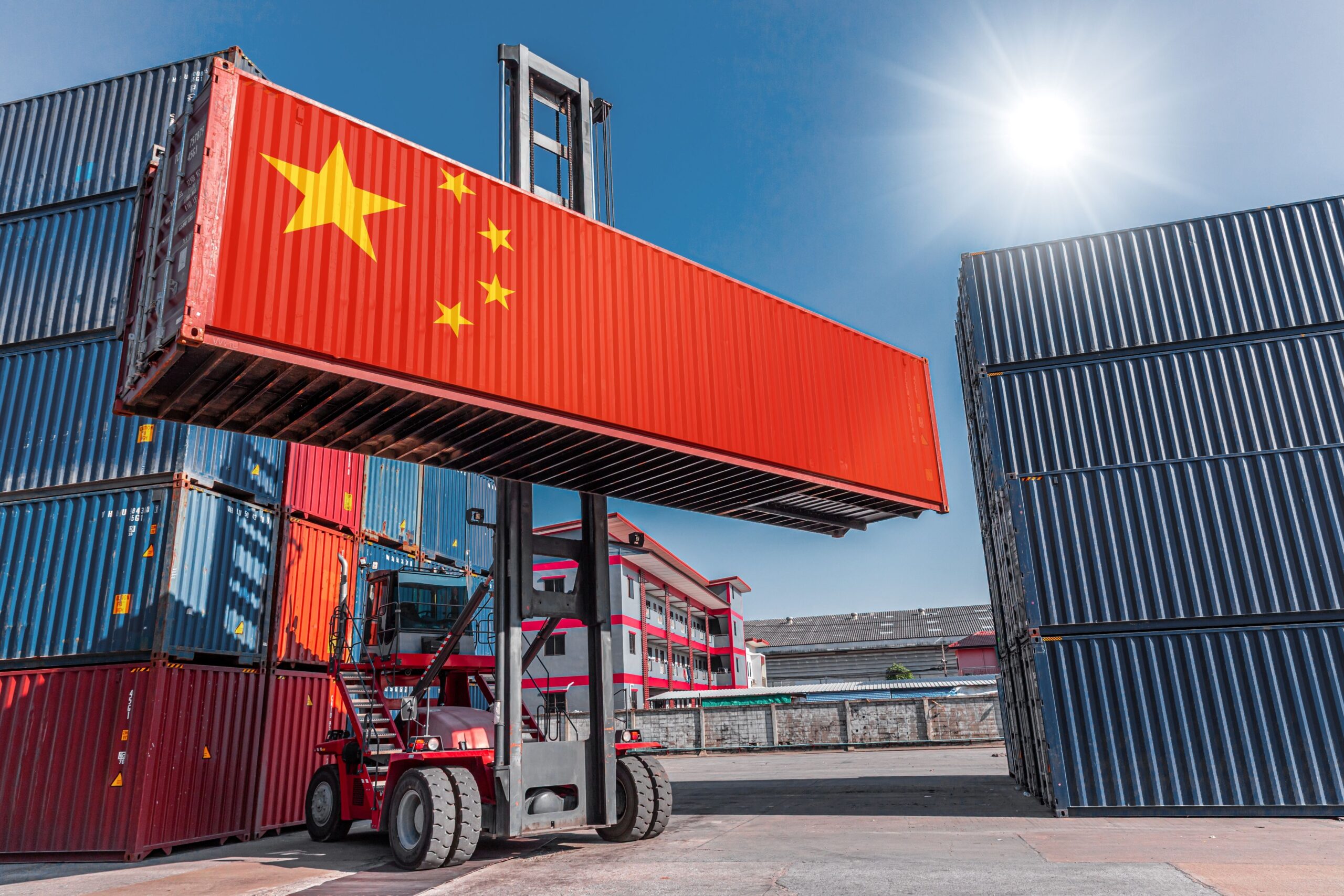
Chinese exports rise by 27 percent – Germany’s trade deficit grows
In July, Beijing reported a 27 percent increase in Chinese exports compared to June 2025; however, analysts had expected only 18.2 percent. The export boom was driven primarily by semiconductors, computer technology, and automobiles. In the case of semiconductors, however, part of the increase in value was attributable to higher prices rather than larger volumes.…
-

Energy transition costs: Federal government pays €17.2 billion to curb electricity prices
Berlin, July 2026: The costs associated with the energy transition are claiming increasingly large sums from the federal budget. Around €17.2 billion is available in 2026 to fund support under the Renewable Energy Sources Act (EEG). An additional €6.5 billion is allocated to reduce transmission grid charges. This brings the total amount dedicated to mitigating…
-

Criticism of Economy Minister Reiche’s plans for energy legislation shows no signs of abating
Criticism of the energy policy plans put forward by Federal Economics Minister Katherina Reiche (CDU) shows no signs of abating. On Thursday, the Mechanical Engineering Industry Association (VDMA) stated that the proposal for the so-called “grid package” risked hindering the expansion of wind energy. The German Solar Association (BSW) warned of a “massive slump in…
-
4.57 million employed people without a vocational qualification – 100,000 more are added each year
Berlin – A new Bertelsmann study reveals a growing skills gap in the German labor market. In 2025, there were approximately 4.57 million workers aged 25 to 64 in Germany without a vocational qualification. This represents an increase of 810,000 since 2017—an average rise of about 100,000 per year. AI and economic weakness are particularly…
-
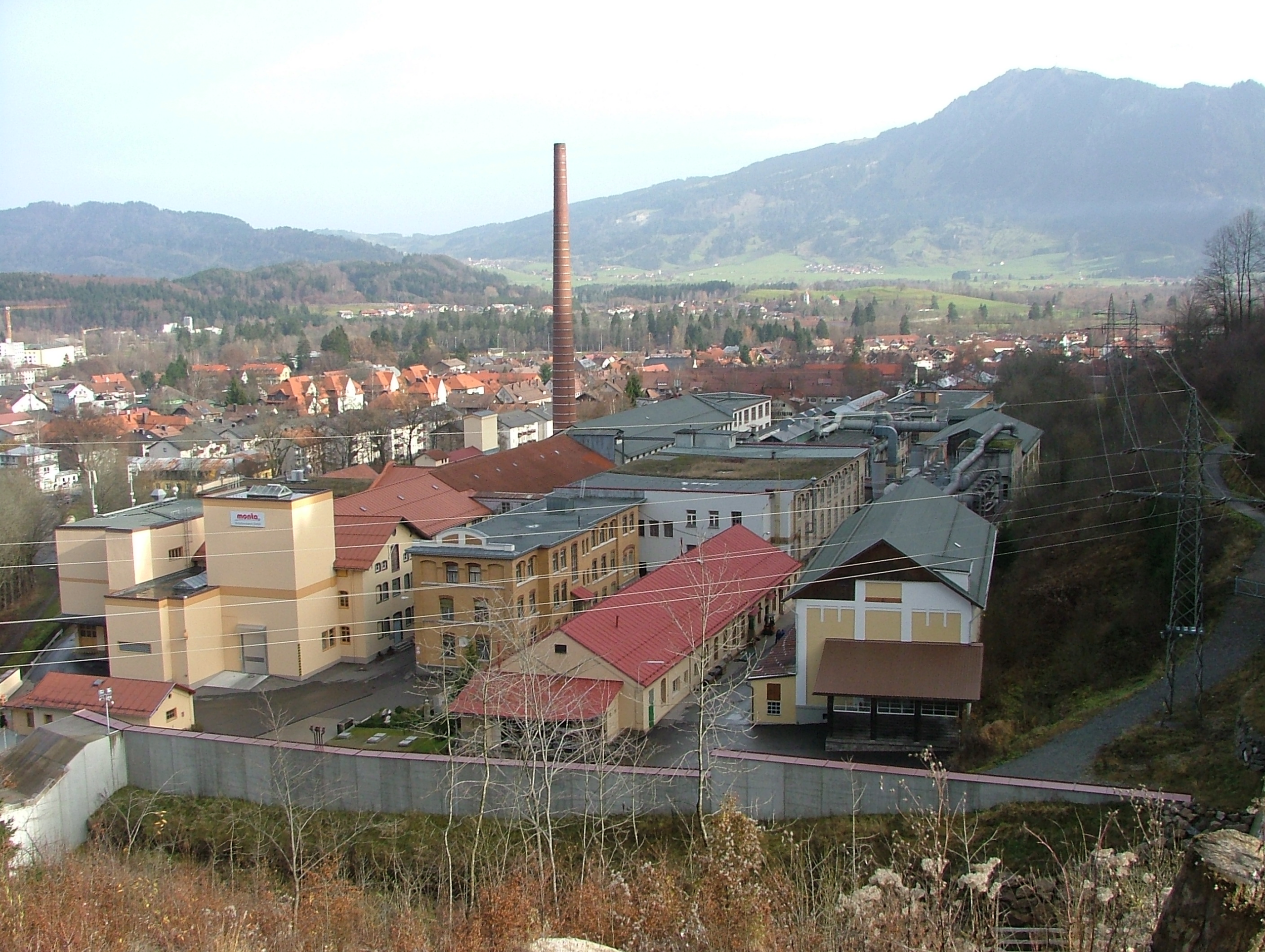
Adhesive tape manufacturer Monta files for insolvency – 150 jobs depend on investor
Immenstadt – Adhesive tape manufacturer Monta filed for insolvency proceedings under self-administration with the Kempten Local Court on July 16, 2026. The company intends to continue its ongoing restructuring and reorganize its financing. However, Monta has not cited a single specific cause. Production and the company’s foreign subsidiaries will continue to operate for the time…
-

Exclusion from the ballot: Political opponents have AfD candidates removed from the ballot
A critical commentary by our author Klaus Bastian Lower Saxony, July 2026: The exclusion of Bundestag member Martin Sichert from the ballot demonstrates how political competition can be eliminated even before a vote takes place. Despite a recommendation for approval from the local electoral authority, Reinhild Goes was initially denied clearance. Stephan Bothe, the AfD…
-
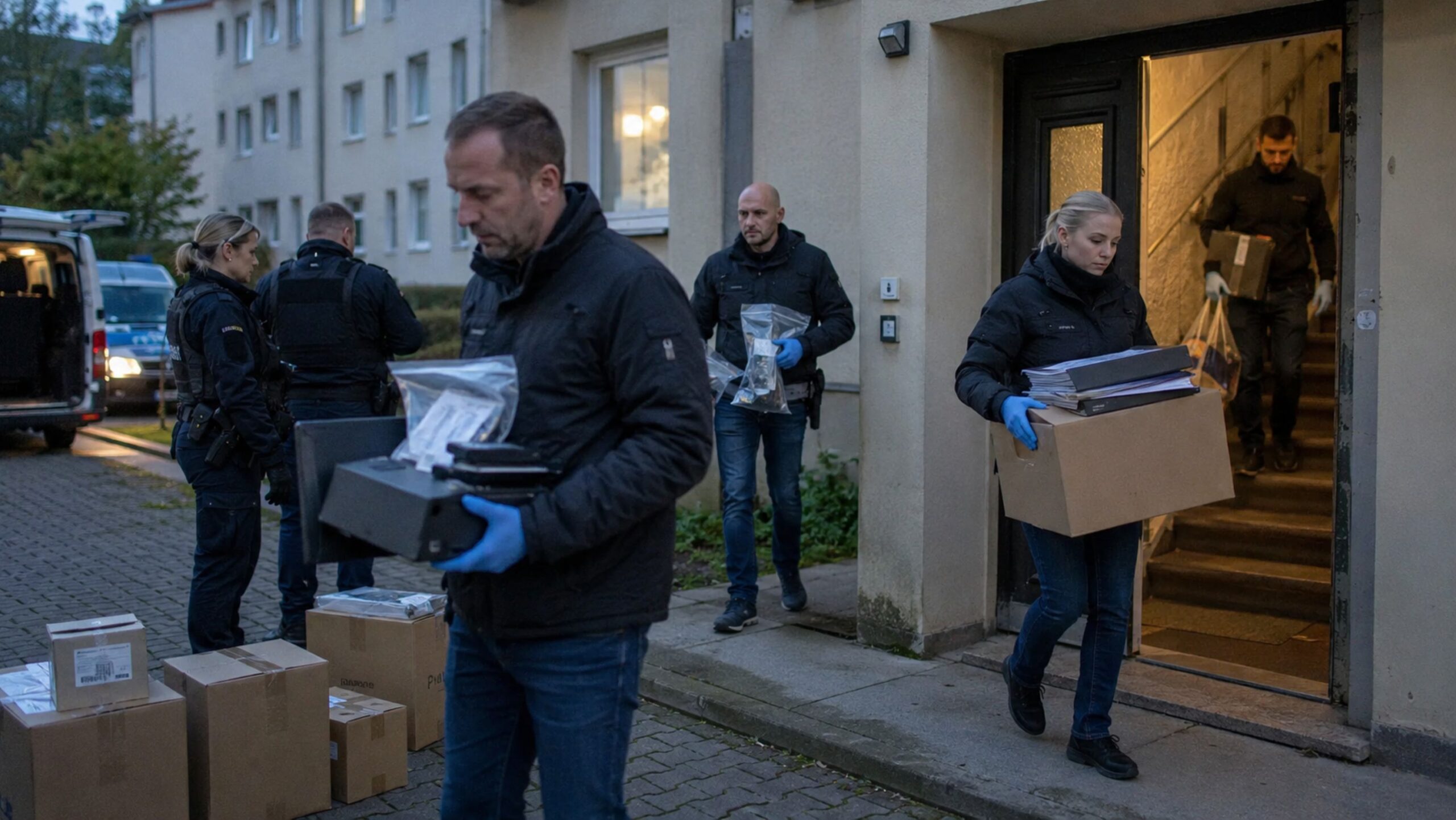
Berlin power grid attack: Federal Criminal Police Office apparently lacks access to key evidence
Berlin, July 2026: Four suspects are challenging in court the searches conducted on March 24 and the analysis of seized phones, computers, and other data storage devices. The investigation concerns the attack on the Berlin power grid on September 9, 2025, which targeted two electricity pylons in the southeast of the capital. At the time,…
-

Media: US presents agreement on developing a civil nuclear program for Saudi Arabia
According to media reports, the US government intends to present an agreement with Saudi Arabia designed to assist in the development of a civil nuclear program in the Gulf state. The New York Times reported, citing two government officials, that the contract with the Kingdom is set to be officially signed on Wednesday. The Wall…
-
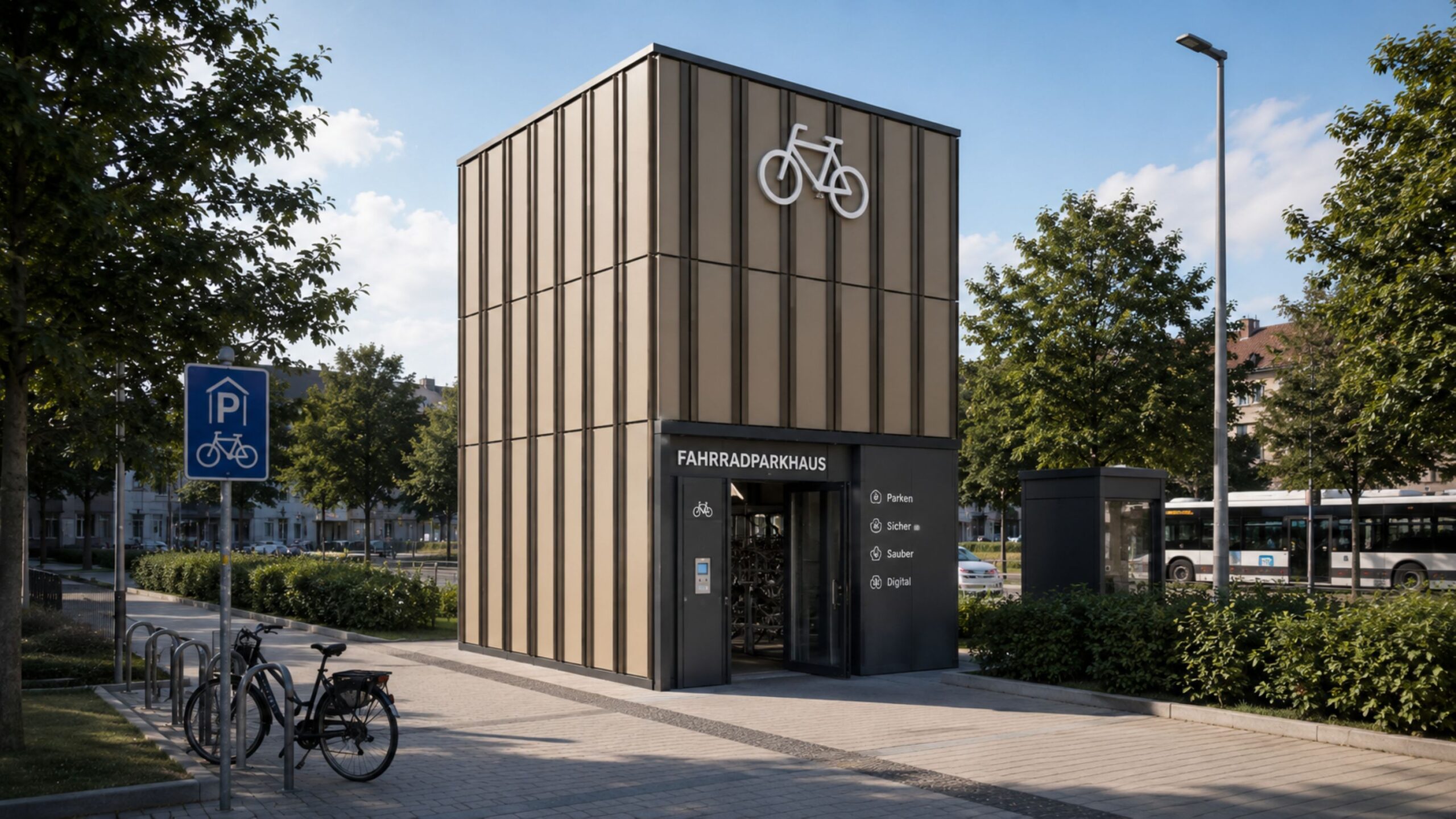
Operator of bicycle parking garage chain facing bankruptcy – millions in subsidies tied up in the facilities
The bankruptcy of the Swiss bicycle parking facility operator V-Locker AG affects several German cities. The company declared insolvency due to over-indebtedness on July 13 and filed its balance sheet with the court. Digitally controlled facilities in nine cities across Germany and Switzerland are affected. Consequently, Bonn has halted new bookings and is asking customers…
-
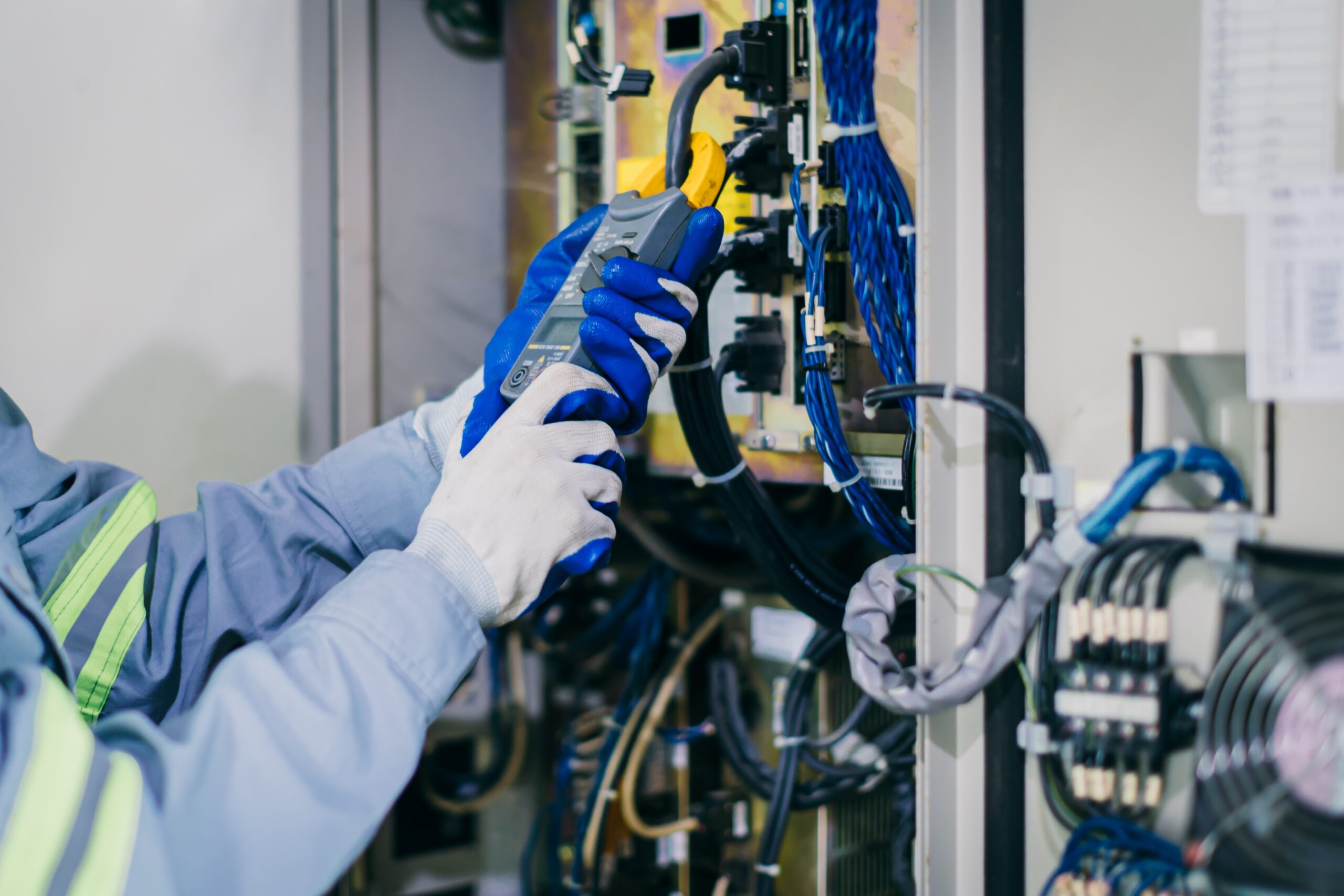
Power connections rationed: Hamburg allocates capacity for major projects
In Hamburg, power connections are being rationed for new large-scale projects requiring a capacity of more than 1.5 MVA. The new allocation process for medium- and high-voltage connections will launch in the second half of 2026. This move is driven by a sharp rise in connection requests and delays by 50Hertz in expanding grid connection…
-
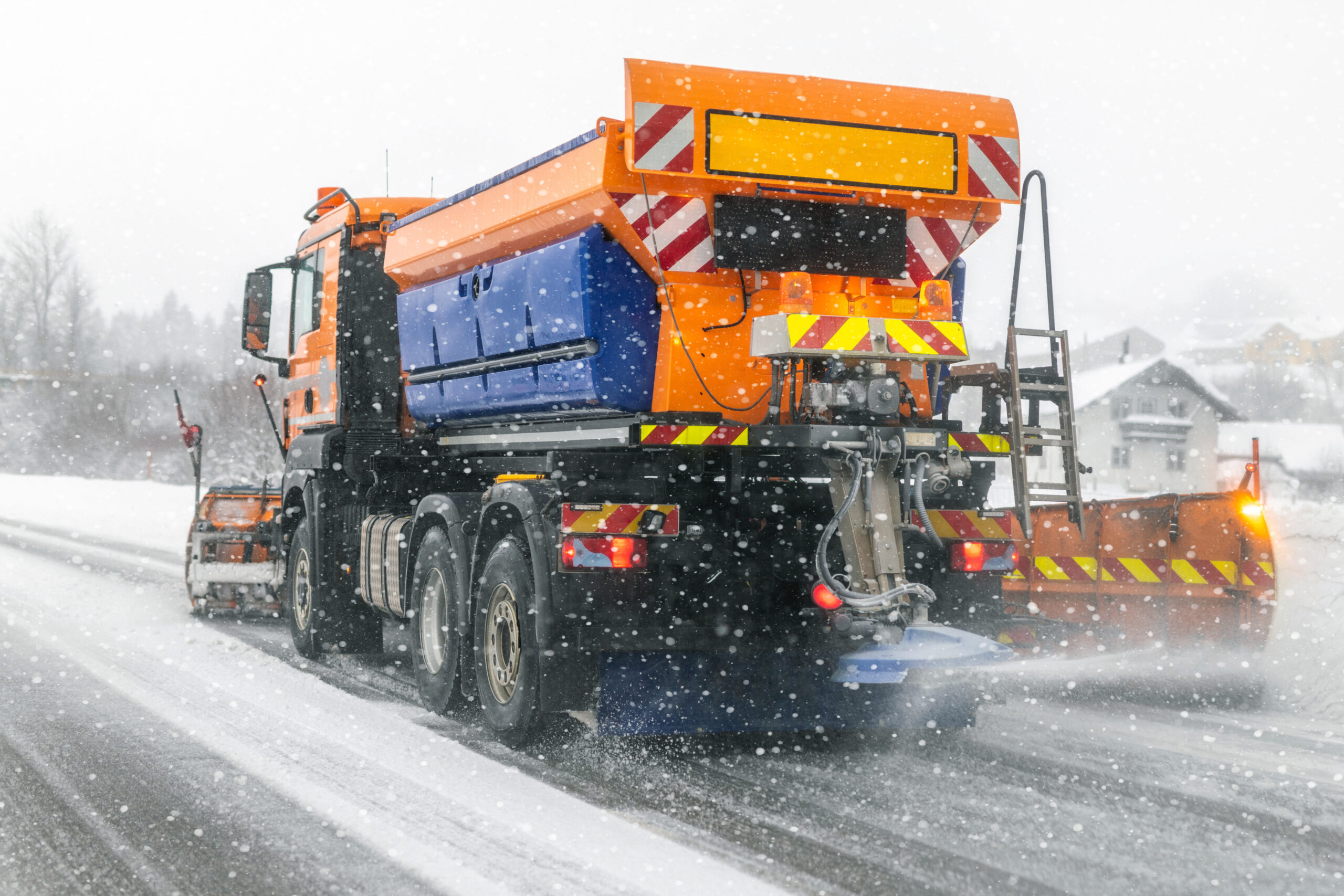
Hallbergmoos: Municipal council decides against electric drive for new winter service truck
On July 7, 2026, Hallbergmoos approved the purchase of a diesel-powered winter service truck for approximately €440,000. It replaces a 25-year-old Fendt Xylon 524 that is suffering from corrosion and increasingly frequent breakdowns. However, a proposal to conduct an additional cost-effectiveness analysis for an electric truck failed to secure a majority. The municipal council cited…
-
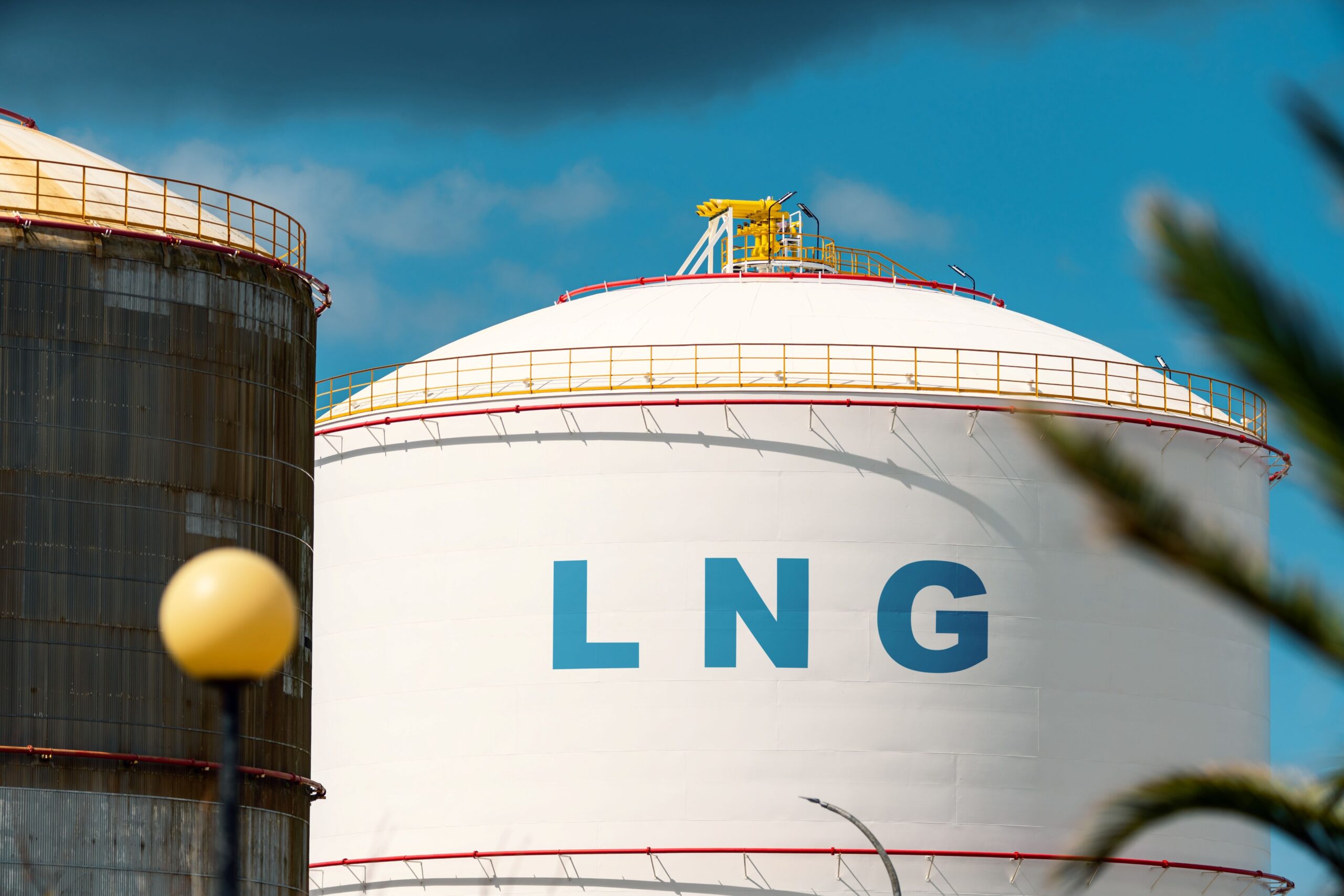
EU buys 9.97 million tonnes of Russian LNG ahead of import ban
Brussels – In the first half of 2026, the EU imported approximately 9.97 million tonnes of Russian LNG from the Yamal project. This was a record high for any first-half period. Companies utilized existing contracts ahead of the full LNG ban taking effect on January 1, 2027. Furthermore, the EU is now preventing the onward…
-
Brussels proposes easing EU rules on gas and oil imports
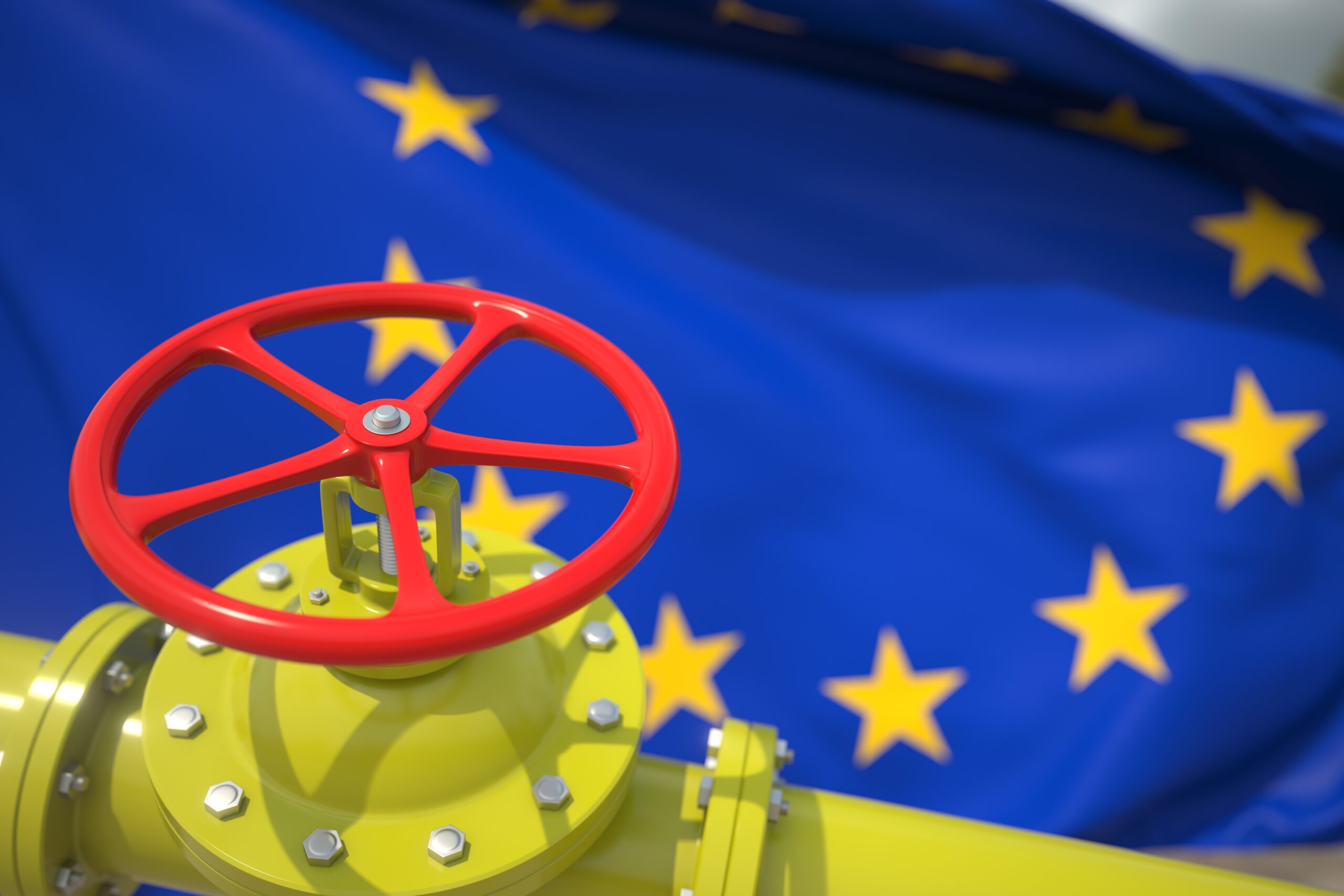
The EU Commission has proposed to the 27 EU member states that they refrain from imposing fines for the time being regarding the tightening of import rules for oil and gas scheduled for January 2027. “Member states are advised to suspend sanctions for non-compliance for three years in order to avoid supply disruptions,” the Brussels-based…
-
Billion-dollar levy for gas power plants: electricity customers should finance 11 gigawatts of reserves
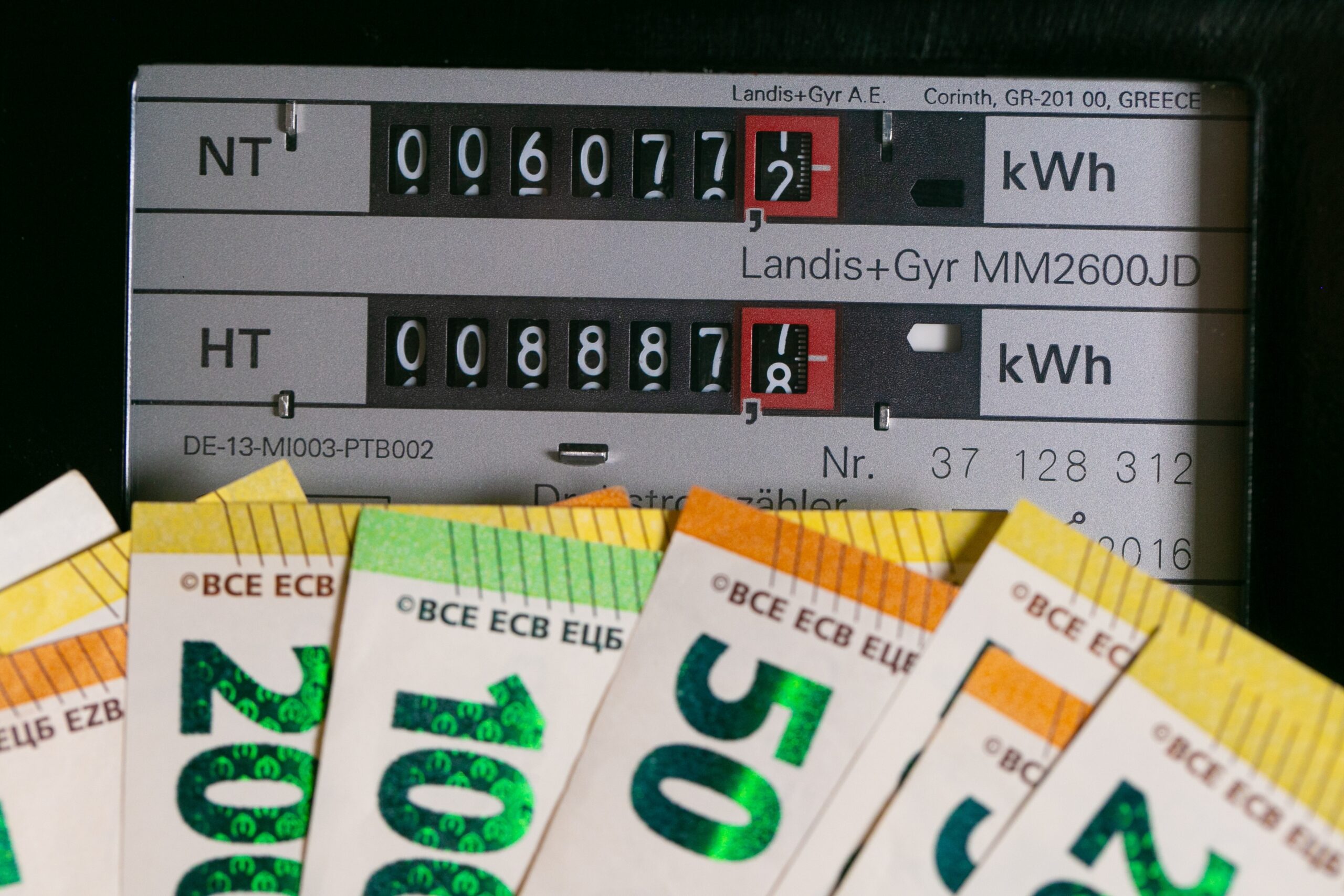
On July 9 and 10, 2026, the Bundestag and Bundesrat approved the addition of eleven gigawatts of new dispatchable power generation capacity to the reserve in Berlin. This decision is based on the Electricity Supply Security and Capacity Act (StromVKG). A multi-billion-euro levy targeting gas-fired power plants is intended to fund payments to successful operators…
-
Wind turbine noise in Leckmart: Defects confirmed, acceptance measurement missing
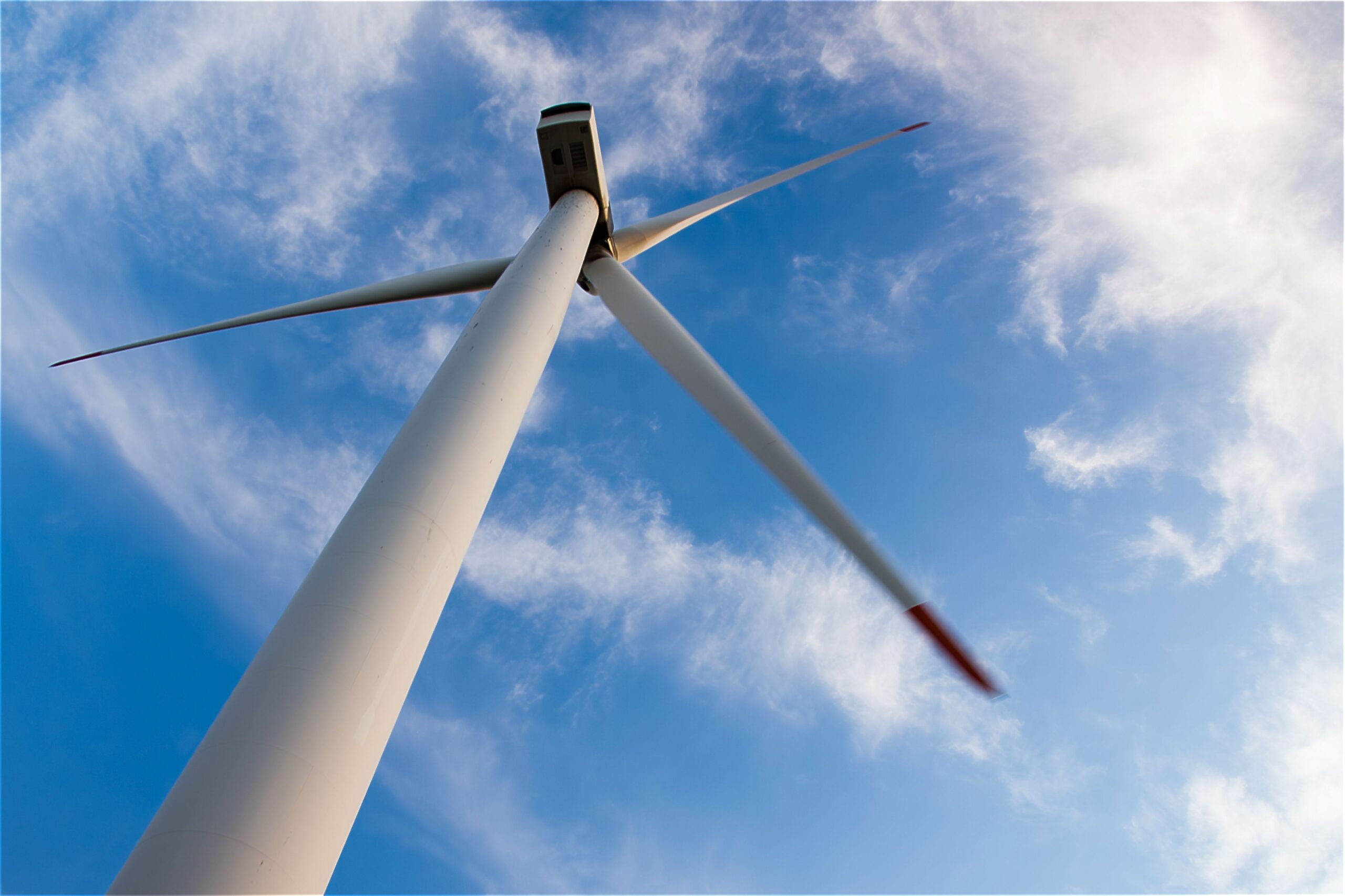
Leckmart – In mid-July 2026, the districts of Hochsauerlandkreis and Olpe confirmed the presence of impermissible noise emissions at the Herrscheid wind farm. Technical faults there repeatedly caused turbine noise characterized by thumping, braking, and humming sounds. However, local residents report clearly hearing the four turbines even during normal operation. An independent acceptance measurement is…