
Germany and France experienced a pronounced period of low wind and solar output—a “dunkelflaute”—from June 16 to July 1, 2026. However, German media portrayed French nuclear power plants primarily as a weak point of nuclear energy. EDF temporarily reduced output by 4.1 gigawatts due to warm river water. Meanwhile, France’s own electricity supply remained secure, and the country continued to export power to neighboring states. In contrast, Germany’s wind power generation dropped to around 45 gigawatt-hours per day. Consequently, fossil-fuel generation, imports, and market prices rose significantly during the evening hours.
The media used the output reductions as an argument against nuclear power
As early as the beginning of June, n-tv ran the headline: “The sun switches off French nuclear power plants.” The Frankfurter Rundschau later even warned of a potential major blackout in France. Focus also reported that the heatwave was becoming a problem for France’s reactors. Such headlines thrust the output reductions into the spotlight, whereas the limited scale of the production losses usually only appeared later in the text.
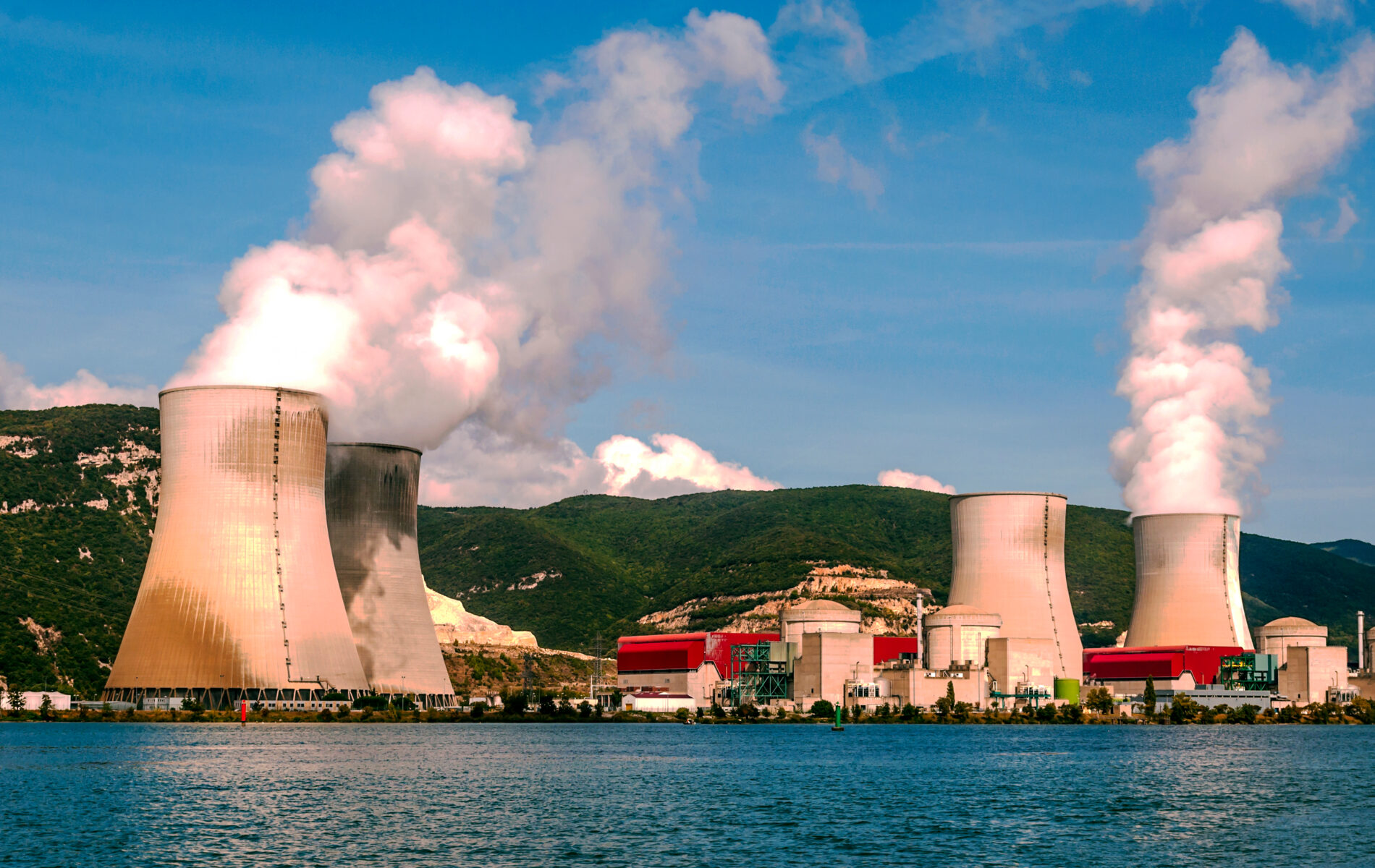
Image: Shutterstock
ZDFheute provided a more objective assessment of the situation, dismissing the notion of an imminent energy crisis. The operational adjustments were made to comply with environmental regulations regarding river water, rather than due to technical safety issues. Consequently, EDF curtailed output at plants along the Rhône, Seine, and Garonne rivers. Since 2000, heat-related measures have resulted in an average loss of only 0.3 percent of annual nuclear power generation. At the same time, sufficient reliable capacity remained available to meet France’s domestic needs.
French Nuclear Power Plants Secure Supply and Exports
On June 23 and 24, German wind turbines generated only around 45 gigawatt-hours of electricity per day. In contrast, French nuclear power plants supplied approximately 900 gigawatt-hours—roughly twenty times that amount. Moreover, their output was about ten percent higher than the five-year average for those days in June. Germany’s wind power generation reached only about one-fifth of its usual level, a result of stable weather conditions characterized by heat and very little wind.
Throughout this period, France consistently met its own electricity demand. The country also remained a net exporter, supporting several neighboring states via the interconnected grid. Only the potential export volume saw a temporary decline; on June 24, exports dropped from a previous range of ten to twelve gigawatts to around three gigawatts. However, these cutbacks caused no supply disruptions for French consumers.
Solar power drops off in the evening; fossil fuel plants take over
During the heatwave’s period of low wind, Germany’s solar installations generated roughly three times as much electricity as wind turbines. At times during the day, photovoltaics accounted for more than 70 percent of German power generation. However, this output vanished quickly after sunset, while air conditioners and fans continued to run. Consequently, coal and gas power plants stepped in to cover around 70 percent of German electricity production at times.
At the same time, French nuclear power plants helped limit electricity shortfalls within the European interconnected grid. Germany, by contrast, imported additional power, particularly during the evening and night. On June 24, the German 15-minute electricity price hit 747.10 euros per megawatt-hour. During the nights of June 23–25, German electricity generation resulted in emissions of around 640 grams of CO₂ per kilowatt-hour, whereas France’s figure was approximately 60 grams.
France exported a total of 1.35 terawatt-hours of electricity during the heatwave, thereby supporting its neighbors despite having throttled back some reactors and facing higher domestic consumption. Furthermore, France’s export surplus reached a record 51 terawatt-hours in the first half of 2026. The heatwave thus highlighted, above all, the vulnerability of weather-dependent generation when lacking sufficient storage and reliable reserves. France’s operational constraints, meanwhile, affected potential additional exports rather than domestic supply.
Author: Blackout News
Sources: NZZ (11.07.26) – Montel News (02.07.26) – RTE (02.07.26) – ZDFHeute (02.07.26) – ntv (25.06.26) – Le Monde (24.06.26) – Frankfurter Rundschau (21.06.26) – Focus (19.06.26)