
The exodus of the automotive industry from Germany is accelerating in 2026. Manufacturers and suppliers are shifting the production of models, engines, and components abroad, while German plants are losing capacity, cutting jobs, or closing down entirely. Affected sectors include internal combustion engine vehicles, hybrids, and electric cars, as well as key components. High costs, weak demand, Chinese competition, and shifting policy requirements are driving this restructuring. As a result, Germany is losing jobs, manufacturing expertise, and opportunities for future investment.
Volkswagen Reallocates Key Models
Since 2024, Volkswagen has ceased production of the Passat in Emden, shifting it instead to Bratislava, Slovakia. The new Transporter is also being built by Ford Otosan in Turkey, where diesel, hybrid, and electric versions—sharing the same technical platform as the Ford Transit Custom—roll off the assembly line. Meanwhile, the Emden plant focuses primarily on producing the ID.4, ID.7, and ID.7 Tourer.
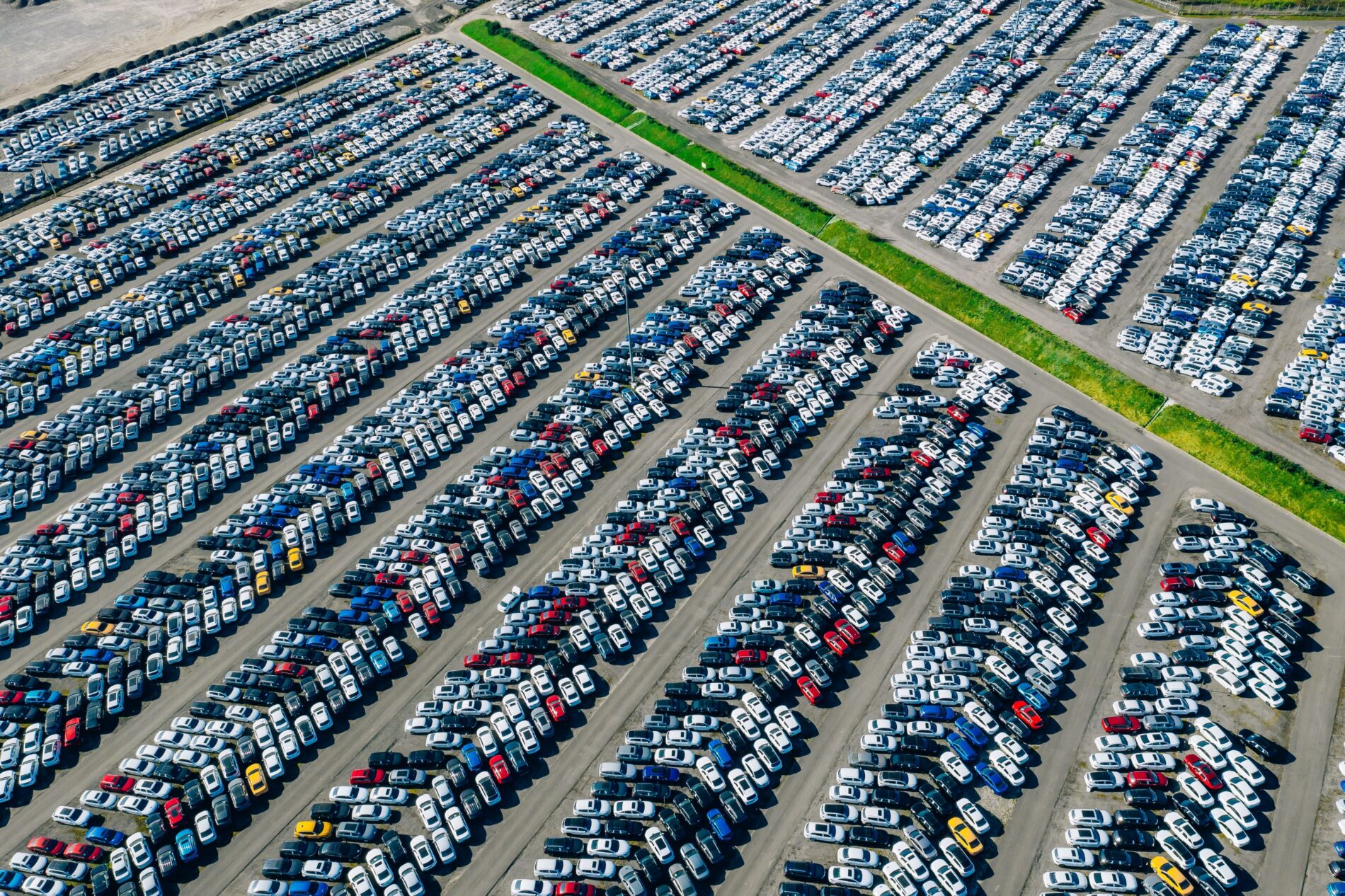
Image: Shutterstock
Starting in 2027, Wolfsburg will also lose production of the current Golf and Golf Variant models to Puebla, Mexico. Volkswagen plans to use the vacated space for electric models later on. However, the T-Roc, manufactured in Portugal, is capturing an increasing share of the market previously held by the Golf. Additionally, Audi ended Q2 production in Ingolstadt in April 2026 but now manufactures the Q3 jointly in Győr and Ingolstadt.
Electric cars do not automatically safeguard German production sites
The automotive industry’s shift away from Germany affects more than just internal combustion engine vehicles. BMW produces the new electric iX3 in Debrecen, Hungary. Due to strong demand, the plant is already operating on a two-shift schedule—earlier than originally planned. While Germany continues to supply technology and components, final assembly and new jobs are being established in Hungary.
Mercedes is pursuing a similar strategy. Production of the A-Class will move from Rastatt to Kecskemét in 2026, while the Rastatt plant gains capacity for new models. Mercedes also builds the GLB in Hungary and, as of July 2026, the new electric C-Class. The group is doubling its capacity there, thereby increasing the proportion of its output coming from lower-cost European production sites.
Ford and suppliers cut jobs
The industrial retrenchment is particularly evident at Ford. Production of the Focus in Saarlouis ended in November 2025, with the site continuing to operate as a smaller plant for parts and components. In Cologne, Ford reduced electric vehicle production to a single shift starting in January 2026; consequently, up to 1,000 additional jobs are set to be eliminated.
Suppliers are also relocating specific manufacturing processes. In 2026, Continental is ending the production of air suspension bellows for passenger cars at its Hannover-Vahrenwald plant and shifting operations to Jičín in the Czech Republic, affecting 126 jobs. At the same time, Schaeffler is cutting around 2,800 jobs in Germany as it reorganizes its European production network.
Automotive Industry Relocation Driven by Cost Comparisons
There is no single reason for these relocations. Germany combines high non-wage labor costs with expensive energy, high taxes, and slow permitting processes. At the same time, countries such as Hungary, Poland, Slovakia, and Turkey incentivize the construction of new factories and offer lower production costs. Consequently, corporations increasingly assign new models to locations that offer faster, more cost-effective manufacturing.
Added to this are political mandates and abrupt shifts in powertrain strategies. Manufacturers invested billions in electric vehicle platforms, even though demand in Europe grew more slowly than anticipated. Meanwhile, internal combustion engines and hybrids remain in demand across many global markets. Thus, the exodus of the automotive industry was not caused solely by clinging to the internal combustion engine for too long. Germany is losing production because its manufacturing sites often prove more expensive, less flexible, and harder to plan for when compared internally against other corporate locations.
Author: Blackout News
Sources: Mercedes Benz Group (13.07.26) – Reuters (13.07.26) – Reuters (13.07.26) – BMW Group (16.06.26) – Reuters (18.05.26) – Continental (07.05.26) – Audi (23.04.26) – Handelsbaltt (17.03.26)