
In July 2026, Brussels will discuss an automatic speed-limiting system for future new cars. The move is prompted by high accident rates and frequent speeding violations across Europe. The technology could integrate satellite navigation, digital maps, mobile connectivity, and traffic-sign recognition cameras; the vehicle would automatically reduce power when entering a lower-speed zone. However, erroneous speed data pose a risk, as they could trigger unexpected interventions. Initially, the measure would affect buyers of new vehicles. The EU Commission has not yet presented a legislative proposal.
Automatic speed limiter designed to react via satellite and cameras
Since July 2024, all new cars in the EU have been required to feature an Intelligent Speed Assistance (ISA) system. This system detects speed limits and warns the driver if they are exceeding them. Depending on the specific implementation, it may also provide resistance against the accelerator pedal or briefly limit engine power.
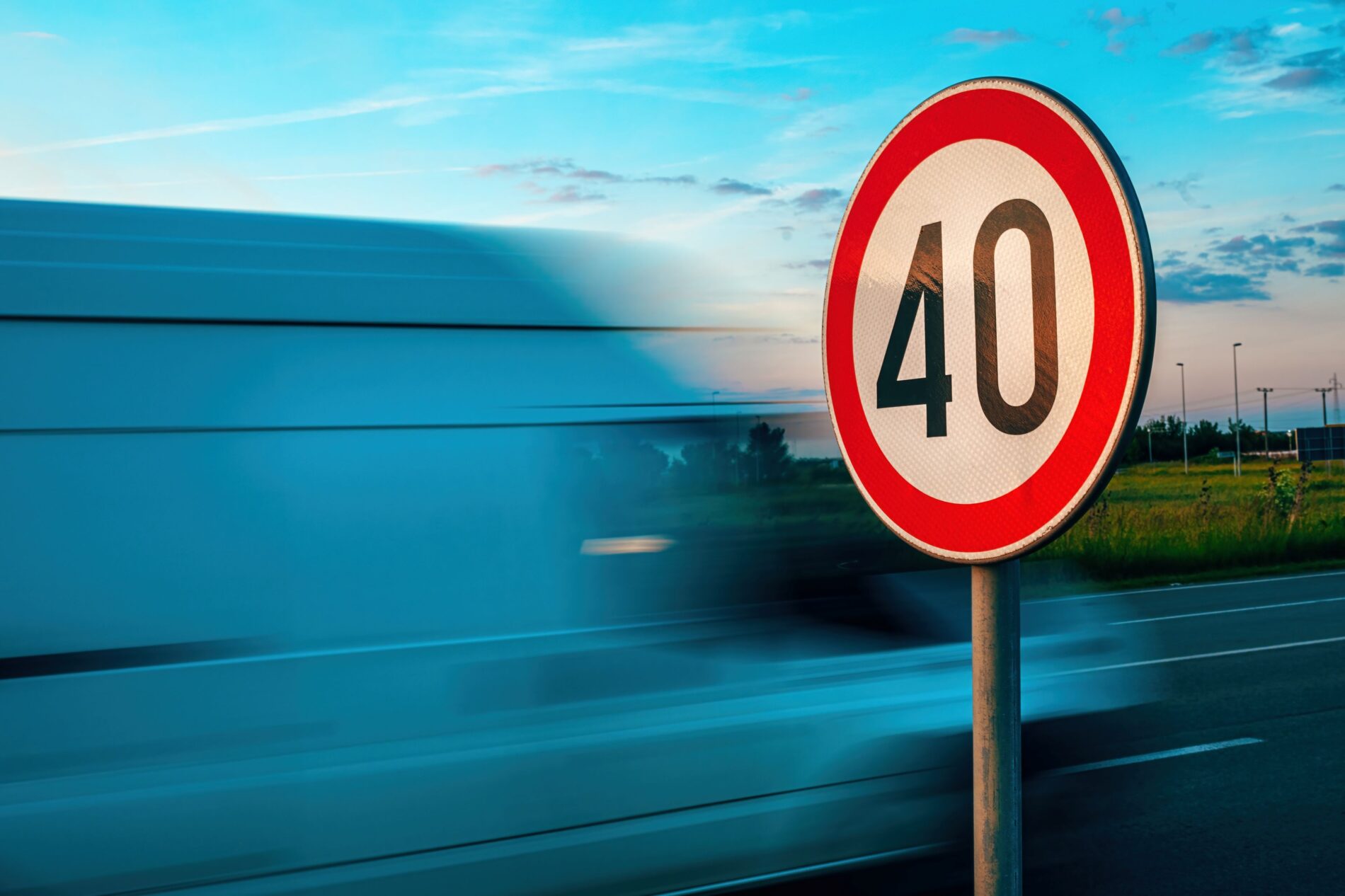
Image: Shutterstock
However, the driver retains control and can override the assistance system. ISA can also be deactivated for the current trip, though the system reactivates automatically upon the next start-up. The proposed expansion would go further, as it could prevent the vehicle from consistently exceeding a detected speed limit.
Faulty traffic sign recognition remains the biggest technical challenge
However, real-world tests reveal significant weaknesses in detection capabilities. Thatcham Research tested three vehicles over a distance of more than 7,200 kilometers. For the least effective model, only 74.3 percent of detected speed limit changes were accurate; this meant the system displayed an incorrect limit for roughly one in four changes. Even the best-performing vehicle achieved an accuracy rate of only 90.3 percent in these instances.
Automatic speed limiting would be particularly problematic given such errors. Incorrect map data or misinterpreted signs could cause the vehicle to slow down unnecessarily. Furthermore, when combined with adaptive cruise control, there is a risk of abrupt braking or acceleration. Roadworks, secondary roads, and obscured traffic signs therefore further exacerbate the issue.
EU points to 19,400 road fatalities in 2025
Proponents, however, cite the persistently high number of fatal accidents. According to preliminary EU data, around 19,400 people died on European roads in 2025. While this represents a three percent decrease compared to 2024, the EU remains off track to meet the goal of halving road fatalities by 2030.
Automatic speed-limiting technology could make speeding more difficult. However, there is currently no official draft, timeline, or concrete set of approval regulations. A mandatory rollout after 2030 has not yet been decided either. Consequently, nothing changes for vehicles currently on the road. Nevertheless, the debate illustrates how quickly a warning system can evolve into a mechanism for direct vehicle control.
Author: Blackout News
Sources: Bild (15.07.26) – Visor Down (14.07.26) – New Mobility News (10.07.26) – Auto Express (24.06.26)