
Two professors specializing in the energy sector are calling for a moratorium on the further expansion of wind and solar power. At the same time, they demand a halt to further power plant shutdowns until grids, storage facilities, and dispatchable replacement capacity are actually in place. They warn of higher system costs, increasing dependence on imports, and disadvantages for both industry and electricity consumers. The debate is gaining traction because Germany will require 7,407 megawatts of grid reserve capacity this coming winter.
Professors view key components as insufficiently tested
In an interview with Die Welt, Michael Beckmann and Mario Schenk criticize the current trajectory of the energy transition. Beckmann holds the Chair of Energy Process Engineering at the Technical University of Dresden. Schenk teaches high-voltage engineering and electrical systems at the Brandenburg University of Technology Cottbus-Senftenberg. Both classify the energy transition as being at stages four to six out of a total of nine. They argue that the interplay between storage, hydrogen, grids, flexibility, and market rules has not yet been sufficiently tested. Furthermore, they view economic interests and subsidy structures as the drivers behind political decisions.
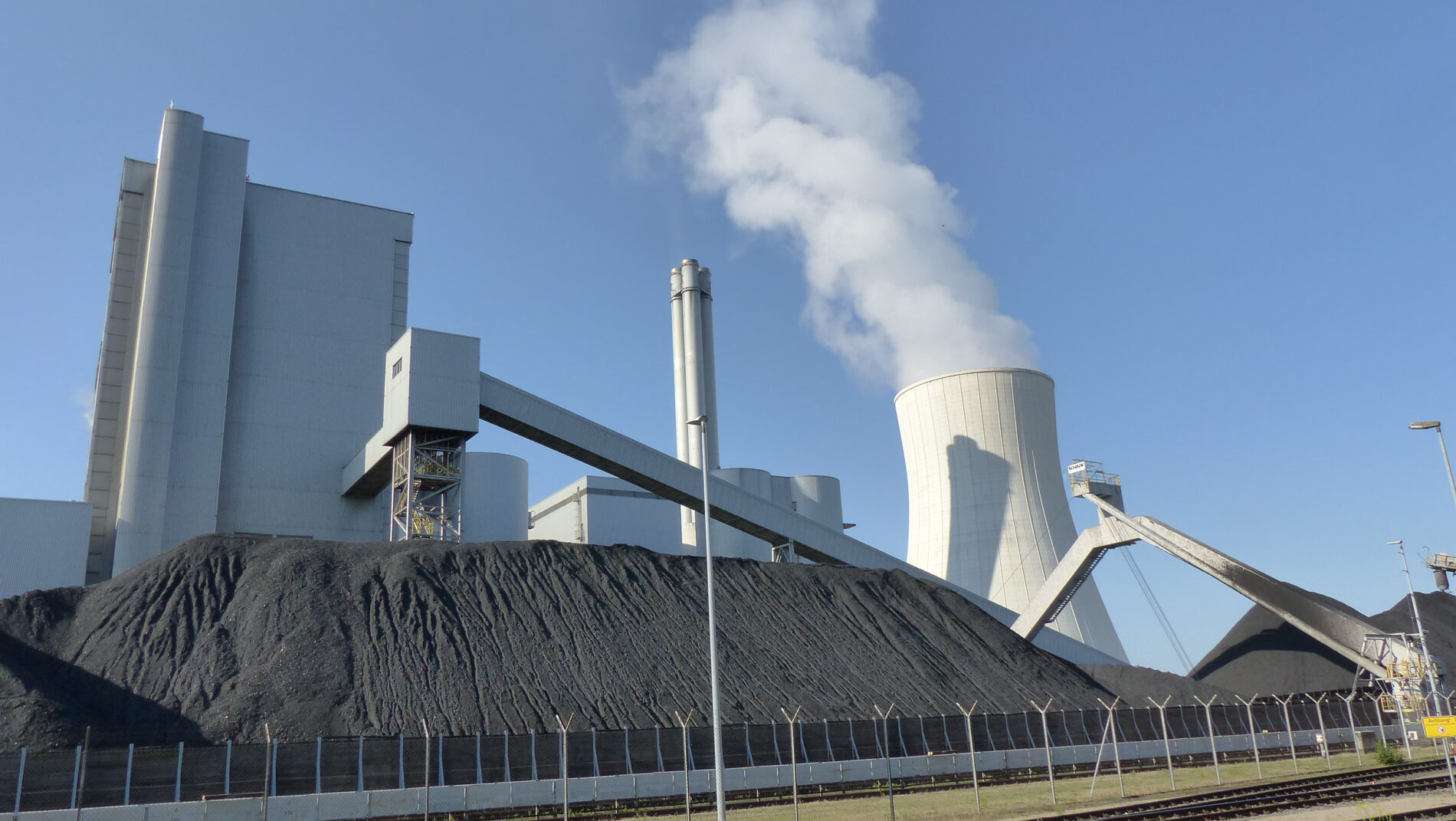
Image: Shutterstock
However, current data present a nuanced picture. In the first half of 2026, renewable energy sources met approximately 57 percent of Germany’s gross electricity consumption. Their contribution to the overall energy system is significantly lower; in 2025, they accounted for 23.8 percent of gross final energy consumption. Consequently, the heating, transport, and industrial sectors remain far more dependent on fossil fuels. Meanwhile, the day-ahead price averaged 102.17 euros per megawatt-hour in the first quarter of 2026. The market also recorded 172 fifteen-minute intervals with negative prices.
Power Plant Shutdowns Coincide with High Reserve Requirements
Schenk explicitly calls for a halt: “In my view, the decommissioning of dispatchable power plants—many of which have already been written off—should be stopped immediately.” He considers shutting down power plants without having replacement capacity available to be economically unsound. The Federal Network Agency has confirmed a grid reserve requirement of 7,407 megawatts for the winter of 2026/2027. Of this total, 4,742 megawatts are to be supplied by German reserve power plants, while an additional 2,665 megawatts are to be provided by power plants in neighboring countries.
However, the grid reserve is primarily intended to manage regional transmission bottlenecks; therefore, its existence does not automatically indicate a nationwide shortage of generation capacity. Nevertheless, the scale of the reserve highlights the strong interdependence between grid operations and the power plant fleet. System-critical reserve power plants must not, therefore, be permanently shut down. Grid operators only activate them for redispatch purposes when needed. Furthermore, the costs associated with maintaining and deploying these reserves are factored into grid charges.
Storage and new power plants determine supply security
Battery storage systems can smooth out short-term fluctuations and provide balancing power. However, prolonged periods of low wind and solar output—often referred to as “dunkelflaute”—require additional dispatchable capacity or other forms of long-duration storage. Consequently, the federal government plans to hold auctions for approximately ten gigawatts of long-duration capacity in September and December 2026, with a further two gigawatts to follow in May 2027. The new capacity market is designed to compensate power plants, storage facilities, and flexible consumers for their availability.
The demand to link power plant shutdowns to the availability of replacement capacity therefore highlights a genuine coordination challenge. However, this does not necessarily imply a blanket halt to the expansion of wind and solar power. Instead, Germany requires a coordinated expansion of generation, transmission lines, storage, and dispatchable capacity. Installed capacity alone is not the decisive factor; what matters is the capacity available at the right location at any given time.
Author: Blackout-News
Sources: Welt (17.07.26) – Umweltbundesamt (15.07.26) – Bundesministerium für Wirtschaft und Energie (10.07.26) – (Bundesnetzagentur (22.05.26) – Bundesnetzagentur (18.05.26)