
As of July 1, 2026, China is requiring fundamental safety certification for electric vehicle batteries. New electric cars and plug-in hybrids will only be approved if their battery systems do not catch fire or explode following a cell failure. The mandatory test triggers thermal runaway in a single cell and monitors the battery pack for two hours; additionally, no hazardous smoke may enter the passenger compartment. Authorities are taking this step in response to fire risks caused by cell damage, accidents, and high charging loads. Consequently, manufacturers must modify battery packs and cooling systems, while existing models are granted a transition period until July 2027.
E-car batteries are no longer allowed to burst into flames
The previous standard relied primarily on escape time. He only required at least five minutes warning of a possible fire or explosion. However, the defect was then allowed to spread further. The new standard GB 38031-2025 completely changes this approach. Now the battery system must stop the spread of heat and prevent an open fire.
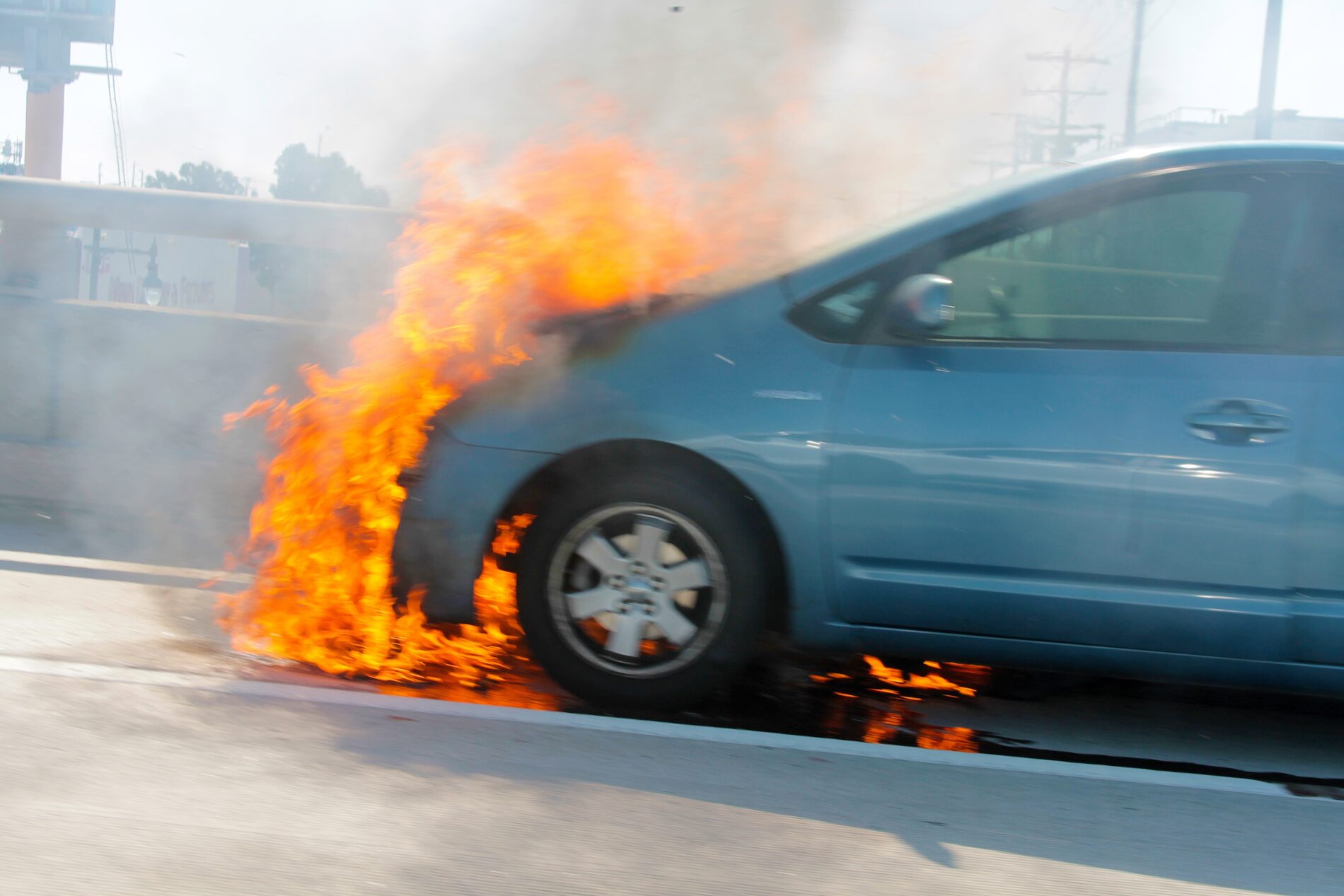
Image: Shutterstock
A cell malfunction can trigger an uncontrolled rise in temperature. Without effective barriers, this thermal runaway spreads to adjacent cells. Consequently, authorities are now inspecting the entire battery system rather than just individual warning functions. Furthermore, any smoke released must not endanger the vehicle’s occupants, ensuring that people can exit safely even following severe internal defects.
New models must avoid battery fires to gain approval
This requirement for electric vehicle batteries applies immediately to newly submitted vehicle types. However, models that have already been approved will not be pulled from the market overnight; the affected model series are generally granted a transition period until July 1, 2027, after which they too must comply with the stricter standards. Thus, China is not retroactively banning existing electric cars but is instead progressively tightening type-approval regulations.
Additional tests are designed to address common causes of fires that occur later in a vehicle’s life. For instance, an underbody test simulates heavy impacts against the battery casing. In addition, an external short-circuit test and a renewed safety inspection are conducted after 300 rapid-charging cycles. The vehicle must also feature an independent switch for the high-voltage system; this disconnects the circuit even if the central software fails following an accident.
Manufacturers must prevent battery fires through design
Manufacturers cannot meet the new standard solely with additional software; instead, they require robust housings, effective cooling systems, and barriers between cells. Sensors and battery management systems must also detect critical temperature rises at an earlier stage. This drives up development costs and production complexity. Consequently, industry estimates project a 15 to 20 percent increase in battery system costs.
Major suppliers such as CATL and BYD had already developed the necessary technology prior to the deadline. In contrast, smaller battery manufacturers face the need for extensive design modifications or may have to discontinue certain models. Electric vehicle batteries using lithium iron phosphate may offer advantages in this regard, as this cell chemistry is thermally more stable. However, the standard does not guarantee fire safety in every conceivable accident scenario; it does, however, stipulate that a fire occurring during the mandatory cell failure test constitutes grounds for denying type approval.
Author: Blackout News
Sources: WirtschaftsWoche (17.07.26) – electrive (01.07.26) – Shanghai Metals Market (30.06.26) – CnEVPost (30.06.26)