
Shipowners worldwide have already ordered 261 new oil tankers in the first half of 2026—more than in the entire previous year. In total, there are over 600 vessels in order books, compared to just 80 at the end of 2023. Disruptions in the Strait of Hormuz and high charter rates are driving this ordering boom. However, many of the new tankers will not enter the market for several years.
Oil tanker boom drives used vessel prices above the cost of new ones
Hostilities in the Persian Gulf have severely restricted traffic through the Strait of Hormuz. Recently, only a few cargo ships have passed through the strait, while large crude oil and liquefied gas tankers have been absent. Prior to the escalation, the daily charter rate for a supertanker was less than $50,000; subsequently, peak rates briefly climbed to $424,000.
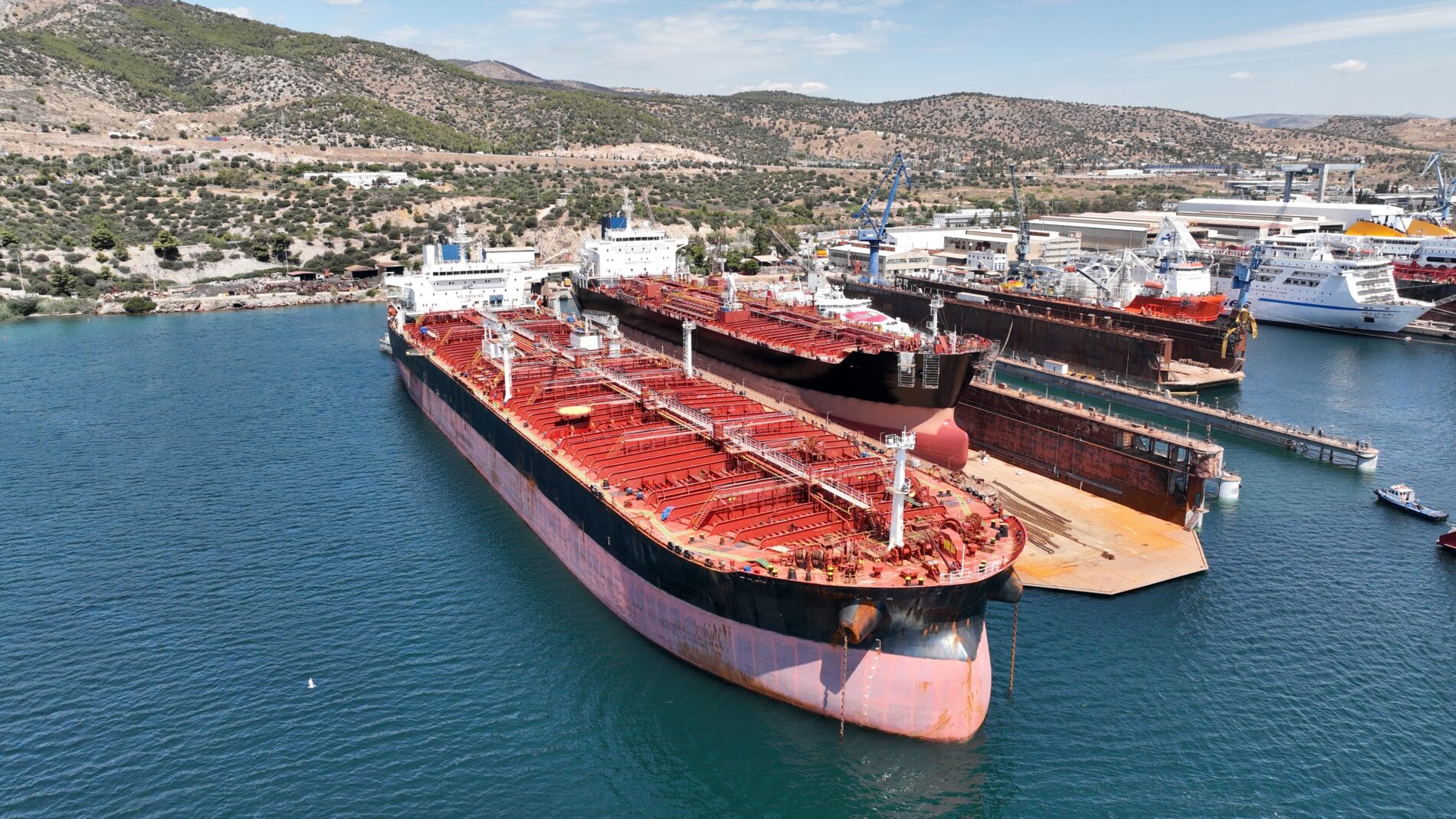
Image: Shutterstock
Consequently, vessels available for immediate delivery are commanding unusually high prices. A supertanker around five years old currently costs approximately $172 million, whereas a comparable newbuild is priced at around $132 million. Buyers are willing to pay this premium because shipyards often require several years to deliver new vessels.
Supertankers Drive Historic Order Boom
Very Large Crude Carriers (VLCCs)—the largest class of crude oil tankers—account for nearly two-thirds of the new orders. Shipowners ordered 261 vessels in the first half of the year alone, compared to a total of 185 in 2025. The ordered cargo capacity thus exceeds the previous record set in 2008 by approximately 50 percent.
The boom also serves to modernize an aging fleet, prompting shipowners to invest despite high construction costs. Greek companies are leading the way in orders, followed by shipping firms from China and Singapore. Furthermore, China is building the majority of the new oil tankers, thereby reinforcing its leading position in global shipbuilding.
Late deliveries increase economic risk
Orders are a response to current bottlenecks, yet many new tankers will not reach the market until 2028. Should the situation at the strait ease, the need for additional transport capacity might decline. At the same time, weaker oil demand could dampen the utilization rates of new oil tankers. The International Energy Agency anticipates significantly weaker demand growth for 2026.
In contrast, the Organization of the Petroleum Exporting Countries continues to project rising global oil consumption. Consequently, the long-term utilization of the new oil tankers remains difficult to predict. If older vessels remain in service longer, additional capacity could eventually drive down charter rates and vessel values. While the ordering boom modernizes the fleet, it simultaneously increases market and financing risks.
Author: Blackout News
Sources: Reuters (17.07.26) – ntv (14.07.26) – Handelsblatt (14.07.26) – Reuters (13.07.26) – IEA (10.07.26)