
-

“12 o’clock rule” at gas stations: Nearly 240,000 violations go largely unpunished
Berlin – Nearly four months after the introduction of the “12 p.m. rule,” a nationwide enforcement backlog has emerged. In April alone, authorities recorded 237,950 instances of price hikes occurring outside the permitted timeframe. The law, which took effect on April 1, 2026, was a response to the sharp rise in fuel prices caused by…
-
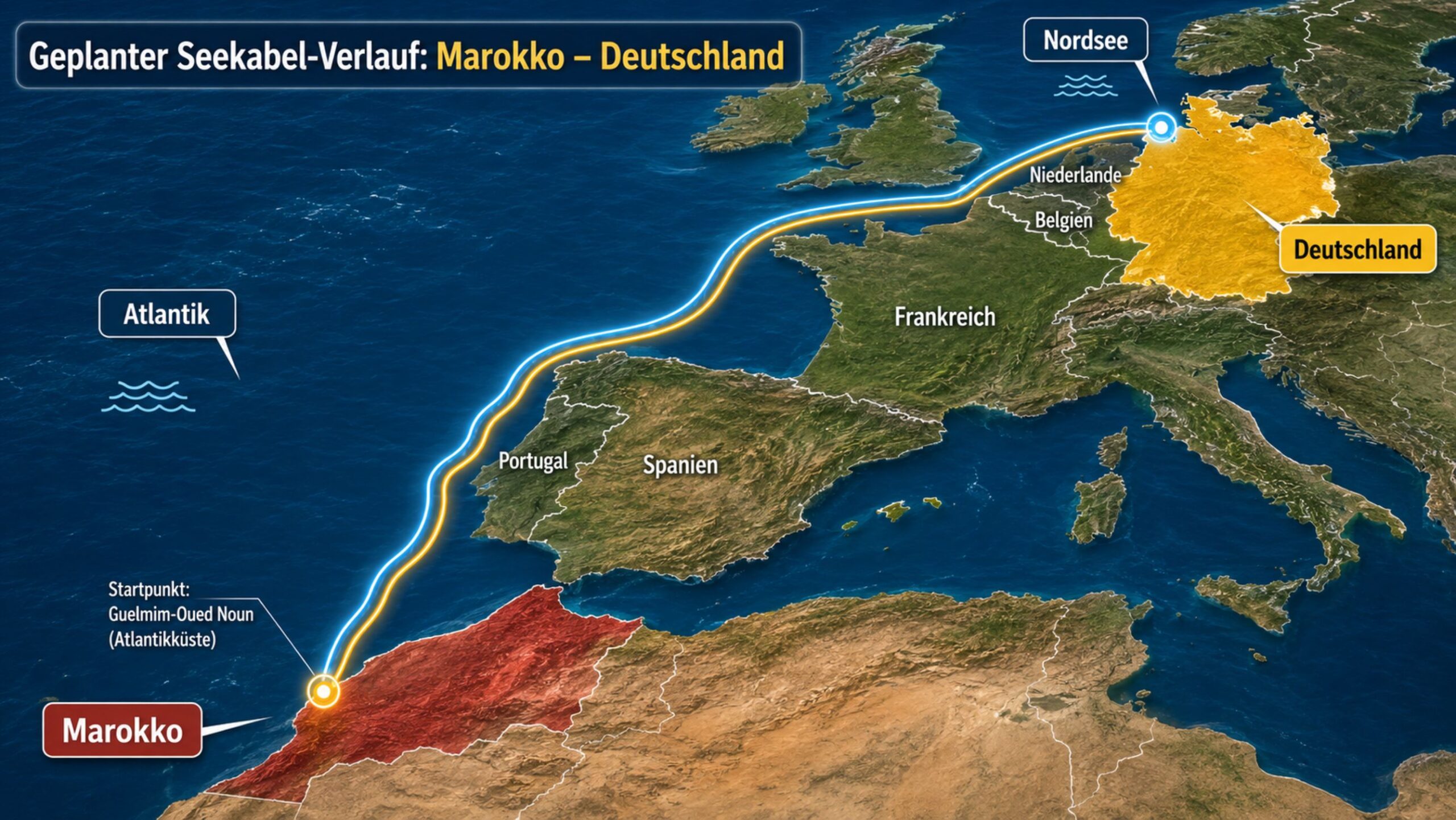
Desert Power for Germany: €30 Billion Cable Stalled Before Construction Even Begins
Sila Atlantik is a German project company established specifically to create a power link between Morocco and Germany. The company is planning two subsea cables, each approximately 4,800 kilometers long, designed to transport renewable energy generated in Moroccan solar and wind farms to the German North Sea coast. The total infrastructure is expected to cost…
-

Berating citizens as a style of governance—when one’s own voters suddenly become a nuisance
A commentary by our author Klaus Bastian Leading federal politicians are discovering a surprisingly convenient way out of the political mess: they are framing the citizenry as the problem. Friedrich Merz dismisses critics as “whiners” and “complainers,” deems Germany too complacent, and questions the necessity of so many sick days. Karl Lauterbach suggests that potential…
-
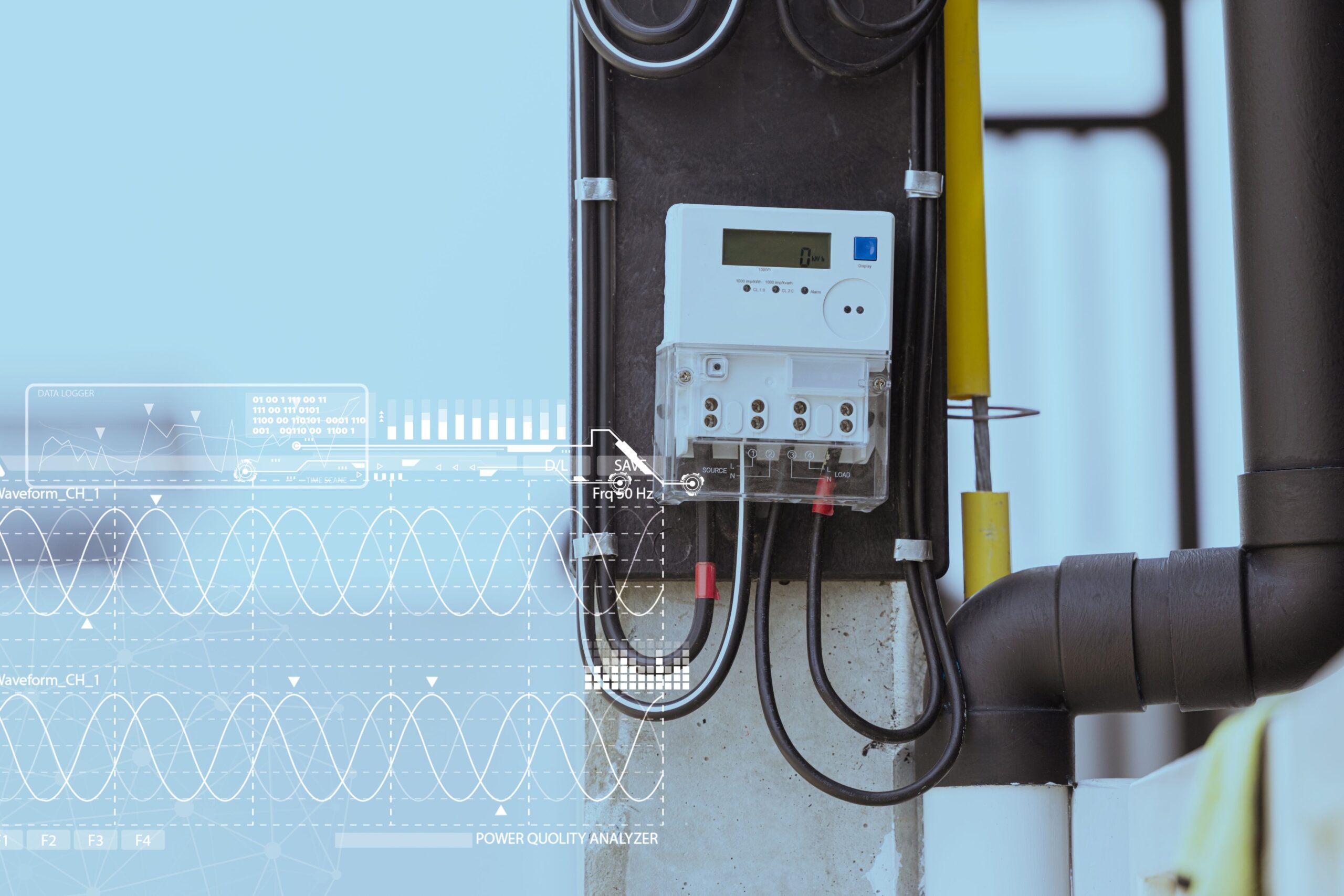
Incorrect electricity bills following smart meter installation – customers asked to pay thousands of euros
In Bavaria, electricity customers are increasingly reporting incorrect bills following the installation of digital meters in July 2026. Households with photovoltaic systems, heat pumps, or wallboxes are also affected. Often, the issue lies not with the metering itself but with data exchange between multiple companies. Consequently, incorrect or missing data can lead to substantial demands…
-

CSD attack: Merz warns against bad jokes rather than state failure
A commentary by our author Klaus Bastian On July 25, 2026, around 10 p.m., Berlin was the scene of an attack linked to the Christopher Street Day (CSD) festivities. Abdul B. allegedly drove a rented van into a crowd in the Tiergarten park. He then reportedly attacked passersby with a bladed weapon. One woman died,…
-
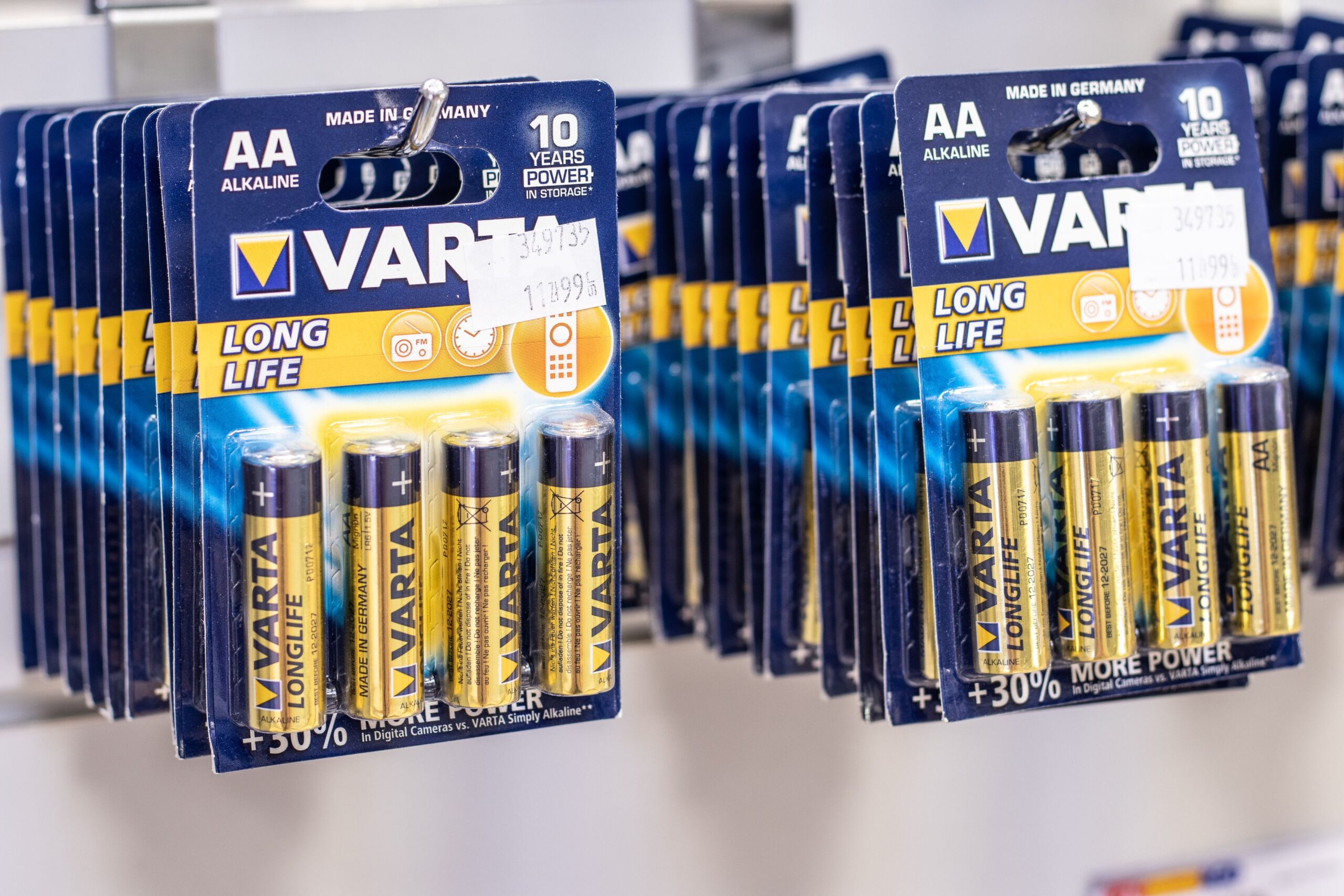
Varta facing collapse: Creditors want to break up the battery manufacturer
Key creditors intend to call in their loans and break up the battery manufacturer, leaving Varta facing collapse. The lenders plan to spin off the household battery business and place it under new ownership. According to an analysis by FTI, the company faces a short-term funding gap of tens of millions of euros for ongoing…
-

Energy transition costs of one trillion euros: Evonik CEO calls for coal power until 2033
In an interview, Evonik CEO Christian Kullmann estimated the cost of the energy transition at around one trillion euros and disputed the benefits achieved so far. Citing a lack of gas-fired power plants, weak grid infrastructure, and the high cost of hydrogen, he is calling for coal-fired power plants in North Rhine-Westphalia to remain in…
-
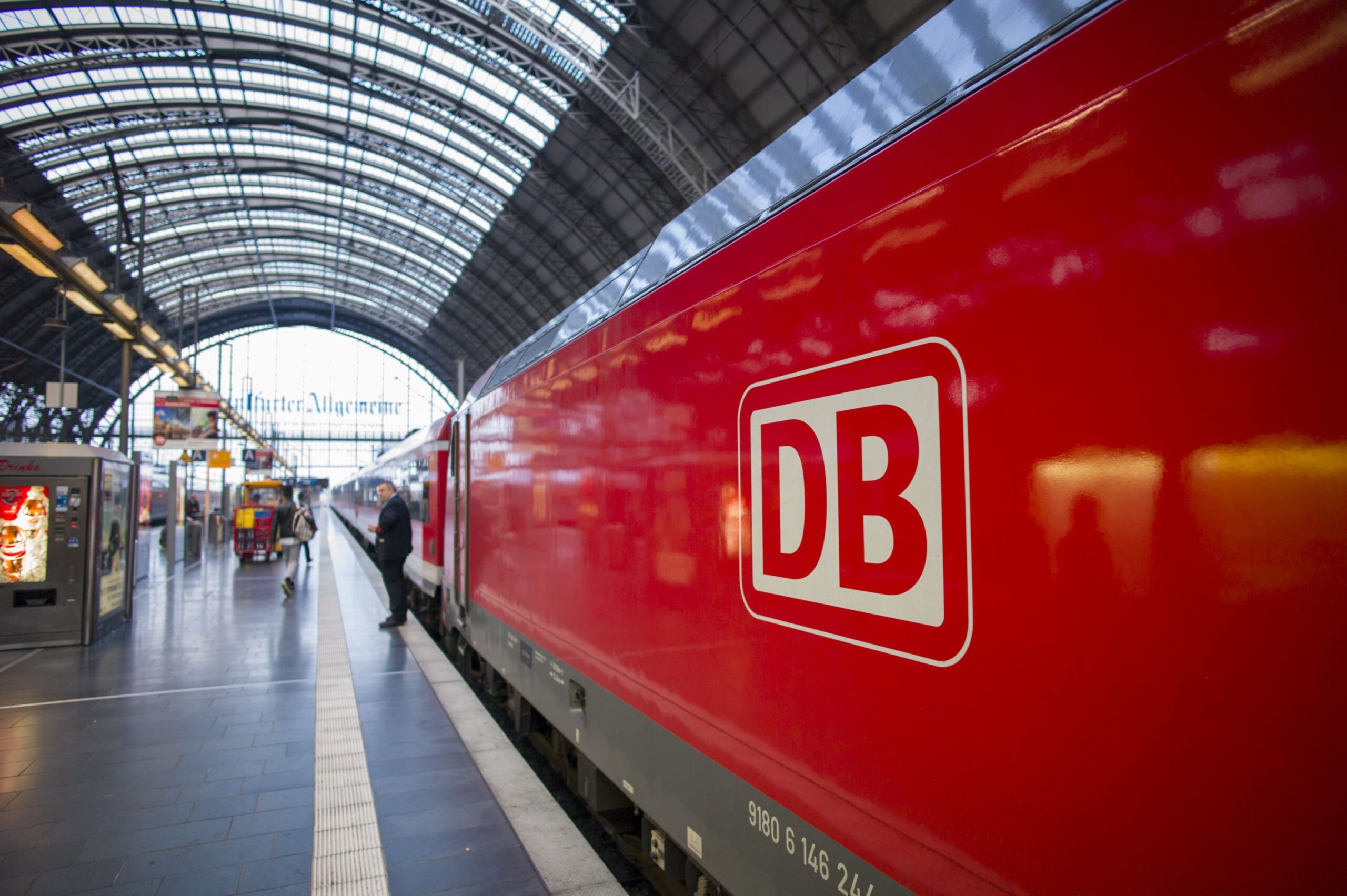
Rail chaos: Now trains are even getting lost on the railway
Frankfurt – On a Sunday evening in mid-July 2026, a regional express train bound for Darmstadt ended up on the wrong track. The train departed Frankfurt Central Station on time at 10:34 p.m. but, a few minutes later, traveled to the Frankfurt Stadion station. According to Deutsche Bahn, the misrouting was caused by “two conflicting…
-
Solar panels ablaze in Sardinia – apparently thousands of panels damaged
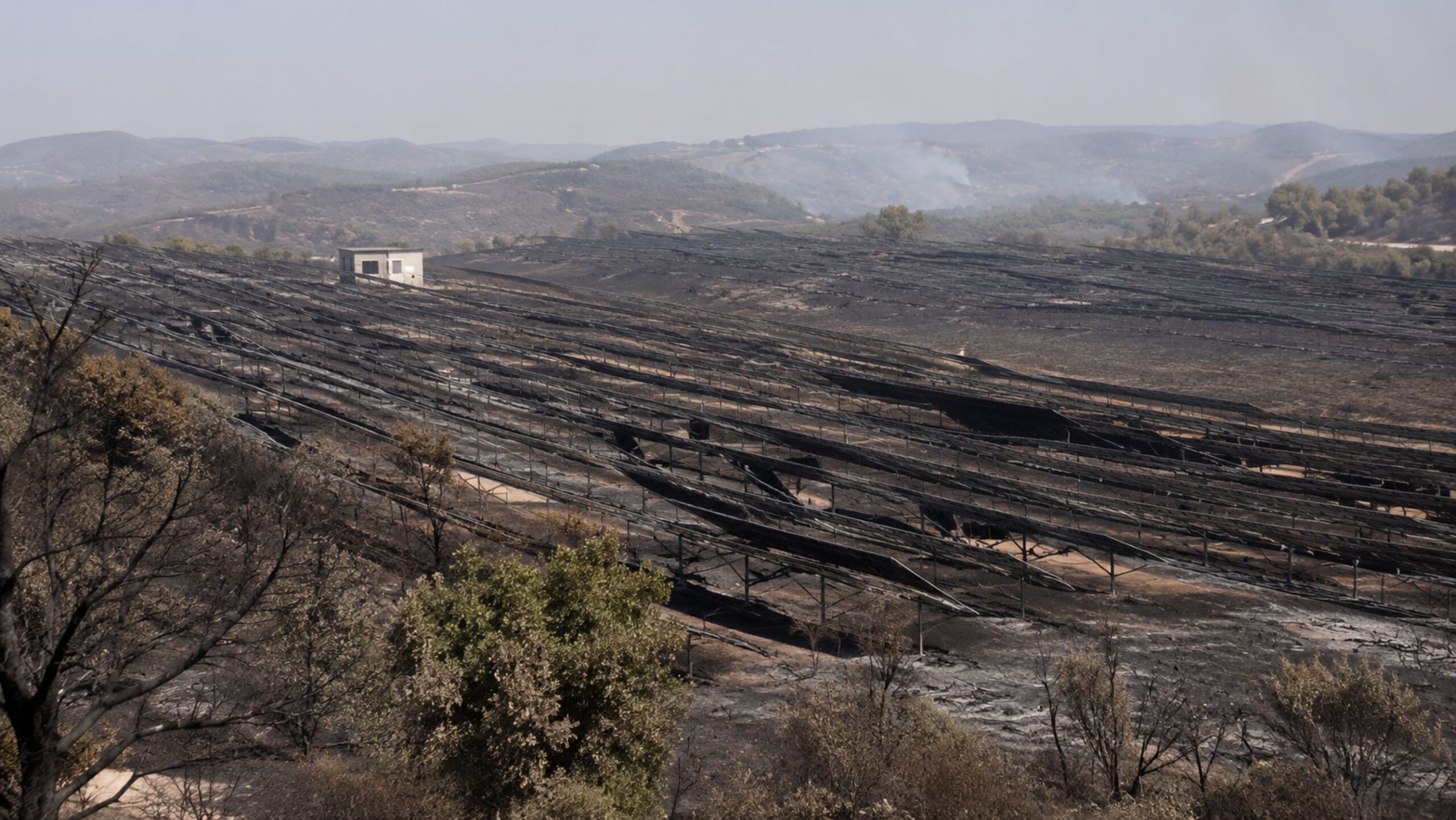
On July 18, a severe wildfire reached a private solar farm in the industrial zone of Ottana, Sardinia. According to former regional president Mauro Pili, thousands of solar panels were apparently engulfed in flames, though authorities have not yet confirmed the exact number. The fire had broken out the previous day near Noragugume; strong westerly…
-
Bonn–Cologne Airport S-Bahn: Bridge apparently overlooked during planning – not to be completed until after 2040
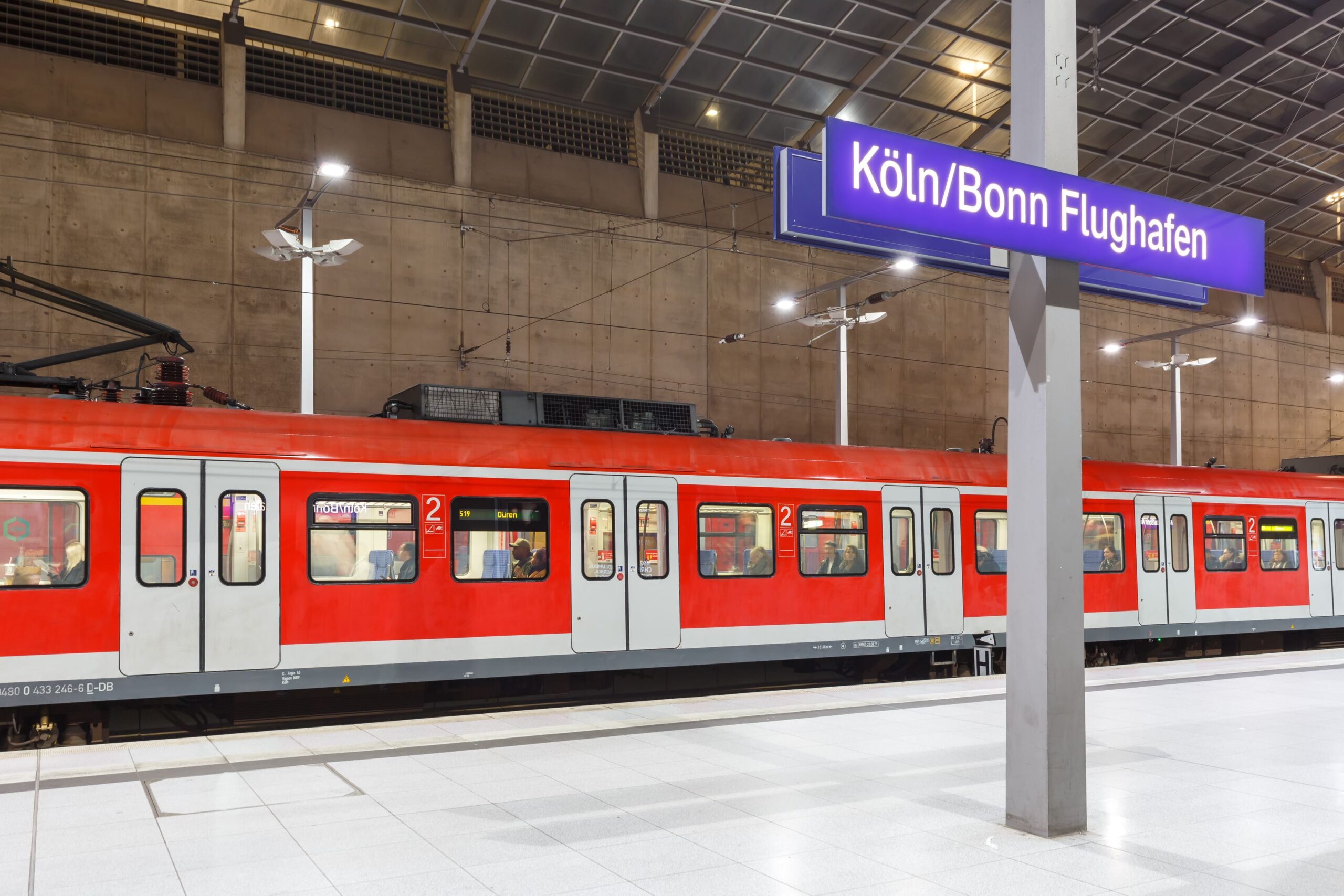
Bonn and Troisdorf will have to wait many more years for the planned full-scale operation of the airport S-Bahn line. Deutsche Bahn does not expect the crucial bridge—a grade-separation structure intended to route trains onto the airport line without crossing other tracks—to be completed until the 2040s; the structure was missing from the original project…
-

Job cuts at O2: 1,100 jobs and 60 company-owned stores to go
Munich, July 22, 2026: Job cuts at O2 will affect up to 1,100 full-time positions in Germany by the end of the year. This means the loss of approximately one in six of the 6,820 full-time roles that existed previously. In addition, Telefónica Deutschland is closing around 60 of its own stores; however, franchise outlets…
-

Due to high winter demand: Great Britain plans remote throttling of heat pumps
Starting in late 2027, Great Britain plans to implement remote throttling of heat pumps to limit high electricity grid loads during winter. This move is driven by the electrification of heating systems, which significantly increases electricity demand during cold spells. Periods of frost and low wind are particularly critical, as heat pumps run for longer…
-

Electrification plan: EU aims to cut gas imports by over 70 percent by 2040
Brussels – On July 17, 2026, the EU Commission unveiled its electrification plan for industry, buildings, and transport. Electricity is set to cover 46 percent of total final energy consumption by 2040, up from the current 23 percent. Consequently, Brussels aims to cut gas imports by more than 70 percent and crude oil imports by…
-

NATO approves expansion of pipeline network worth 27 billion euros
After years of negotiations, NATO nations have decided to expand the alliance’s existing fuel supply pipeline system into Eastern Europe. The 27-billion-euro investment will support “new facilities, including pipelines, in the eastern and southeastern parts of the alliance,” NATO stated on its website. On Thursday, Romanian President Nicusor Dan welcomed the “important strategic milestone” of…
-

Land registry hack paralyzes Romania’s real estate market: sales and mortgages blocked
A land registry hack crippled ANCPI, Romania’s central cadastre authority, on July 14, 2026. According to the cybersecurity agency, the attacker exploited known vulnerabilities and previously published access credentials. The attacker subsequently deleted production systems and backup copies, though offline backups remained intact. Consequently, notaries nationwide are unable to process sales, mortgages, or land registry…