
Brussels – In the first half of 2026, the EU imported approximately 9.97 million tonnes of Russian LNG from the Yamal project. This was a record high for any first-half period. Companies utilized existing contracts ahead of the full LNG ban taking effect on January 1, 2027. Furthermore, the EU is now preventing the onward transport of many shipments to Asia, meaning that almost all Yamal cargoes remained in Europe. The shipments had an estimated value of €5.96 billion. Germany will need to replace these volumes in the future, even though its storage levels are comparatively low.
Russian LNG flows almost exclusively to Europe
Of 140 Yamal shipments worldwide, 136 reached European ports. Europe thus accounted for more than 97 percent of the total volume supplied. China, by contrast, received only four cargoes. European imports rose by around 16 percent compared to the first half of 2025. The withdrawal of Asian buyers therefore intensified the focus on the EU market.
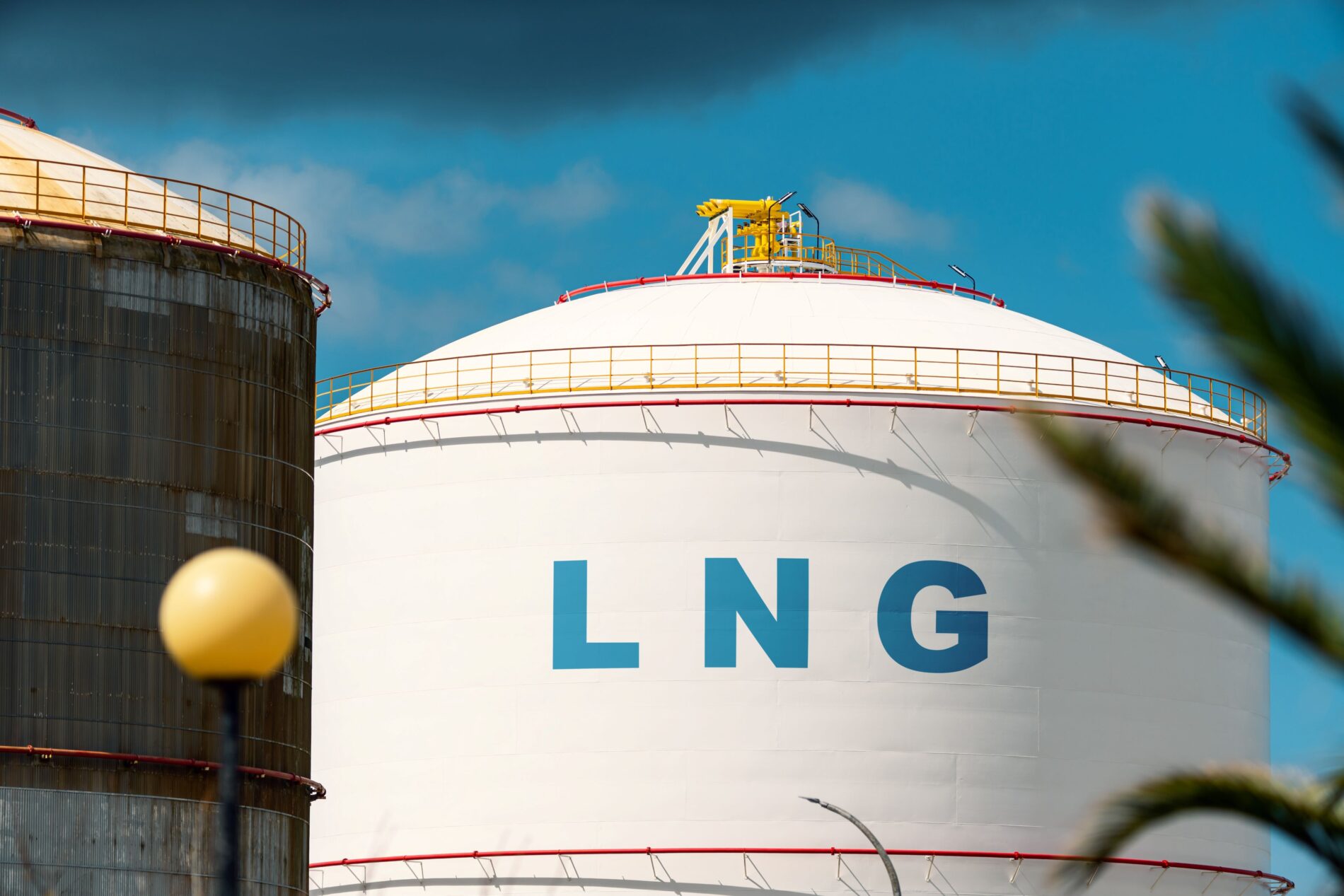
Image: Shutterstock
France was the largest recipient, taking 3.74 million tonnes. It was followed by Belgium with 2.70 million tonnes and Spain with 2.50 million tonnes. Shipments also arrived in the Netherlands and Portugal. The terminals at Zeebrugge, Dunkirk, and Montoir were particularly important; these ports serve as key transshipment hubs within the European gas network.
EU ban allows long-standing contracts to continue
Since April 25, 2026, the EU has prohibited Russian LNG deliveries based on short-term contracts. However, long-term contracts may still be fulfilled until January 1, 2027. For Russian pipeline gas, the transition period generally runs until September 30, 2027, though this can be extended to November 1 if storage levels are low. Importers therefore still have access to legally permissible supply routes for several months.
This record figure does not signal a departure from the announced import ban. Rather, European companies are making full use of existing contracts until they expire. Furthermore, since 2025, the EU has banned the transshipment of Russian LNG cargoes destined for third countries. This keeps additional gas within the European market, leading to a significant drop in Russian shipments to Asia.
Germany sources gas via the European network
Germany does not necessarily import Russian LNG directly through its own terminals. Nevertheless, gas enters the German grid via Belgium, France, and the Netherlands. Once regasified, these volumes mix within the European pipeline system, making it difficult to trace the exact origin at the point of final consumption. Germany thus indirectly benefits from shipments that initially arrive at other EU ports.
This reliance coincides with low storage levels. In early July, German storage facilities were at around 41 percent capacity—the lowest level for that time of year since the crisis winter of 2021/22. Even so, the Initiative Energien Speichern (Energy Storage Initiative) considers a level of 76 percent technically achievable by November. However, at current market prices, there is a lack of strong economic incentives for injection into storage.
A cold winter could hit industrial plants first
Under normal temperature conditions, a storage level of 76 percent might suffice. However, a very cold winter could lead to supply gaps. Modeling indicates potential monthly shortfalls of up to nine terawatt-hours in February and March 2027. On individual days, the gap could reach two terawatt-hours. Consequently, in the event of a shortage, large-scale consumers not classified as “protected” would be the first required to reduce their gas consumption.
By contrast, households and social facilities enjoy statutory priority. The federal government is also planning a strategic gas reserve of approximately 24 terawatt-hours. Establishing this reserve is expected to cost up to 1.5 billion euros. However, this reserve will arrive too late for the 2026/27 winter; current plans schedule the initial filling for the summer of 2027.
New gas-fired power plants to increase future gas demand
According to the Federal Network Agency, Germany requires an additional 22.4 to 35.5 gigawatts of dispatchable power plant capacity by 2035. A significant portion of this is expected to come from new gas-fired power plants, which could lead to a substantial increase in annual gas consumption. At the same time, the EU must completely replace Russian LNG, likely intensifying competition for supplies from the US, Qatar, and other exporting nations.
Furthermore, starting in 2027, the EU Methane Regulation will tighten requirements for imported gas. Suppliers will be required to progressively demonstrate comparable data and controls regarding methane emissions. Major importers are therefore warning of a potential reduction in the supply of compliant gas volumes. Europe is thus terminating its Russian contracts against a challenging backdrop: low storage levels, new gas-fired power plants, and stricter import regulations are all driving up procurement needs.
Author: Blackout News
Sources: Focus (15.07.26) – Reuters (13.07.26) – Urgewalt (13.07.26) – INES (07.07.26) – ACER (01.07.26)