
-
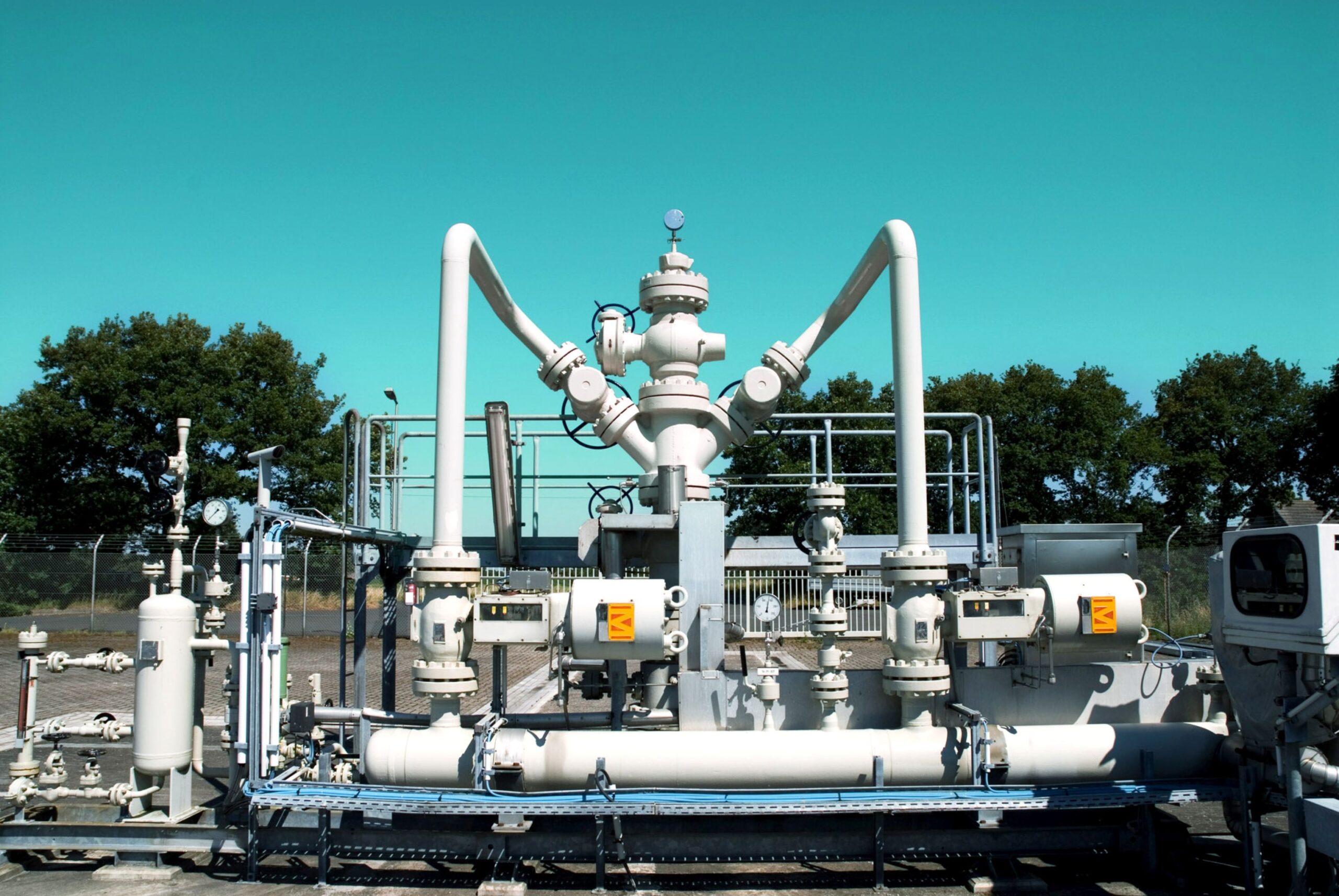
Gas supply ahead of winter: Storage facilities only half full – government rejects emergency purchases
Berlin – Germany’s gas supply is entering the critical pre-winter phase with unusually low reserves. Storage facilities were only 48.63 percent full on August 12; the figure was significantly higher at the same time last year. Nevertheless, the government has so far rejected short-term emergency state purchases. At the same time, high gas prices are…
-
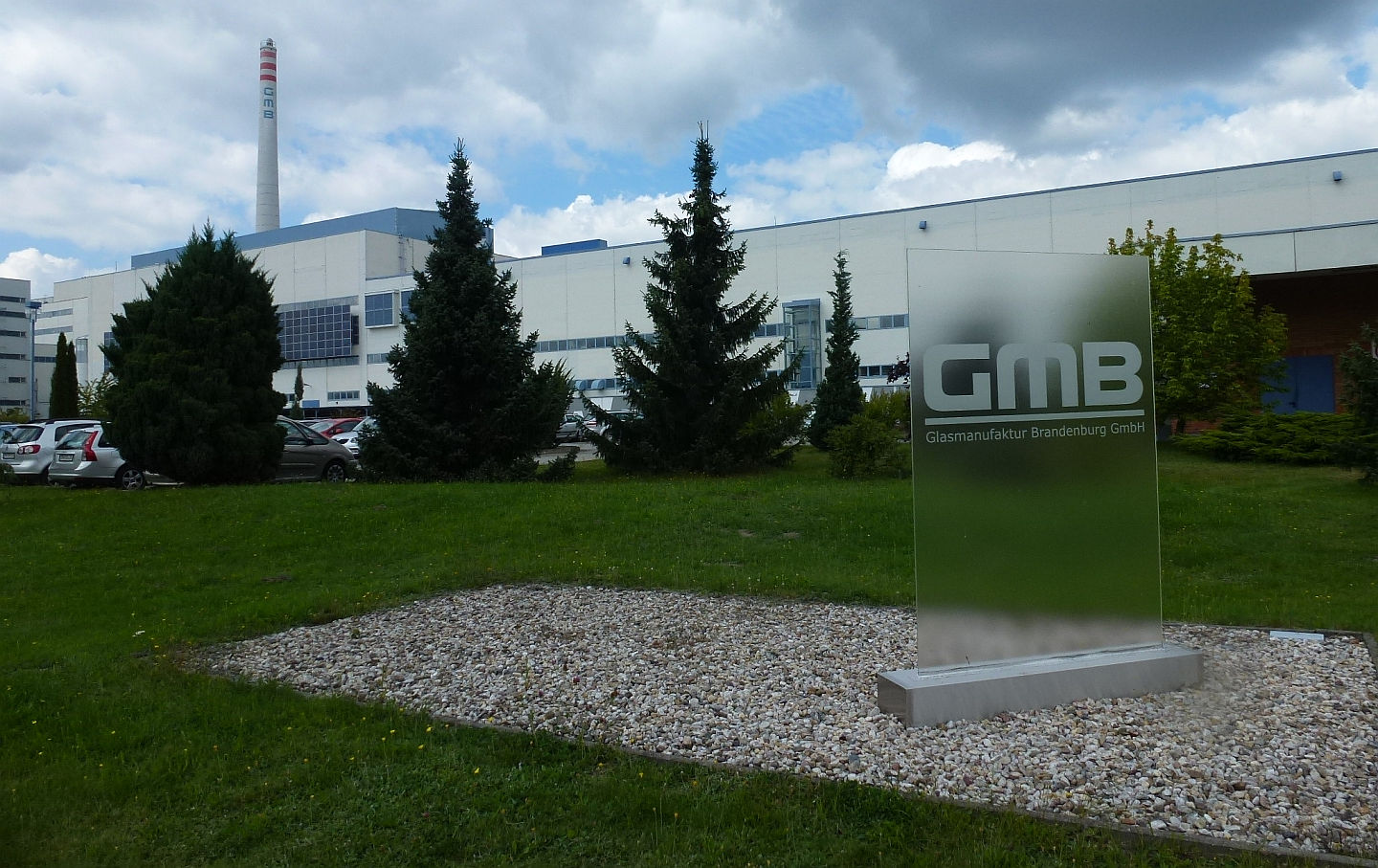
Solar industry loses Europe’s last solar glass manufacturer – rescue attempt finally fails
Tschernitz – In early August 2026, final efforts to save Glasmanufaktur Brandenburg (GMB) definitively failed. No new investor was found for the insolvent manufacturer, even though talks with an interested party were still underway as late as April. As a result, the European solar industry is losing its last source of solar glass production. The…
-
Accell insolvency hits Haibike, Winora, and Ghost – 370 employees affected
Sennfeld – On August 5, 2026, Accell Germany and three German subsidiaries filed for insolvency proceedings under self-administration with the Schweinfurt District Court. The move affects the Haibike, Winora, and Ghost brands, as well as approximately 370 employees in Sennfeld and Waldsassen. This step followed the definitive collapse of the sale process for the international…
-

Head of Federal Network Agency: Gas consumers should prepare for higher bills
Klaus Müller, head of the Federal Network Agency, expects higher gas prices in Germany in the medium term. “We are seeing a great deal of uncertainty due to the blocking of the Strait of Hormuz. That, in turn, means gas consumers and tenants should brace themselves for higher bills,” Müller told the news portal t-online.…
-

Tax relief: Much ado about nothing – Merz calls for optimism
A commentary by our author Klaus Bastian: As early as June, Chancellor Friedrich Merz warned against “pessimism and doom-mongering regarding our country’s future.” Yet citizens are still waiting for the major economic policy breakthrough promised to them both before and after the federal election. The announced tax relief is not set to take full effect…
-
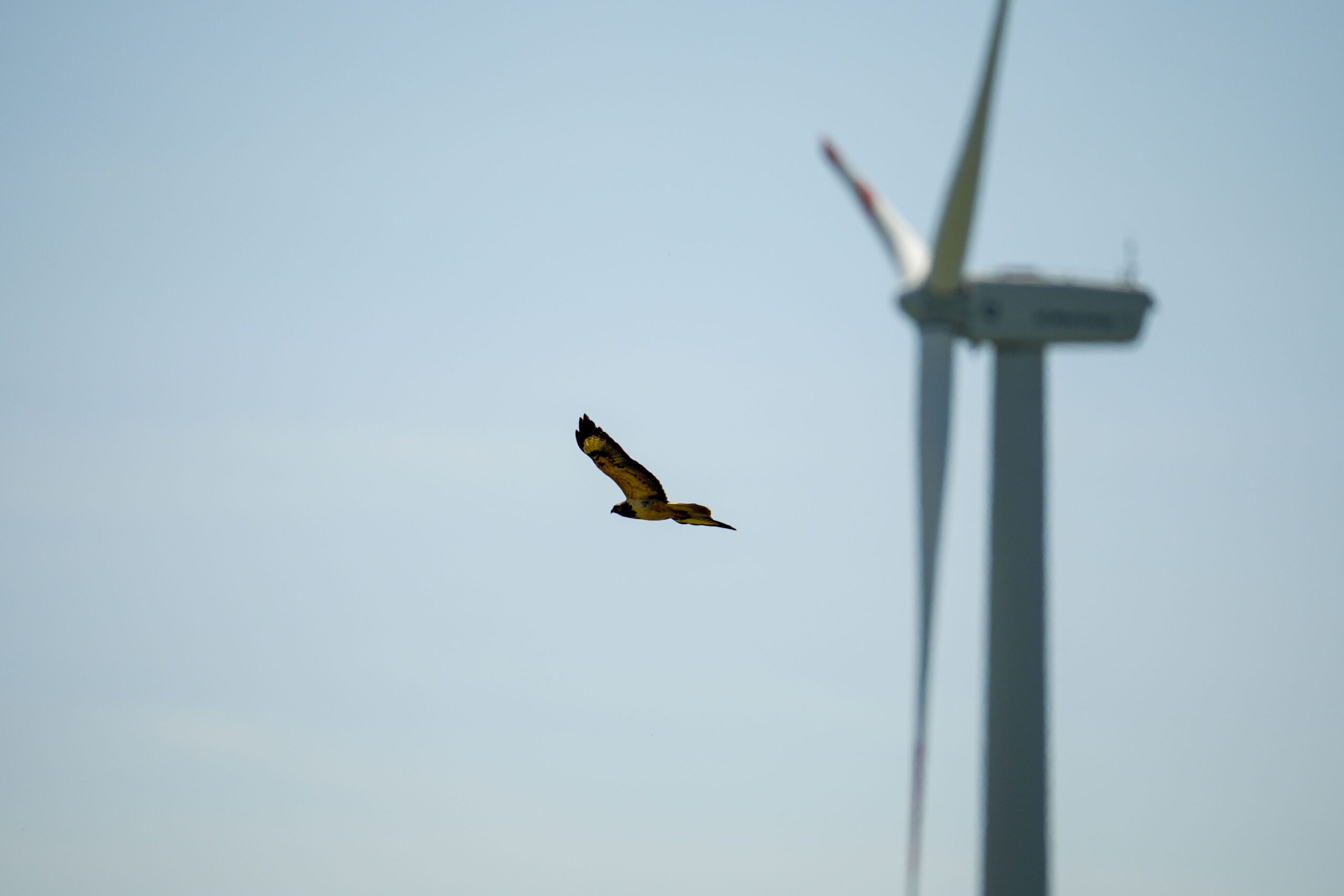
Seabirds alter flight paths at offshore wind farm
Off the coast of Zhejiang, China, seabirds alter their flight behavior in the immediate vicinity of an offshore wind farm. To investigate this, researchers tracked three adult bridled terns near their breeding colony in 2023 and analyzed high-resolution satellite data. The study, published on July 29, 2026, reveals more pronounced course changes and lower flight…
-
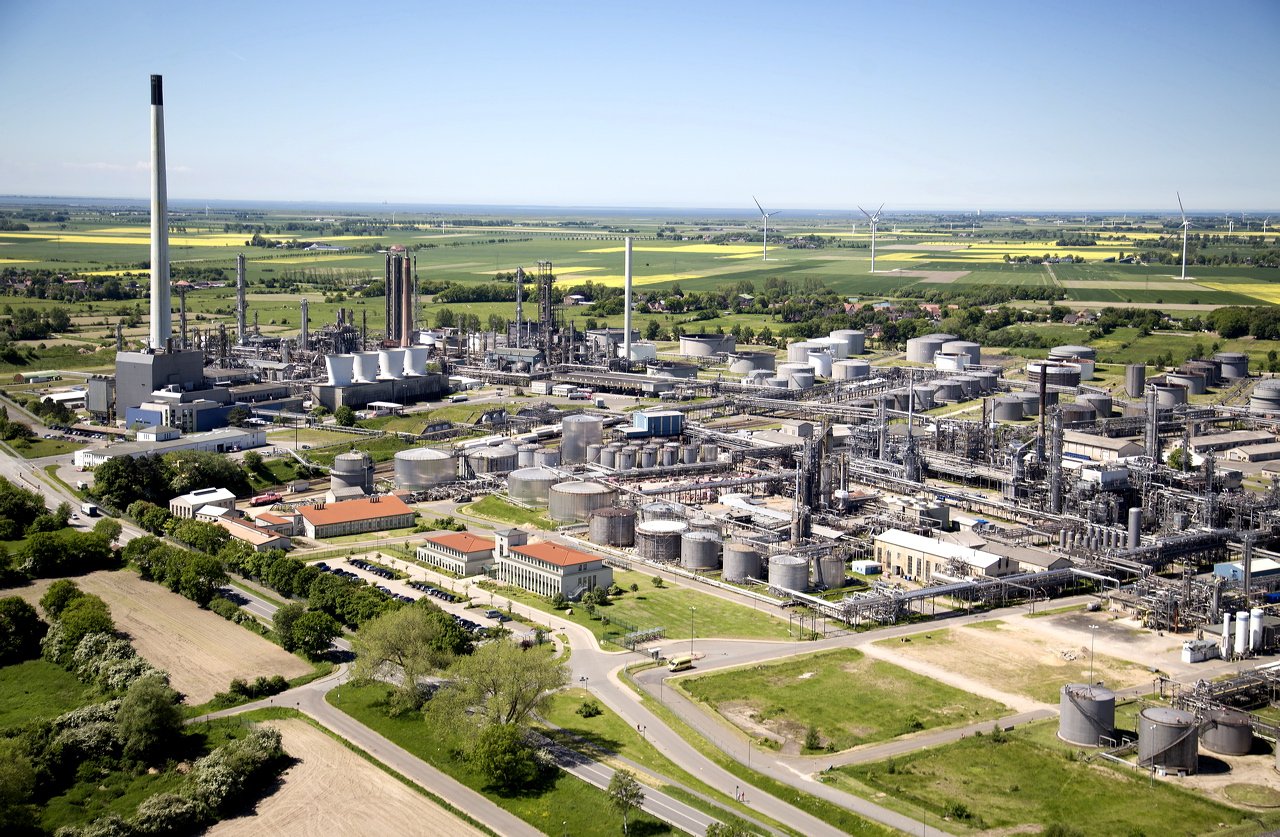
HySCALE100 hydrogen project fails – 2.1-gigawatt expansion near Heide off the table
Hemmingstedt/Heide – The HySCALE100 hydrogen project at the Heide refinery has definitively failed. News of the project’s cancellation emerged on August 12, 2026. The federal and state governments had allocated nearly 900 million euros for the initiative, which had planned for electrolyzers with a capacity of up to 2.1 gigawatts. The refinery cites a lack…
-

Lear pulls production out of Germany – relocation costs 180 jobs
Gründau – US automotive supplier Lear is moving production away from its Gründau site in Hesse, effectively withdrawing those operations from Germany. The relocation process is set to begin as soon as possible and conclude by mid-2027, resulting in the complete elimination of production and logistics activities at the plant. According to the trade union…
-
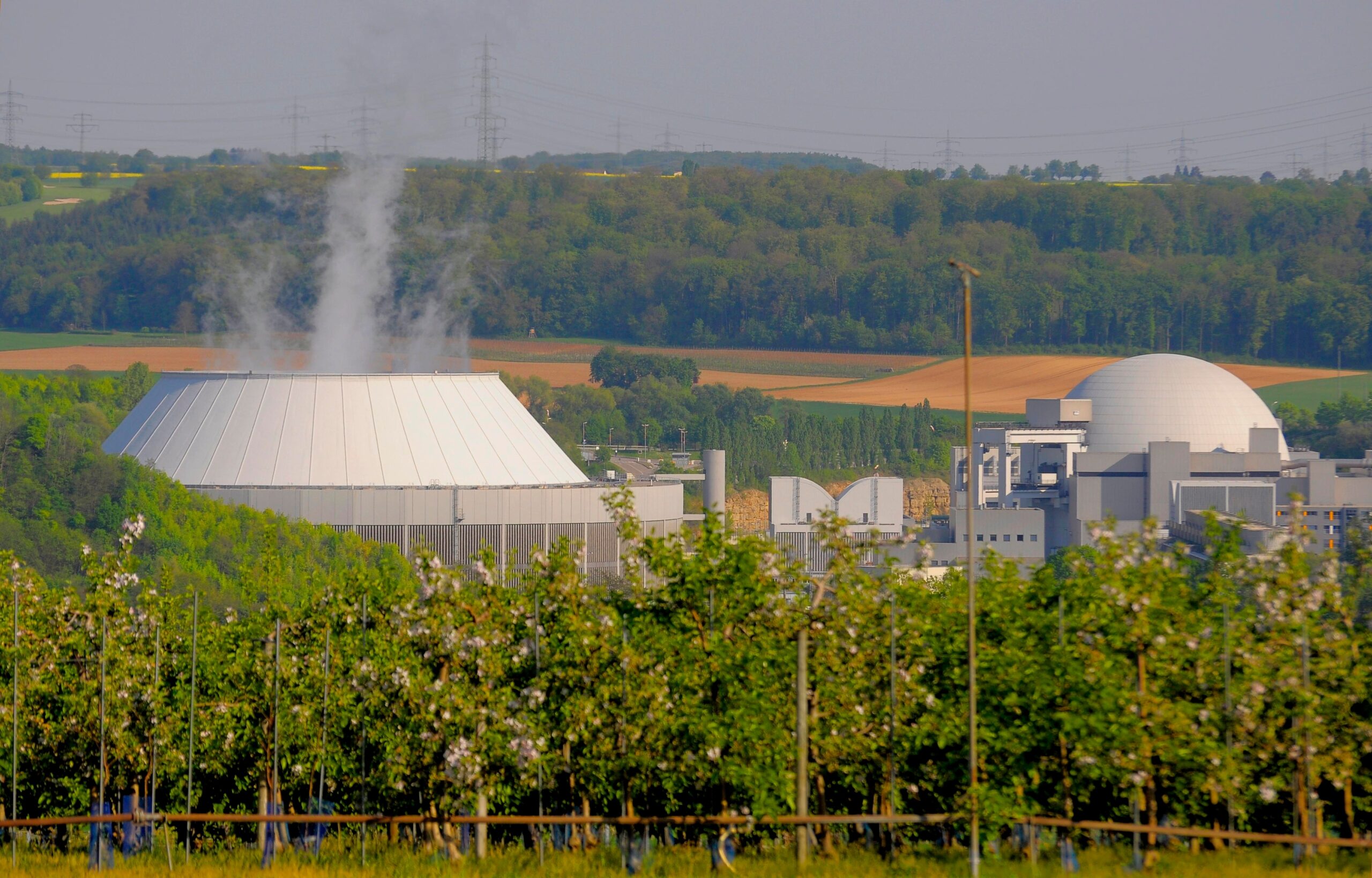
Reactivating nuclear power instead of billions in subsidies for new gas-fired power plants
More than three years after the shutdown of the last German reactors, the reactivation of nuclear power is once again gaining traction. Under the Electricity Supply Security and Capacity Act (StromVKG), the federal government will fund new, reliable power plant capacity for periods of low wind and solar output. New gas-fired power plants are expected…
-

Oil extraction in the Baltic Sea: German opposition to Poland’s 22-million-tonne find
Świnoujście/Usedom – Poland possesses one of the country’s largest conventional oil deposits just off its Baltic Sea coast, yet opposition is mounting on the German side. According to the company involved, the Wolin East field holds approximately 22 million tonnes of recoverable oil and five billion cubic meters of natural gas. The state of Mecklenburg-Western…
-
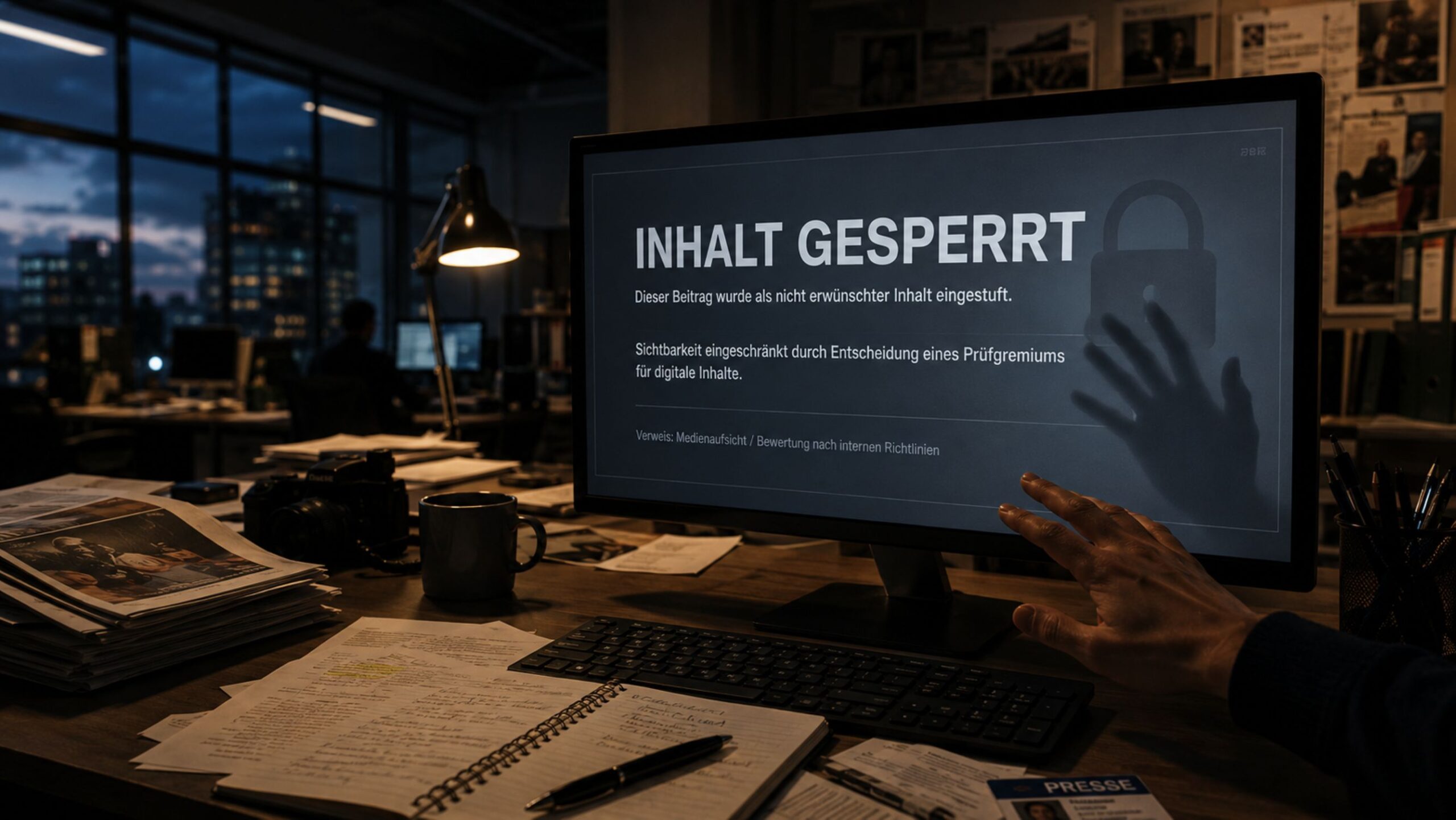
From Watchdog to the Watched – How Press Freedom Is to Be Curtailed
A commentary by our author Klaus Bastian: In the summer of 2026, political initiatives are gaining momentum that could reshape the relationship between the state and critical media. The federal government intends to restrict access to government records under the Freedom of Information Act, while new oversight models for digital media are simultaneously being discussed.…
-

Digitization of public administration: Court of Auditors criticizes serious planning flaws
Berlin: The Federal Court of Auditors has criticized significant shortcomings in the digitalization of German public administration. At the heart of the issue is the so-called “Deutschland-Stack”—the planned shared technical foundation for digital services across federal, state, and local governments. The aim is for authorities to use the same systems for identification, data exchange, registry…
-

Record exports mask crisis – corporate insolvencies 75 percent above previous levels
Germany is reporting rising exports and economic growth, yet corporate bankruptcies continue to increase. In June 2026, goods exports were 6.6 percent higher than the previous year’s figure, reaching a monthly record. Gross domestic product also grew by 0.9 percent year-on-year in the second quarter. Nevertheless, the IWH recorded 1,689 insolvencies among partnerships and corporations…
-

Mechanical Engineering: Engmatec closes following insolvency – all 150 jobs at Lake Constance lost
Radolfzell am Bodensee – The German mechanical engineering sector is losing another medium-sized industrial company: Engmatec. By early August 2026, it was confirmed that the company would cease operations entirely by the end of October. Around 150 employees are losing their jobs; termination notices were issued as early as the end of July. However, the…
-
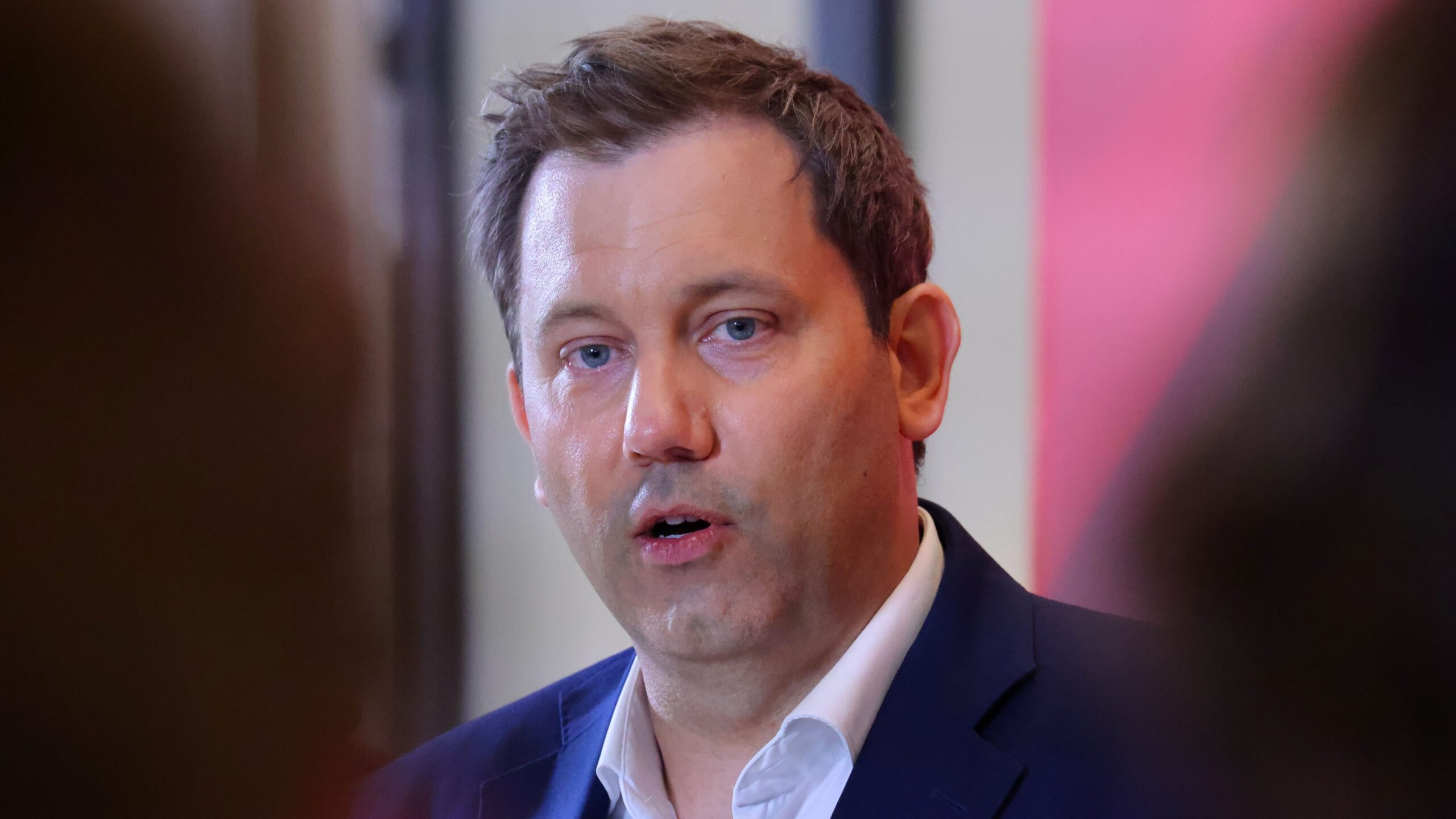
Budget crisis: Klingbeil dismisses budget chief amidst budget deliberations following internal criticism
Berlin – Federal Finance Minister Lars Klingbeil has replaced budget chief Corinna Westermann in the midst of deliberations on the 2027 federal budget. This move exacerbates the budget crisis, as Westermann reportedly criticized the soundness of the financial planning internally. However, the ministry denies any connection, describing the change as having been in preparation for…