
-
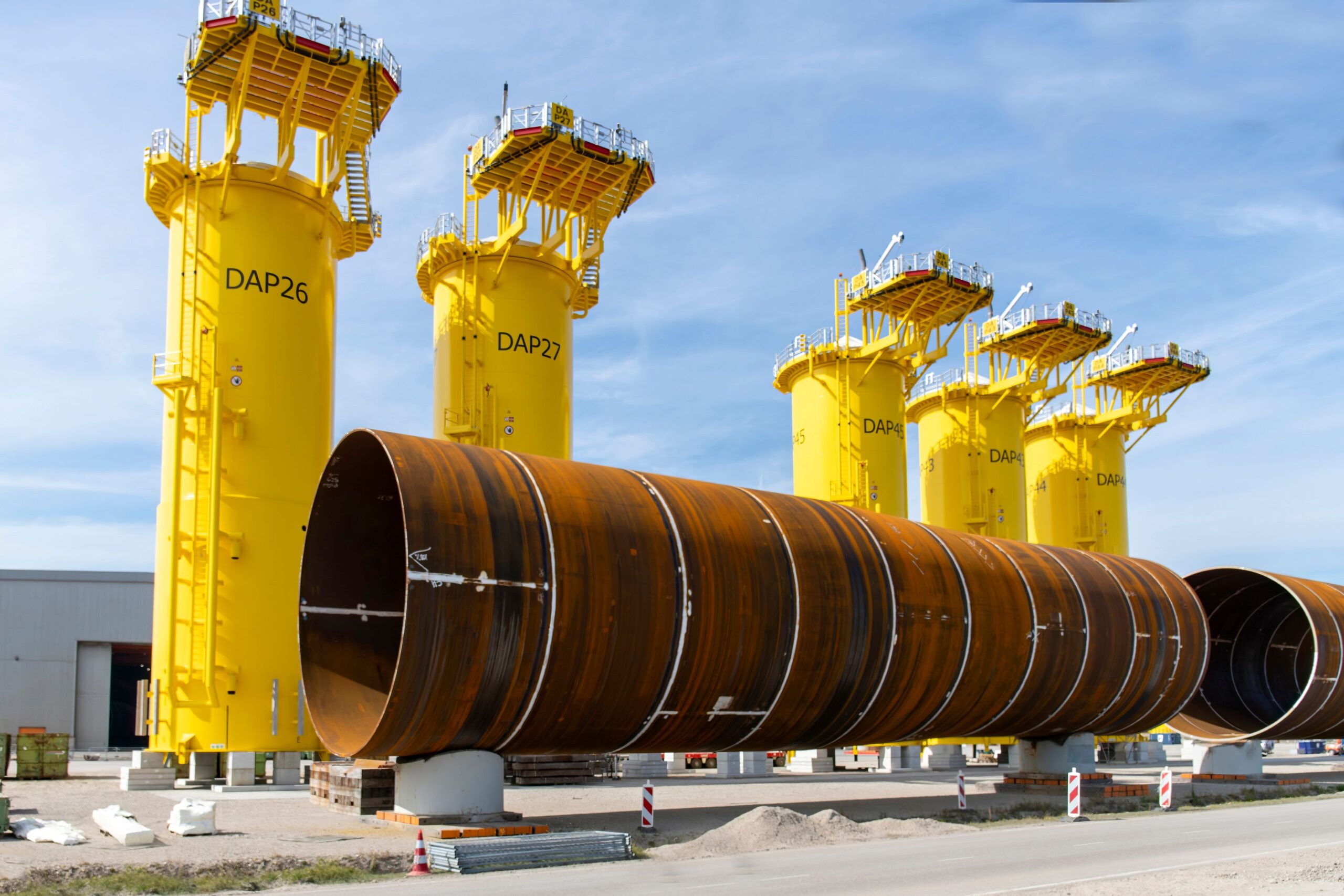
EEW cuts more than 100 jobs in Rostock – offshore slump hits supplier
The offshore supplier EEW plans to cut more than 100 permanent jobs by the end of the year. At the same time, the use of temporary agency workers is to be almost entirely phased out. These measures are driven by a lack of new offshore orders, competition from China, and expected underutilization of capacity through…
-

Vitol CEO Russell Hardy: “We have exhausted available oil stocks.”
The head of Vitol, the world’s largest independent oil trader, has warned that available oil stocks in the West have been exhausted. “There are no further inventories left in the West that we can draw down. We have used up the available stocks,” Russell Hardy said at the Energy Intelligence Forum in London. This situation…
-

Europe’s energy dependence: US supplies nearly 60 percent of LNG
A commentary by our author Klaus Bastian: In early October 2026, Europe’s energy dependence is manifesting in a new form. While the EU has drastically reduced Russian gas supplies since 2021, the US now supplies nearly 60 percent of its LNG. The current dispute over diesel highlights this new vulnerability. Washington demanded that Germany and…
-
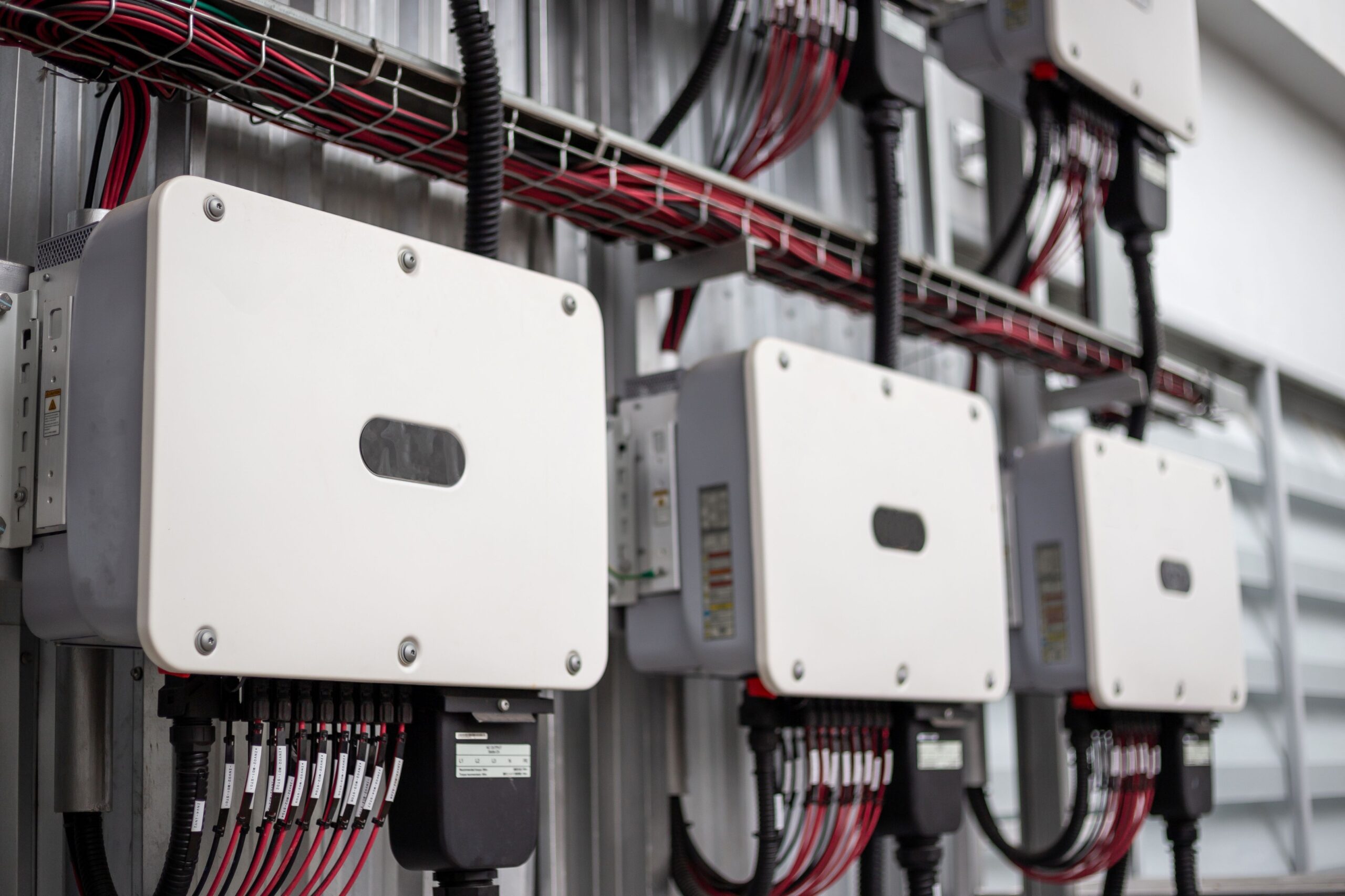
Sungrow inverters: Hackers could have accessed 250,000 German solar installations
A security vulnerability at the Chinese inverter and storage manufacturer Sungrow exposed around 250,000 solar installations in Germany to unauthorized access. The flaw was discovered in late August 2026 by Marlon Starkloff, Managing Director of the Kassel-based IT security firm Jakkaru. While testing Sungrow’s iSolarCloud platform, he managed to gain access to administrative accounts without…
-

Forvia warns of failures among auto suppliers – up to 10,000 jobs affected by its own restructuring
Lippstadt/Nanterre – In early October 2026, Forvia CEO Martin Fischer warned of further consolidation in the global automotive supplier industry. Weak demand in Europe, cost pressures, and growing competition from China are exacerbating the situation. Consequently, if a small specialized supplier fails, entire production lines at manufacturers can come to a standstill. At the same…
-
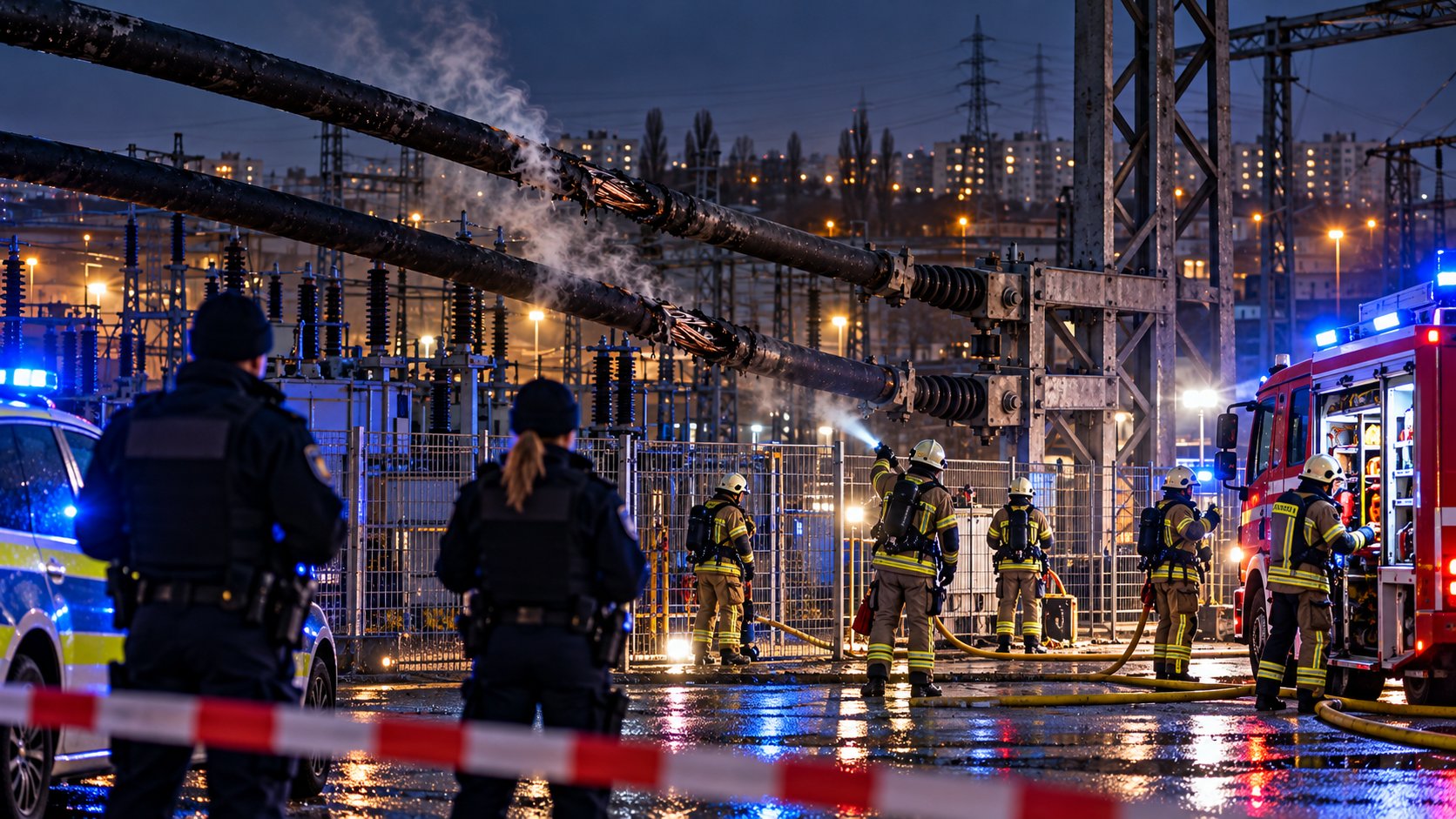
Another act of sabotage against Berlin’s power grid – two 110 kV cables damaged, 19 businesses affected
Berlin-Marzahn – Another act of sabotage affected parts of Berlin’s power grid early Monday morning. Around 4 a.m., unidentified individuals set a fire beneath a cable bridge on Boxberger Straße, damaging two 110 kV high-voltage cables and several 10 kV lines. As a result, 19 commercial businesses had to be temporarily disconnected from the regular…
-

Friedrich Merz – the Don Quixote of German politics?
A commentary by our author Klaus Bastian: Friedrich Merz set out with exceptionally ambitious promises. The AfD was to shrink, the Union to grow stronger, and Germany to return to economic growth. At the same time, the Union pledged sound finances, less bureaucracy, and lower energy costs. By early October 2026, however, several outcomes hardly…
-
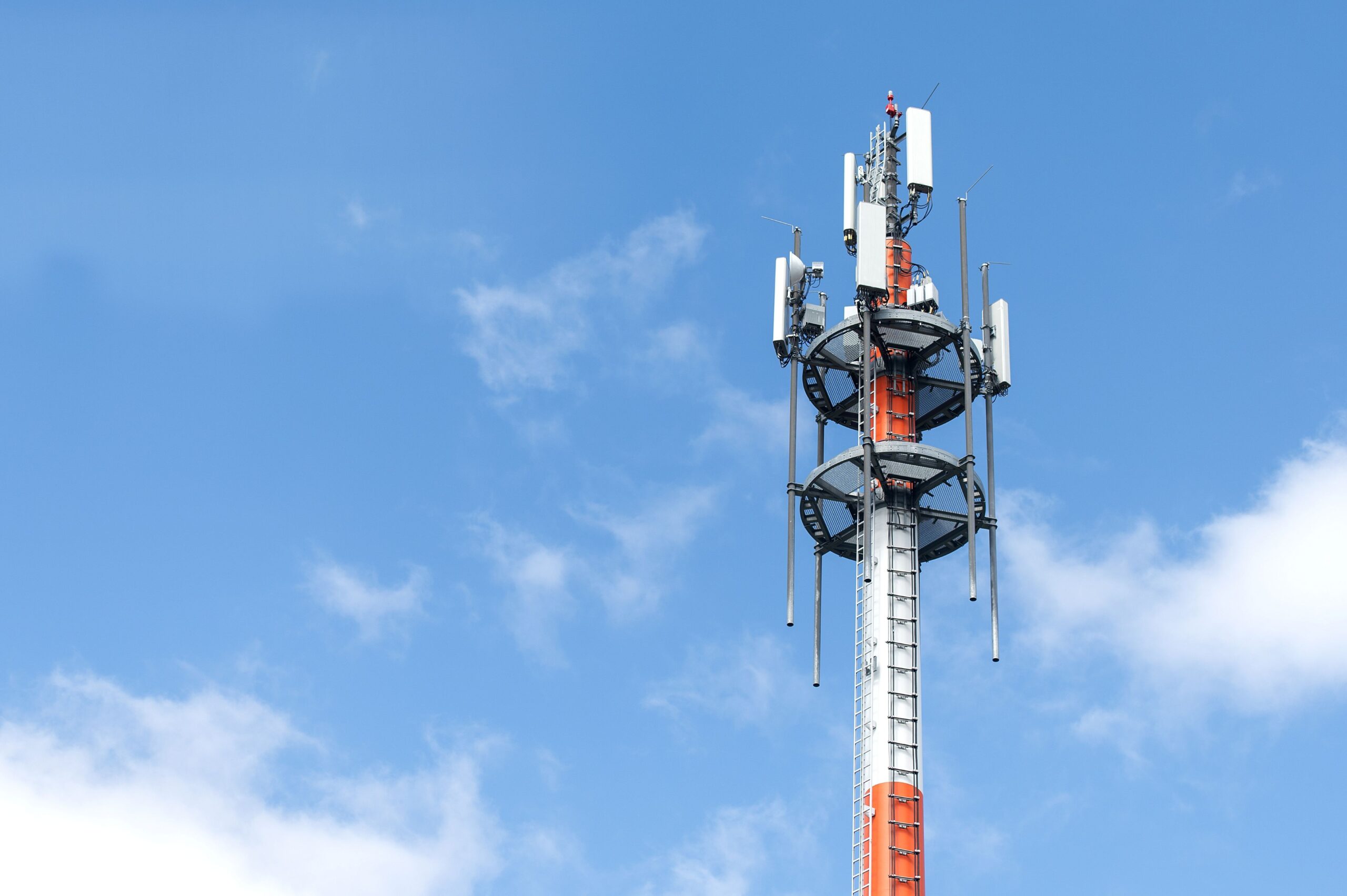
Interior Ministry could ban Huawei technology at 46,000 mobile network sites
Up to 46,000 German mobile network sites could be affected by a sweeping ban on Huawei. The Federal Network Agency is currently preparing the regulatory framework for this and intends to classify key functions of the 5G radio access network as critical. Once the process concludes, the Federal Ministry of the Interior could prohibit the…
-

Industrial orders slumped in August – but three-month trend remains positive
After two sharp increases in June and July, orders for German industry slumped in August: incoming orders in the manufacturing sector fell by 10.6 percent compared to the previous month, the Federal Statistical Office in Wiesbaden announced on Tuesday. However, looking at the three-month comparison, there was an overall increase of 1.3 percent. In July,…
-

Paderborn faces drastic cost-cutting: a deficit of nearly 100 million euros – 400 jobs to be cut
Paderborn is heading toward drastic budgetary consolidation measures. Current forecasts indicate that the annual deficit will rise to €99.87 million by 2037. Without countermeasures, the city’s equity would turn negative as early as 2032; projections suggest a deficit of €544 million by 2037. Consequently, the city plans to cut services, raise fees, and eliminate nearly…
-
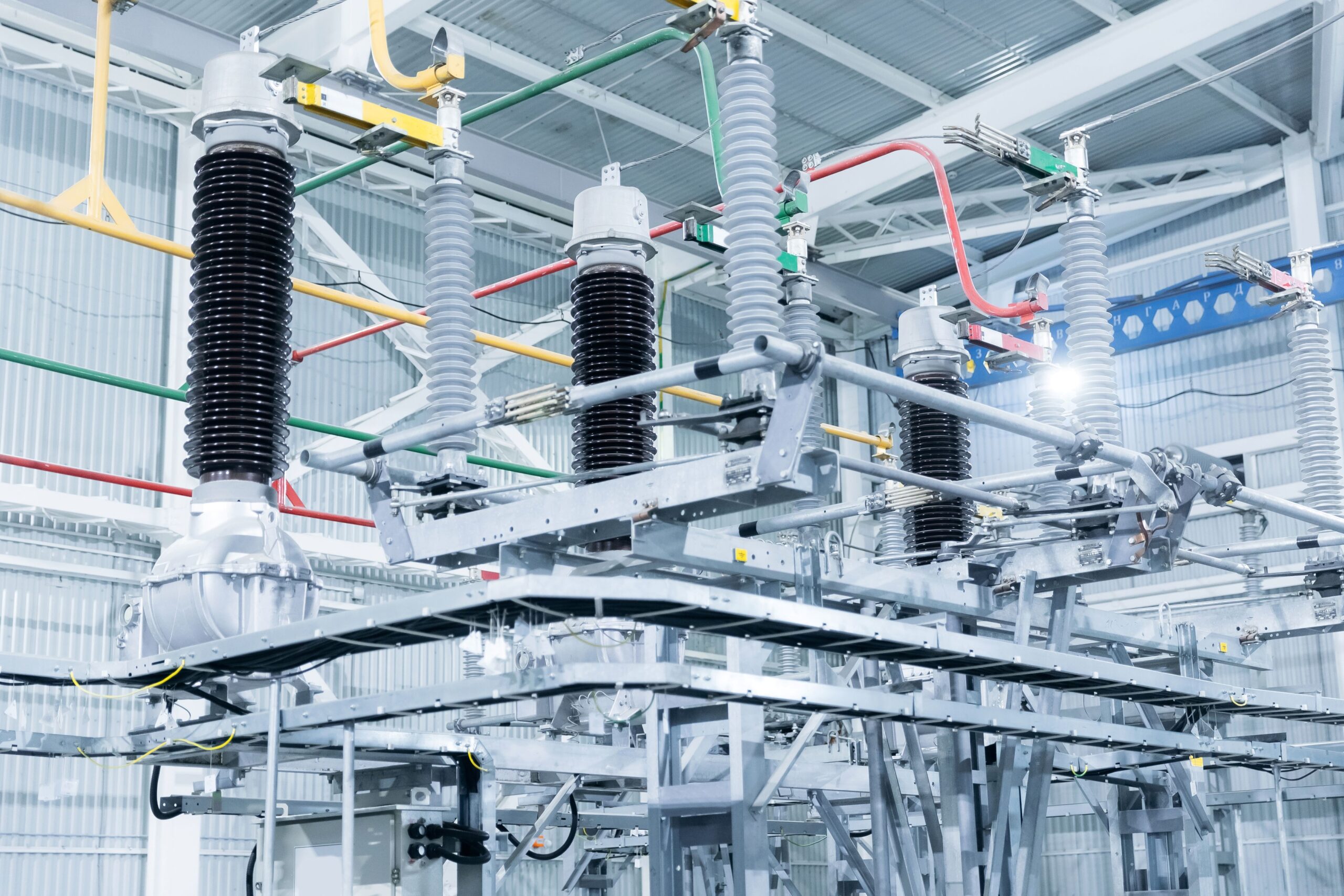
165 suspected cases of sabotage in eight months – Schleswig-Holstein steps up protection of power grid
German security authorities recorded more than 165 suspected cases of sabotage nationwide between January and the end of August 2026. In addition, there were 747 suspicious drone incidents involving a total of 1,068 observed aircraft. Following specific attacks on the power grid in Brandenburg, North Rhine-Westphalia, and Saxony, Schleswig-Holstein is now also stepping up its…
-
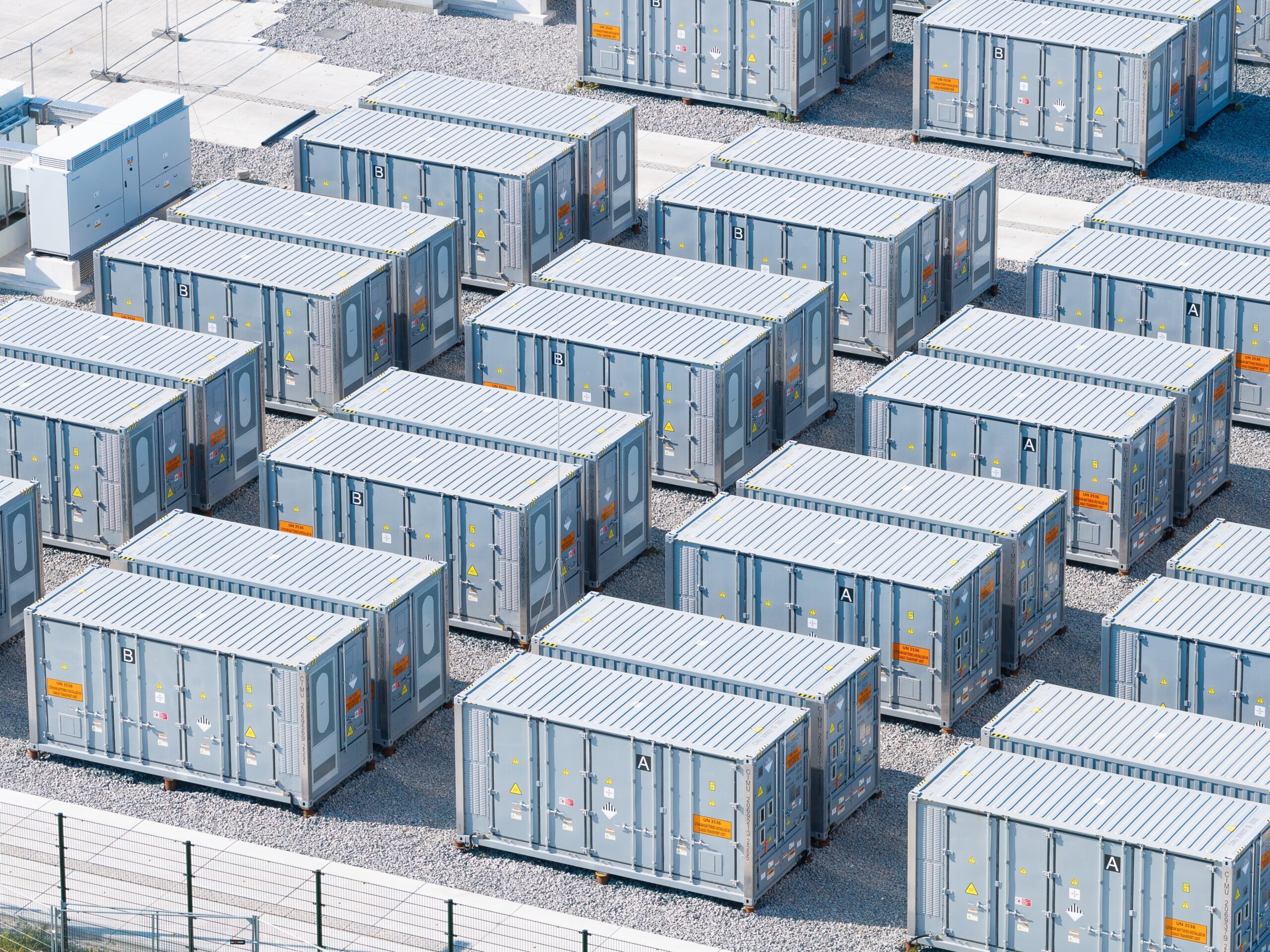
Battery storage: The next great hope for storage is cannibalizing itself
A commentary by our author Klaus Bastian: Following the sluggish ramp-up of the hydrogen sector, battery storage systems are increasingly moving to the heart of the energy transition. Fraunhofer ISE has now demonstrated that an additional 20 gigawatts of capacity could reduce daily price fluctuations in the electricity market by around 60 percent. Yet these…
-
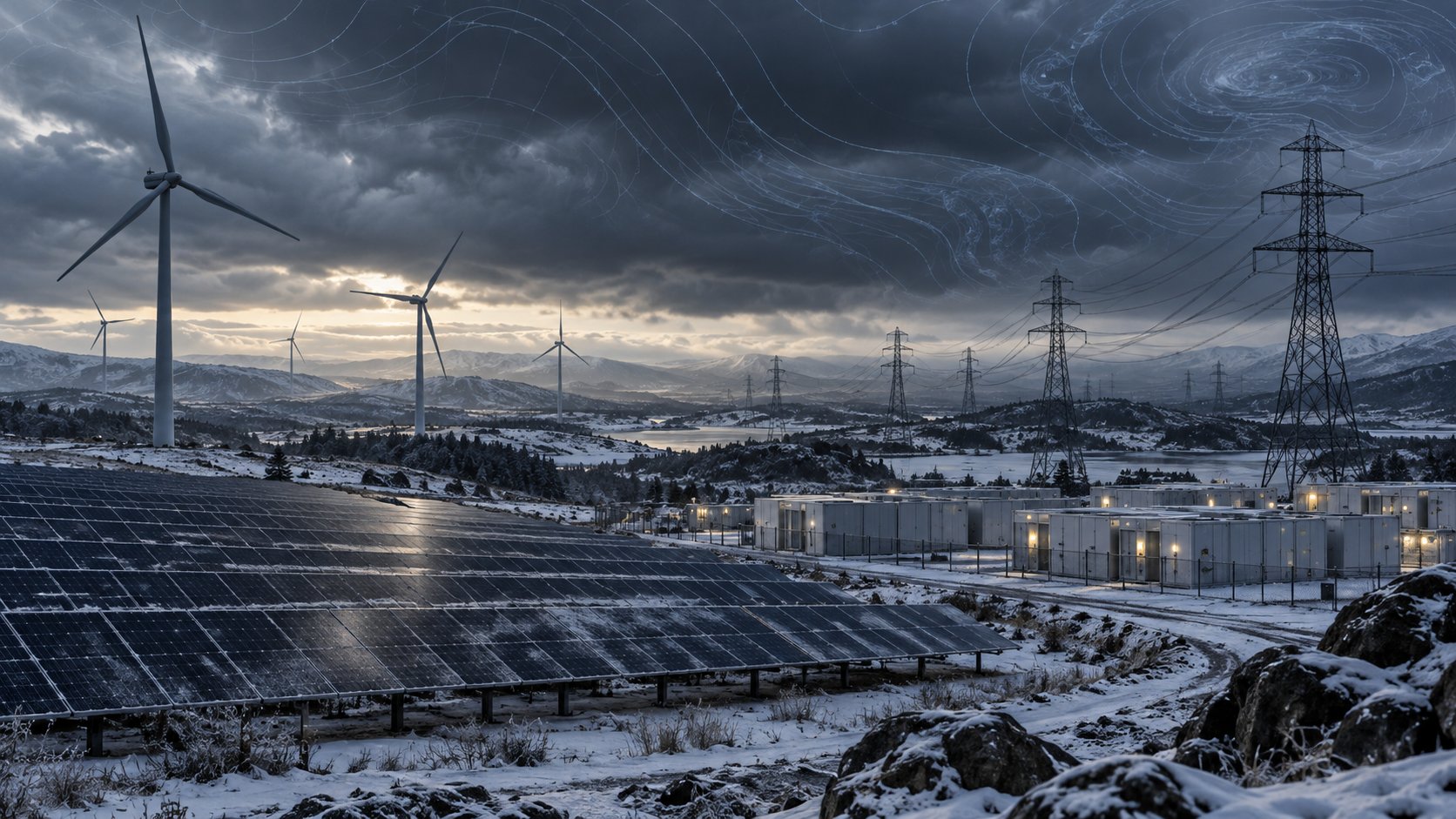
Power generation models based on historical weather data could underestimate periods of low wind and solar output
Two new scientific studies reveal a vulnerability in the planning of future power systems. Historical weather data may no longer adequately reflect critical gaps in generation. A study published in Nature calculates that, under a specific climate scenario, periods of low combined wind and solar output would last 155.7 percent longer. Another study, analyzing 35…
-
Environment Minister Schneider floats the idea of higher water prices for data centers
Federal Environment Minister Carsten Schneider (SPD) has floated the idea of higher water prices for data center operators. “Periods of water scarcity are becoming more frequent in Germany, too. This gives rise to new questions regarding allocation, for which we must find fair answers,” Schneider said in Berlin. “When water is scarce, citizens’ basic needs…
-

EU Deforestation Regulation Burdens Indigenous Forestry in the USA
The EU Deforestation Regulation is now affecting indigenous forestry operations in the USA, even though they often do not sell their timber to Europe at all. American sawmills, paper manufacturers, and other buyers are increasingly demanding information on the origin of the wood so that they can subsequently sell their products in the EU. Requirements…