
In August 2026, Austria’s agricultural sector is suffering from a historic drought, with severe consequences for cattle farmers and slaughterhouses. A shortage of fodder is forcing many farmers to reduce their herd sizes and significantly bring forward scheduled slaughter dates. In Salzburg, daily slaughter numbers at Alpenrind have risen from around 250 to approximately 400 animals. Other facilities are also reporting a substantial increase in livestock for slaughter. At the same time, many pastures are lacking up to 50 percent of their usual forage, while some farmers have already begun feeding their winter reserves to their livestock. Agricultural losses due to the drought have now reached approximately one billion euros.
Shortage of feed drives sharp rise in slaughter numbers
This trend is now evident in several federal states. ARGE Rind recently reported around three times the usual number of cows being marketed for slaughter. Many farms are reducing their herds so that available feed lasts through the winter for the remaining animals. Additionally, water shortages are cutting the alpine grazing season short in some regions, forcing farmers to bring their livestock down from the pastures earlier than usual.
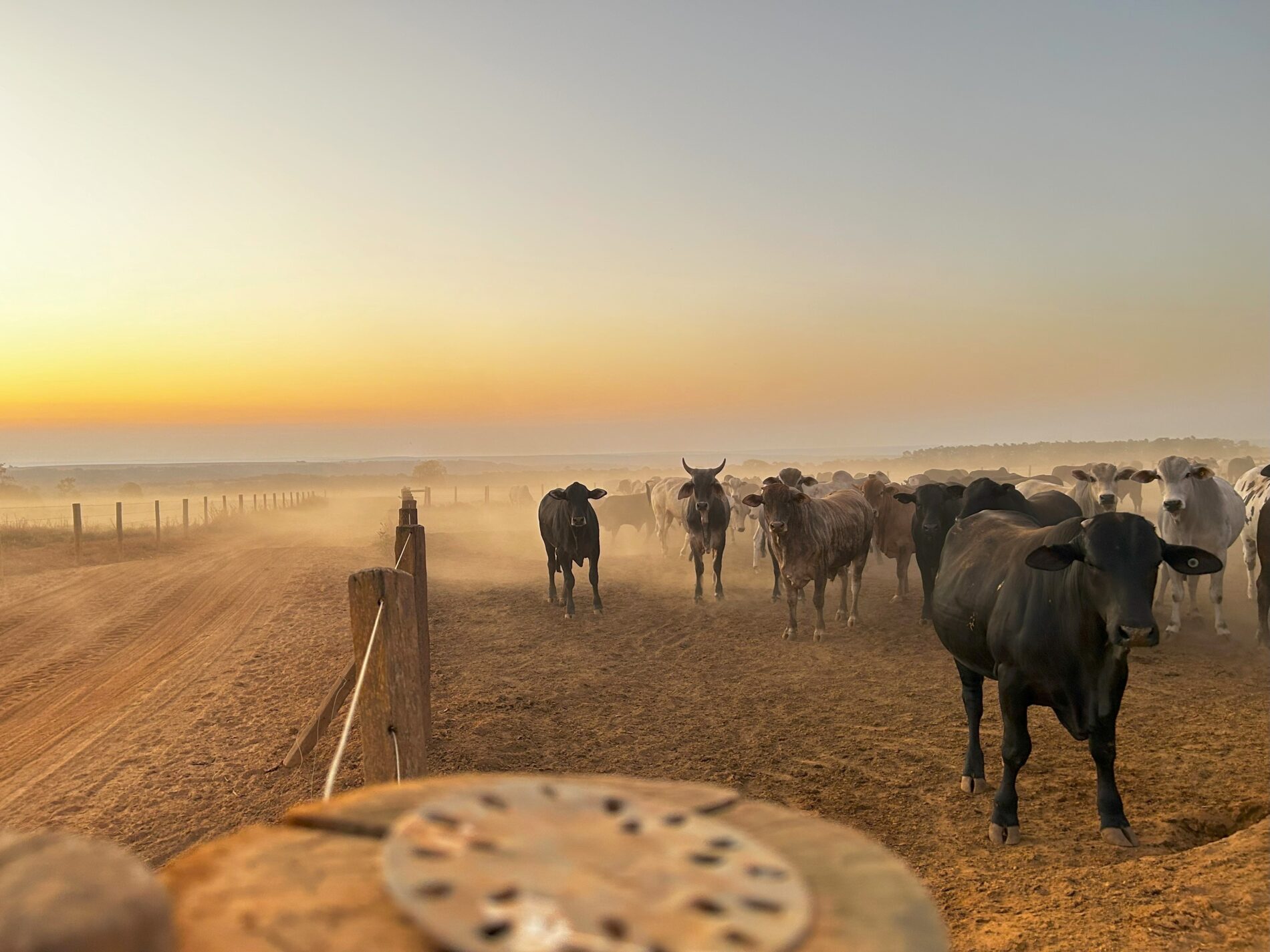
Image: Shutterstock
However, this surge in volume is also placing a strain on the meat industry. At the Handlbauer slaughterhouse in Linz, the number of animals arriving at times was roughly double what is seen under normal market conditions. Large quantities of meat cannot be sold fresh immediately during the summer and must therefore be frozen. Cold storage facilities are already operating at above-average capacity, with some reaching their limits. In addition, storage and energy costs are mounting, while the frozen product loses value.
Drought destroys green fodder and winter reserves
Austria’s grasslands have been hit particularly hard by the drought. The Ministry of Agriculture anticipates yield losses of up to 50 percent on many forage areas. Consequently, many livestock farmers are already feeding their animals supplies intended for autumn and winter. At the same time, the widespread drought is making it difficult to purchase hay and other animal feed.
The shortage of fodder is also altering the cattle market. In early August, ARGE Rind reported a drop of up to 25 percent in the price of slaughter cows compared to mid-July. At the same time, the association called for a temporary reduction in live imports of cattle destined for slaughter. According to ARGE Rind, up to 1,000 cows are normally imported into Austria from abroad for slaughter each week.
One-billion-euro loss exacerbates the situation
However, the drought is affecting far more than just cattle farming. The Austrian Hail Insurance Company (Österreichische Hagelversicherung) now estimates the damage caused by the drought at around one billion euros. All federal states are affected, as are crops such as grassland forage, corn, potatoes, sugar beets, pumpkins, soybeans, and—in certain regions—grain. Since mid-June, some regions have seen more than 75 percent less precipitation than the ten-year average. Furthermore, nationwide rainfall in July was less than half the usual amount.
Consequently, the government is looking into aid measures for affected farms. Following a roundtable discussion on August 11, options under consideration include interest subsidies for operating loans and social security relief. The Ministry of Agriculture also aims to ensure a supply of animal feed for livestock farmers. However, a specific figure for additional state aid has not yet been determined. Without substantial rainfall, the shortage of feed is likely to force more farmers to reduce their herds and send animals to slaughter prematurely.
Author: Blackout News
Sources: Bundesministerium für Landwirtschaft (11.08.26) – ORF Salzburg (11.08.26) – Österreichische Hagelversicherung (10.08.26) – Kurier (07.08.26)