
The widespread power outage on the Iberian Peninsula on April 28, 2025, struck Spain and Portugal almost simultaneously, crippling key parts of the power grid within seconds. The final report cites a dangerous combination of severe voltage fluctuations, high solar power generation, and a lack of stabilizing power plant capacity as the cause. New audio recordings also reveal that technicians warned of an impending blackout even before the collapse. Millions of households, businesses, transportation systems, and parts of the digital infrastructure were affected, while power supply to several regions failed completely.
Final report reveals the root cause of the blackout
The analysis identifies not a single event, but a chain of technical problems. Hours before the outage, voltage instability increased significantly. Rapid fluctuations in the power feed-in from photovoltaic systems, in particular, strained the grid. At the same time, there were not enough dispatchable power plants to effectively absorb these fluctuations.
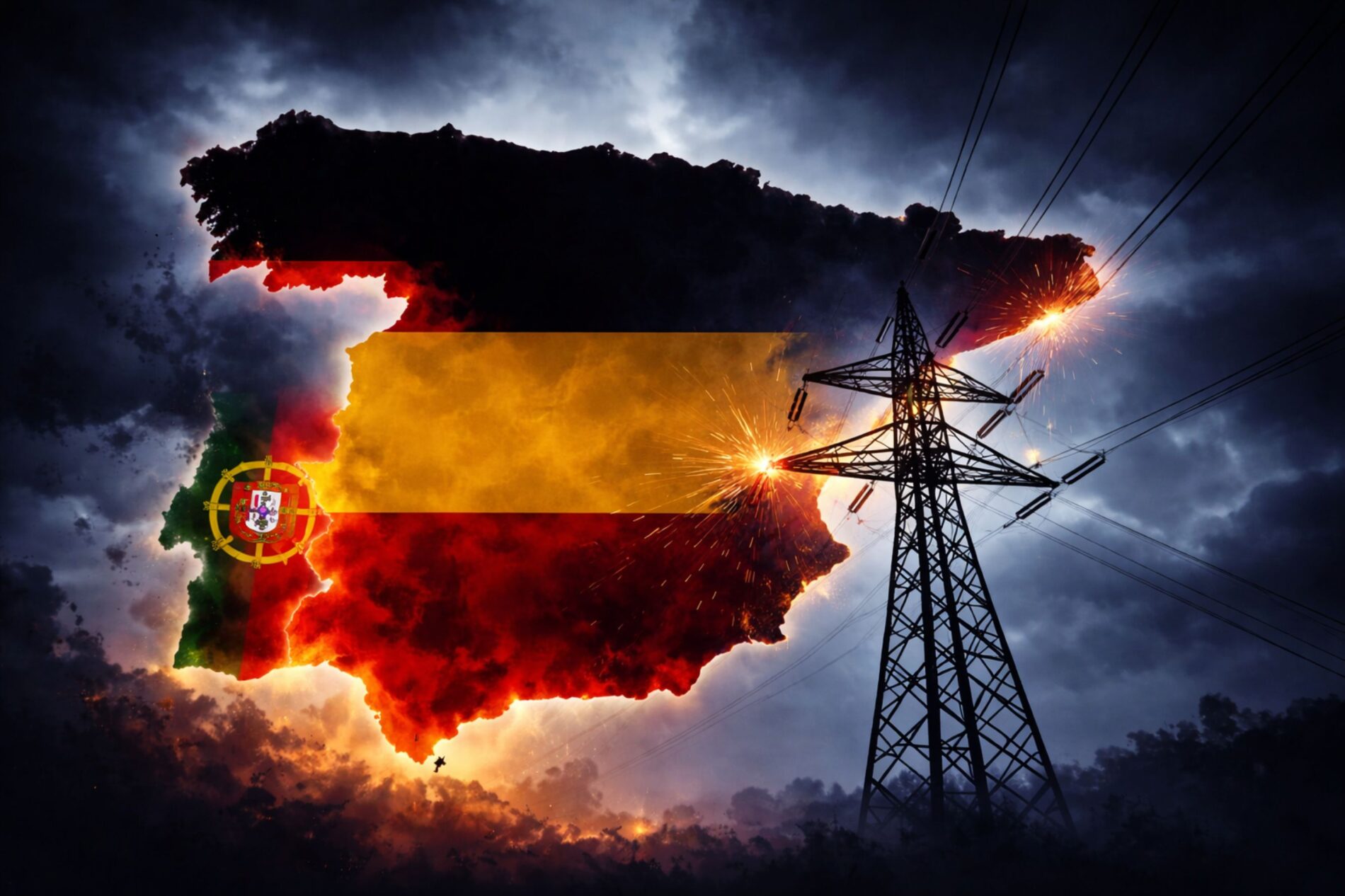
Several sections of the grid were pushed into a critical state as a result. While some regions were generating a large amount of solar power, the overall grid reacted too slowly. This caused tensions to escalate further. Ultimately, a chain reaction ensued, causing the grid to collapse within a short time.
Audio recordings document warnings shortly before the collapse
The published recordings provide direct insight into the minutes leading up to the blackout. Technicians reported “very large fluctuations in photovoltaic output” and a situation that was becoming increasingly difficult to control. One person involved said, “I think we’re going to see a complete blackout.” This referred to a total power outage.
These statements show that the danger was recognized. Nevertheless, effective countermeasures were not implemented. Although protective systems intervened, their effect was insufficient. Furthermore, there was not enough time to provide additional power plant capacity in a timely manner.
Lack of inertia and reserve capacity exacerbated the situation
A key issue was the low inertia of the grid. Power systems with a high proportion of weather-dependent feed-in have less rotating mass. This mass, however, stabilizes frequency and voltage at critical moments. Without it, fluctuations affect the entire system more quickly and severely.
Added to this was insufficient reserve capacity. Conventional power plants operated only to a limited extent, while flexible capacities were not available to a sufficient degree. The final report therefore emphasizes that there were too few synchronously operating plants available, particularly in southwestern Spain. It was precisely there that the grid lacked the necessary stability.
Energy policy under pressure after the blackout
The blackout has reignited the debate about security of supply. Spain is now relying more heavily on gas-fired power plants again because they can stabilize the grid in the short term. At the same time, the country is accelerating the expansion of storage and control technology. These measures are intended to prevent similar incidents in the future.
The final report makes one thing clear: the main problem was not the amount of electricity, but the system’s inability to reliably manage strong fluctuations. As long as reserves, inertia, and control mechanisms are insufficient, the risk of widespread outages remains.