
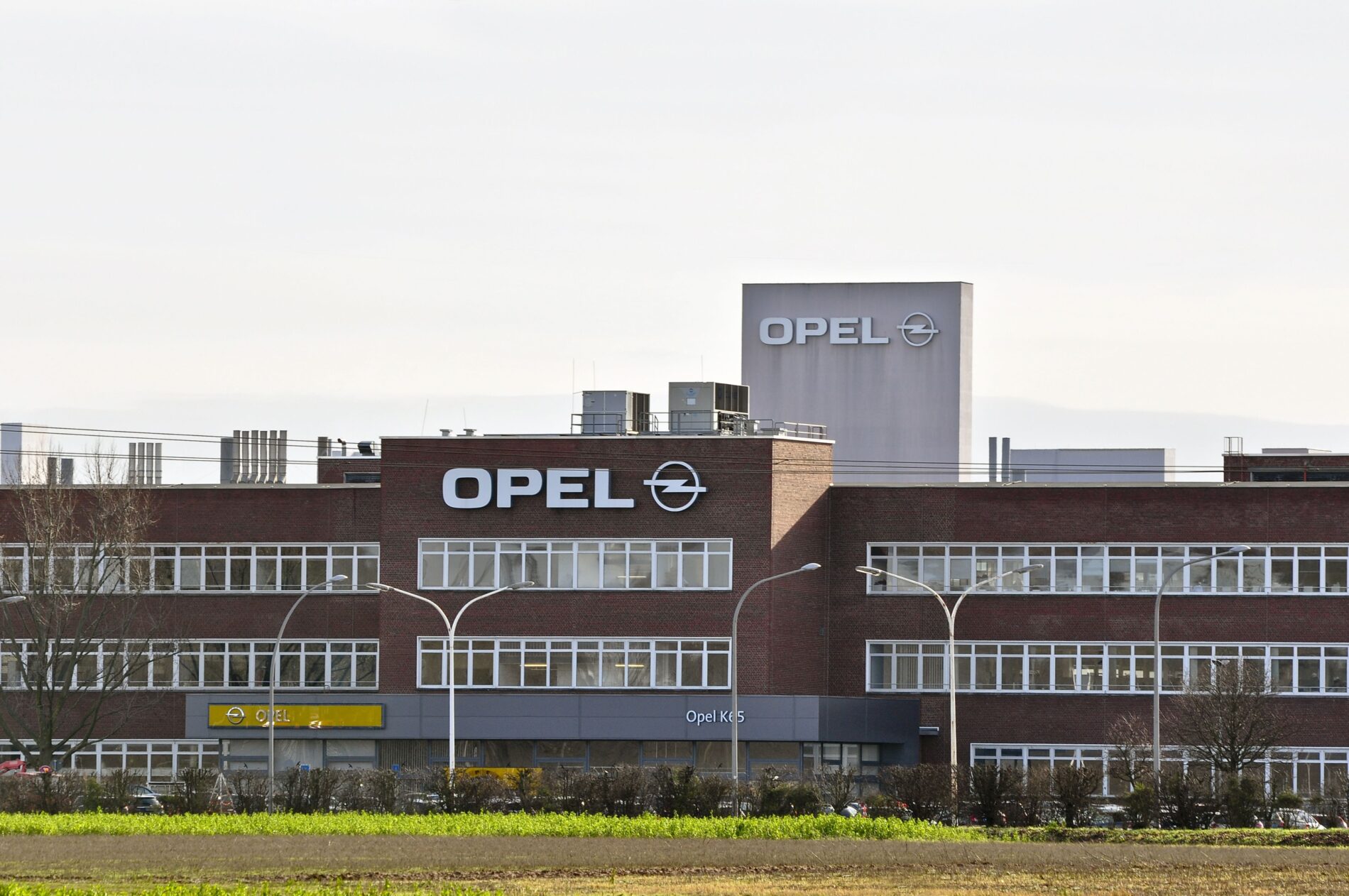
At the Opel plant in Rüsselsheim, Germany, automaker Stellantis is facing further massive job cuts, while its parent company intensifies its cost-cutting strategy. Current plans call for further job losses as part of a comprehensive corporate restructuring. The trigger is the ongoing cost pressure in the automotive industry, coupled with the significant investments required for the transition to electromobility. Employees in administration and development are particularly affected. However, the rigorous cost-cutting measures also threaten indirect consequences for suppliers and the regional economy. (bild: 10.04.26)
Cost-cutting program hits traditional plant again
The Rüsselsheim plant is once again the focus of cost-cutting measures, as management aims to further streamline the cost structure. Opel had already reduced staff in recent years, but these measures are apparently insufficient. Therefore, the company is now planning additional cuts that will once again significantly impact the workforce.
The strategy follows a clear objective: Stellantis aims to secure its competitiveness in the global market. At the same time, pressure is intensifying from new competitors in China and rising production costs in Europe. Therefore, the company is increasingly focusing on efficiency programs and workforce reductions.
Transformation to Electromobility as a Driver
The shift to electromobility is forcing the company to undergo profound changes, while traditional combustion engines are losing importance. Development capacities are being realigned, but this is also leading to structural cutbacks. Areas that will be less needed in the future are particularly affected.
At the same time, investments in new technologies are increasing significantly, while revenues are under short-term pressure. Therefore, Stellantis is trying to reduce costs elsewhere. Job cuts are thus becoming the central instrument of the transformation.
Impact on Employees and the Region
For employees, the decision means considerable uncertainty, while concrete figures on the extent of the reductions are not yet fully available. Nevertheless, observers expect a noticeable reduction, which is to be mitigated through voluntary programs. The works council and unions are therefore likely to enter into tough negotiations.
The region around Rüsselsheim is also under pressure, while the site plays a central role in the local economy. Suppliers could also be affected, as reduced capacity has direct consequences. At the same time, there is growing concern that further cutbacks could follow if the market situation does not improve.
Group Strategy Focuses on Long-Term Efficiency
Stellantis is pursuing a long-term strategy as the group realigns its brands worldwide. Opel is to play a clearly defined role in the portfolio, but under stricter economic guidelines. Therefore, the group regularly reviews the efficiency of each location.
At the same time, it remains to be seen how these measures will affect innovation in the long term, while experienced specialists could leave the group. Nevertheless, management is sticking to its cost-cutting measures, as the transformation is considered essential. The coming months will show how deep the cuts will actually be.