
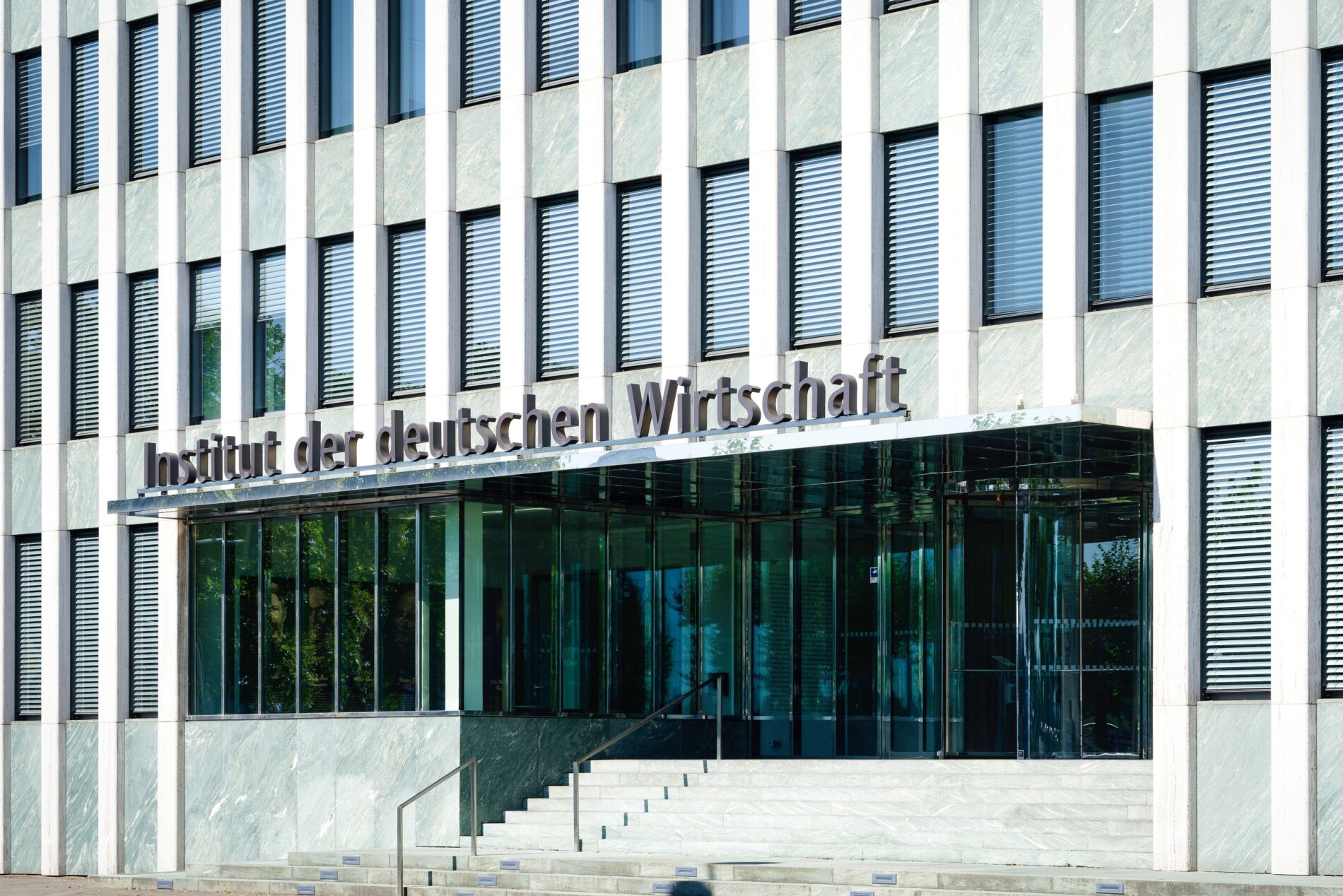
Economic experts are largely skeptical of the coalition’s decisions to relieve consumers of high energy costs. Michael Hüther, president of the German Economic Institute (IW), warned in the newspaper “Die Welt” of potential losses in tax and social security contributions amounting to twelve billion euros due to the possibility, planned by the CDU/CSU and SPD, of employers paying employees 1,000 euros tax- and contribution-free. He also argued that this would transfer social responsibilities of the state to companies.
The president of the German Institute for Economic Research (DIW), Marcel Fratzscher, spoke of a “clear social imbalance” in the coalition’s relief package. “The relief measures announced so far by the federal government regarding energy prices fall short and are in some respects even counterproductive,” he also warned in the “Rheinische Post”.
The tax-free one-off payment of up to €1,000 “primarily benefits employees in larger and financially strong companies, while many other groups are left empty-handed – such as the unemployed, pensioners, students, or employees in small businesses,” criticized Fratzscher. At the same time, the planned two-month reduction in the mineral oil tax “creates the wrong incentives, as it does not support the necessary reduction in energy consumption in road transport and could therefore actually increase price pressure elsewhere.”
“The fuel discount creates perverse incentives for increased consumption of gasoline and diesel and also benefits wealthy speeders. At the very least, it should have been combined with a speed limit,” economic advisor Achim Truger told the magazine “Surplus.” Overall, the measures are “very timid,” especially if the crisis is to last much longer.
Previously, Monika Schnitzer, chair of the German Council of Economic Experts, had already criticized the temporary suspension of the energy tax as “the worst of all the options discussed so far.” The coalition estimates the revenue losses from this measure at around €1.6 billion.
“This is a scattershot approach, even for people who can afford the higher price,” Schnitzer told the Funke media group. At the same time, it reduces the incentive to lower fuel consumption. “Targeted support for those truly in need would have been the better decision,” the economic expert emphasized.
AFP translated by Blackout News