
In Berlin, the power struggle within the federal government is intensifying, while key decisions remain stalled and partisan interests dictate the course of action. The triggers are deep conflicts over the budget, the economy, and energy policy; however, the decisive risk factor lies in a government that politically prioritizes its own hold on power over its oath of office to the good of the German people, with consequences for citizens, businesses, investments, and public trust in the state. (bild: 01.05.26)
Power struggle overshadows responsibility for the country
The oath of office obligates government members to the well-being of the German people, but political practice paints a different picture. Instead of decisive leadership, demarcation, tactics, and mutual obstruction dominate. This creates the impression that maintaining one’s own position has become more important than solving real problems.
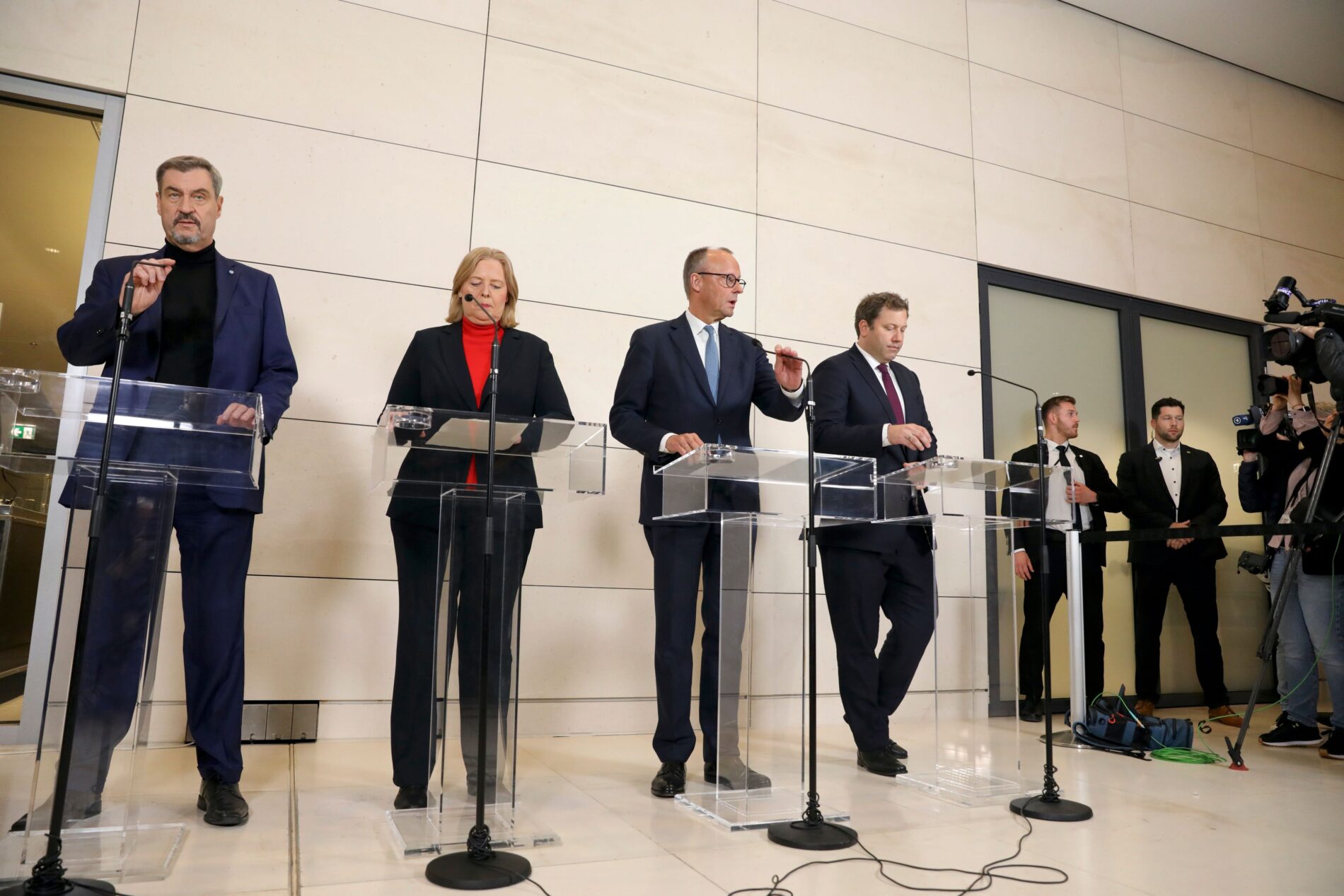
This development is particularly serious because Germany faces major economic and social challenges. While citizens bear rising costs, ministers and party leaders are vying for control of the narrative. As a result, the government appears increasingly preoccupied with itself.
Citizens are paying the price of the gridlock
The conflicts over the budget, energy policy, and economic priorities demonstrate the deep divisions within the government. Each party is defending its own interests, while shared responsibility is being sidelined. This is depriving citizens and businesses of the planning certainty they desperately need.
One member of the government described the situation with the statement: “In this government, everyone is only looking out for themselves.” This statement gets to the heart of the crisis, as it identifies a political culture of self-interest. At the same time, it shows how much the power struggle is overshadowing the commitment to the oath of office.
Weak Leadership Exacerbates the Crisis
The consequences affect not only political actors, but above all the country. Companies are postponing investments while citizens wait for reliable relief. Furthermore, there is a growing impression that political decisions are primarily judged by their partisan advantages.
This gridlock weakens Germany’s economic foundation, as reforms come too late or not at all. While other countries are acting more decisively, Berlin is wasting time. This increases the risk that the problems with Germany’s competitiveness and the loss of confidence will become permanent.
The Oath of Office Must Not Be an Empty Formula
A clear direction is lacking at the top, yet a government needs precisely this orientation in times of crisis. Conflicts are postponed while ministries and party factions secure their own spheres of influence. This creates a dangerous vacuum regarding key issues for the future.
The oath of office is not political decoration, but a benchmark for government action. Those who bear responsibility must avert harm to the people and increase their benefit. However, when self-preservation and power struggles take precedence, politics violates the spirit of this promise.