
Since April 25, the European Union has been gradually phasing out Russian LNG from its gas market, even though the energy crisis is already straining supplies. Russian liquefied natural gas is to be completely phased out by the beginning of 2027. This affects approximately 20 billion cubic meters of gas. At the same time, geopolitical conflicts and shortages of alternatives are driving up the cost of global LNG trade. For Germany, this increases the risk of rising gas prices, as some of the LNG enters the grid indirectly via European terminals. (focus: 27.04.26)
Russian LNG ceases to be a buffer in the energy crisis
The EU is thus consistently pursuing its course of reducing Russian energy imports. However, the decision comes at a time of a strained market. Russian LNG has so far served as a flexible buffer during shortages, stabilizing supply and prices.
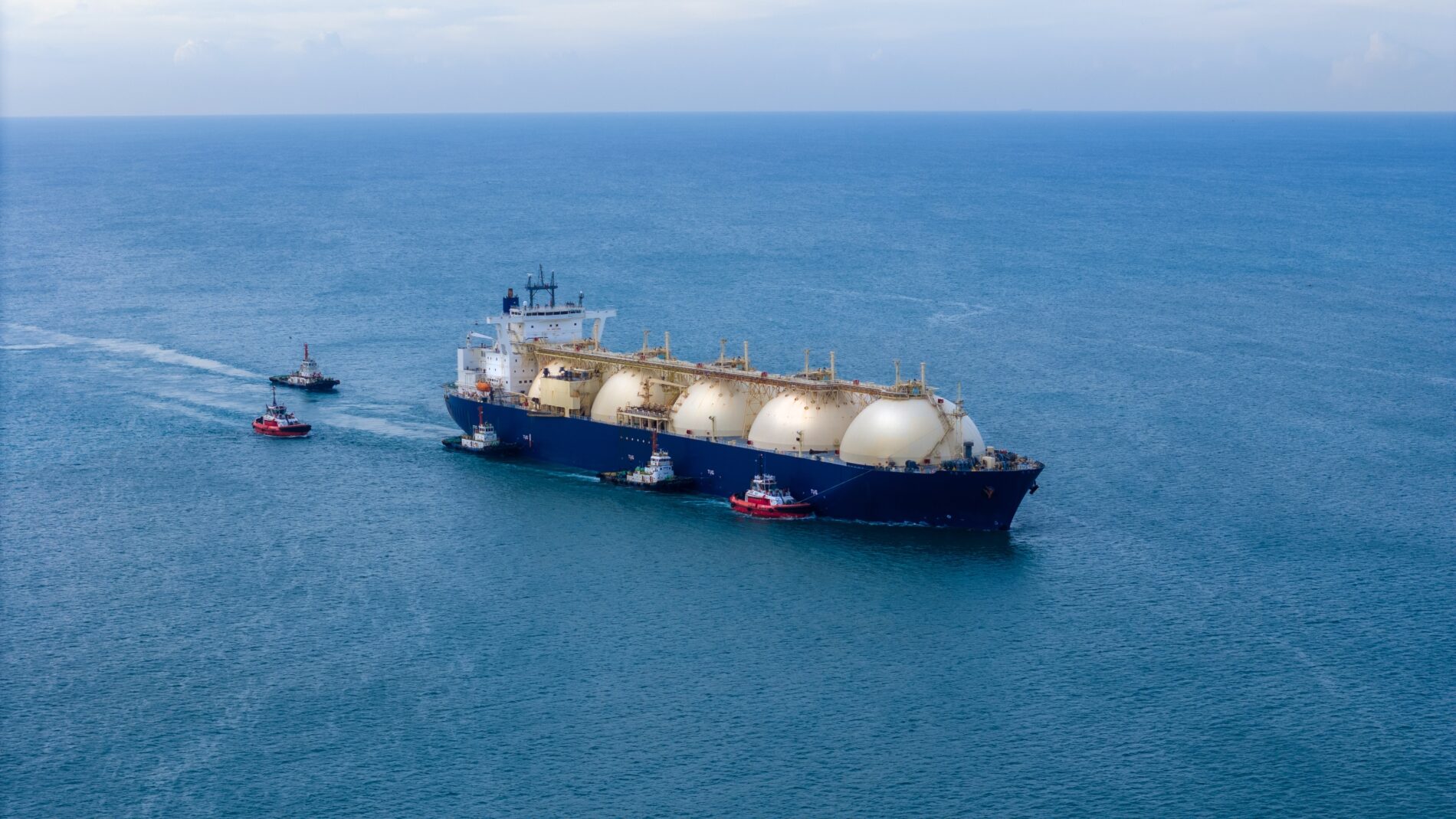
Eni CEO Claudio Descalzi therefore issued a clear warning about the consequences. He said: “These quantities cannot simply be replaced.” He was referring to approximately 20 billion cubic meters of LNG. This amount is now gradually disappearing from the market.
Germany remains indirectly dependent
Germany does not accept Russian LNG deliveries directly at its own terminals. Nevertheless, gas of Russian origin continues to enter the European network. It arrives via ports such as Dunkirk or Zeebrugge. From there, it is distributed further.
German gas consumption is around 1,000 terawatt-hours per year. Approximately ten percent comes from LNG. Some of this is still Russian LNG. Southern regions, in particular, are therefore indirectly dependent on these supply flows.
Alternatives reach their limits
Norway is already operating close to its capacity limit. The US can hardly expand its LNG exports in the short term either. Qatar remains an important supplier, but tensions in the Persian Gulf threaten stability. The Strait of Hormuz remains a critical bottleneck.
Long-term contracts further complicate the transition. The state-owned importer SEFE is bound by supply contracts with Yamal LNG. Some run until 2040. Early termination could incur high costs.
Gas prices react sensitively to any shortage
The European TTF price temporarily jumped above €50 per megawatt-hour. Previously, it was significantly lower. Such fluctuations directly impact industry and energy suppliers. Therefore, economic pressure is increasing.
With this step, the EU is reducing its dependence on Russia. At the same time, however, its dependence on the global LNG market is growing. This market is sensitive to crises and shifts in demand. Europe’s energy supply therefore remains vulnerable despite political objectives.