
-
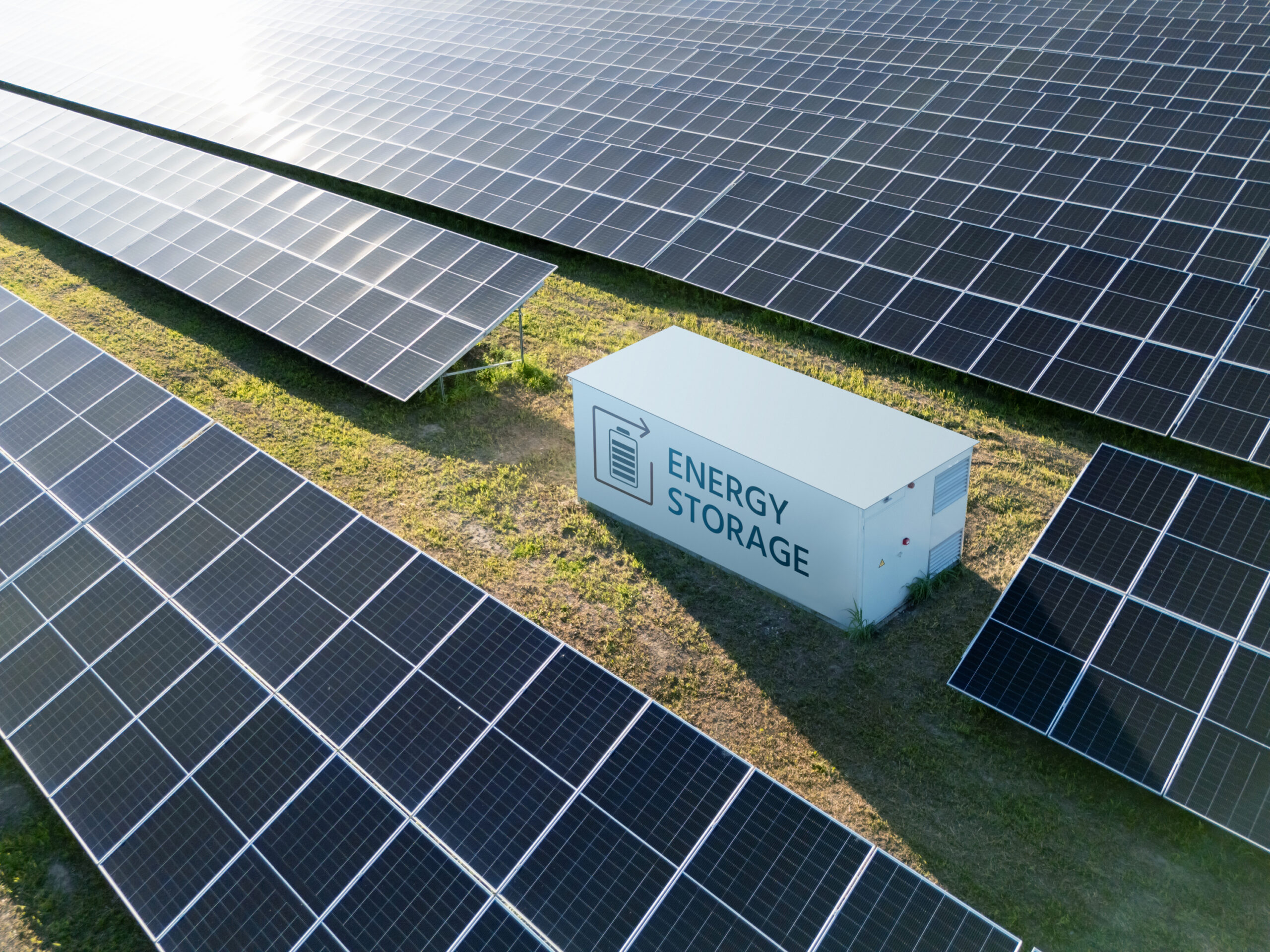
Grid security: Energy storage association announces complaint against government plans
The German Energy Storage Systems Association (BVES) has criticized the federal government’s draft legislation on securing future electricity supplies and announced plans to file a complaint with the EU Commission. The association stated on Wednesday that there are significant concerns “regarding the compatibility of the legislation with the principles of non-discrimination, technology neutrality, and fair…
-

Playmobil ends production in Germany: 350 jobs to be cut
Playmobil will cease production of its figures in Germany at the end of June 2026. Manufacturing operations in Dietenhofen, Central Franconia, have already been at a standstill since June 22. The Horst Brandstätter Group is relocating production to Malta and the Czech Republic due to high labor, energy, and infrastructure costs. As a result, around…
-

Millionaires Consider Relocating: Germany Risks Losing Key Taxpayers
As European nations compete more intensely for capital, an increasing number of German millionaires are exploring alternative places of residence and additional citizenships. Henley & Partners, an international consultancy specializing in residence and citizenship programs for high-net-worth individuals, reports a 16 percent rise in inquiries from Germany between the fourth quarter of 2025 and the…
-
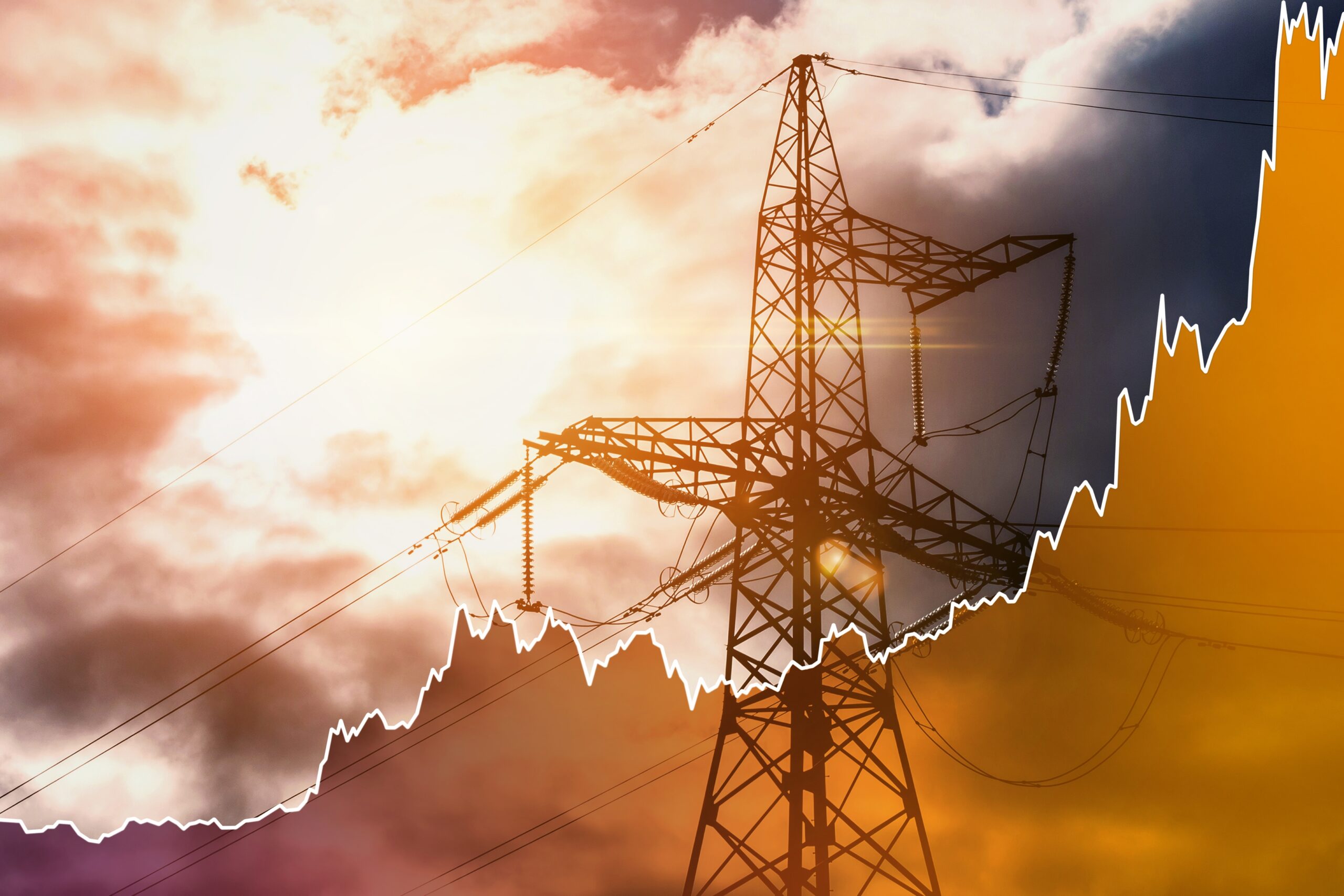
Dynamic electricity prices: Households bear the risk of the electricity market
By adopting dynamic electricity pricing, Germany is shifting a portion of electricity market risks directly onto private households. An evening peak on June 24, 2026, demonstrated just how expensive this model can become. The spot price climbed to €747.10 per megawatt-hour—equating to 74.7 cents per kilowatt-hour for the wholesale electricity alone. However, once grid fees,…
-

Pistorius halts F126: Multi-billion-euro disaster for the Bundeswehr
Defense Minister Boris Pistorius is terminating the F126 frigate project in June 2026 because costs and the schedule have spiraled out of control. Six large warships were intended to strengthen the German Navy and replace older frigates; however, after years of planning, projected costs have already reached around 2.3 billion euros without the Bundeswehr receiving…
-
Possible sabotage plans targeting German gas supply: Raid linked to Gazprom
The Federal Public Prosecutor General is investigating possible plans to sabotage Germany’s gas supply. According to the Karlsruhe-based authority, premises in Berlin and Frankfurt am Main were searched on Wednesday in connection with the matter. The suspicion relates to the former Berlin-based Gazprom subsidiary. Gazprom Germania was a subsidiary of the state-controlled Russian group Gazprom.…
-
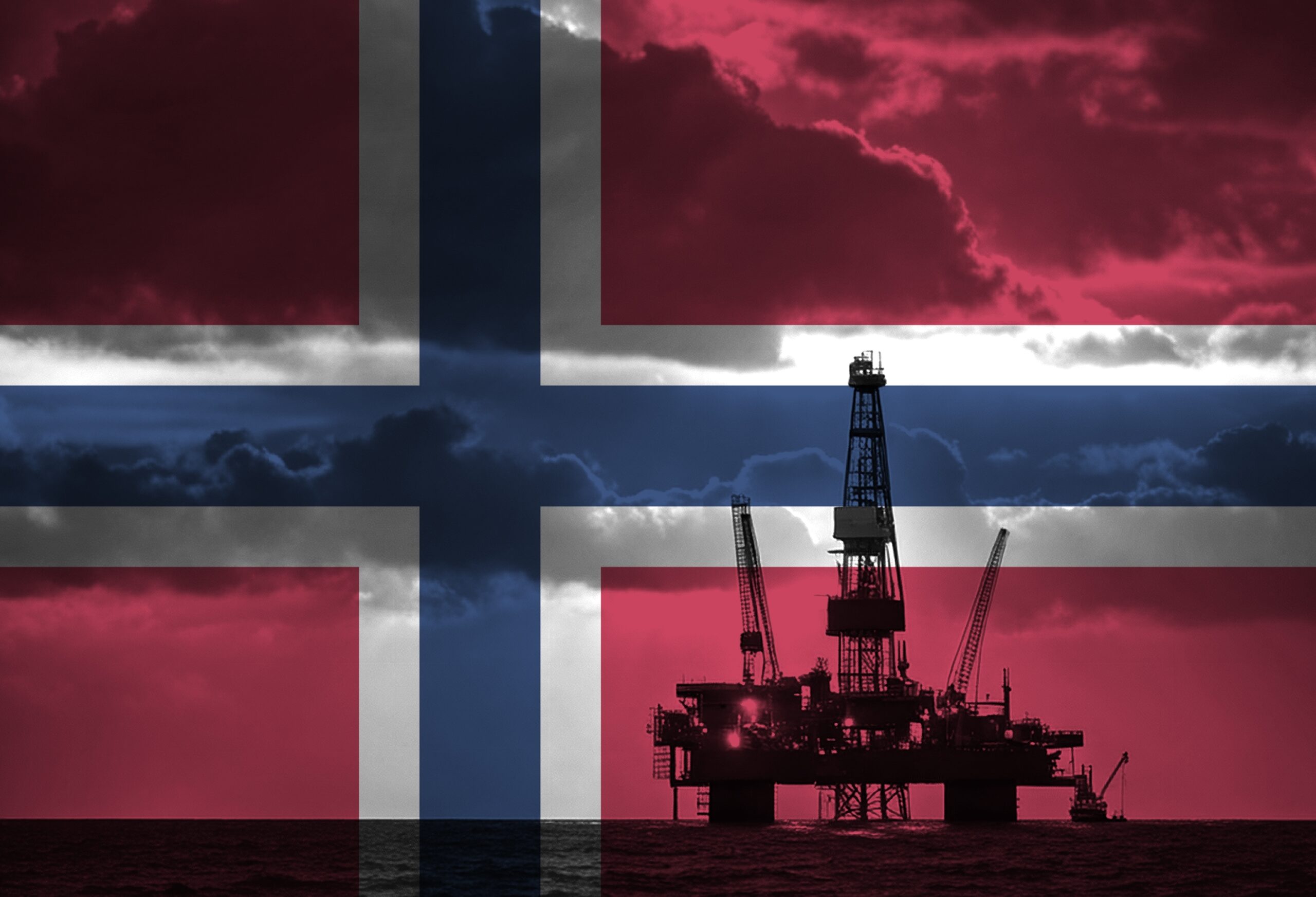
Equinor drops renewables target: Oil and gas regain priority
Equinor, the Norwegian energy and oil company majority-owned by the state, has unveiled a new strategy in New York. The company is abandoning its previous target of achieving 10 to 12 gigawatts of renewable energy capacity by 2030. This drastic strategic shift is driven by higher costs, lower returns, and a more challenging market environment…
-

Court draws a clear line: Return of electric car possible if range is insufficient
The Regional Court in Wuppertal has ruled on the return of an electric car whose range was significantly lower than the advertised WLTP figure. The buyer had purchased the vehicle for 39,000 euros, relying on a stated WLTP range of 332 to 341 kilometers. However, an expert determined the range to be only 282 kilometers…
-
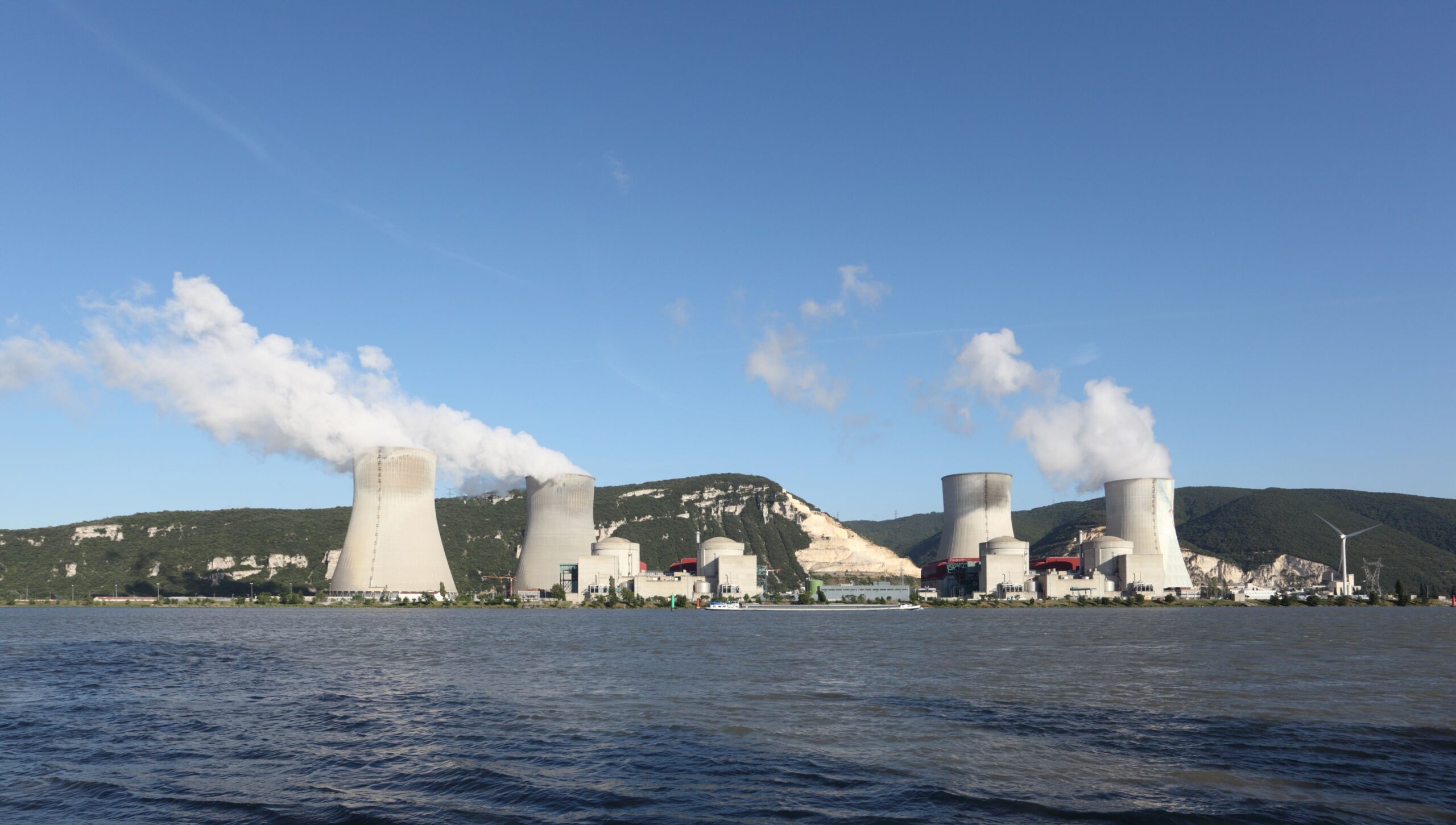
Heat at French Nuclear Power Plants: German Critics of Nuclear Power Turn 0.3 Percent into a Systemic Failure
In June 2026, France is experiencing a heatwave with temperatures reaching 40 degrees. Consequently, EDF is scaling back operations at certain nuclear power plants along the Rhône and Garonne rivers because environmental limits regarding warm cooling water discharge have come into effect. The Saint-Alban, Bugey, Blayais, and Golfech plants are primarily affected. However, German media…
-

Warken Reform: Hospital association warns of 140,000 layoffs
On June 22, 2026, the German Hospital Federation warned of serious consequences resulting from Health Minister Nina Warken’s austerity plans. The issue stems from the Statutory Health Insurance Contribution Rate Stabilization Act, which aims to limit rising health insurance premiums starting in 2027. However, hospitals anticipate an eight percent drop in revenue. Consequently, the association…
-

Greens call for five-billion-euro program for better heat protection
The Green Party is calling for a five-billion-euro program to improve heat protection in Germany. “Our country is still not adequately prepared for the constantly recurring and increasingly prolonged heat records,” Julia Verlinden, deputy leader of the Green parliamentary group, told the news agency AFP on Thursday. Five billion euros from the special fund could…
-
VAT up, income tax down: Proposal hits low incomes particularly hard
Economist Bert Rürup proposes significantly raising the value-added tax while simultaneously lowering income and corporate taxes. At first glance, this sounds like a simple tax swap. However, a closer look reveals a social imbalance. Low-income earners often pay little or no wage tax, yet they spend almost their entire income on everyday consumption—and it is…
-
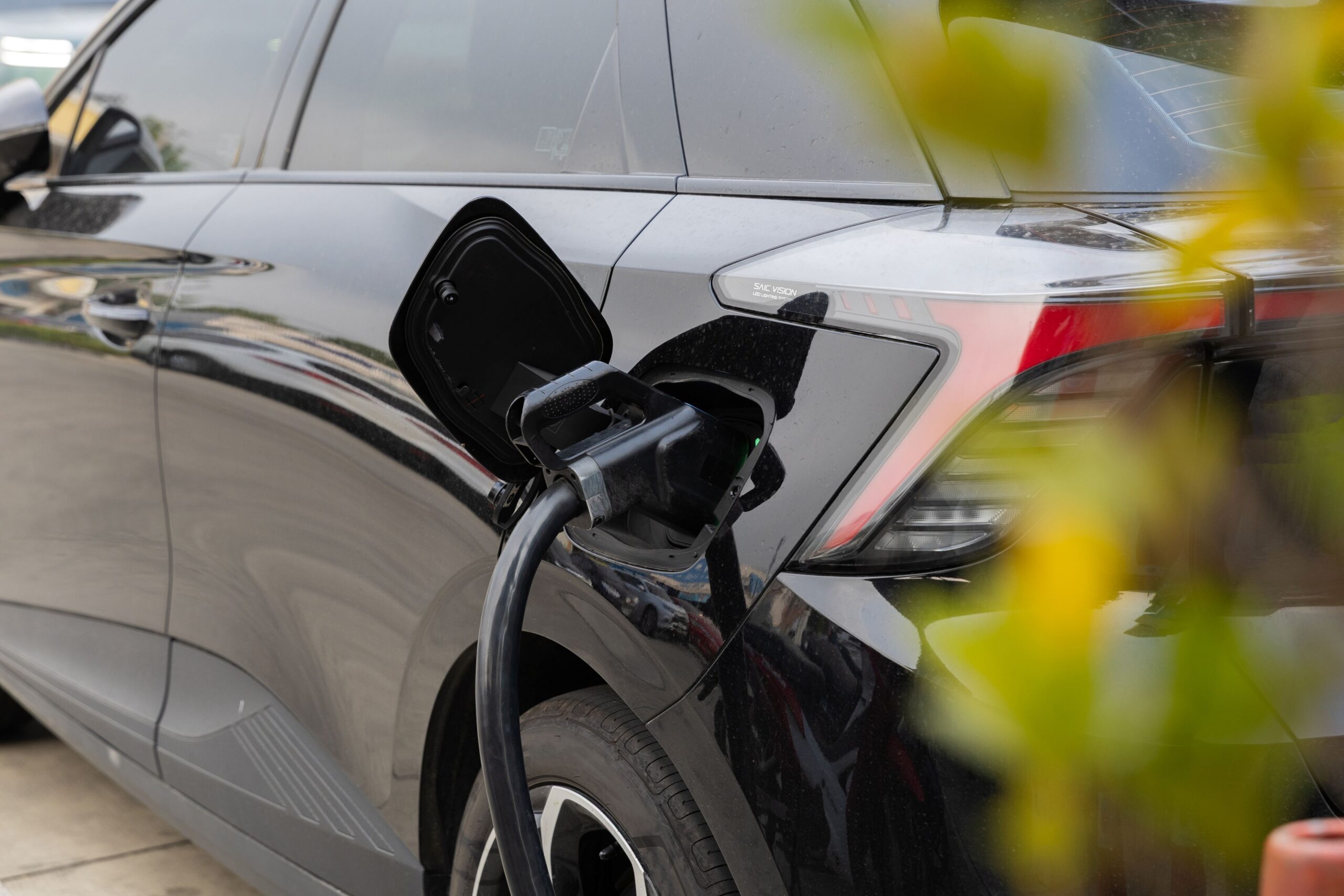
EV policy costs billions: subsidies benefit Chinese manufacturers and cost jobs in Germany
Berlin and Brussels are witnessing the consequences of an electric vehicle policy that prioritized political targets over market viability. EU penalties for CO2 emissions starting in 2025, the phase-out of combustion engines from 2035, and the earlier goal of 15 million electric cars by 2030 drove billions in investment. Demand remains weak because many buyers…
-

2025 Green Power Record: Consumers Pay Billions for Electricity at the Wrong Time
By 2025, Germany had achieved a high share of renewable energy in its electricity consumption, yet the energy transition is revealing its costliest weakness in day-to-day operations. The record for green electricity reflects only an annual balance, whereas generation and demand do not constantly align. Consequently, there were 573 hours of negative wholesale prices, 9.379…
-

Pension reform: Funded pensions and later retirement affect millions of workers
On Tuesday, June 23, 2026, the Commission on Old-Age Provision presented its recommendations in Berlin. The pension reform addresses rising pension expenditures, longer periods of drawing benefits, and a shrinking number of contributors. Proposed measures include a funded pension component, a higher retirement age after 2032, and the elimination of the option to retire at…