
Equinor, the Norwegian energy and oil company majority-owned by the state, has unveiled a new strategy in New York. The company is abandoning its previous target of achieving 10 to 12 gigawatts of renewable energy capacity by 2030. This drastic strategic shift is driven by higher costs, lower returns, and a more challenging market environment for wind and solar projects. At the same time, the company is stepping up its oil and gas production. For Europe’s energy transition, however, the move signals a reduced commitment to new green capacity.
Equinor replaces gigawatt target with broader power strategy
The energy company’s previous expansion target for renewables has been completely dropped from its new strategy. Instead, the company has announced a target for total power generation. However, this new metric encompasses more than just wind and solar; it can also include gas-fired power, storage, and electricity trading.
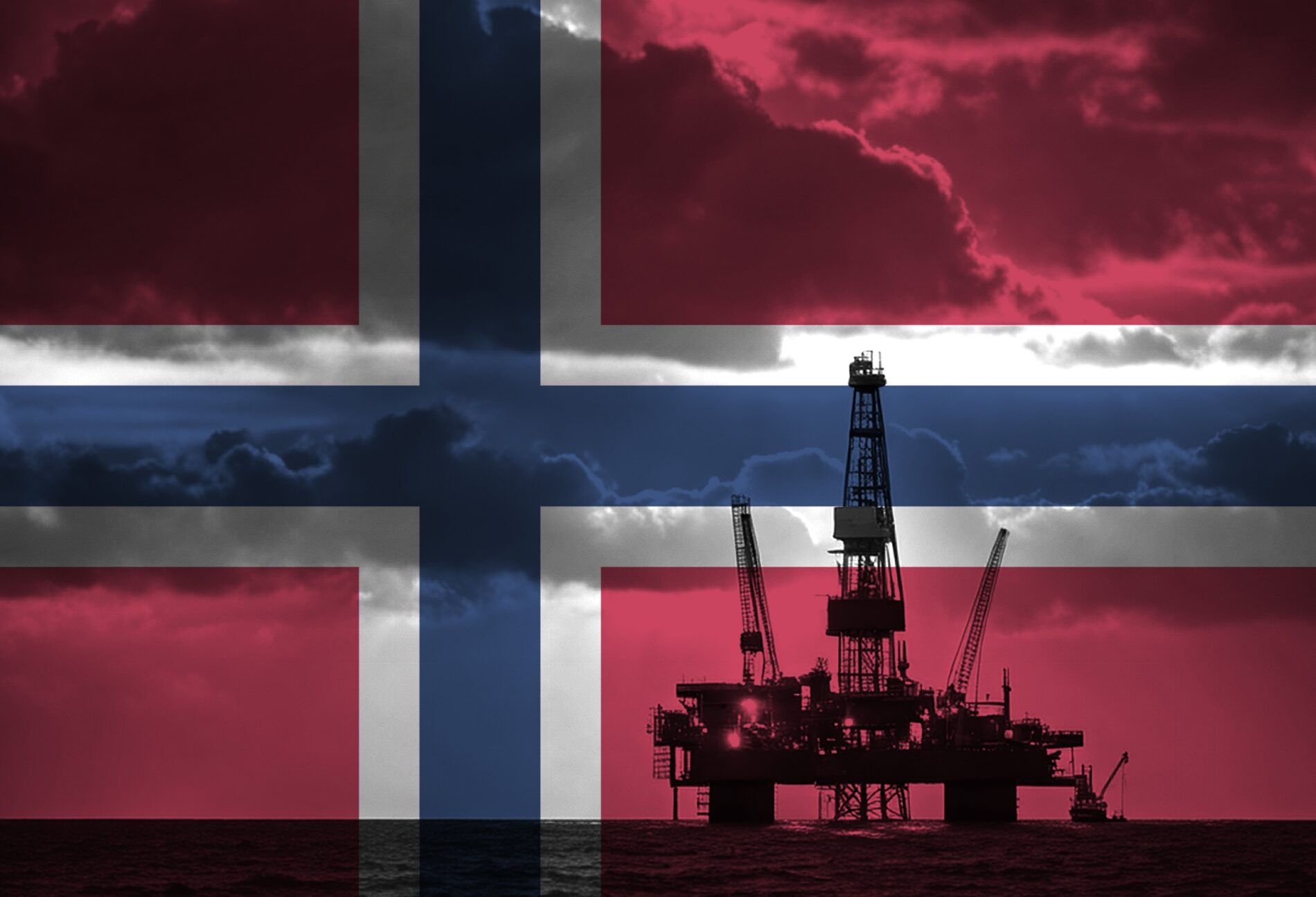
Image: Shutterstock
The company aims to generate more than 20 terawatt-hours of electricity annually by 2030. However, this figure represents the expected volume of electricity rather than the specific expansion of new wind and solar facilities. A capacity target of 10 to 12 gigawatts would have indicated the intended scale of the asset base, yet it would not have guaranteed a specific level of power generation, as wind and solar output depend on weather, location, and grid conditions. Consequently, the new target shifts the focus from visible capacity expansion to a broader electricity strategy.
More capital flowing back to oil and gas
The company is visibly shifting its priorities. From 2028 onwards, only about ten percent of investments are slated for the electricity business, while the vast majority remains allocated to oil and gas. This gives renewed weight to the traditional upstream business.
Daily production is projected to rise to 2.3 million barrels of oil equivalent by 2030. Norway remains the key location, though international projects are also expected to boost output, with Brazil, the UK, and the US playing central roles. While these projects secure revenue, they also tie up capital in fossil fuels for the long term.
Shareholders benefit; climate goals lose momentum
The strategic shift is accompanied by higher shareholder payouts. Equinor plans to repurchase up to $3 billion worth of its own shares in 2026, with annual buybacks of $2 billion to $4 billion planned from 2027 onwards. However, these amounts are heavily dependent on oil and gas prices.
Dividends are also set to rise; the company is targeting annual growth of more than five percent per share. The Norwegian state, which holds a stake of around two-thirds, stands to benefit significantly from this. While this increases the stock’s short-term appeal for investors, the financial priority given to new renewable energy projects is diminishing.
Europe’s gas demand shapes corporate strategy
This strategic direction aligns with the current supply situation in Europe. Norwegian gas remains vital for many countries, prompting the company and its partners to continue investing in major gas fields. The Troll field is slated to supply additional volumes starting in 2028.
The decision reflects a broader industry trend. Several major energy companies are now scrutinizing green projects more rigorously. Offshore wind is struggling with high costs, lengthy permitting processes, and expensive supply chains. Consequently, projects offering a faster return on investment are gaining importance.
This approach has two sides for consumers and industry alike. Increased gas supplies can stabilize the energy system. However, less ambitious targets for renewables make the planned transformation of the energy system more difficult. This is precisely the key consequence of the new strategy: security of supply takes precedence, while the expansion of green capacity loses momentum.
Author: Blackout News
Sources: Euronext Markets (16.06.26) – Reuters (16.06.26) – E24 (16.06.26) – Equinor (Stand: 22.06.26)