
In June 2026, France is experiencing a heatwave with temperatures reaching 40 degrees. Consequently, EDF is scaling back operations at certain nuclear power plants along the Rhône and Garonne rivers because environmental limits regarding warm cooling water discharge have come into effect. The Saint-Alban, Bugey, Blayais, and Golfech plants are primarily affected. However, German media outlets and X users are seizing on this to launch a fundamental critique of nuclear power. Yet the facts point to local environmental regulations, minimal production losses, and no electricity supply crisis.
Heat limits individual nuclear power plant sites but not France’s electricity system
Focus picked up the story with a headline claiming the heatwave was becoming a problem for France’s nuclear power plants. This describes a genuine technical issue: warm river water can trigger limits on cooling water usage. EDF is then required to reduce output to avoid placing additional strain on the water bodies. While this measure protects ecosystems, it does not indicate a loss of control over the reactors.
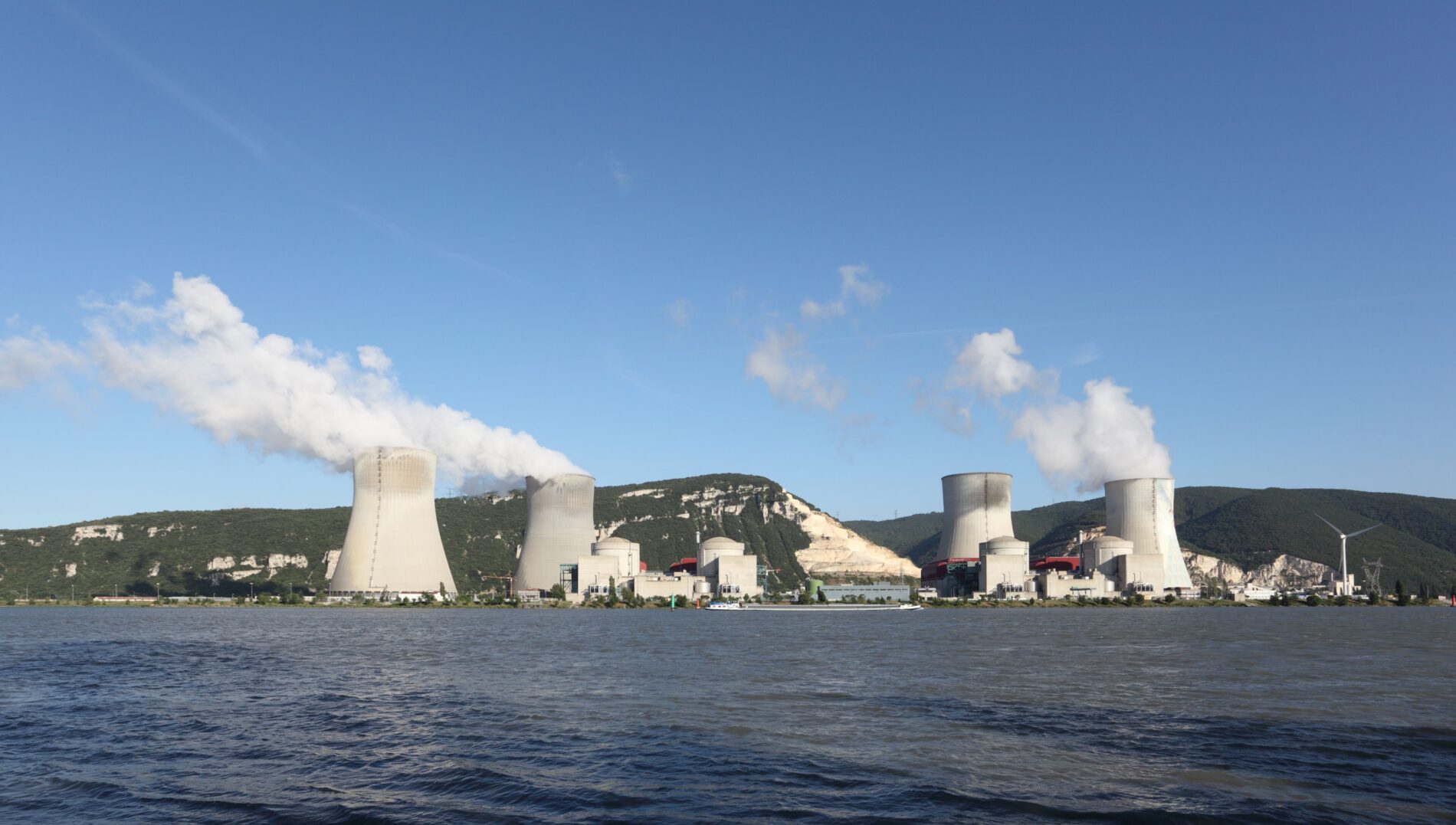
Image: Shutterstock
The crucial figure is 0.3 percent. That is the level of average production losses due to environmental regulations since 2000. Even during the extreme summer of 2022, EDF reported a loss of only around 0.5 terawatt-hours. This amounted to less than 0.2 percent of annual production. This is where the German narrative stumbles over the scale of the issue: a marginal factor is being transformed by the media into a verdict on the entire system.
X and German media shift the goalposts
Mockery from the political sphere followed immediately on X. One user wrote: “The #nuclear-power-fans in the #Union and #AfD must be having a tough time.” Another asked: “Is this supposed to be the baseload solution for a warming future?” The phrase that France’s nuclear power plants were “capitulating” to the heat also circulated widely. This catchy framing, however, conflates regulation with technical failure.
German media outlets are also reinforcing this perception. While Focus sticks closer to the facts in its reporting, it still imposes a strong interpretive frame. Other reports are quicker to speak of risks to the power supply or the threat of blackouts. This generates attention, yet the question of reserves—which actually determines the real situation—hardly comes up. France is reporting no restrictions for consumers.
France exports electricity while Germany passes judgment
RTE reported a net export of 92.3 terawatt-hours for France in 2025. This is roughly equivalent to the annual consumption of a smaller European country. Furthermore, 95.2 percent of French electricity generation came from low-carbon sources. EDF reported 373 terawatt-hours of nuclear-generated electricity. These figures do not align with a system that supposedly fails regularly during the summer.
Output reductions can move prices on specific days. They can also complicate operational planning. Nevertheless, total generation remains sufficient because France has power plant reserves, access to imports when needed, and grid management capabilities. The key point, therefore, is not whether individual reactors are delivering less power. The point is whether this results in a supply deficit. The data provide no evidence of this.
The track record runs counter to German criticism of nuclear power
Nuclear power is not free from climate-related risks. Rivers are warming, and water levels can drop. Aging reactors require maintenance, retrofitting, and capital investment. Consequently, France must adapt its cooling systems, grid infrastructure, and site planning. These are genuine challenges, yet they do not support a blanket anti-nuclear narrative.
Germany should adopt a less self-assured tone on this issue. Its nuclear phase-out has eliminated a source of reliable, low-carbon power. France, by contrast, possesses reactors that—while old—remain productive; they generate electricity, reduce emissions, and boost exports. The German debate often relies on slogans, whereas the French record is measured in terawatt-hours. That is precisely the difference between energy policy and energy sentiment.
Author: Blackout News (KOB)
Sources: Rte (22.06.26) – EDF (Stand: 22.06.26) – Connaissance des energies (22.06.26) – Focus (19.06.26) – Reuters (18.06.26)