
Berlin intends to modify agricultural subsidy arrangements in the name of cutting red tape. The Federal Ministry of Agriculture plans to scrap the introduction of two new eco-schemes during the current CAP funding period: the pasture premium for dairy cows and support for habitat networks. The Ministry justifies this move by citing the need to reduce administrative burdens during the final year of the EU funding period. Consequently, many dairy farms will miss out on a subsidy of 70 euros per livestock unit that had been expected since 2024.
Pasture premium fails on grounds of reducing bureaucracy
The pasture premium was intended to support farms that regularly keep dairy cows on pasture. However, this method of husbandry requires more organization than keeping animals exclusively in the barn. Farmers need suitable land, secure fencing, watering points, and access paths, as well as the ability to carry out daily checks. Consequently, the subsidy was viewed as compensation for efforts that are barely rewarded by the milk price.
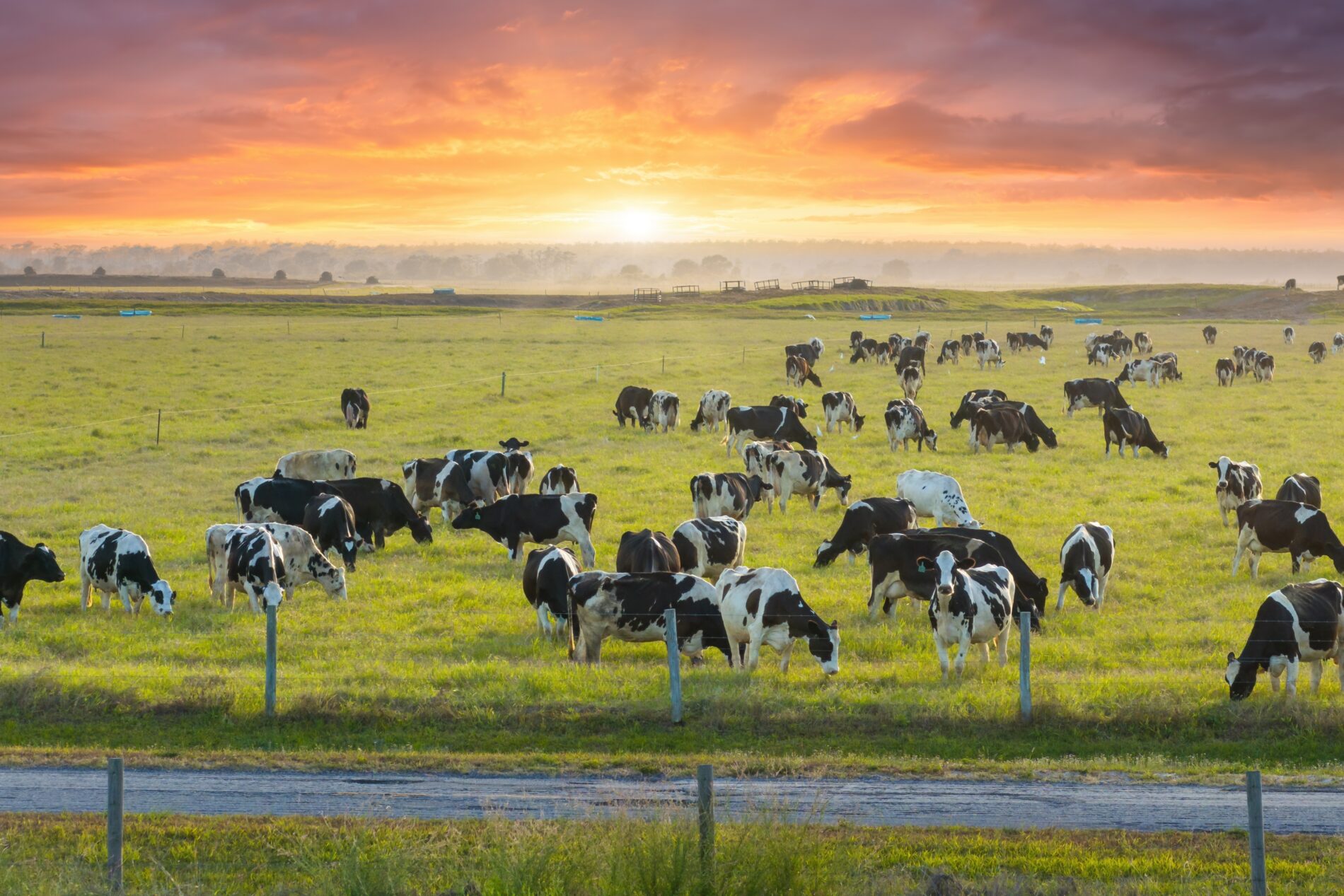
Image: Shutterstock
The Bundestag had already enshrined the additional eco-schemes in the CAP Direct Payments Act in 2024. However, their introduction was repeatedly postponed. Following the change of government, implementation in 2027 was most recently under discussion. Now, however, this agricultural subsidy is set to be scrapped entirely for the current funding period.
Voluntary funding sits uneasily with the argument regarding bureaucracy
The Ministry views the cancellation as part of a broader relief package for the agricultural and food sectors. This includes extending the intervals for mandatory training on plant protection expertise. Additionally, reporting requirements under food and feed legislation and veterinary regulations are to be eliminated. These changes can indeed relieve farms of documentation burdens.
However, this line of reasoning is far less convincing when applied to the pasture premium. Eco-schemes are voluntary funding instruments. Farms that do not apply for them receive no premium and incur no additional administrative or inspection workload. The Arbeitsgemeinschaft bäuerliche Landwirtschaft (Association for Peasant Agriculture) has therefore criticized the approach. Kirsten Wosnitza stated: “The additional eco-schemes are voluntary funding offers that entail no extra work for any farm that does not apply for them.”
Dairy regions lose an expected source of revenue
The premium would have been particularly significant for regions with a high proportion of grassland—such as Schleswig-Holstein, Lower Saxony, and other dairy-farming areas in the northwest. In these regions, pasture-based farming is of greater practical importance than in many other agricultural areas. Consequently, several federal states had been pushing for a nationwide subsidy scheme for years.
However, there was resistance from other states. Existing programs and concerns about double funding played a role, particularly in the south. The dispute highlights a structural issue in agricultural funding: a uniform national rule must reconcile regional programs, varying farm sizes, and widely differing proportions of grassland.
EU targets remain, but farms lose planning certainty
Eco-schemes are part of the EU’s Common Agricultural Policy for the 2023–2027 period. They are designed to reward practices that benefit the environment, the climate, and animal welfare. Participation in these programs remains voluntary for farmers; however, the EU requires that a significant portion of direct payments be allocated to such measures.
By scrapping the scheme, Germany is pushing the conflict into the next funding period. Yet, for farms that rely on grazing, this creates an immediate planning problem. Many farms had been counting on the premium starting in 2024. Furthermore, the federal government is sending a contradictory signal to farms that wish to maintain grassland and continue grazing-based livestock management.
Author: Blackout News
Sources: Top Agrar (08.06.2026) – Arbeitsgemeinschaft bäuerliche Landwirtschaft (05.06.2026) – Bio Press (05.06.2026)