
Germany is running into a critical gap in the grid when restructuring its electricity system: On June 4, 2026, the VKU published a survey among municipal electricity distribution network operators, according to which 91 percent consider the 80 percent target for renewable electricity by 2030 to be completely or partially unattainable under current conditions. The warning comes at a time when solar power, wind power, storage, charging points and heat pumps are increasing rapidly. However, it is not just new generation that is crucial, but also the capacity of the distribution networks. There is therefore a risk of delays in network connections, rising costs and restrictions in the further expansion of the energy transition.
Why the 80 Percent Target Hinges on the Distribution Grid
The survey reveals an unusually high level of skepticism within the municipal grid sector. Seventy-five percent of the operators surveyed do not consider the expansion target achievable without fundamental changes. A further 16 percent partially agree with this assessment. Consequently, a vast majority doubts the practical feasibility of the political mandates.
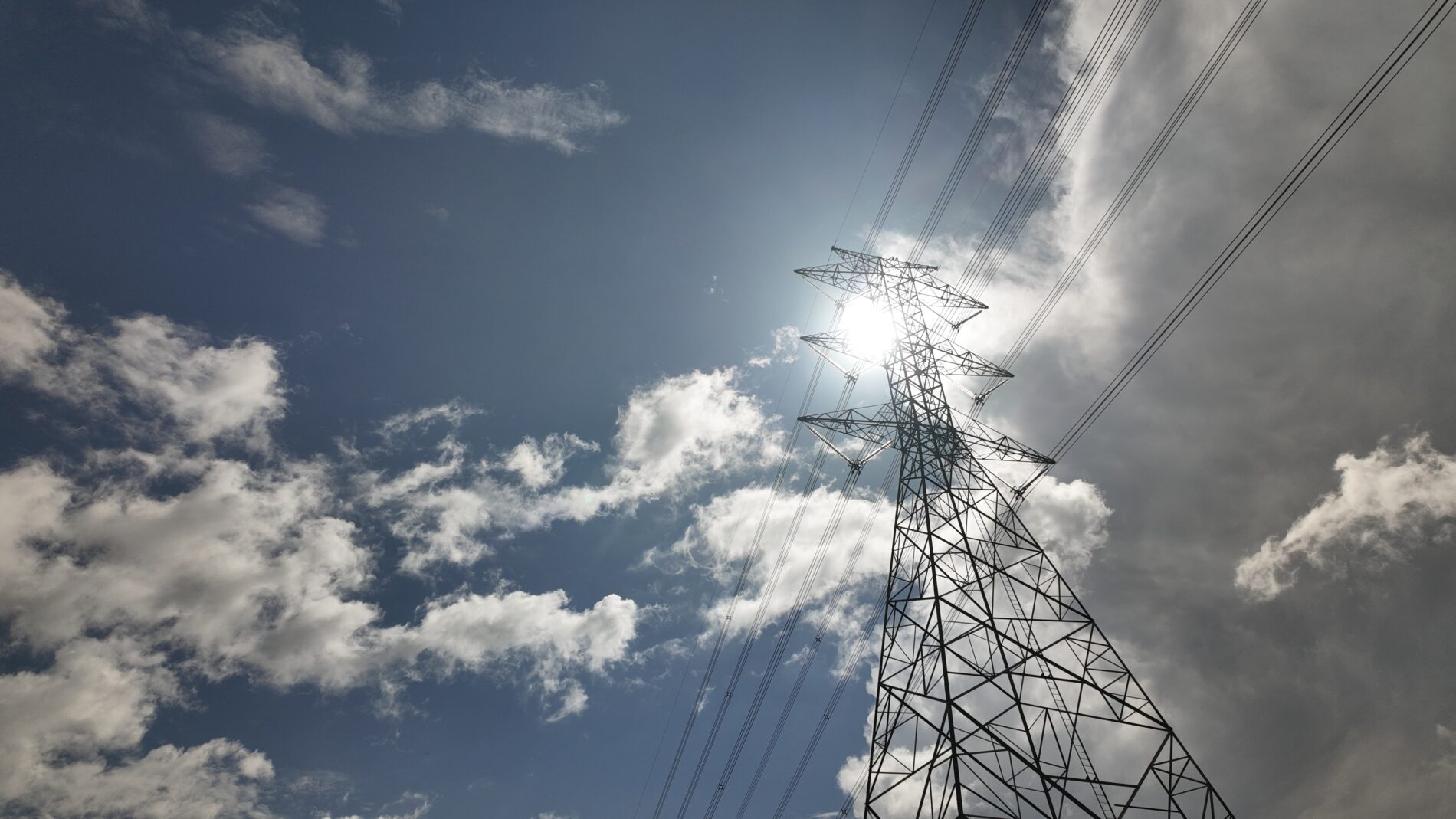
Image: Shutterstock
This finding is significant because distribution grids must accommodate the bulk of the decentralized energy transition. Wind farms and solar installations only supply usable electricity if power lines, transformers, and local grids can keep pace. Yet, grid operators identify precisely these areas as the biggest bottlenecks. Consequently, the electricity grid is becoming the benchmark for actual progress.
Expanding generation capacity alone is not enough
The energy transition is often measured by installed capacity. However, the system’s ability to securely integrate that capacity is what truly matters. Rooftop solar, ground-mounted solar farms, battery storage, and electric mobility are radically altering load flows. Furthermore, new peak loads are emerging—levels that many local grids were never designed to handle in the past.
Around 93 percent of the municipal electricity distribution grid operators surveyed anticipate at least a doubling of their grid capacity by 2045. Forty-eight percent expect a doubling, while 37 percent foresee a tripling. Another eight percent even anticipate a fourfold increase. This means the task at hand is not merely routine investment, but a fundamental transformation.
Transformers and permits become bottlenecks
Operators view lengthy administrative procedures and resource shortages as particularly critical issues. Permits, environmental assessments, and coordination processes delay many grid projects. These challenges are compounded by a lack of civil engineering capacity and a tight labor market for skilled workers. As a result, the gap between political timelines and actual implementation is widening.
Transformers are also considered a particularly sensitive issue. Without new transformers, additional generation facilities, storage systems, and large-scale consumers cannot be connected to the grid quickly enough. Supply shortages therefore directly impact the pace of the energy transition. While new generation facilities can often be built relatively quickly, grid projects require long lead times.
Significant Gap to the Target Remains
A look at the electricity mix reveals the scale of the challenge. In 2025, the share of renewable energy in gross electricity consumption stood at approximately 55 to 56 percent. This figure is set to rise to 80 percent by 2030. Consequently, achieving the 80 percent target requires a significantly faster pace of expansion over the coming years.
The grid operators’ warning is not directed against renewable energy itself; rather, it addresses issues of technical and regulatory feasibility. Without faster procedures, reliable financing, and clear regulations, the grid will remain the limiting factor. In that scenario, installed capacity would grow while usable security of supply fails to increase at the same pace.
Author: Blackout News
Sources: Verband kommunaler Unternehmen (04.06.26) – Handelsblatt (04.06.2026) – Umweltbundesamt (15.05.2026)