
Norway is registering almost nothing but new electric cars. In May 2026, 97.8 percent of newly registered passenger cars were electric. The success of electric cars appears to be a technological breakthrough, yet it stems primarily from a political pricing lever: for years, the state waived high taxes on electric vehicles while simultaneously making internal combustion engine cars drastically more expensive. This tax relief made the switch attractive for buyers. However, the cost ultimately falls on the state budget—and thus on the public.
Why electric cars captured the market so quickly in Norway
Norway did not primarily promote electric cars through a standard purchase subsidy. The key advantage lay in the tax system. For a long time, EVs were exempt from the 25 percent value-added tax. In addition, they were exempt from high registration fees—charges that, for internal combustion engine vehicles, depend heavily on CO₂ emissions, weight, and other factors.
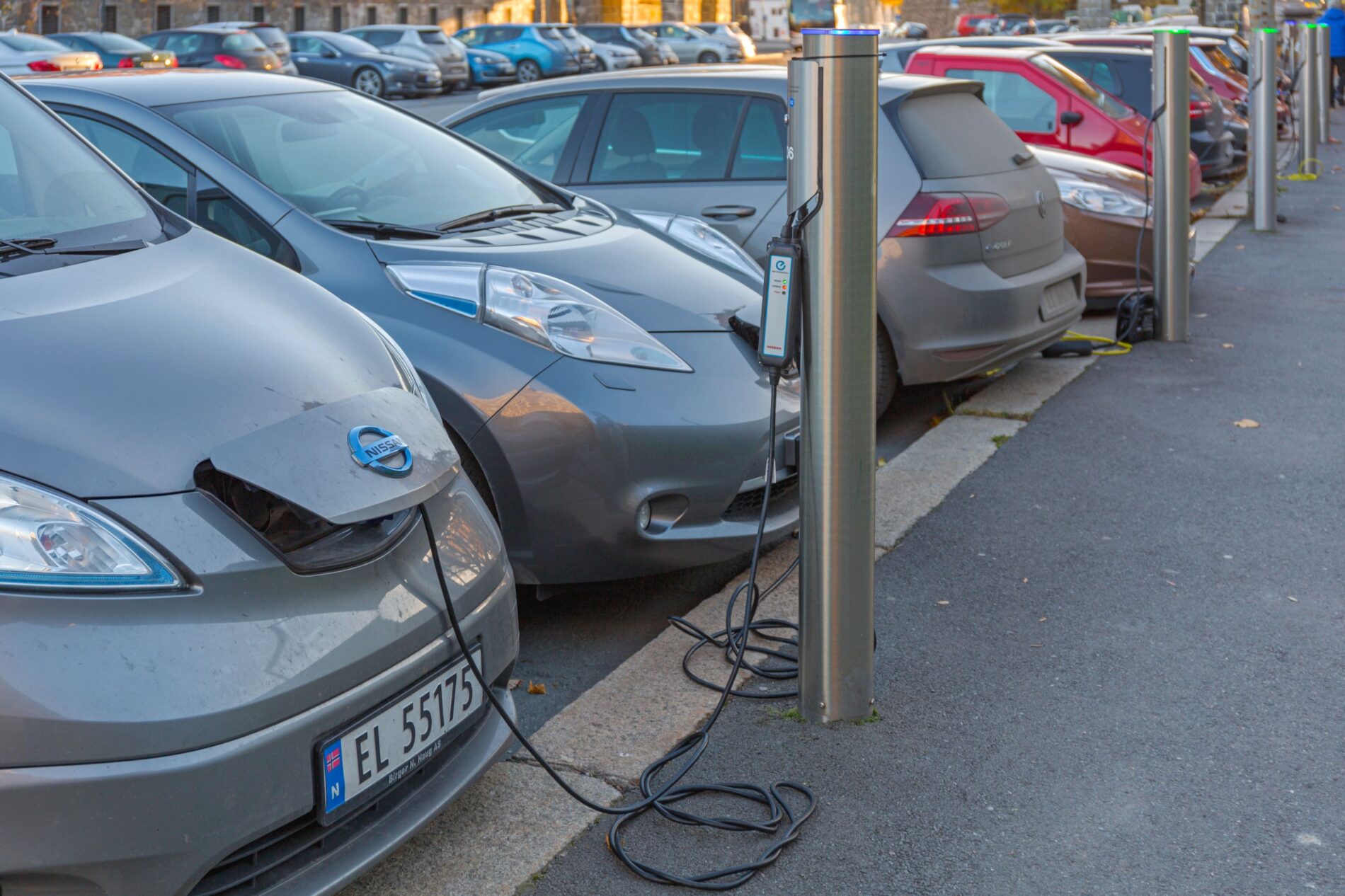
Image: Shutterstock
This created a significant price gap at the dealership. An electric car was not only cheaper to operate; it also became far more attractive to purchase. Depending on the vehicle class, tax comparison, and usage, the total benefits could previously amount to around 25,000 to 34,000 euros per vehicle. This did not take the form of a direct cash payout; rather, it primarily involved taxes that were not levied.
Foregoing tax revenue became the most compelling selling point
The decisive mechanism was simple: electric cars received tax relief, while internal combustion engine vehicles faced a heavier tax burden. Consequently, a buyer was not comparing two vehicles on equal terms; instead, they saw an EV made cheaper by policy and a petrol or diesel car made more expensive by CO₂ levies and registration fees.
There were other advantages as well. At times, EVs paid lower road tolls, benefited from cheaper parking rates, and were permitted to use bus lanes in cities. While many of these privileges have since been restricted or abolished, their impact on market development was nonetheless significant.
Who bears the cost of Norway’s success?
The costs did not simply vanish; they merely surfaced elsewhere. The state collected less revenue. The Norwegian government estimated that the shortfall in automotive-related tax revenue for 2025—compared to 2007 levels—would amount to around 50 billion Norwegian kroner. This is equivalent to approximately 4.6 billion euros. For the period from 2007 to 2025, the cumulative figure is cited as 640 billion kroner, or roughly 59.3 billion euros. While not every part of this sum can be directly attributed to electric cars, the scale illustrates just how costly the tax-driven restructuring of the automotive market was for the state budget.
The primary beneficiaries were initially new car buyers—typically households with higher incomes. Those who did not buy a new car received no direct benefit, yet the general public still shared the fiscal burden. Only later did the vehicles enter the used-car market, becoming accessible to a broader range of buyers.
Why Norway is now scaling back the benefits
The government is currently phasing out these privileges. From 2026, the VAT exemption will apply only to the first 300,000 kroner of the purchase price. This results in a maximum benefit of 75,000 kroner—roughly equivalent to 6,500 to 7,000 euros. The zero VAT rate is set to be eliminated entirely starting in 2027.
This illustrates the limitations of the model. As long as electric cars represented a minority, the state could use significant tax incentives to steer the market. Once nearly all new cars are electric, that same incentive effectively becomes a general subsidy for automobiles. At that point, it loses its original steering effect and places a heavy burden on the public budget.
What Germany Can Learn from Norway
Norway demonstrates how quickly a market can shift when the state sends clear financial signals. The boom was driven not by appeals, but by stark price differentials. Buyers acted rationally, choosing the vehicle that was cheaper in terms of both taxes and operating costs.
Germany can only replicate this approach to a limited extent. Norway lacks a major domestic automotive industry and operates from a different fiscal starting point. In Germany, imposing heavy burdens on internal combustion engine vehicles would directly impact a key industry. Thus, the Norwegian example illustrates not only the powerful impact tax policy can have, but also the fact that a rapid EV boom comes at a high price.
The New Debate Is Just Beginning
Success brings new questions. Electricity demand is rising. Charging points and local grids must keep pace. Batteries, software, and raw materials create new dependencies. Chinese manufacturers are gaining market share, and connected vehicles raise security concerns.
Norway has effectively displaced internal combustion engines from the new car market. Yet the cost is evident: lower tax revenues, new infrastructure expenses, and new industrial dependencies. The EV boom is therefore not a story of progress without a price tag; it is an example of how profoundly a state can reshape markets when it is willing to forgo substantial revenue.
Author: Blackout News
Sources: Government.no (15.01.2025) – OFV (01.06.2026) – Norsk elbilforening (Stand: 09.06.2026) – European Commission (25.05.2026) – OECD (07.11.2022)