
-
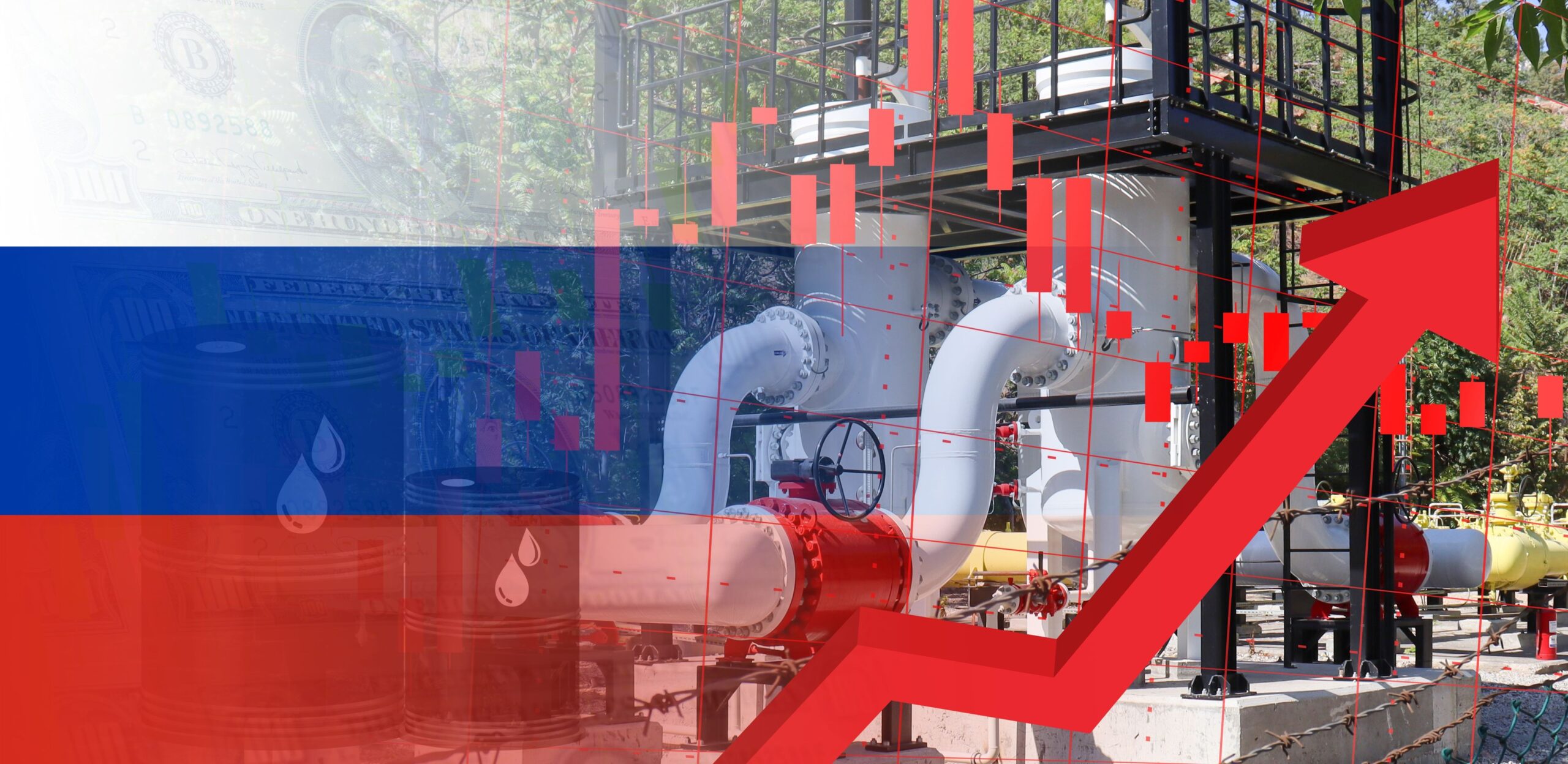
Russia plans diesel export ban – refinery outages strain supply
Moscow apparently intends to extend the ban on diesel exports until the end of September. Three industry sources cite ongoing supply issues and refinery shutdowns as the reasons. Several facilities have gone offline or are operating at reduced capacity following Ukrainian drone attacks. Consequently, more diesel is to remain on the domestic Russian market. An…
-

Telekom switching landline connections to mobile networks – Verivox recommends low-cost plans
Deutsche Telekom is switching traditional landline connections to mobile-based service; around 1.3 million connections nationwide are affected. The price comparison portal Verivox stated on Wednesday that the associated plans are “high-priced.” Cheaper plans could “at least halve—and often even quarter—the costs.” Two weeks ago, Telekom announced that traditional landline connections would be “gradually” switched to…
-
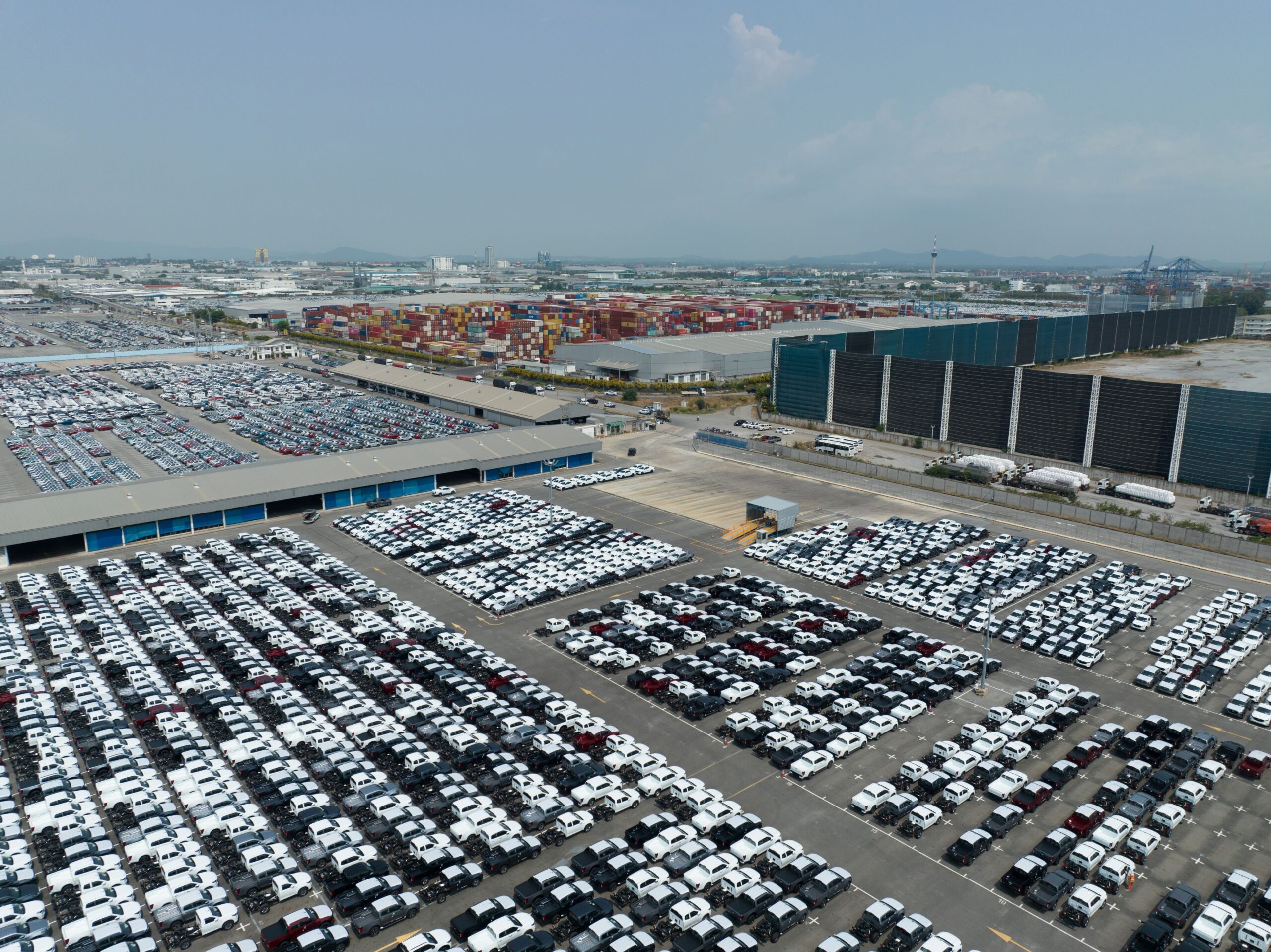
Automotive industry writes off billions on electric cars: Manufacturers misjudged the market
In 2026, the automotive industry must rectify the consequences of multi-billion-dollar miscalculations regarding electric vehicles. Stellantis, Ford, General Motors, and Volkswagen (including Porsche) collectively incurred charges totaling around $55 billion. The manufacturers had anticipated a faster ramp-up of electric mobility, but demand—particularly in the US—fell significantly short of those expectations. Now, the industry faces asset…
-

Hybrid patrol cars in Hamburg: Radio interference and engine warning lights in new VW Passats
Hamburg, August 2026 – New hybrid patrol cars used by the Hamburg police are experiencing technical issues during patrol duty. Malfunctions in the permanently installed digital radio system are occurring in some VW Passat eHybrid models. According to reports by BILD, these issues arise when the battery is depleted or the petrol engine takes over…
-
Hospital crisis: Hospital chief sees around 500 facilities at economic risk
Prüm/Brake, August 2026 – The hospital crisis in Germany is affecting an increasing number of basic care facilities. In Prüm, St. Joseph Hospital—which employs over 450 people—is undergoing insolvency proceedings following financial difficulties; the Eifelkreis Bitburg-Prüm district intends to take over the facility to secure its continued operation. In Brake, however, no such rescue materialized:…
-

EU to halve NO₂ limit from 2030: Expert warns of driving bans for millions of diesel vehicles
Germany, August 2026 – Starting in 2030, the EU is halving the permissible annual limit for nitrogen dioxide from 40 to 20 micrograms per cubic meter. Engine expert Thomas Koch from KIT warns that this could lead to driving bans for millions of diesel vehicles, including those meeting Euro 6 standards. The timing is notable,…
-
Newspaper: Japan plans to support new oil pipelines in the Gulf region
To secure its energy supply, Japan intends to support the construction of new oil pipelines in the Gulf region and expand domestic nuclear power capacity. The business newspaper Nikkei reported on Wednesday that Tokyo plans to assist Saudi Arabia and other Gulf nations in developing alternatives to the transport route through the Strait of Hormuz.…
-
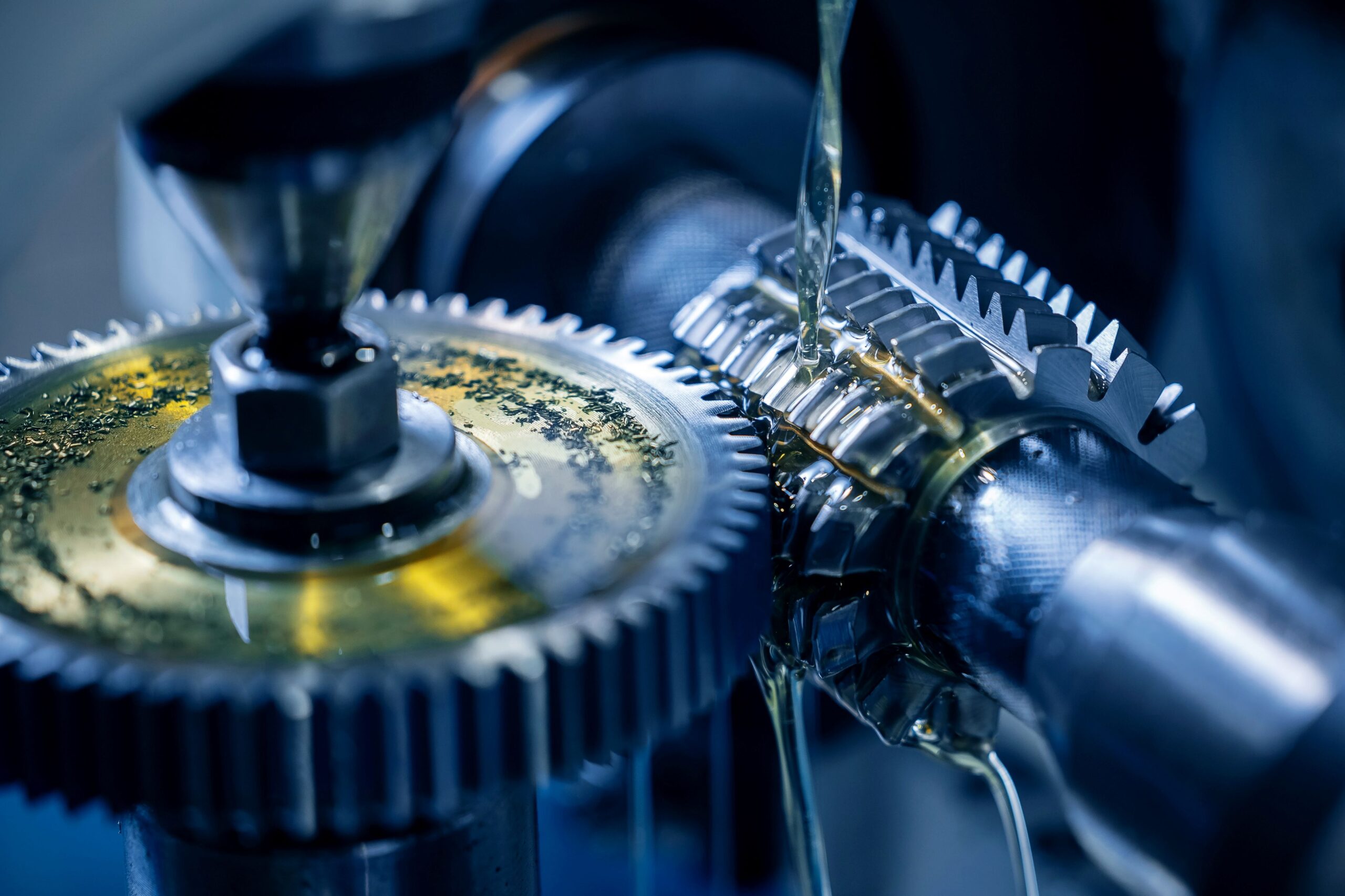
Industry warns Merz: Germany’s industrial base continues to lose substance
Berlin/Neuhardenberg, August 2026 – Shortly before the cabinet meeting, the BDI is calling for rapid reforms for more growth and competitiveness. High energy costs, rising social security contributions and slow reforms are putting pressure on Germany as an industrial location, although individual economic data has recently been better. The association therefore warns against further restraint…
-

Offshore wind farms could reduce precipitation by more than 15 percent
Geesthacht, August 2026 – Precipitation patterns around the North Sea could shift significantly due to a massive expansion of offshore wind farms. A new study by the Helmholtz-Zentrum Hereon projects a reduction in rainfall of more than 15 percent for parts of Jutland. Regional decreases of 10 to 12 percent could occur along the coasts…
-

Sugar tax: Klingbeil halts levy on zero-sugar drinks – but the revenue motive remains
A commentary by our author Klaus Bastian: Finance Minister Lars Klingbeil has unexpectedly drawn a line regarding the planned sugar tax. Sugar-free “zero” and “light” drinks will not, after all, be subject to the levy of 26 cents per liter. Just a day earlier, a position paper from his own ministry had envisaged precisely this…
-
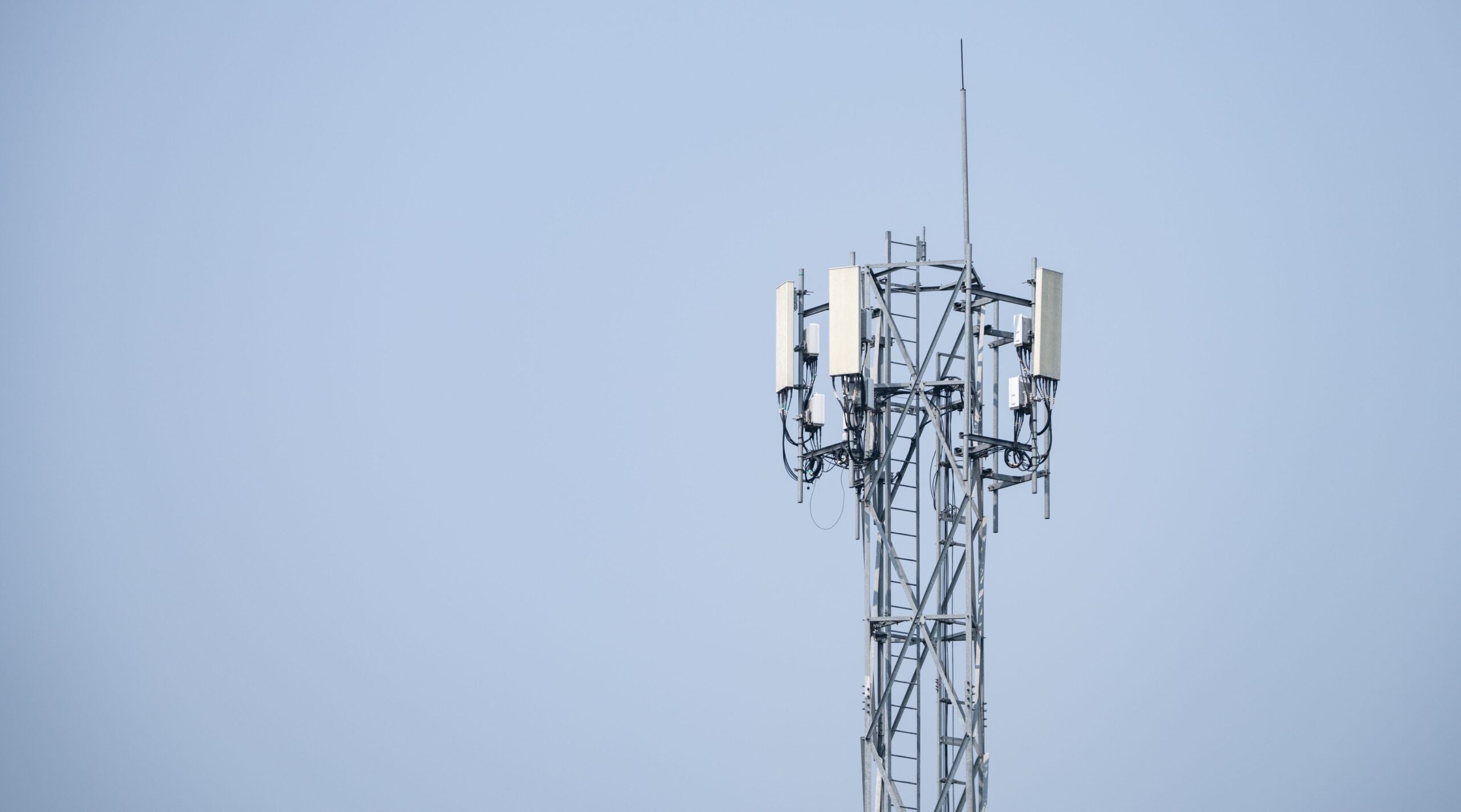
Federal program to eliminate mobile dead zones: Only five of 267 subsidized towers online between 2021 and May 2026
Berlin, August 2026 – The government program to eliminate mobile network dead zones has fallen far short of initial expectations since its launch in 2021. By May 2026, only five of the 267 subsidized cell towers were actually operational. Another 37 towers had been completed or were under construction, while 225 projects had not yet…
-
Consumer Association: Eon district heating customers can still join class action lawsuit
In light of price hikes by the district heating provider Eon, consumer advocates have urged affected customers to join a class-action lawsuit. Affected individuals have until September 14 to do so, the Federation of German Consumer Organizations (vzbv) announced on Tuesday. “Registration is free and can be done online.” The class-action lawsuit aims to secure…
-
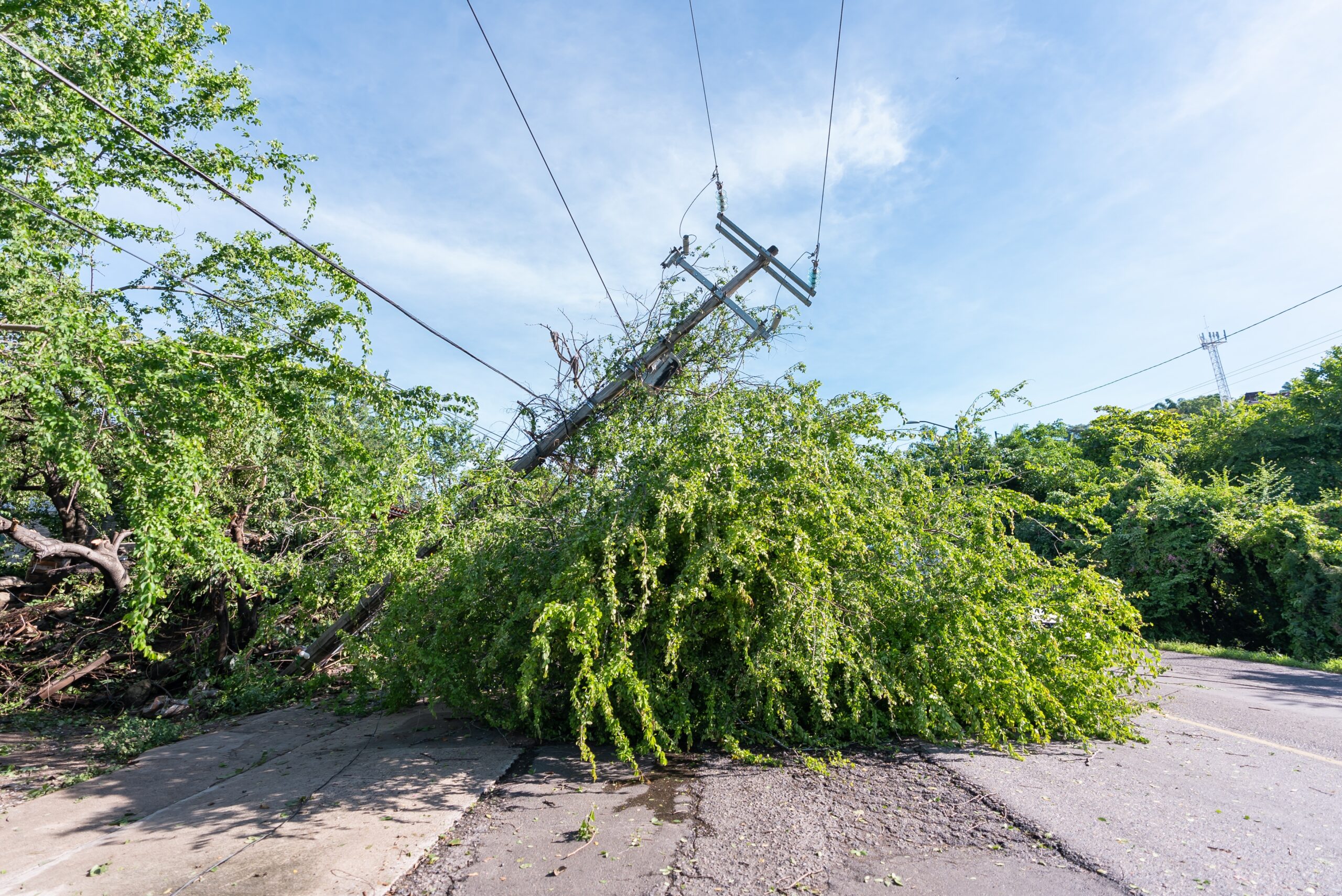
Power outage in the Westerwald: 25,000 households in 65 municipalities without electricity
A severe storm struck the Westerwald region and other parts of northern Rhineland-Palatinate on August 19. At times, around 25,000 residential units were left without power, with outages affecting a total of 65 municipalities. Fallen trees damaged overhead lines, conductors, roof-mounted service masts, and domestic service connections. The numerous individual instances of damage to the…
-

Porsche sells MHP for 320 million euros – Tata wins multi-billion euro contract
Stuttgart/Ludwigsburg, August 2026 – Porsche is selling its management and IT consultancy, MHP, in its entirety to Tata Consultancy Services (TCS). The Indian IT group values MHP at 320 million euros. Around 4,500 employees will transfer to TCS along with the company as Porsche spins the consultancy off from its investment portfolio. At the same…
-
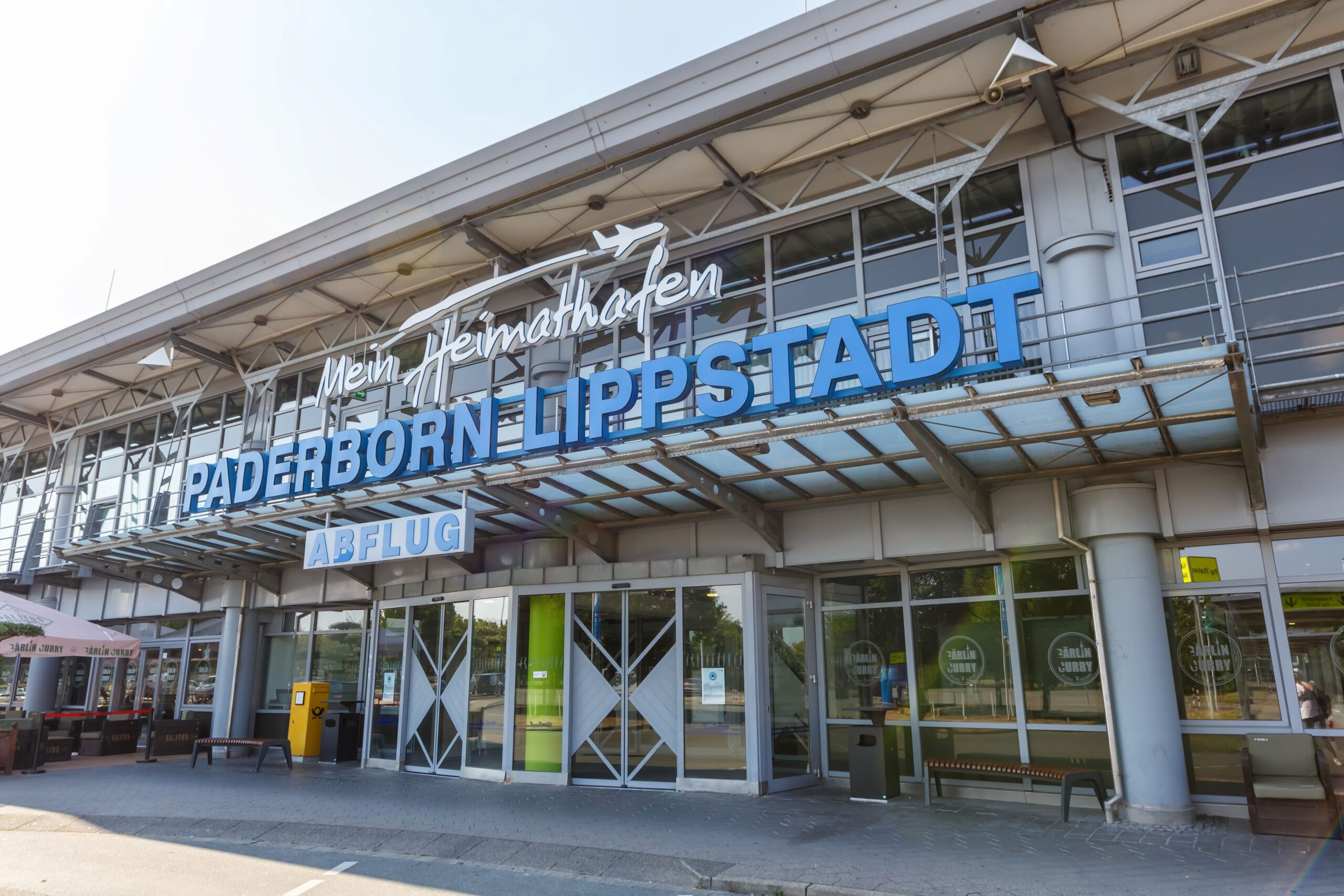
Power outage shuts down security area at Paderborn Airport
Büren, August 2026 – A power outage affected the security area at Paderborn/Lippstadt Airport overnight into Monday. According to Westnetz, contamination on lines within the 110 kV high-voltage grid triggered the regional disruption. As a result, doors between public and restricted areas at the airport opened automatically. Consequently, police evacuated the terminal and searched all…