
-
Hydrogen: Thyssenkrupp Nucera halts mass production – Arnstadt loses chance for factory
Arnstadt – In mid-August 2026, Thyssenkrupp Nucera halted plans to establish its own serial production line for SOEC units. The decision was driven by the delayed ramp-up of the hydrogen market and the postponement of customer projects. Although the company had not yet finalized the factory location, Arnstadt had been considered a key option. Consequently,…
-

Swiss bank accounts: EU makes opening accounts and capital outflows more difficult
Berlin/Zurich – Starting January 11, 2027, German residents will no longer be able to open new bank accounts through standard procedures at many Swiss banks. For Swiss bank accounts, the EU will generally require the bank to maintain an authorized branch in the customer’s country of residence. Without a German branch, a Swiss bank will…
-
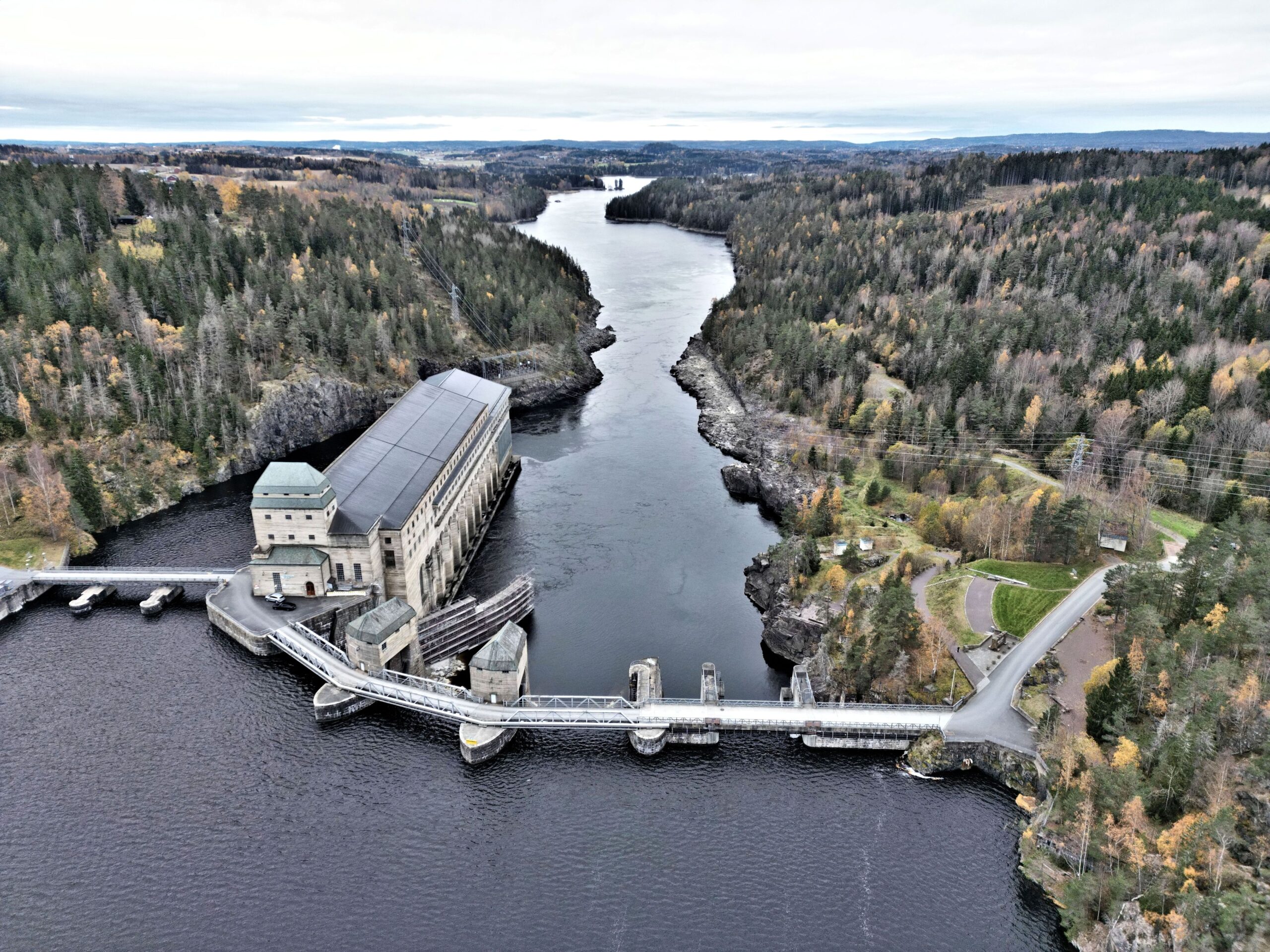
Energy Minister Aasland: Norway’s hydropower cannot save Europe
On August 24, 2026, Norwegian Energy Minister Terje Aasland dismissed his country’s former role as “Europe’s green battery.” While Norway’s hydropower could support Europe’s fluctuating wind and solar output, it could not balance the entire electricity market; Aasland therefore described the concept as a “flawed idea.” At the same time, the government does not intend…
-
EV tax: New levies intended to replace lost fuel tax revenue
Berlin, August 2026. As the number of electric cars rises, the state stands to lose long-term revenue from fuel and vehicle taxes. Consequently, the prospect of an electric vehicle tax based on kilometers driven or charging electricity consumed is gaining traction internationally. However, no such additional levy has been adopted in Germany. At the same…
-

Wildfires: 2026 sees smallest global burned area since satellite measurements began
Copenhagen – Wildfires are once again dominating the climate debate in the summer of 2026, yet global fire statistics reveal a surprising trend. Worldwide, the total area burned is heading toward its lowest level since comparable satellite measurements began in 2001. Climate economist Bjørn Lomborg even considers it possible that the figure could drop to…
-

Voerde Coal-Fired Power Plant: RWE Demolishes Boiler House of 695 MW Unit
Voerde – On August 21, 2026, RWE demolished the 90-meter-high boiler house of Unit B at the Voerde coal-fired power plant using explosives. Almost simultaneously, two adjacent denitrification plants—comprising a total of around 30,000 tons of steel—were brought down. Due to the blast wave and dust, a safety radius of 350 meters was established. Authorities…
-

Indiana: 38,300 connections without power in Gary following storm – outage drags on for over two weeks
Gary, Indiana, August 2026 – Following a severe thunderstorm with gusts of up to 159 km/h on August 11, power supplies in Gary were largely restored only after about two weeks. At times, more than 38,300 households and businesses in the city were without electricity. Across the entire NIPSCO service area, the series of storms…
-

Cyberattack cripples British gas power plant for four days – Iran link remains unconfirmed
The UK is responding to a cyberattack that knocked a small gas-fired power generator offline for four days in July 2026. According to reports by the Financial Times, hackers linked to Iran are believed to be behind the attack. The British government has confirmed the incident but not the identity of the perpetrators. The facility’s…
-

Hürtgenwald: Major fire breaks out—of all places—at a planned 222-hectare wind power site
Starting on August 13, 2026, a forest fire burned approximately 300 to 400 hectares in the Hürtgenwald area near Gey and Großhau. At times, more than 1,800 emergency personnel battled both ground and crown fires, while nearly 2,000 residents of Gey were forced to evacuate their homes. Wind and dry conditions fueled the spread of…
-

Ofterdingen: Power was supposed to be shut off – three firefighters suffer electric shocks
In Ofterdingen in the Tübingen district, the filter system of a textile company burned on Tuesday afternoon, August 25th. Presumably a technical defect allowed oil to get into the system, which then ignited. However, the fire spread to a machine and continued to smolder there. According to police, three firefighters suffered electric shocks and minor…
-

Hendrik Holt on the run: Convicted wind power fraudster fails to return to prison after temporary release
Berlin/Osnabrück – Convicted wind power fraudster Hendrik Holt has been on the run since Tuesday, August 25, 2026. The 36-year-old failed to return to the Heidering correctional facility near Berlin following authorized, unsupervised leave. The Osnabrück public prosecutor’s office is consequently searching for him. According to the authorities, Holt had already been in an open…
-

Attacks on the German economy: Trail increasingly leads to foreign intelligence agencies
Companies are increasingly attributing attacks on the German economy—such as data theft or sabotage—to foreign intelligence services. While organized crime remains the “primary perpetrator group,” the digital industry association Bitkom stated on Wednesday upon the release of its new report on the protection of the economy, 37 percent of affected companies were able to attribute…
-

Munich: Trees at Viktualienmarkt withered despite paid maintenance
Munich – Several trees at the Viktualienmarkt that were planted only in 2023 have withered, even though the operators had contracted specialist companies to handle their care and watering. One company was tasked with the regular maintenance of the roof-trained plane trees, while another was explicitly responsible for watering. In addition, a flower vendor watered…
-
DIY chain Hellweg facing breakup: Bauhaus, Obi, and Hornbach bid for stores
Dortmund/Garching, August 2026. The breakup of the insolvent home improvement chains Hellweg and BayWa Bau & Garten is entering a new phase. Today, the Essen District Court opened insolvency proceedings for BayWa Bau & Garten due to illiquidity and over-indebtedness. At the same time, no investor has yet emerged for the store in Waldkirchen. While…
-
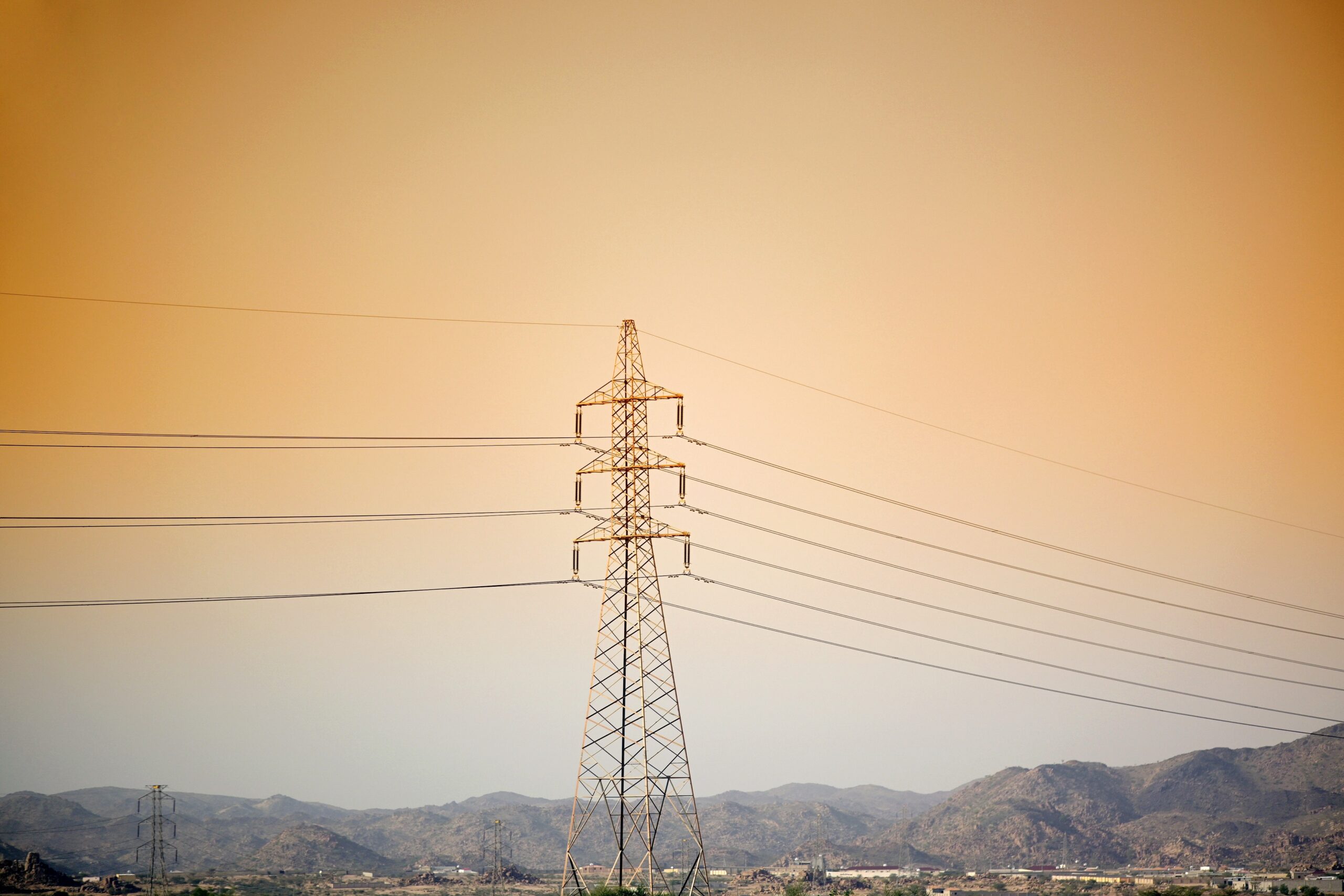
Grid connections at their limit: Power grid can no longer supply major consumers
Germany, August 2026: Grid connections are becoming a bottleneck for industry, data centers, and battery storage systems. The issue is not a fundamental lack of electricity, but rather the limited transmission and connection capacity of the grids. By the end of June, the four transmission system operators alone had received requests totaling more than 200…