
-
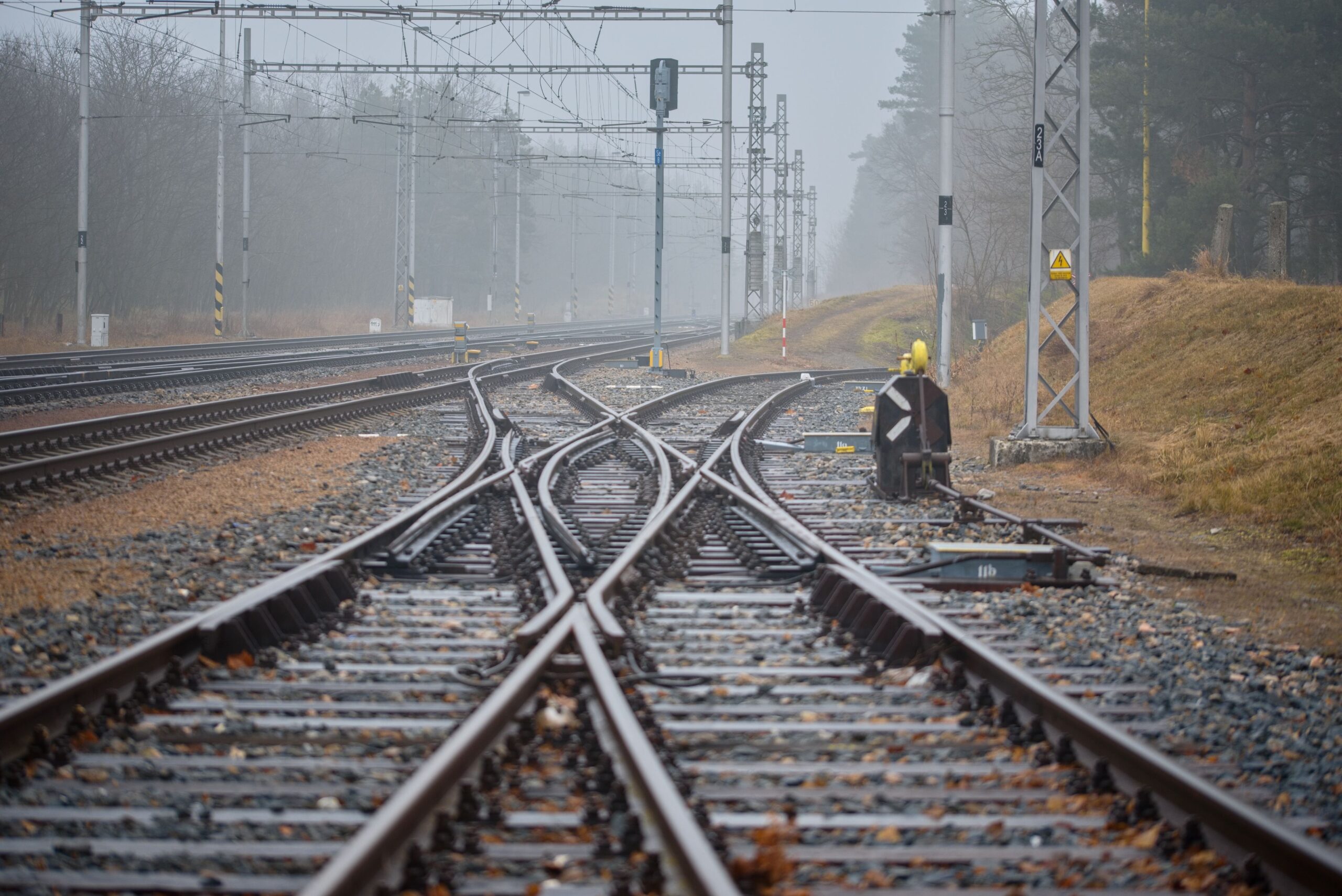
Suspected railway sabotage near Backnang: Cable cuts affect rail, internet, and telephone services
Backnang, August 2026: State security authorities are investigating suspected railway sabotage following targeted cable-cutting. On Sunday afternoon, unidentified individuals gained access to a concrete shaft located between Backnang and Maubach, where they used tools to sever several cables. This resulted in train delays as well as internet and telephone service disruptions in the town of…
-

Productivity is no longer sufficient: Germany’s prosperity cannot be sustained this way
Berlin, August 2026 – Germany’s productivity is growing at an annual rate of just 0.3 percent when averaged over six years. However, calculations by the German Economic Institute indicate that a rate of at least 1.6 percent would be required to safeguard prosperity in the face of an aging population. At the same time, the…
-

VW prepares to sell more Traton shares – billions at stake
Wolfsburg/Munich – Volkswagen is apparently preparing to sell additional Traton shares in mid-August 2026. VW currently holds an 87.5 percent stake, which could fall to 75 percent plus one share in the medium term. This move is driven by the group’s sweeping restructuring and the growing need to deploy capital more strategically. However, neither the…
-

Anyone who thwarts an AfD election victory undermines democracy
A commentary by our author Klaus Bastian: Ahead of the state election in Saxony-Anhalt, the discourse surrounding a potential AfD victory is taking a worrying turn. An anonymous call from within the Antifa milieu threatens to “storm” the Magdeburg state parliament in the event of an AfD win. Sven Hüber, deputy head of the police…
-
Investment booster provides little momentum – investment 12 percent below pre-pandemic levels
Berlin. The federal government’s investment stimulus measures have not yet significantly boosted private investment. According to the DIHK, investment levels in the first quarter remained around twelve percent below pre-pandemic figures. While private investment in equipment rose by 3.3 percent compared to the previous quarter, the Federal Ministry for Economic Affairs notes that this growth…
-

Telefónica Deutschland reportedly plans to cut 1,650 jobs by 2028
Job cuts at Telefónica Deutschland could prove significantly more extensive than publicly disclosed so far. Internally, the mobile operator is apparently planning to reduce its workforce in Germany by around 1,650 full-time positions by the end of 2028. To date, the official announcement has covered the elimination of up to 1,100 jobs in 2026. Internal…
-
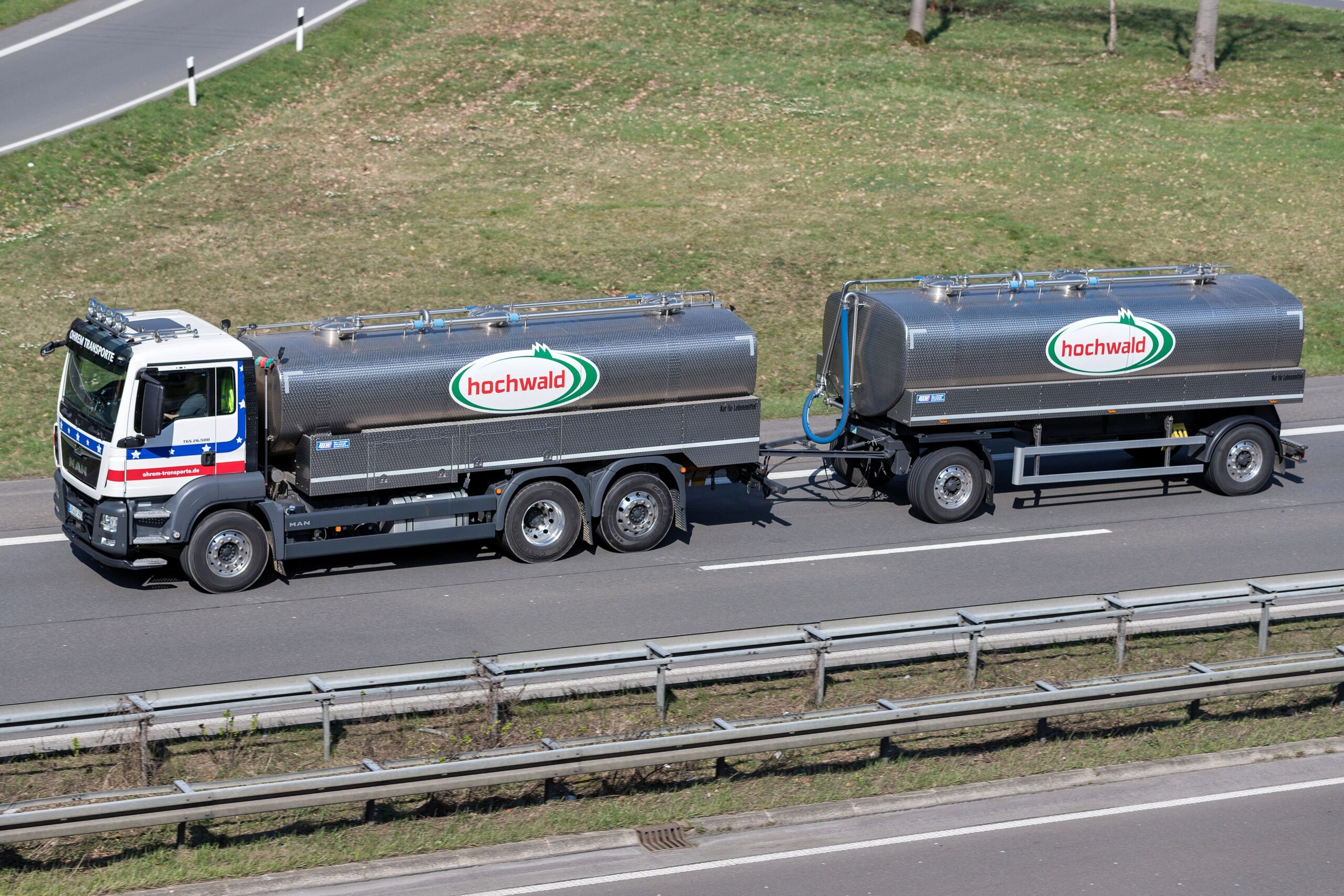
Hochwald closes dairy plant in Kaiserslautern – 74 jobs lost despite record revenue
Kaiserslautern – Hochwald is closing the majority of its dairy plant on Merkurstraße as early as September 2026. According to reports by BILD, 74 jobs are affected, while SWR cites a figure of around 80 positions. The company cites a lack of profitability as the reason. The plant had recently been supplying primarily the Chinese…
-

Brussels is now even regulating the disposal of used tea bags and coffee capsules
A commentary by our author Klaus Bastian The new EU Packaging Regulation has been in effect across all member states since August 12, 2026. Brussels now explicitly regulates how used tea bags, coffee pads, and certain coffee capsules are to be handled. Legally classified as packaging, they fall under European requirements regarding disposal, recycling, and…
-

US warns of terror threat in Germany – Travel advisory at Level 2
As of mid-August 2026, Washington continues to classify Germany at Level 2 of its travel advisory system. The U.S. State Department cites the threat of terrorism as the reason and advises Americans to exercise “increased caution.” Regarding travel advisories for Germany, this applies particularly to tourist destinations, transport hubs, markets, and major events. However, there…
-

Reporting body REspect! shuts down reporting portal – criticism of private reporting structures grows
Sersheim – The REspect reporting center! will end the nationwide processing of reports of suspected illegal online content at the end of 2026. Since 2017, around 116,000 reports have been received, of which the office forwarded a good 29,000 to law enforcement authorities. The Baden-Württemberg Youth Foundation justifies its withdrawal with the considerable need for…
-
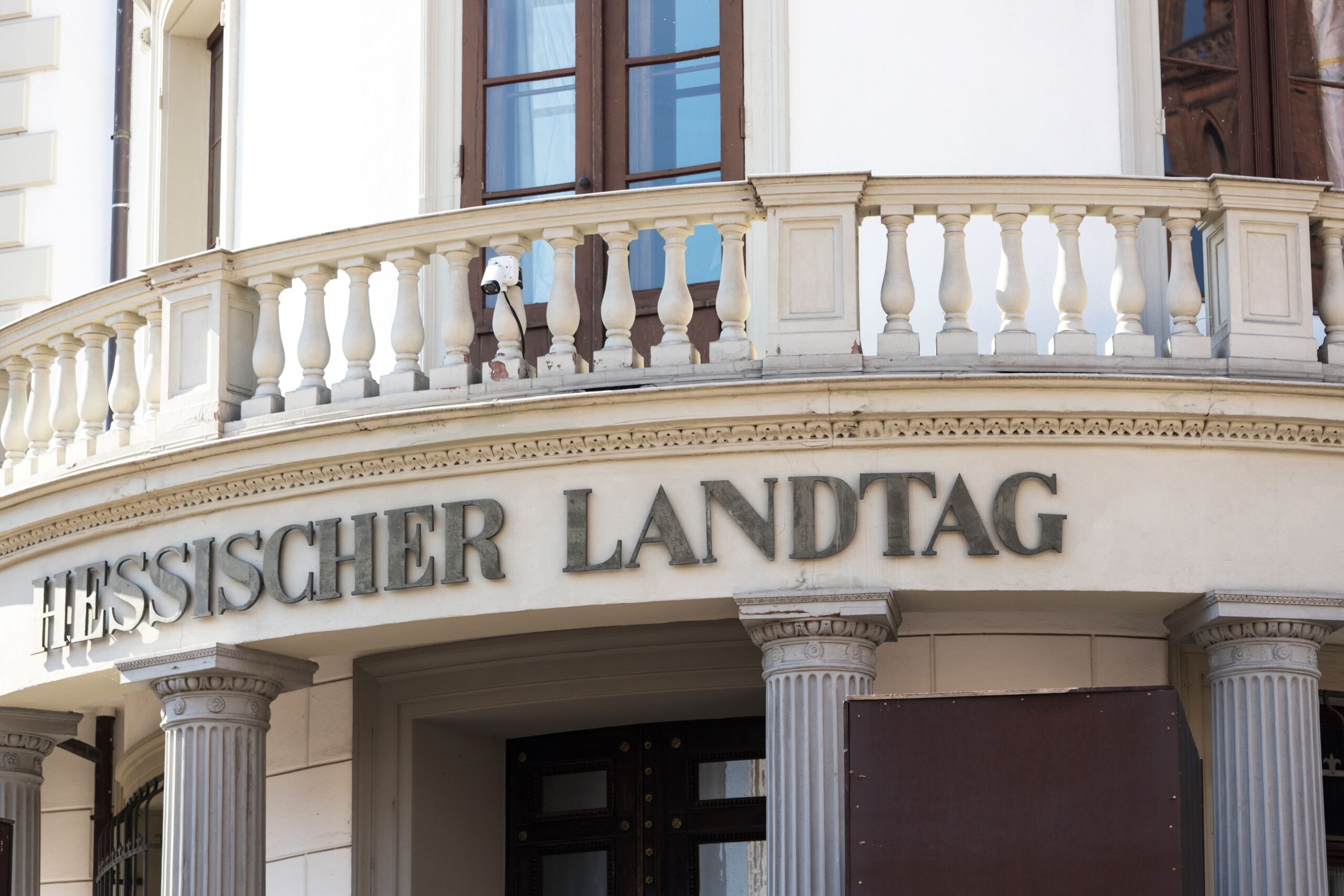
Hesse’s deficit rises to 15 billion euros – personnel costs push the balance sheet into the red
Wiesbaden – Hesse’s deficit rose to 15 billion euros in the 2025 financial report, more than doubling within a single year. Finance Minister Alexander Lorz presented the figures on August 14 and announced further cost-cutting measures in light of this development. Higher personnel costs and additional provisions for pensions and healthcare benefits are placing a…
-

Government flying blind: Security of supply not demonstrated for coal phase-out
Berlin/Düsseldorf. The federal government is letting the statutory deadline for a review of the coal phase-out in North Rhine-Westphalia pass without action. The report, intended to assess factors such as security of supply, has not been submitted. Consequently, the government cannot demonstrate by the mandated deadline that sufficient firm capacity will remain available following the…
-

Security of supply before shutdown plan: Spain postpones nuclear phase-out in Almaraz until 2030
Madrid is postponing the nuclear phase-out at the Almaraz power plant in Extremadura until June 8, 2030. On August 14, 2026, the government approved the continued operation of both reactors. Originally, they were scheduled to go offline in 2027 and 2028. However, geopolitical conflicts, volatile gas prices, and growing uncertainty regarding energy supplies have altered…
-

Business associations and major corporations are urging the federal government to implement reforms
Business associations and major corporations such as BMW and Siemens have called on the federal government to implement rapid reforms in a joint letter. Reform projects that have been announced or enshrined in the coalition agreement must be implemented “with the utmost urgency and without any compromises,” according to the letter from associations and companies…
-
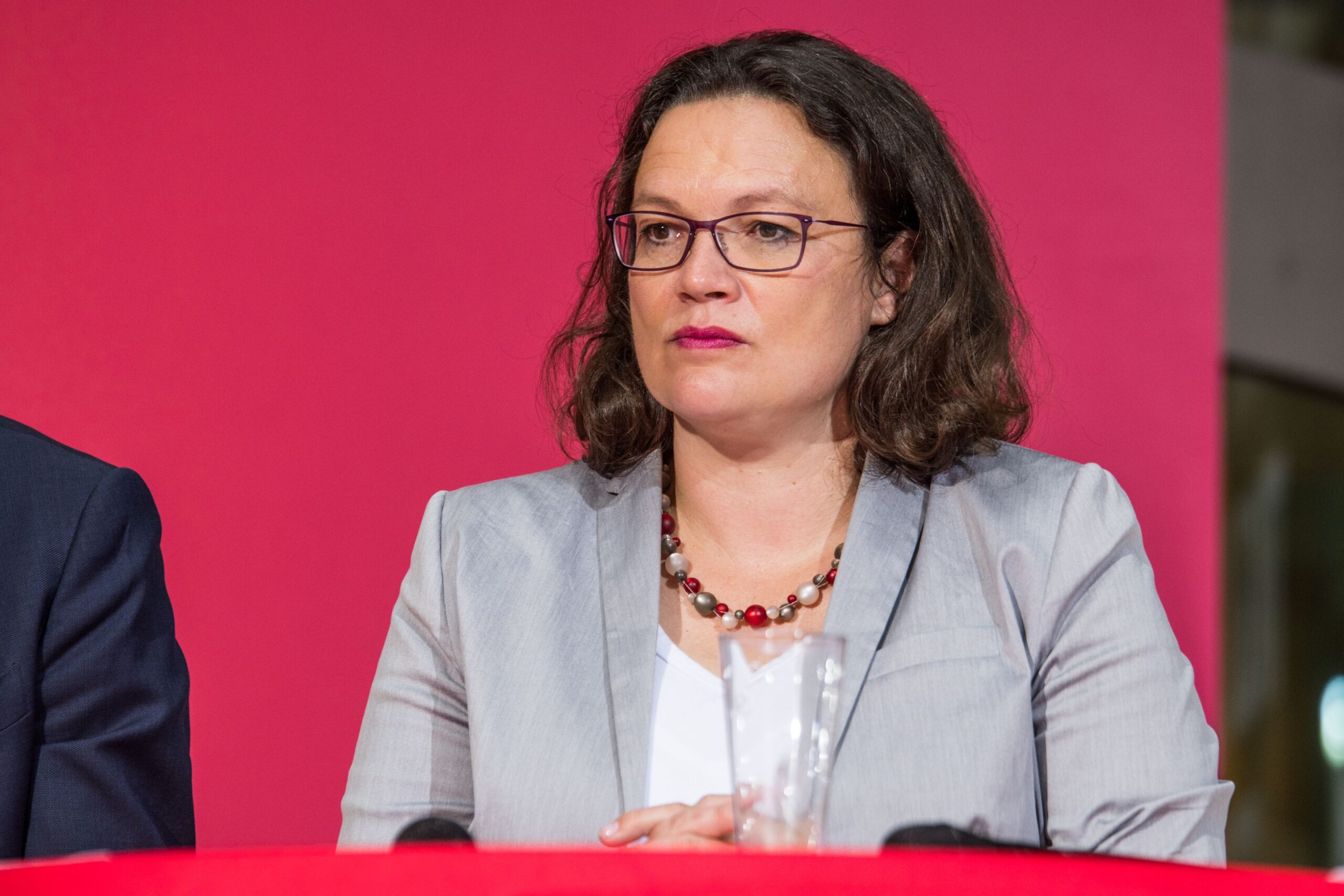
Unemployment insurance: Higher contributions due to 3 million unemployed people
Nuremberg – In July 2026, 3.007 million people were registered as unemployed in Germany—71,000 more than in June. The unemployment rate rose to 6.4 percent, while the Federal Employment Agency projects a deficit of more than eight billion euros for 2026. Added to this is a deficit of at least 1.4 billion euros from the…