
-
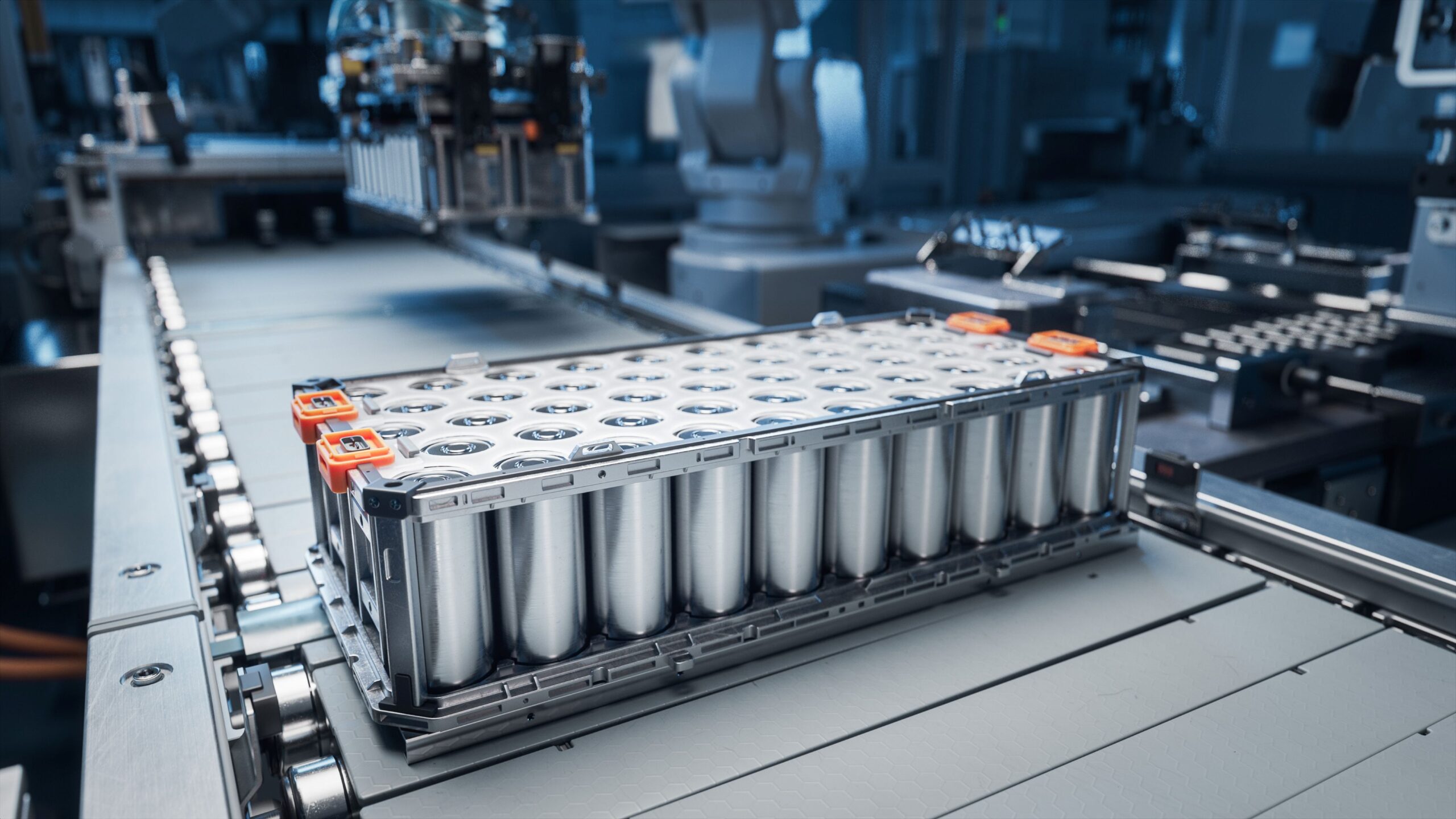
Schwarze Pumpe Battery Plant: Altech Abandons Facility Set to Create Up to 1,000 Jobs
On July 30, 2026, Altech terminated its Cerenergy project in the Saxon section of the Schwarze Pumpe Industrial Park. The Schwarze Pumpe battery factory project failed because the company was unable to find a strategic partner, despite nine months of negotiations. Consequently, conditional federal funding of up to €46.7 million proved insufficient to secure the…
-

Parental support: €100,000 protection threshold set to be scrapped – families paying for three generations
A commentary by our author Klaus Bastian The draft legislation on long-term care from June 2026 announces plans to roll back the €100,000 income threshold for parental support obligations in a separate procedure. This move is driven by rising municipal expenditure on long-term care assistance. Consequently, young families would be required to pay for the…
-
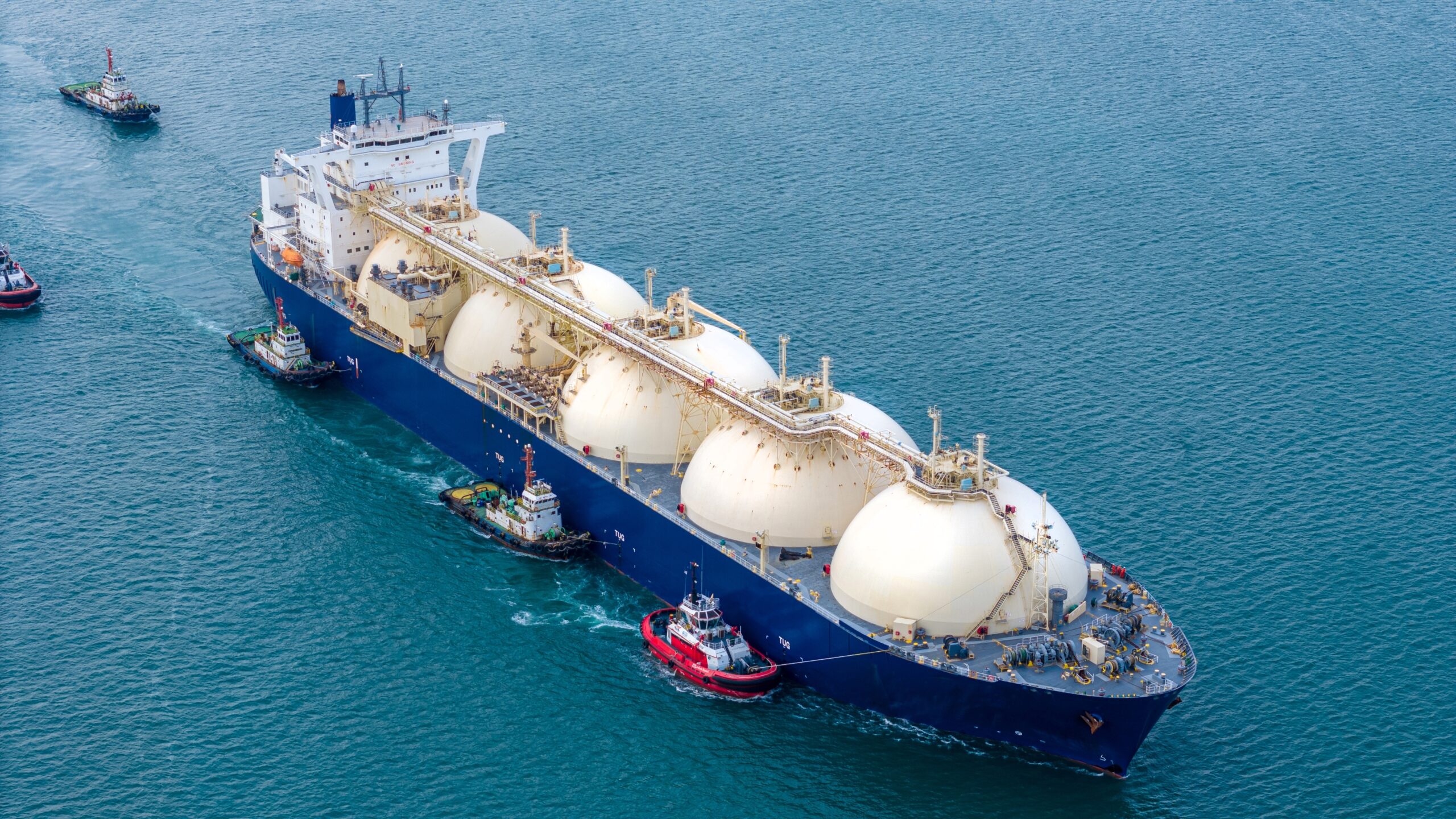
Russian LNG: In July, Belgium imports exclusively from Russia
Brussels/Zeebrugge – In July 2026, Belgium sourced all its imported liquefied natural gas (LNG) from Russia. Around 0.4 million tonnes of Russian LNG arrived in Belgium, while total imports fell by more than 40 percent year-on-year. The war in the Middle East disrupted shipments through the Strait of Hormuz, leaving Russia as the sole LNG…
-

Prolonged drought: Rhine water level at Düsseldorf hits historic low
Due to a lack of rainfall, the Rhine water level near Düsseldorf has reached a new historic low. On Friday morning, the level briefly dropped to just 14 centimeters, according to data published by the Federal Waterways and Shipping Administration. The previous record low, recorded in 2018, was 23 centimeters. Low water levels persist at…
-
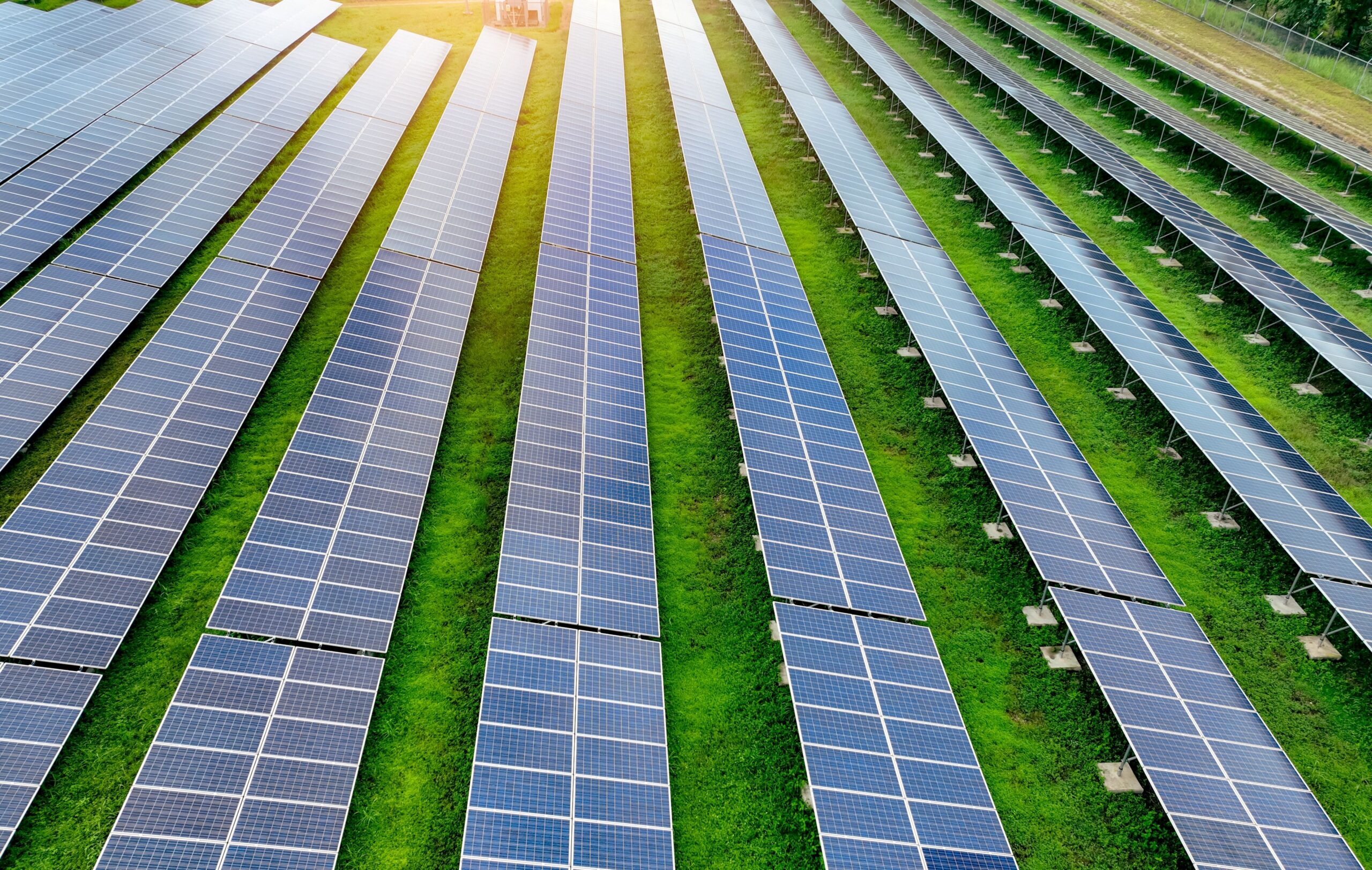
22,800 MW solar surplus: PV expansion outpacing grids and storage
On August 2, 2026, Germany set a new August record for solar power generation, reaching 450 gigawatt-hours. A recent analysis put the calculated solar surplus at 22,800 megawatts at times. This was driven by high PV feed-in and low electricity consumption on a Sunday. At the same time, there was a lack of sufficient storage,…
-

Cyberattack in Liechtenstein: 31,000 data records copied from secret register of beneficial owners
Vaduz – A cyberattack in Liechtenstein targeted a state-run register of beneficial owners during the night of July 30, 2026. Unknown parties copied data concerning approximately 31,000 companies, foundations, and trusts. The register lists the individuals who actually control these entities; consequently, the stolen information could be of interest for fraud attempts, extortion, or identity…
-
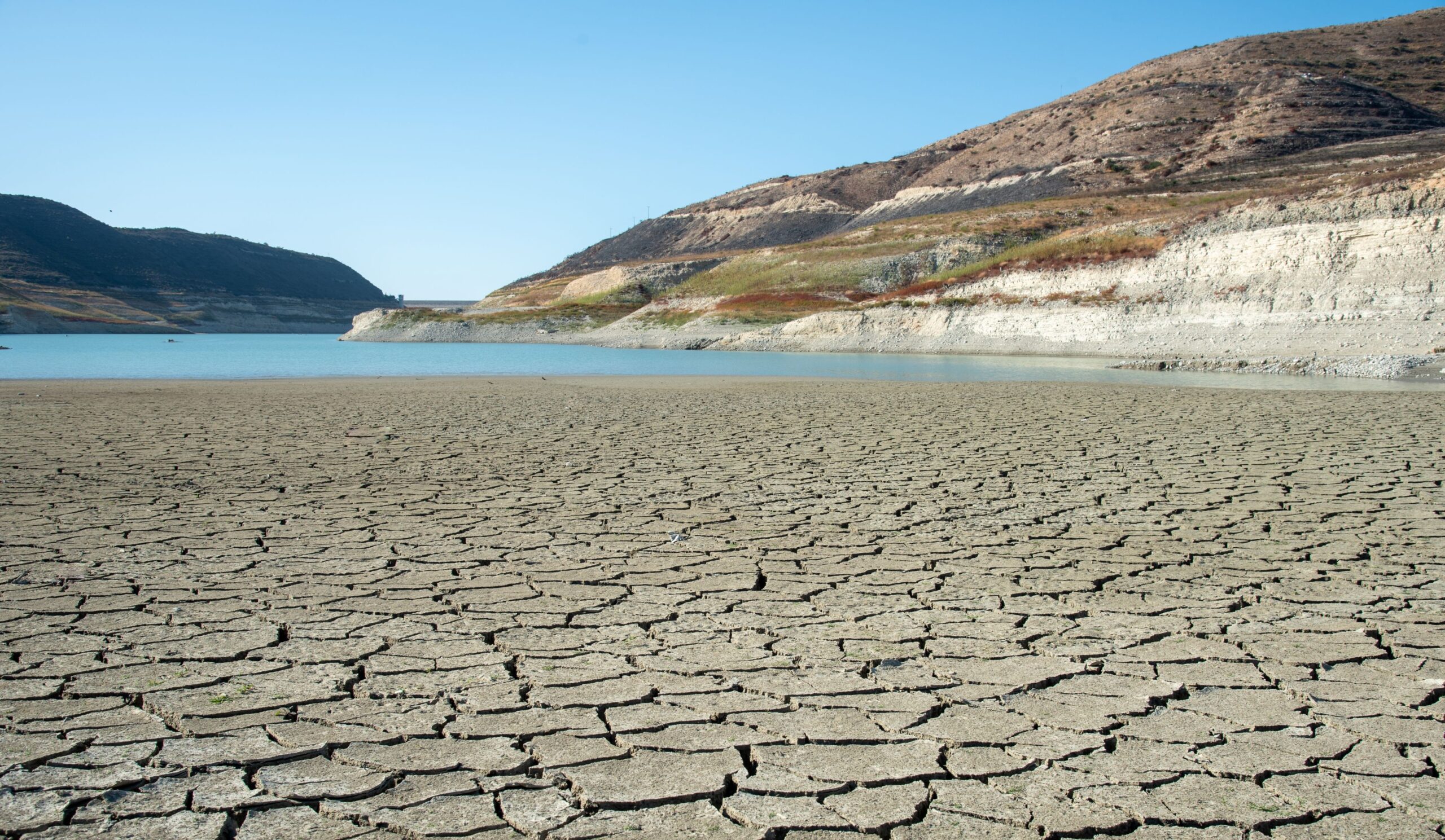
Historic Heatwaves and Droughts – Europe’s Forgotten Record-Breaking Years
A commentary by our author Klaus Bastian On August 3, 2026, Reuters reported a record low water level for the Danube following prolonged heat and drought. Power plants throttled their output, while shipping and water supplies suffered. However, such records apply only to the comparatively short timeframe during which temperatures and water levels have been…
-
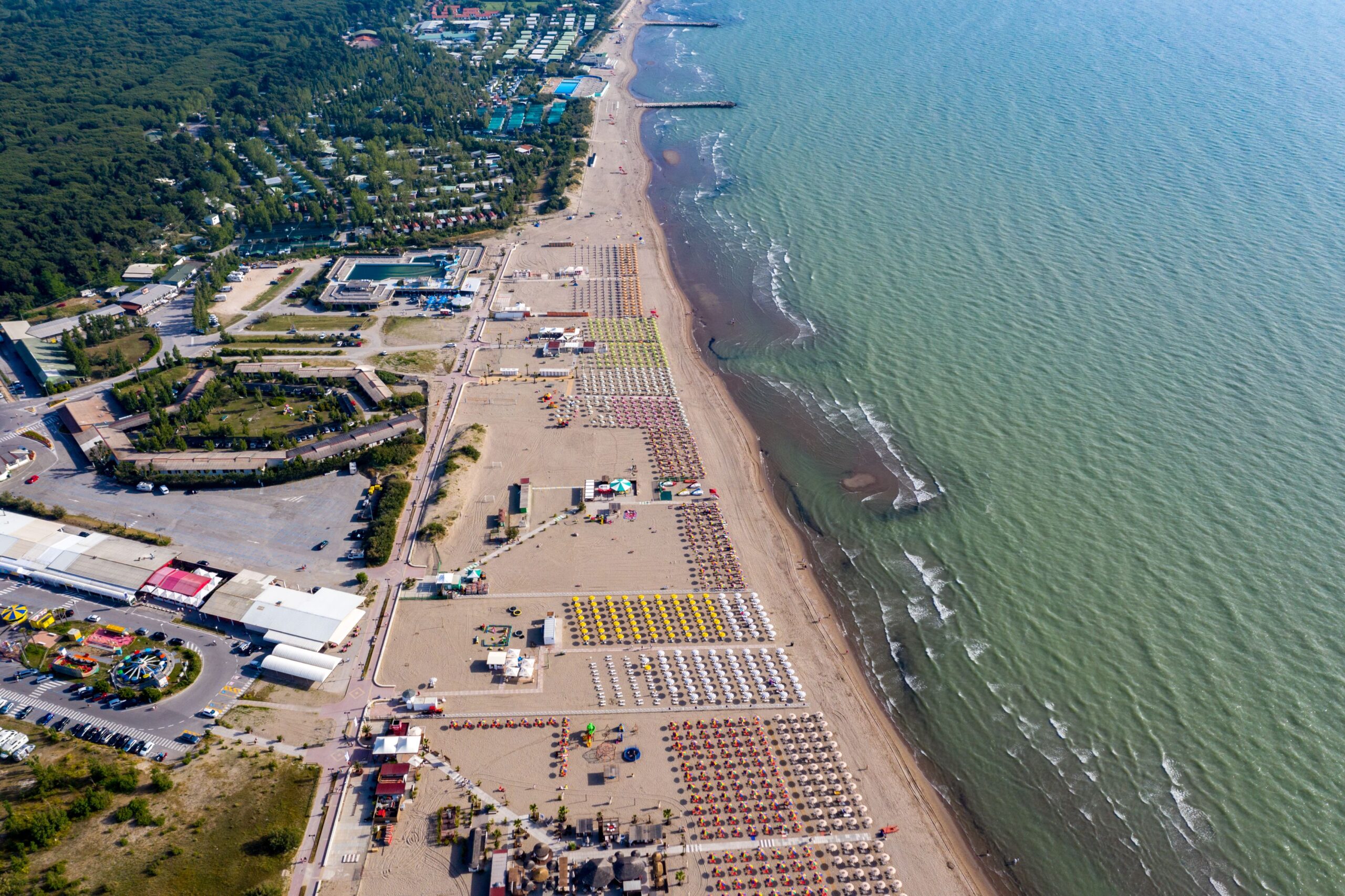
Two blackouts in three nights: Vacationers in Rosolina Mare left without power for hours
Rosolina Mare, on the Italian Adriatic coast, experienced two prolonged power outages between July 31 and August 3, 2026. The first blackout in Rosolina Mare began around 10:30 p.m. and lasted for approximately twelve hours in some areas. High electricity consumption driven by air conditioning and refrigeration units triggered several grid failures. At the same…
-
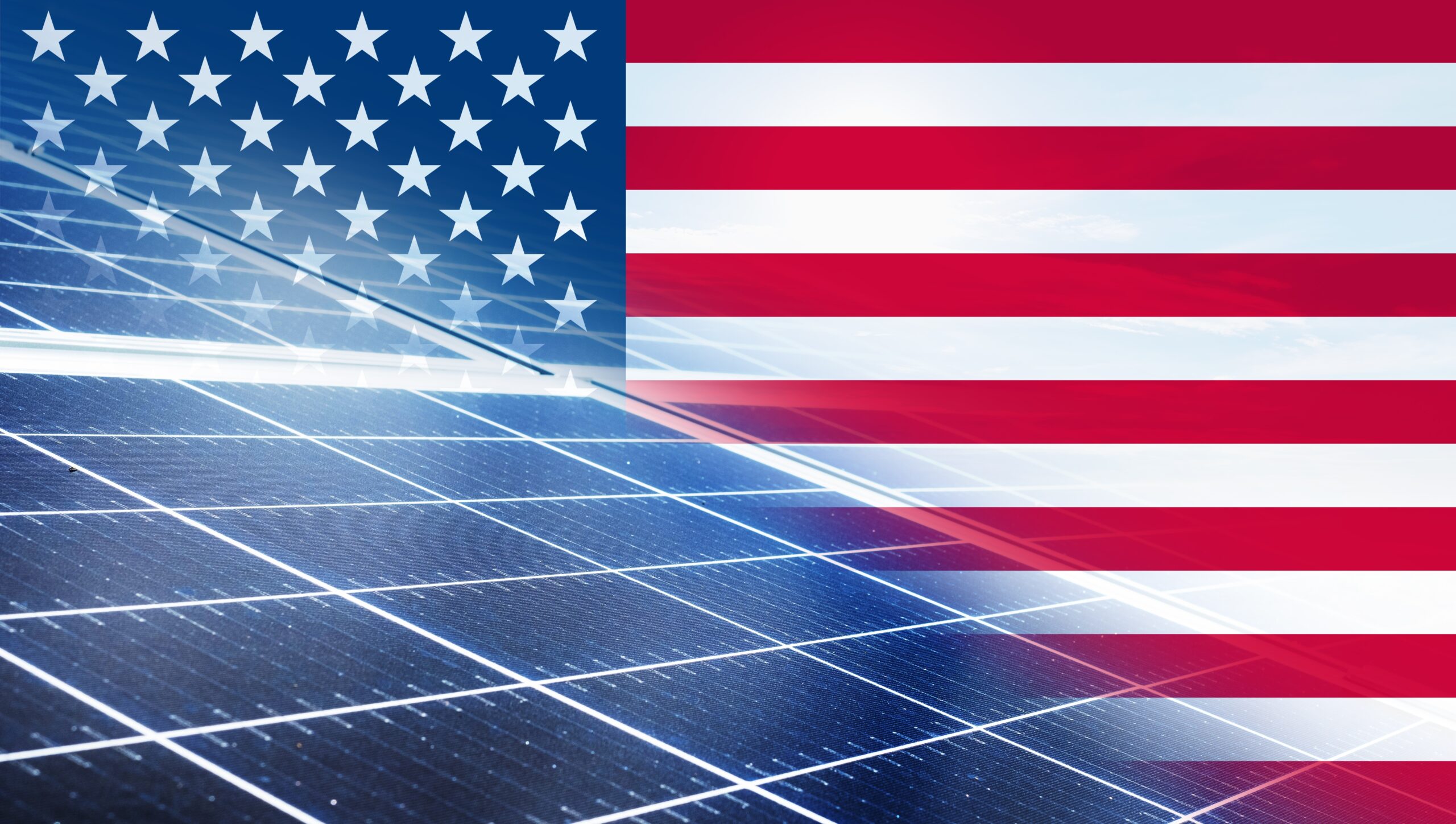
US raises cost of importing computer chips and solar cells
To protect their domestic industry, the US is raising the cost of semiconductor and solar cell imports starting in December. On Thursday, US President Donald Trump signed a decree mandating a minimum import price for the raw material polysilicon—as well as products made from it—and imposing a 15 percent tariff on products containing polysilicon. The…
-
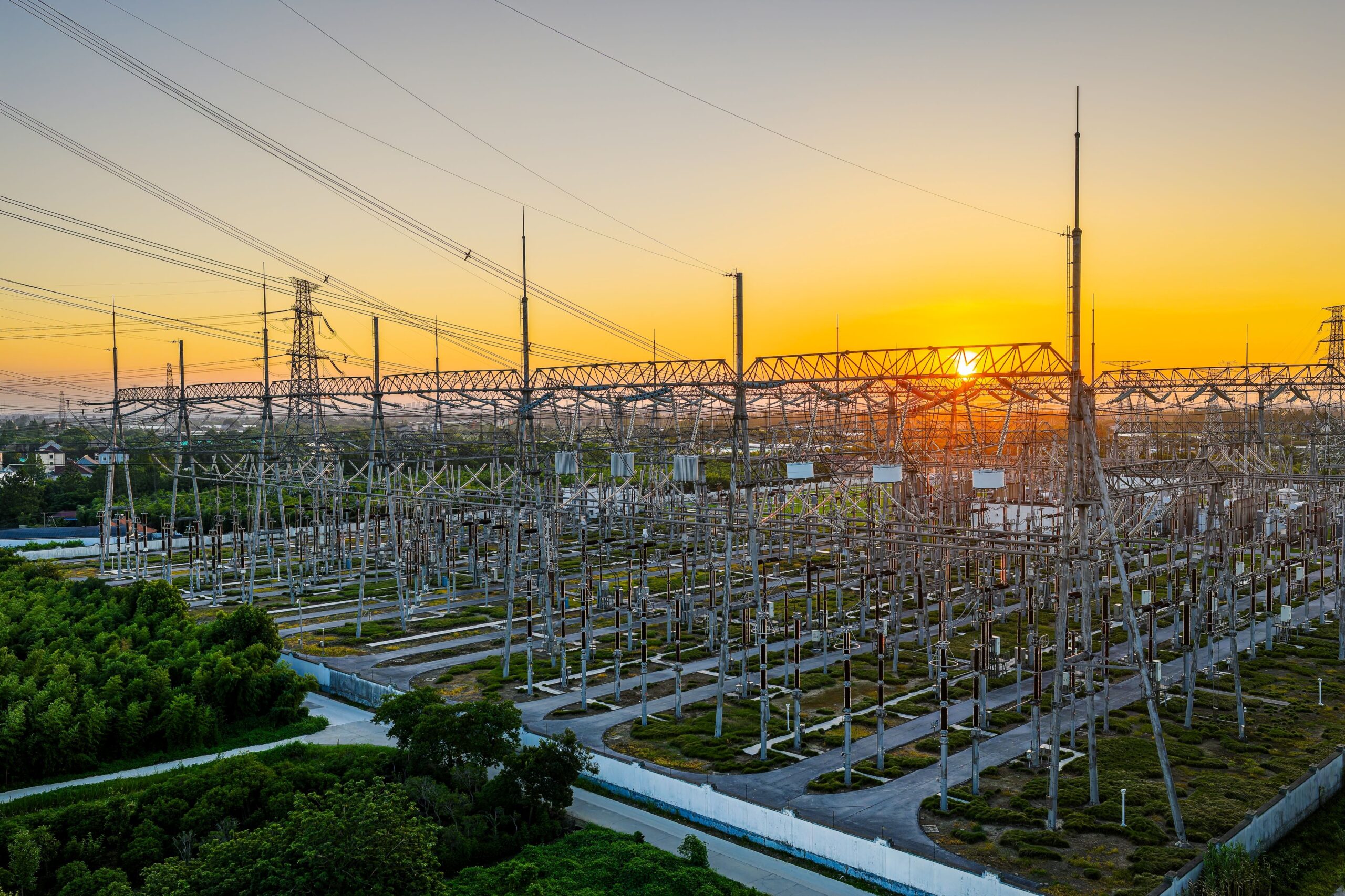
Data centers cause sudden load spike in Virginia – power grid disruption extends as far as Chicago
Virginia – On the morning of July 22, 2026, a power grid disturbance affected large parts of the largest US interconnected grid. A regional transmission line failed, prompting numerous data centers to automatically switch to emergency power supplies. As a result, more than three gigawatts of demand dropped out of the PJM grid within a…
-
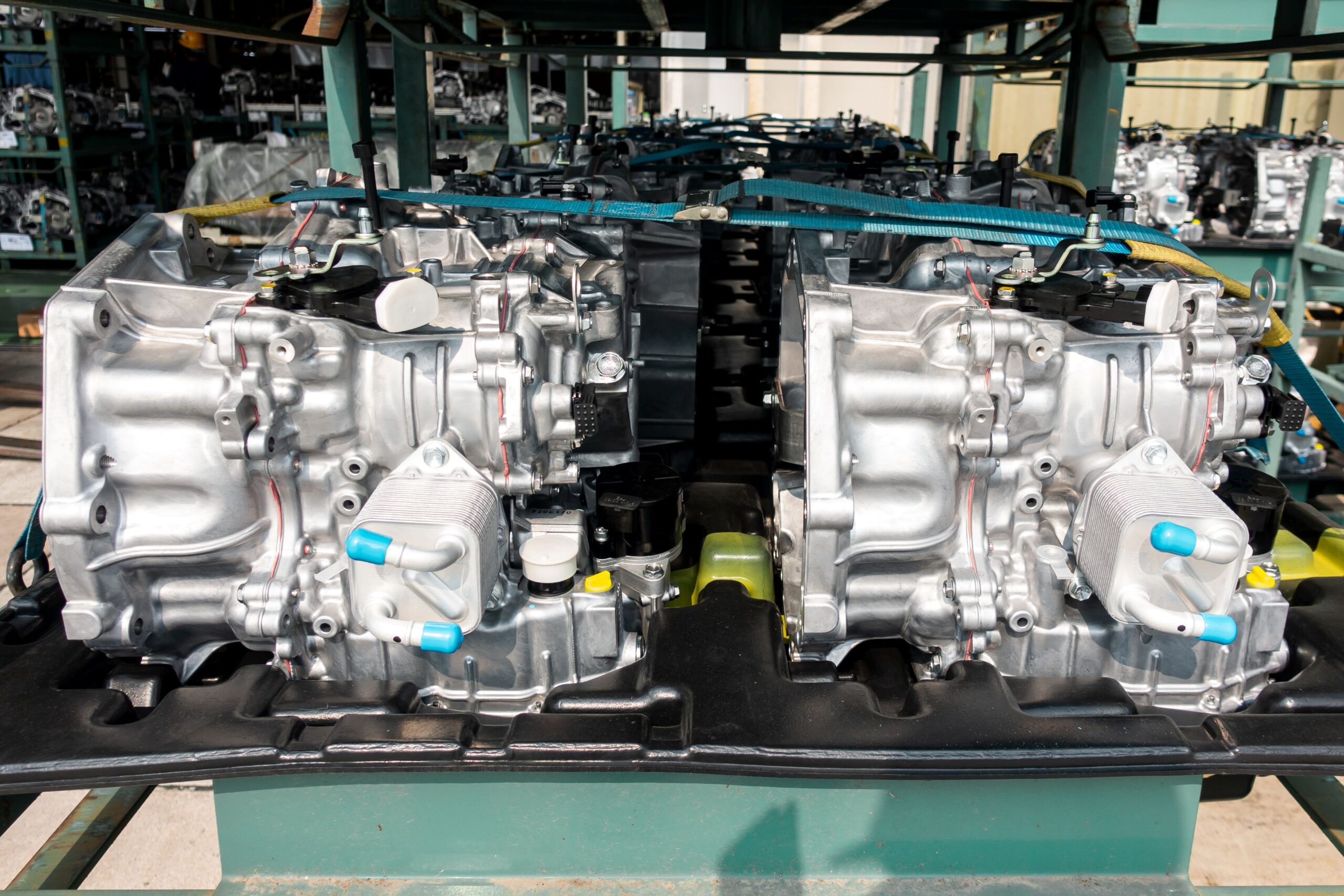
Lending practices exacerbate crisis for auto suppliers – banks demand more collateral
Germany – As of late July 2026, banks are tightening lending criteria for German automotive suppliers. Declining orders from automakers are coinciding with high costs for new powertrains, software, and modern production facilities. In a VDA survey of around 40 companies, 44 percent described their banks’ stance as restrictive, while another 22 percent reported outright…
-
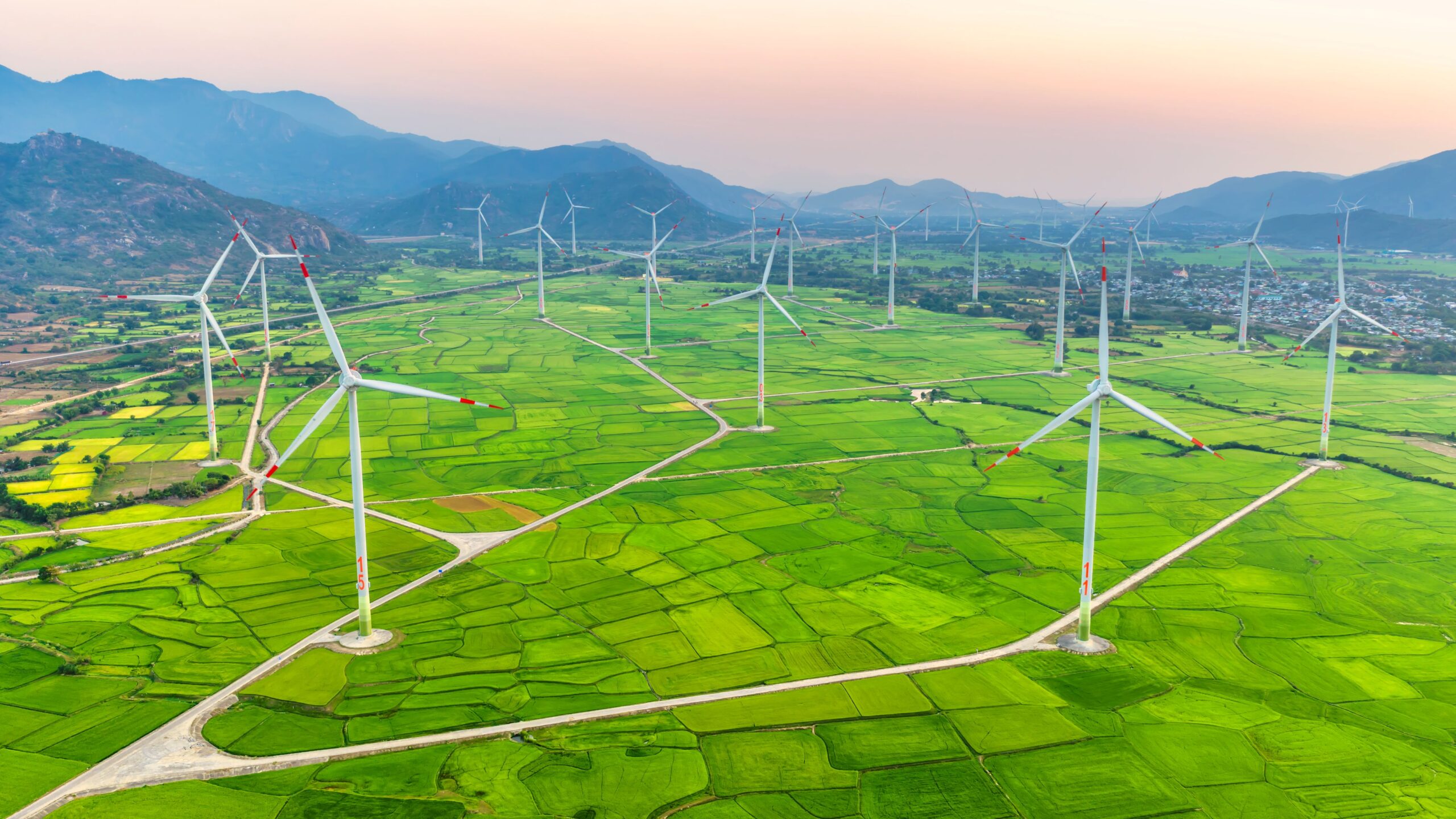
Wind power lease payments of up to 400,000 euros
Berlin – By the summer of 2026, wind power lease rates in Germany are reaching upwards of €400,000 per turbine annually in some instances. Competition for scarce land is driving up these rates, benefiting state forestry agencies and other public landowners. These high costs are factored into project calculations and can place a burden on…
-
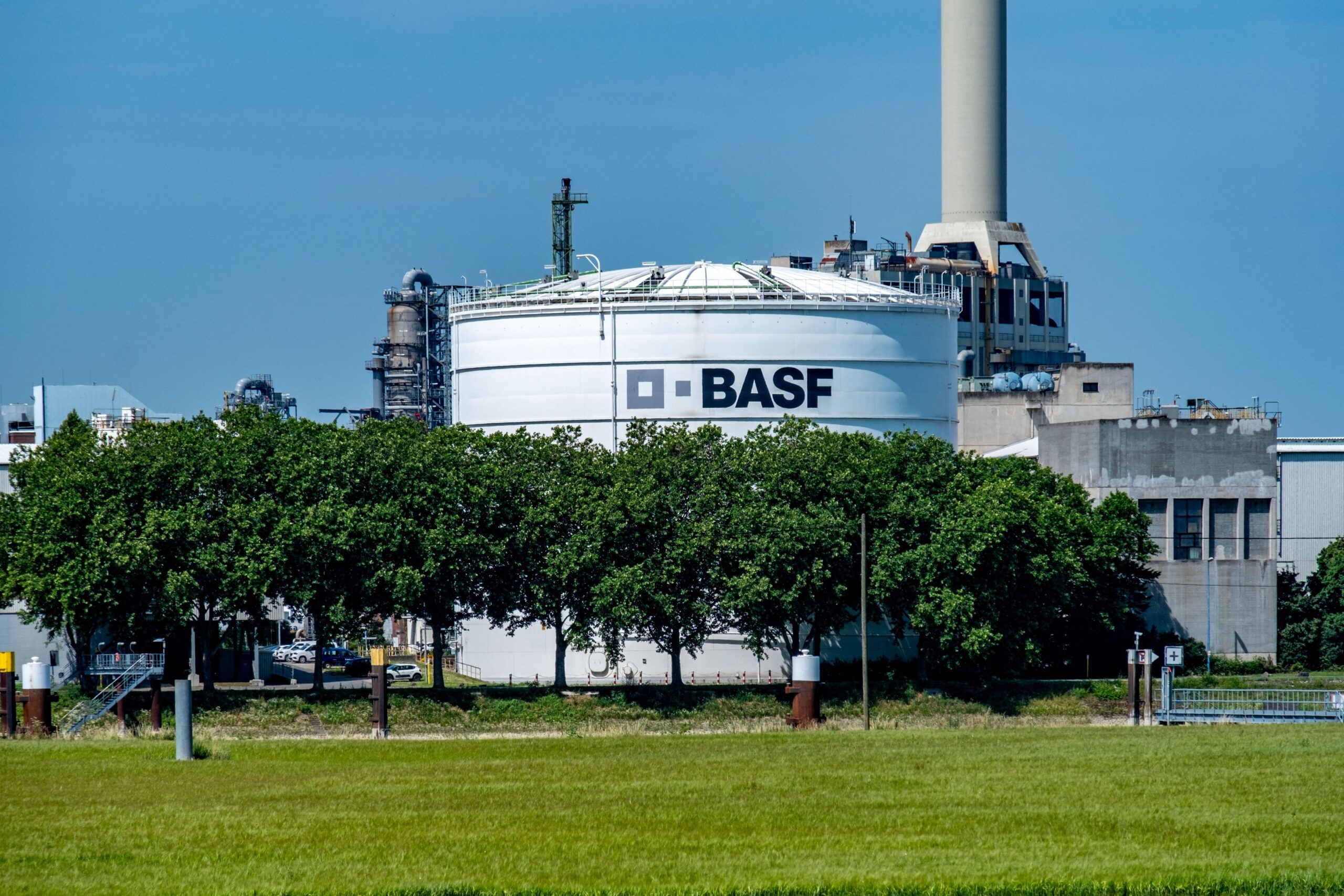
Job cuts at BASF: Ludwigshafen workforce falls below 1954 levels
Ludwigshafen – Job cuts at BASF accelerated significantly in the first half of 2026. Since the beginning of 2024, the group has eliminated around 7,000 jobs worldwide. At the main plant alone, 300 to 350 full-time positions are currently being cut each month. Consequently, the workforce there fell below 30,000 in May for the first…
-
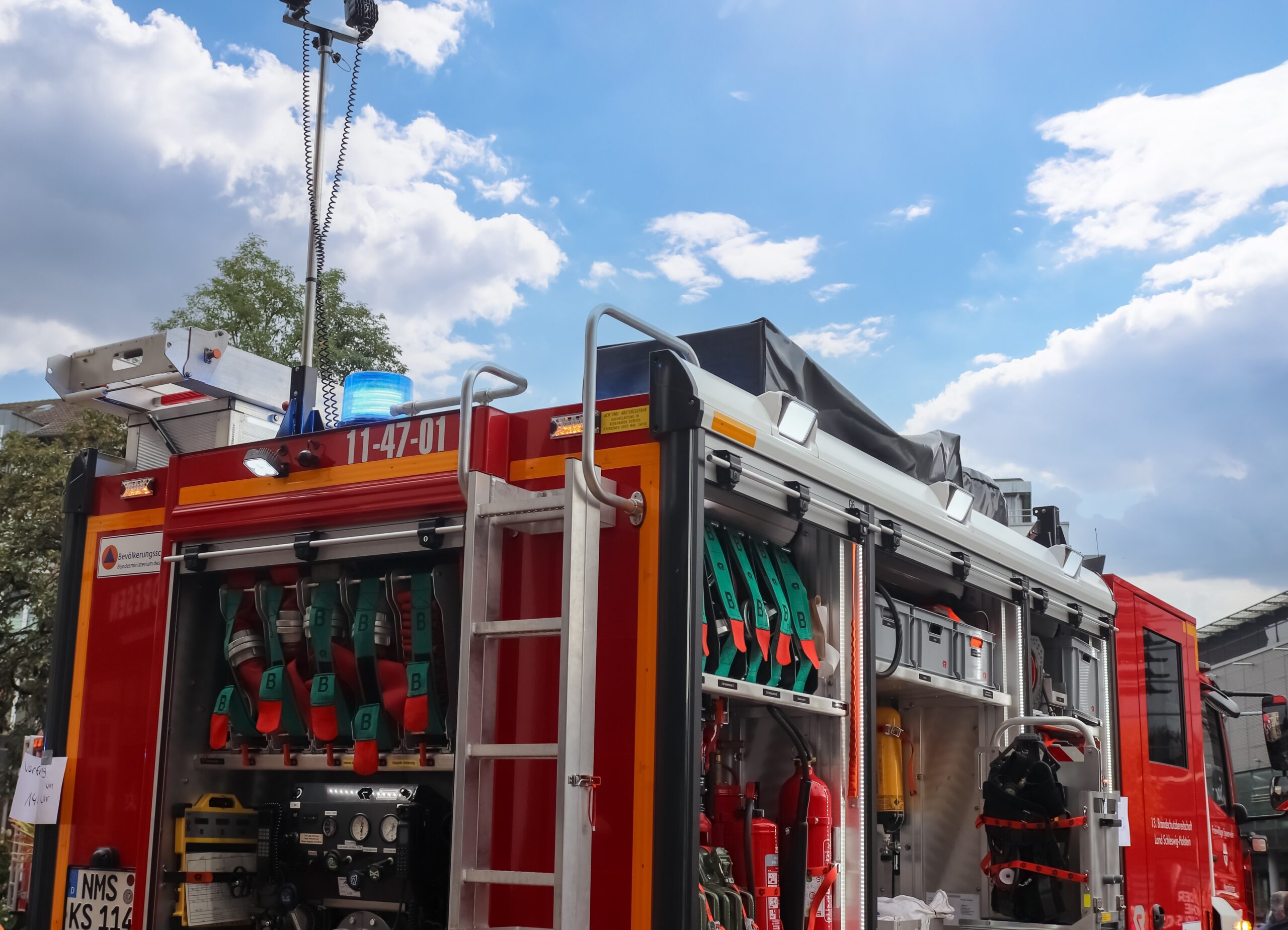
Photovoltaic Fire in Lachendorf: Fire Threatens Roof Structure – €50,000 in Damage
On the late afternoon of August 1, 2026, a photovoltaic system on a single-family home in Lachendorf caught fire. A passerby noticed smoke and open flames on the roof and called emergency services. By the time the fire department arrived, the area of the system was already burning intensely, and the fire threatened to spread…
-
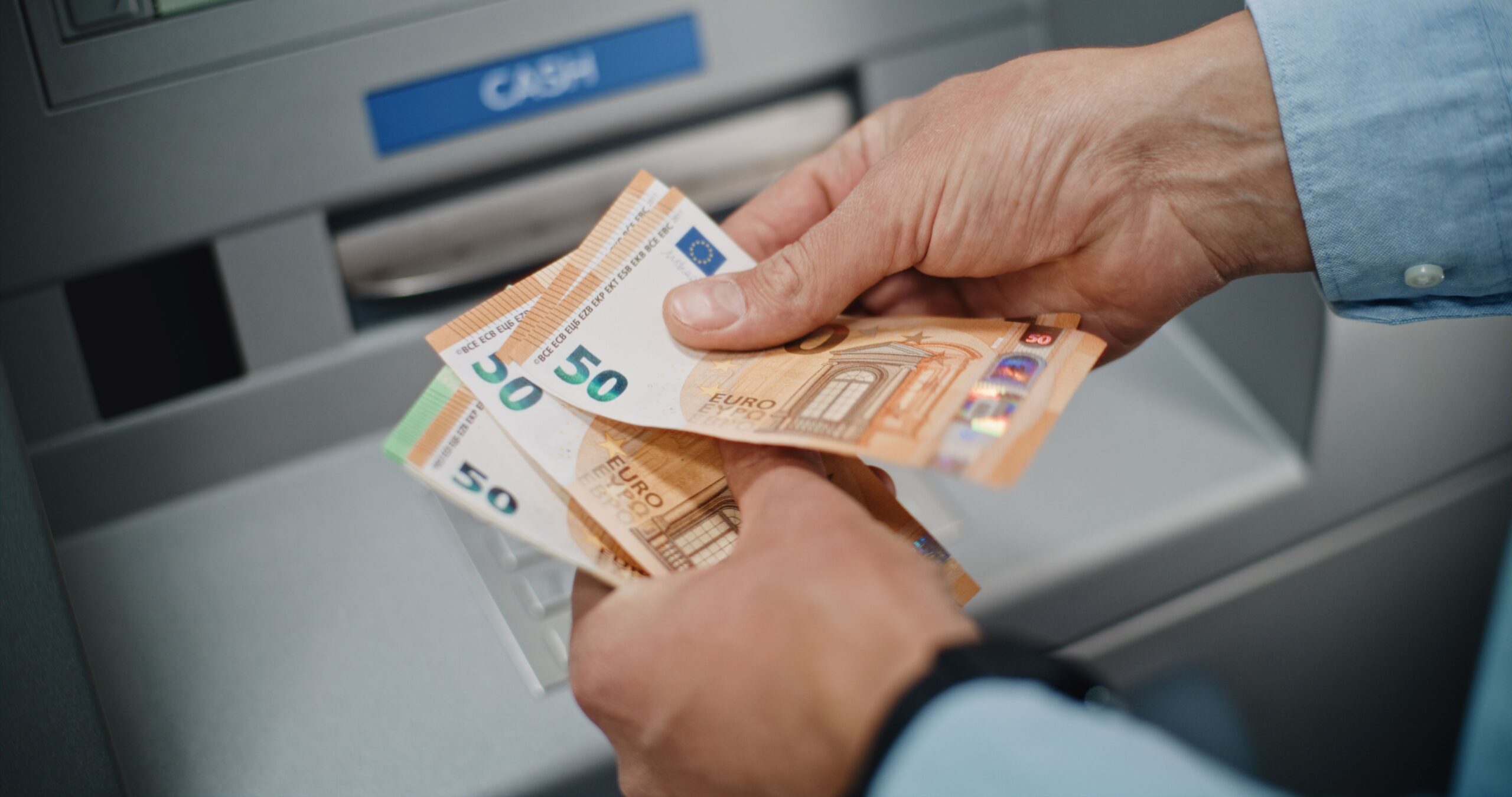
Withdrawal limit halved: Up to 350 ATMs in Austria now dispense only 200 euros
Vienna – Since the beginning of 2026, between 300 and 350 ATMs in Austria have been dispensing a maximum of 200 euros per transaction instead of 400 euros. According to the Chamber of Commerce, this withdrawal limit applies to all machines operated by an independent provider; media reports identify the operator as Euronet. Economic factors…