
-

Low water levels: Transport and Environment Ministers at odds over river expansion
River expansion or restoration? There is disagreement within the federal cabinet regarding how to handle the current low-water situation. While Federal Transport Minister Steffen Bilger (CDU) advocated for further expansion of waterways on Wednesday, Federal Environment Minister Carsten Schneider (SPD) called for a return to more natural river courses. To address current transport bottlenecks caused…
-

Rental rates too low: Tax office demanded over 40,000 euros from Munich landlord
Munich – Because Thaddäus Spegel deliberately kept his rents significantly below local market rates, the tax office demanded more than 40,000 euros following a 2022 tax audit. The landlord owns over 100 apartments in Munich, with some tenants having lived there for 30 or even 50 years. Several residents also worked for him, maintaining his…
-
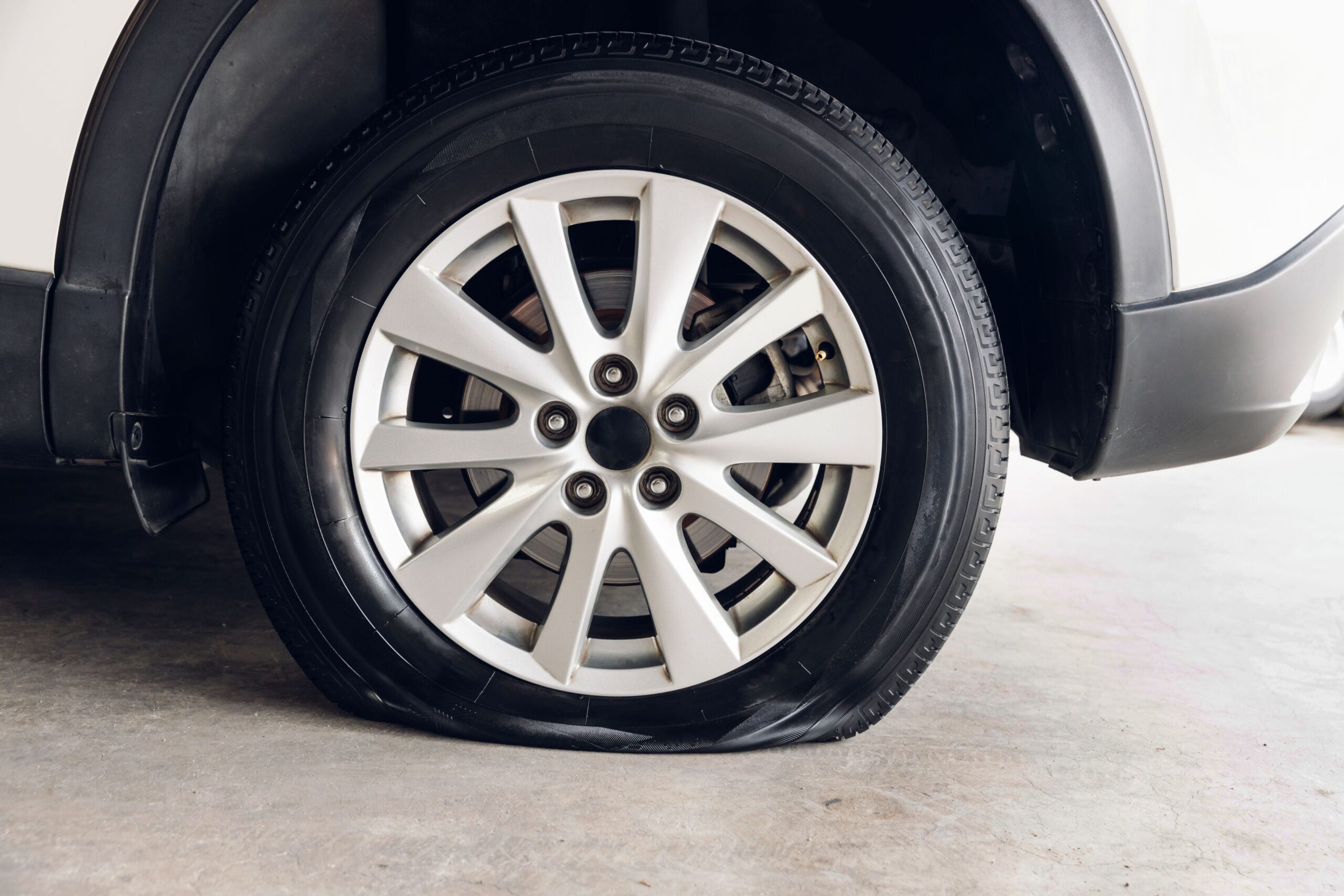
Climate activists deflate SUV tires on Sylt – police do not consider it a criminal offense
On the night leading up to August 11, climate activists deliberately let the air out of the tires of numerous cars. Large passenger vehicles in Wenningstedt and Kampen were primarily affected. The “Resistance Collective” claimed responsibility for targeting around 50 vehicles. Police initially confirmed approximately 20 cases, while NDR later reported that around 50 cars…
-

Junge Union wants spaceport in Brandenburg – demand first, think later
A commentary by our author Klaus Bastian: The Junge Union Brandenburg wants to have the feasibility of a spaceport in the Prignitz region examined. This sounds like the future, technology, and a spirit of progress. Above all, however, the proposal reveals a remarkable understanding of political work. Brandenburg is located deep inland within Europe; suitable…
-

Mainz: Budget deficit to rise to over 245 million euros by 2027 – further cuts loom
Mainz is facing a projected budget deficit of more than 245 million euros for 2027. Finance Commissioner Daniel Köbler has thus revealed, for the first time, the new scale of the upcoming budget. For 2026, the city is currently projecting a shortfall of around 177 million euros. This means the gap is widening by at…
-

Drought in Austria exacerbates fodder shortage – increasing numbers of cattle undergoing emergency slaughter
In August 2026, Austria’s agricultural sector is suffering from a historic drought, with severe consequences for cattle farmers and slaughterhouses. A shortage of fodder is forcing many farmers to reduce their herd sizes and significantly bring forward scheduled slaughter dates. In Salzburg, daily slaughter numbers at Alpenrind have risen from around 250 to approximately 400…
-

PV grid fee from 2029: Solar owners set to pay surcharge of up to 90 percent
Bonn – On August 6, 2026, the Federal Network Agency published its final draft ruling on new electricity grid charges. It proposes a grid fee for low-voltage consumers who are also producers, effective from 2029. This surcharge is set to amount to 70 to 90 percent of the base grid charge—not the total electricity tariff.…
-
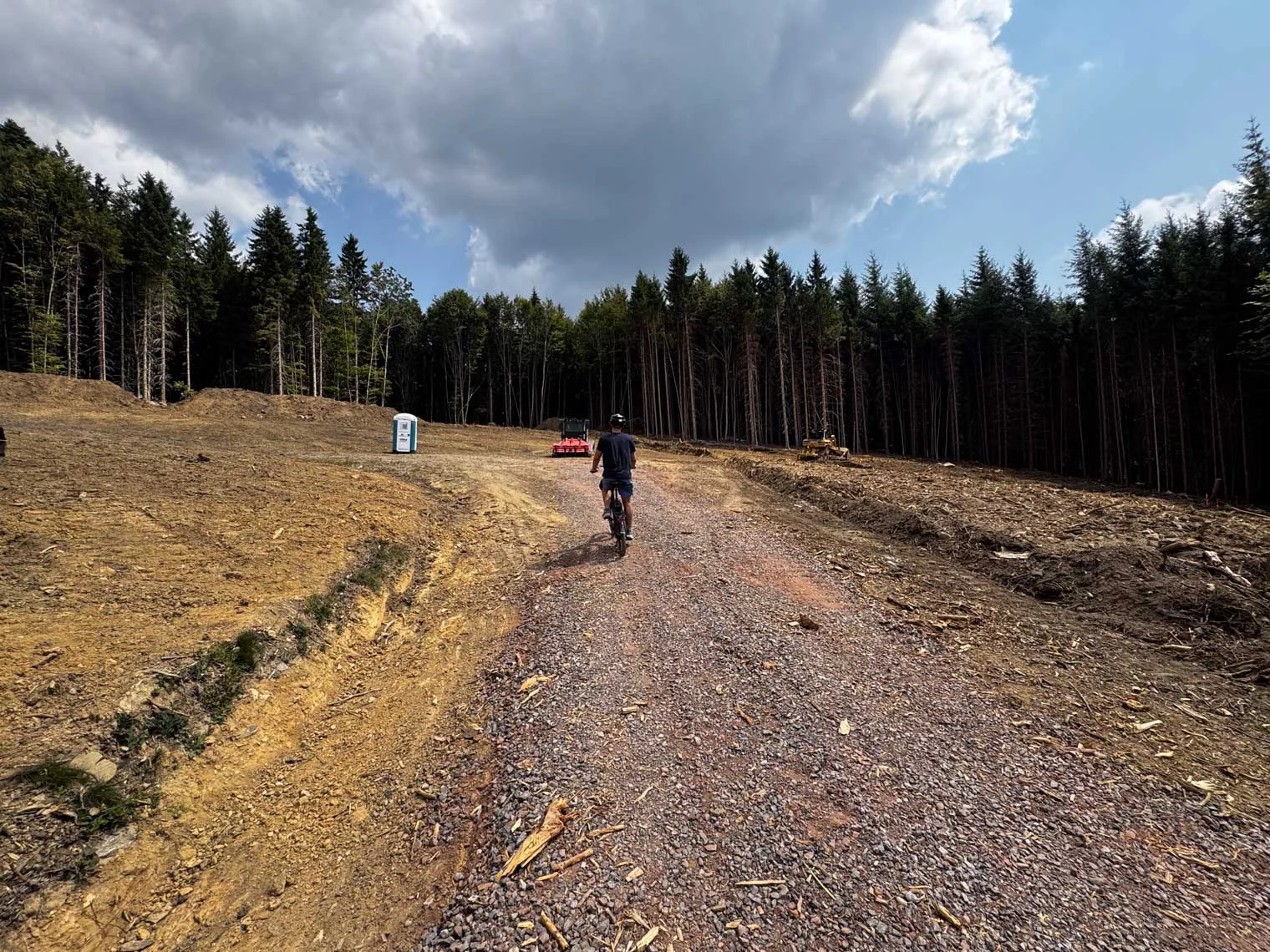
Brombeerkopf Wind Farm: Nearly 1.8 hectares of forest to make way for two 246-meter-tall turbines
Construction work at the Brombeerkopf wind farm near Stegen, in the Breisgau-Hochschwarzwald district, has already visibly altered the character of the forest site. Images from July 26, 2026, show cleared areas, exposed soil, removed stumps, and newly constructed gravel access roads. Approval has been granted for the permanent conversion of 1.345 hectares of forest and…
-

Rolling power outages in Tunisia – electricity is being rationed despite an abundance of sunshine
Tunis – On August 5, 2026, the state-owned utility STEG announced potential rolling power outages across the country. Individual sectors were scheduled to be taken off the grid sequentially between 12:30 p.m. and 5:00 p.m., for a maximum of two hours at a time. The measure constitutes controlled load shedding in response to excessive demand;…
-

Job cuts at Schaeffler: another 1,300 jobs to go, debt rises
Herzogenaurach – Schaeffler is cutting around 1,300 additional jobs in Germany. The company is responding to weak automotive markets, high restructuring costs, and losses in its electric vehicle business. The E-Mobility division posted an adjusted loss of 402 million euros for the first half of the year. At the same time, net financial debt rose…
-
Germany’s AAA rating at risk: Loss of top grade could cost billions
Berlin, August 2026. Germany’s AAA rating increasingly hinges on a growth boost that the credit-fueled investment drive has so far failed to deliver. The federal government plans to incur approximately €1.02 trillion in new debt by 2030 through the core budget and special funds. Meanwhile, the economy grew by just 0.2 percent in the second…
-

Increasing number of engineers unemployed – 58,392 technical and IT specialists without a job
The VDI/IW Engineer Monitor published on August 3, 2026, reports a new record high for Germany. In the fourth quarter of 2025, an average of 58,392 individuals in engineering and IT professions were without a job each month. This marked the highest number of unemployed engineers since data collection began in 2011. The figure rose…
-

EU age verification for social networks – a Trojan horse
A commentary by our author Klaus Bastian The EU age verification system aims to keep children below a set age limit off social networks. In July 2026, an EU Commission expert panel recommended restricting access for children under the age of 13. The European Parliament, however, is calling for a limit of 16. There is…
-
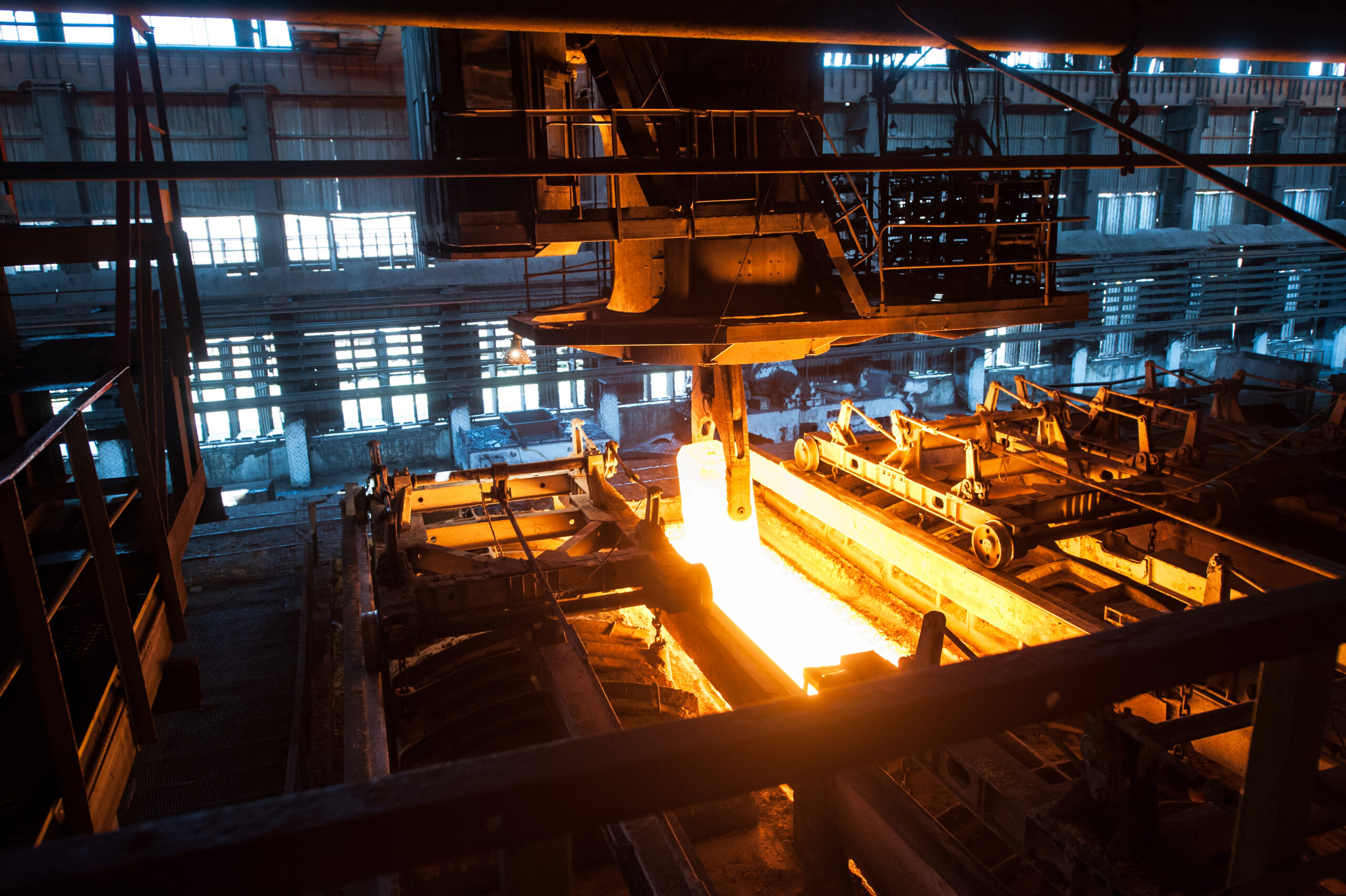
Green steel: €5.9 billion in funding at risk of going to waste
Düsseldorf – A PwC study published in early August 2026 fundamentally calls into question Germany’s multi-billion-euro strategy for green steel. According to the study’s calculations, primary steel fails to achieve sustainably competitive costs in any of the scenarios examined for Central Europe. Nevertheless, federal and state governments have pledged approximately €5.9 billion in subsidies to…
-
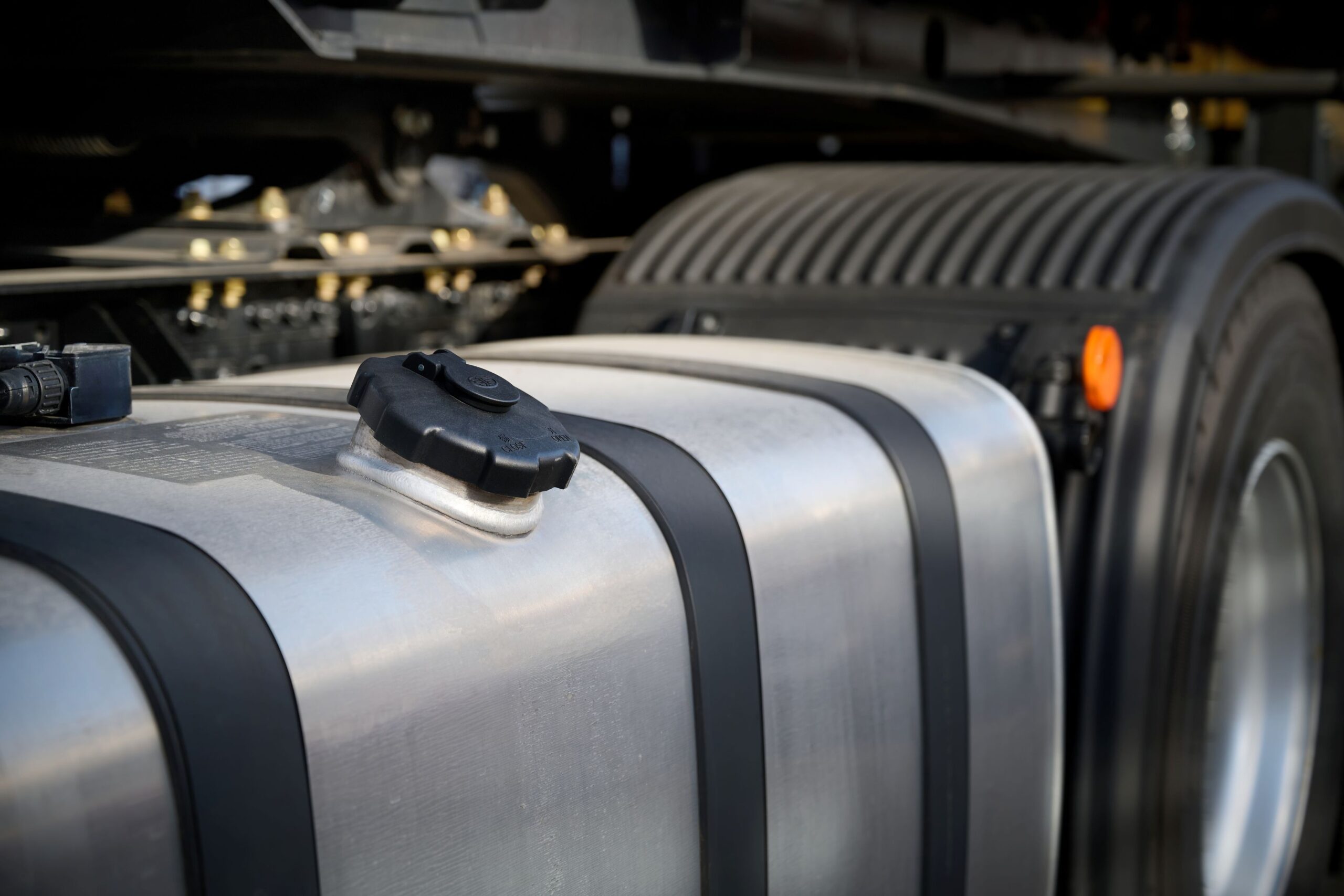
Fuel theft following fuel tax cut: Thieves siphon off thousands of liters of diesel
Since the fuel tax discount ended on June 30, police authorities in several federal states have reported new cases of fuel theft. More than 5,000 liters of diesel went missing in Versmold, Münster, and Saxony alone. Other perpetrators targeted parked trucks in Brandenburg. At the same time, the price of diesel rose by 26.8 cents…