
Heidelberg Materials’ CCS project in Brevik, Norway, has clearly missed its key climate target since launching in June 2025. The facility was designed to capture around 400,000 tonnes of CO2 annually from the cement plant, thereby avoiding approximately half of its previous emissions. In reality, however, current data shows that emissions fell by only about 15 percent. Operations were hampered by technical failures, lower capture volumes, and suspected leaks in the exhaust piping. At the same time, the plant is located close to residential areas, making safety a top priority regarding tanks, pipelines, and CO2 transport.
CCS project aimed to make the cement industry more climate-friendly
Heidelberg Materials inaugurated the facility in Brevik in June 2025, attended by prominent political figures. Norway’s Crown Prince Haakon and Energy Minister Terje Aasland took part in the ceremony. The company also presented the site as the world’s first large-scale industrial project of its kind at a cement plant.
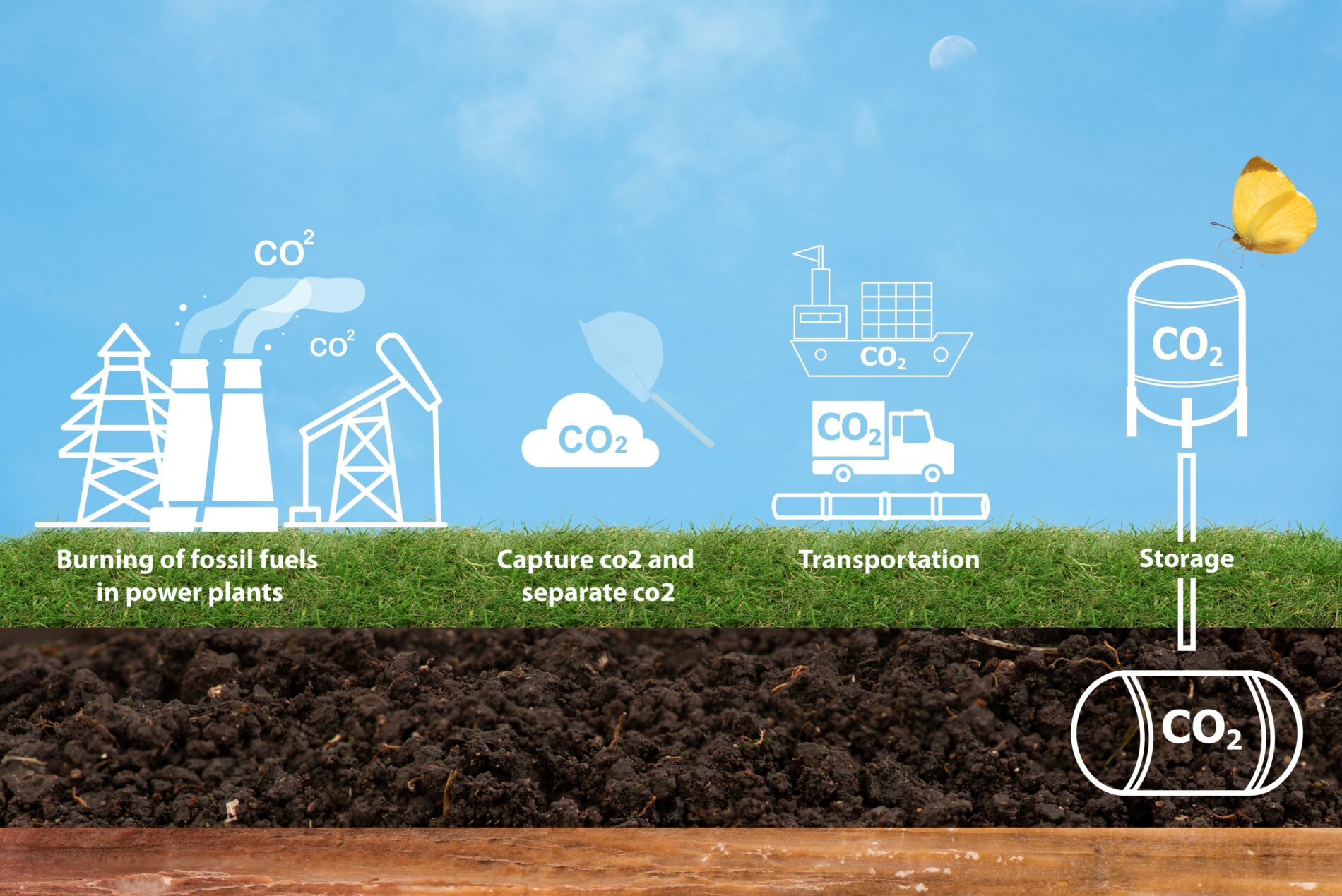
Image: Shutterstock
The technology addresses a key challenge facing the industry. Cement production generates not only energy-related emissions but also chemical CO₂ emissions during the calcination of limestone. Consequently, relying solely on renewable energy and efficiency programs is insufficient.
Operational downtime reduces impact
Prior to the retrofit, the plant emitted approximately 800,000 tonnes of CO₂ annually, according to the company. The new facility was designed to capture around 400,000 tonnes of this total. In reality, however, the plant achieved a significantly lower reduction during its first year of operation.
Hourly performance also fell short of the target. The plan called for capturing approximately 50 tonnes of CO₂ per hour; however, available data indicates the facility managed only about 35 to 38 tonnes. This resulted in a substantial gap between the technical target and actual performance.
Leaks and shutdowns hinder the project
The capture tower failed to operate consistently. Shutdowns occurred in September and December 2025, and the facility was out of operation for roughly two months between February and April 2026.
Experts attribute these issues to potential design flaws and leaks in the exhaust gas piping. Meanwhile, Heidelberg Materials points to the challenges inherent in the ramp-up phase of a new industrial facility. The CCS project thus serves as an early illustration of the complexities involved in maintaining continuous operation.
Safety Matters Alongside the Carbon Footprint
CO2 is non-flammable, but in high concentrations, it can displace oxygen. In September 2025, an employee lost consciousness after sticking their head into a supposedly empty CO2 tank. Heidelberg Materials classified the incident as a near-miss.
The site’s location heightens the significance of such events; the cement plant borders a residential area. Furthermore, pipelines, tanks, and specialized ships transport large quantities of liquefied CO2 through an industrial supply chain.
Northern Lights Makes Brevik Key for Europe
The captured CO2 is transported by ship to Øygarden on Norway’s west coast. From there, a pipeline leads to a storage site beneath the North Sea seabed. This infrastructure is part of the Norwegian “Longship” program.
Northern Lights began operations in 2025 with the first injection of CO2 from Brevik. The initial phase has a capacity of up to 1.5 million tonnes of CO2 per year. Additionally, Equinor, Shell, and TotalEnergies are planning an expansion to approximately five million tonnes annually.
Europe’s CCS Plans Depend on Reliable Results
Many European cement plants are evaluating similar facilities, with Germany also among the potential locations. Consequently, industry representatives, policymakers, and funding bodies are closely monitoring actual operational data from Norway.
So far, the CCS project has sent mixed signals. While the technology is capable of capturing CO2 from cement plant emissions and storing it beneath the North Sea, factors such as availability, cost, and safety will determine whether it becomes a viable model for the industry.
Author: Blackout News
Sources: AD HOC NEWS (10.06.26) – ntv (10.06.26) – IEAGHG (13.05.26) – Börse Express (10.06.26)