
Nextmove, an electric vehicle rental company based in Arnstadt, Thuringia, has been undergoing restructuring under self-administered insolvency proceedings since June 1, 2026. The Erfurt District Court opened the proceedings after the company had been deemed insolvent since April 7. The situation was triggered by payment difficulties in the first quarter of 2026; the business model was primarily strained by an over-reliance on electric vans. While customers, locations, and greenhouse gas (GHG) quota payouts remain affected for the time being, operations are initially set to continue.
Restructuring Instead of Immediate Liquidation
The proceedings do not aim at a rapid breakup of the company. Consequently, management remains in office and directs the restructuring process itself. Erfurt-based attorney Marlon Foit oversees the process as the court-appointed custodian. This arrangement is designed to accelerate decision-making while simultaneously protecting creditors.
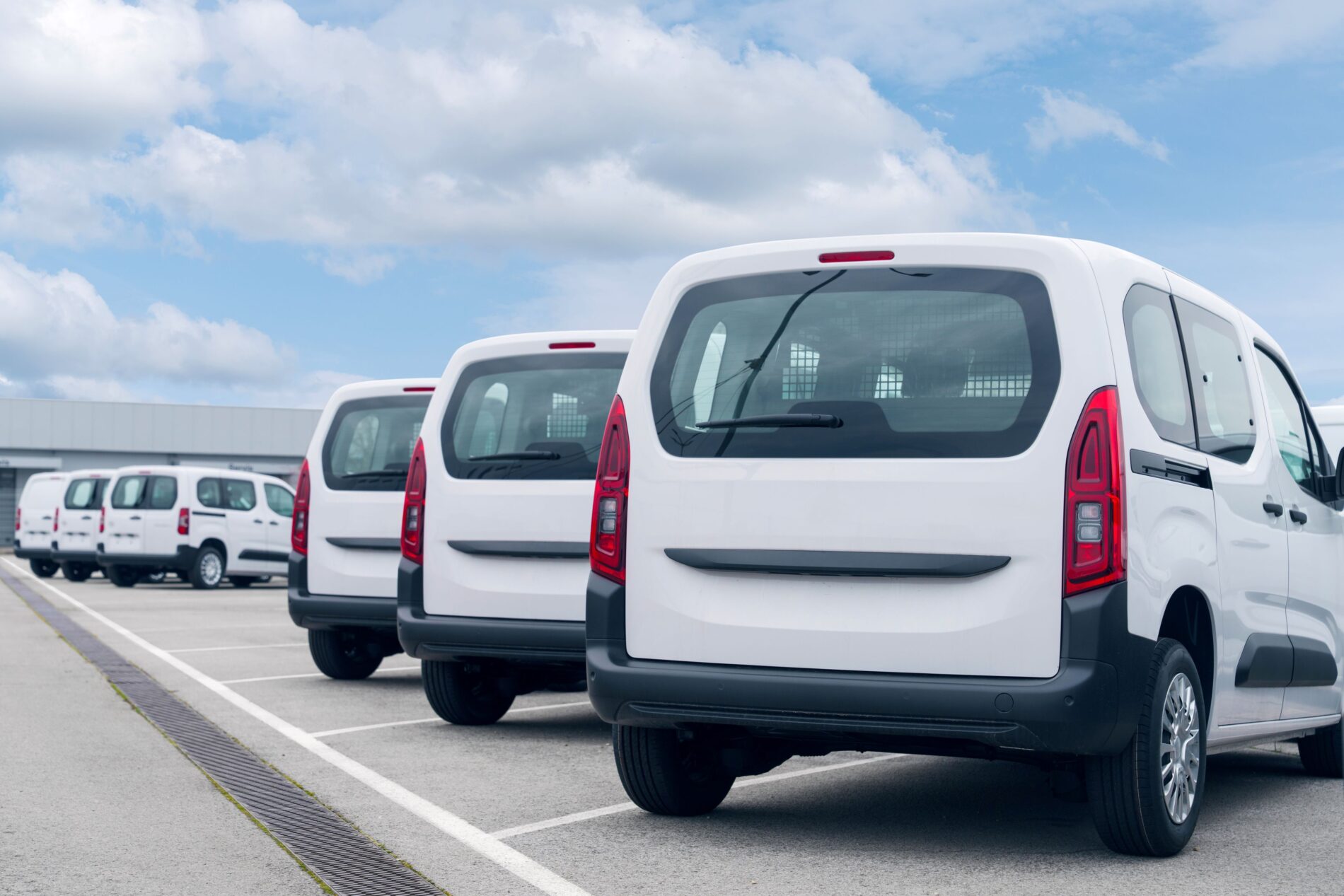
Stock photo: Shutterstock
The rental company has been one of the visible providers in the German e-car market for years. The company operates eleven locations and has around 400 vehicles. The brand also leverages its digital reach, particularly through a well-known YouTube channel. This channel is intended to continue to provide content about electromobility.
Nextmove corrects the course of the fleet
The key weakness was in the commercial vehicle business. The representative of the proceedings, Folker Hochmuth, refers to an “excessive focus in the rental business on van vehicles”. This brought the focus to a segment that requires high utilization. Electric vans tie up a lot of capital and at the same time require predictable demand.
The previous profile was more focused on cars. Customers rented vehicles for test drives, short-term use, long-term rentals or car subscriptions. That’s why the provider wants to focus the fleet more on cars again. This fix can reduce costs and improve utilization.
Customers keep the services they have booked for the time being
Little will change for tenants in the short term. Current operations should continue. In addition, THG quota payouts should remain unaffected because the partner Carbonify takes over this processing. What matters for customers, however, is whether booked vehicles remain available at all locations.
There may still be cuts in the branch network. Hochmuth announced that “location changes will be made and collaborations will be sought.” This brings a slimmer structure to the fore. At the same time, collaborations can ensure reach without financing each location yourself.
This case illustrates the limitations of rapid-growth e-mobility models
The insolvency hits a market that remains politically favored. Yet, growth in electric vehicle numbers alone is not enough. Rental companies require low financing costs, stable residual values, and reliable demand—factors that have fluctuated significantly for months.
The case therefore highlights the harsh realities of capital-intensive business models. High vehicle valuations quickly become a burden when specific segments fail to generate sufficient revenue. At the same time, the used EV market is shifting. Restructuring efforts will now determine whether car rentals, digital reach, and partner locations can once again form a viable business model.
Author: Blackout-News
Sources: t-Online (09.06.26) – electrive (03.06.26) – Finanznachrichten (03.06.26)