
On Wednesday evening, the federal government held another economic summit that yielded no concrete decisions, even as Germany’s economic situation continues to deteriorate. Chancellor Friedrich Merz, coalition leaders, employers, and trade unions spent more than three hours discussing social reforms, income tax, labor law, and the reduction of red tape. The meeting was prompted by the growing risk of recession, with high energy prices, weak investment, and political uncertainty weighing on businesses and households alike. Consequently, the DIW forecasts a recession for the second and third quarters. Businesses, employees, and consumers are all affected as costs rise, orders dry up, and new investments fail to materialize.
Economic summit ends once again without measures
The federal government had intended to demonstrate its ability to take action with the meeting. However, it presented no results. According to government sources, the participants merely agreed to hold further talks.
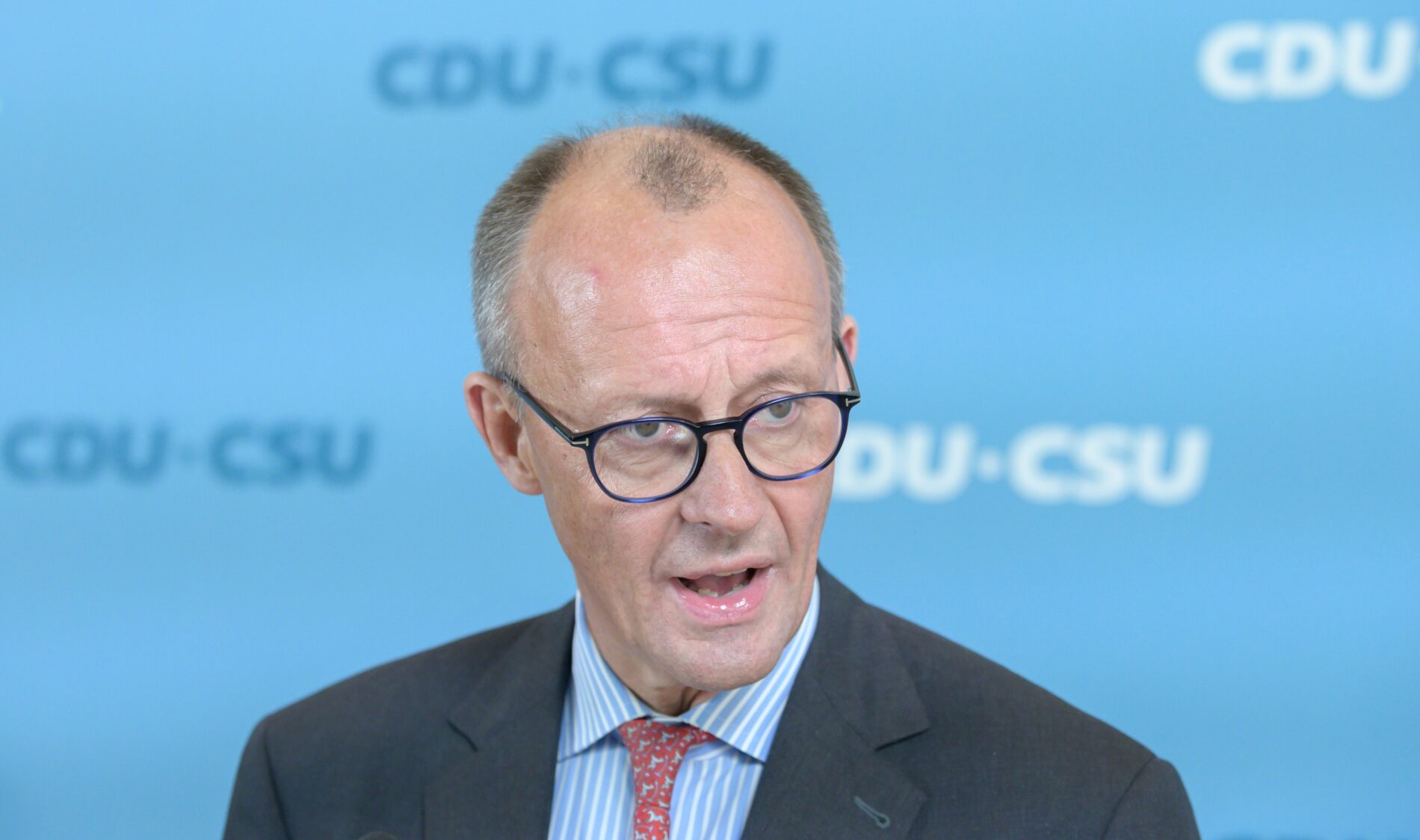
Image: Shutterstock
The pattern has become all too familiar. Since Friedrich Merz took office, the government has held a succession of high-level economic policy summits. Following the Investor Round Table, the “Made for Germany” event, and the steel summit, the latest economic summit also failed to yield any concrete relief measures.
Government Lacks a Unified Reform Strategy
Business leaders no longer expect new dialogue formats from Merz; instead, they want the government to adopt existing proposals and translate them into legislation. Yet, this is precisely where the coalition has so far failed.
There is a lack of a viable, unified approach—particularly regarding taxes, bureaucracy, working hours, and social security contributions. Employers are pushing for relief and greater flexibility, but the governing parties have failed to present a robust framework for reform.
Merz Criticizes Business Leaders Instead of Addressing Gaps in His Own Concepts
Friedrich Merz further inflamed the debate by attacking business leaders. The Chancellor remarked, “I meet more of you on the golf course than on talk shows.” In doing so, he shifted the focus onto the business community, even though the coalition itself has not put forward a list of reforms.
This statement strikes a nerve with a business sector that has been demanding concrete measures to improve Germany’s competitiveness for months. Companies cite high energy costs, bureaucracy, taxes, and rigid regulations as major burdens. At the same time, it remains unclear which of these issues the federal government actually intends to address.
Recession data increase pressure on the coalition
The economic situation leaves the government with little room for maneuver. Although gross domestic product rose by 0.3 percent in the first quarter of 2026, the economy now faces the threat of slipping back into two consecutive quarters of contraction.
The DIW forecasts growth of only 0.5 percent for 2026. The institute also projects just 0.8 percent growth for 2027. This leaves Germany well below the level required to sustain investment and stable employment.
Disputes over pensions and working hours prevent a unified approach
Key interests clashed openly at the summit. Trade unions oppose cuts to pensions and changes to working hours, while employers demand greater flexibility and lower ancillary costs.
DGB leader Yasmin Fahimi proposed a mandatory, employer-funded company pension scheme. SPD leader Lars Klingbeil backed the proposal. However, employers rejected any new, unilateral payment obligations, arguing that they would place an additional burden on companies.
Parliamentary recess exacerbates political deadlock
The coalition aims to prepare a reform package before the summer recess. The coalition committee is scheduled to make a decision on June 30. However, the regular eight-week parliamentary recess begins shortly thereafter.
Business representatives are therefore calling for the recess to be shortened or suspended. They are demanding decisions regarding taxes, bureaucracy, energy policy, and the labor market. Without swift action, the recession is likely to hit further sectors of the economy.
Author: Blackout-News (KOB)
Sources: Tagesschau (12.06.26) – Bundesregierung (10.12.26) – Reuters ( 10.06.26) – You Tube (Stand 12.06.26) – NZZ (03.06.26)