According to media reports, the Federal Ministry for Economic Affairs—under Katherina Reiche (CDU)—has presented an initial draft for a planned cap on fuel prices, which includes various exemptions. The draft, as cited by the news portal Politico on Monday, states that any government-imposed maximum price must remain “strictly limited in duration.” Both Politico and the Handelsblatt newspaper reported that the legislation would not automatically implement a price cap, but rather establish the legal framework to allow for one.
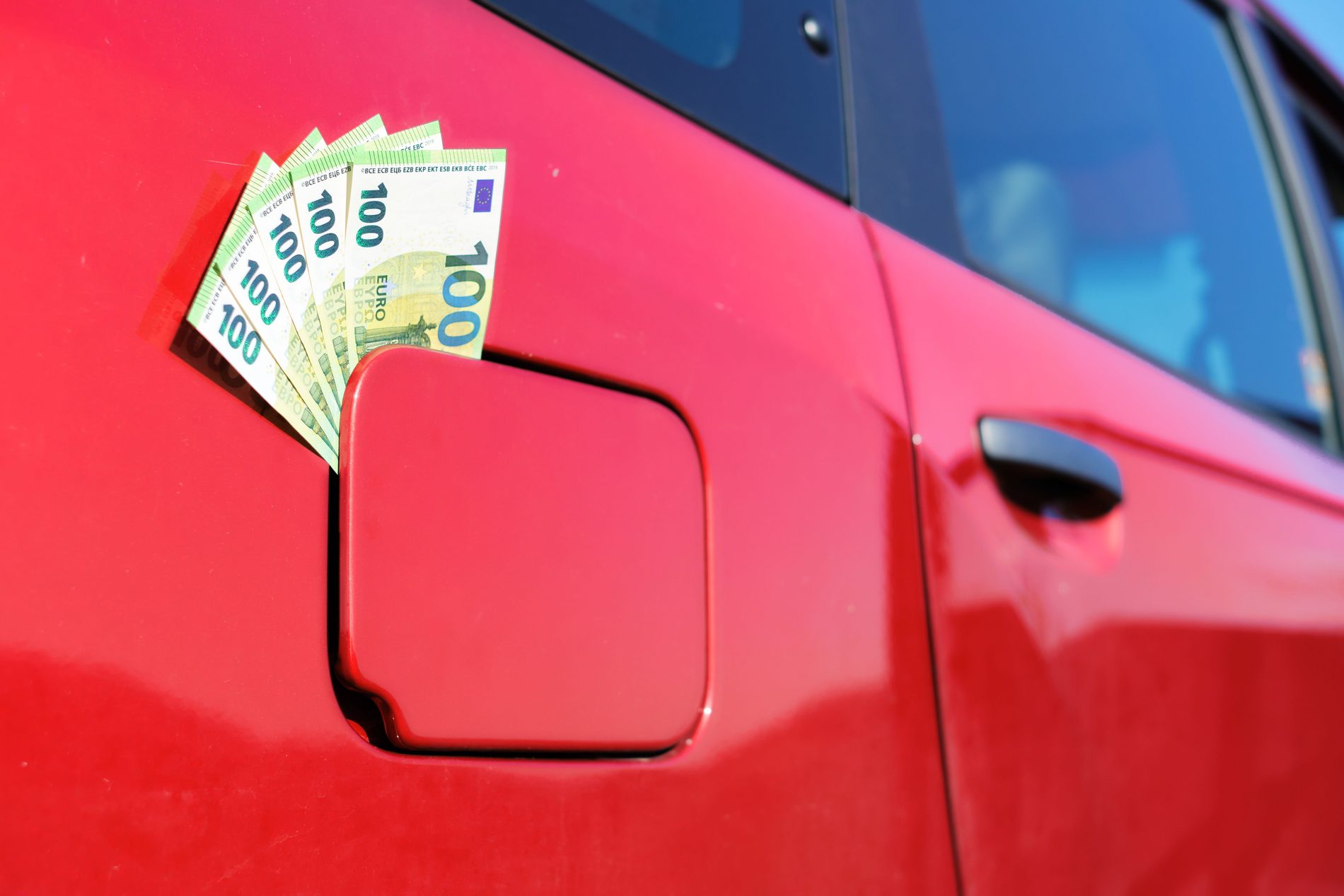
Image: Shutterstock
According to the draft, a price cap would only apply if the prices of gasoline and diesel exceed the average price increases seen in other EU member states by more than five percentage points for three consecutive weeks. Politico, citing the draft, reported that the Market Transparency Unit at the Federal Cartel Office would assess these conditions on a weekly basis—starting with data from the second full week of January.
According to reports, the federal and state governments may suspend the price cap if supply issues arise. Furthermore, the states are permitted to deviate from the nationwide maximum price—either upward or downward—including for specific districts or smaller areas. Politico noted that regional price variations currently reach as much as ten cents per liter.
Violations could result in fines of up to 100,000 euros for gas station operators, and up to 500,000 euros for individuals within companies who are responsible for setting prices.
Media outlets report that the legislation is intended to take effect on January 1 and remain in place for three months. The Handelsblatt newspaper emphasized that the draft is at an “extremely early stage,” having just entered the initial coordination phase—the first step in the consultation process within the federal government.
In September, the “grand coalition” (comprising the CDU/CSU and the SPD) agreed that the Ministry for Economic Affairs should develop a price cap to take effect from January onwards. A fuel tax cut—which lowers the taxes on gasoline and diesel—remains in place until the end of the year. Following this, a price cap is intended to ensure lower prices at the pump. The SPD, in particular, had advocated for this measure.
Economy Minister Reiche, by contrast, had made no secret from the outset of the fact that she did not support such a measure. Her ministry stated that establishing an appropriate price cap on a nationwide basis would be virtually unfeasible. A cap set too high could lead to higher prices, while one set too low could jeopardize security of supply—particularly in more remote regions—by rendering business operations there unprofitable.
The coalition agreement explicitly states, with reference to security of supply, that a fuel price cap should be developed in collaboration with the oil industry. However, according to a report by the news outlet Politico last week, the industry is refusing to cooperate. Politico cited a letter sent by several industry associations to the Federal Ministry for Economic Affairs, in which they argued that any coordination between associations and companies on this matter could be construed as “impermissible price-fixing.”
Furthermore, according to Politico, the draft rules out another fuel tax rebate, citing the current budgetary situation. A windfall tax—as advocated by SPD leader Lars Klingbeil at the EU level—was deemed “not legally sound in the short term” and incapable of providing an “immediate, effective form of relief.”
Author: AFP – ilo/bk – Translated by Blackout News
Sources: AFP Presseportal