
The European Union is preparing further emergency measures in response to the ongoing energy crisis. At the EU summit in mid-October, the 27 member states intend to discuss additional interventions to address rising energy prices. These moves are prompted by the consequences of the war against Iran and significant disruptions to international oil and gas markets. Particularly energy-intensive companies are suffering from high costs, while consumers also face the prospect of further price hikes. Plans therefore include additional state aid, relief measures for gas suppliers, and steps to improve capacity utilization at European refineries. These proposals are based on a draft summit declaration dated October 9, though this has not yet been formally adopted.
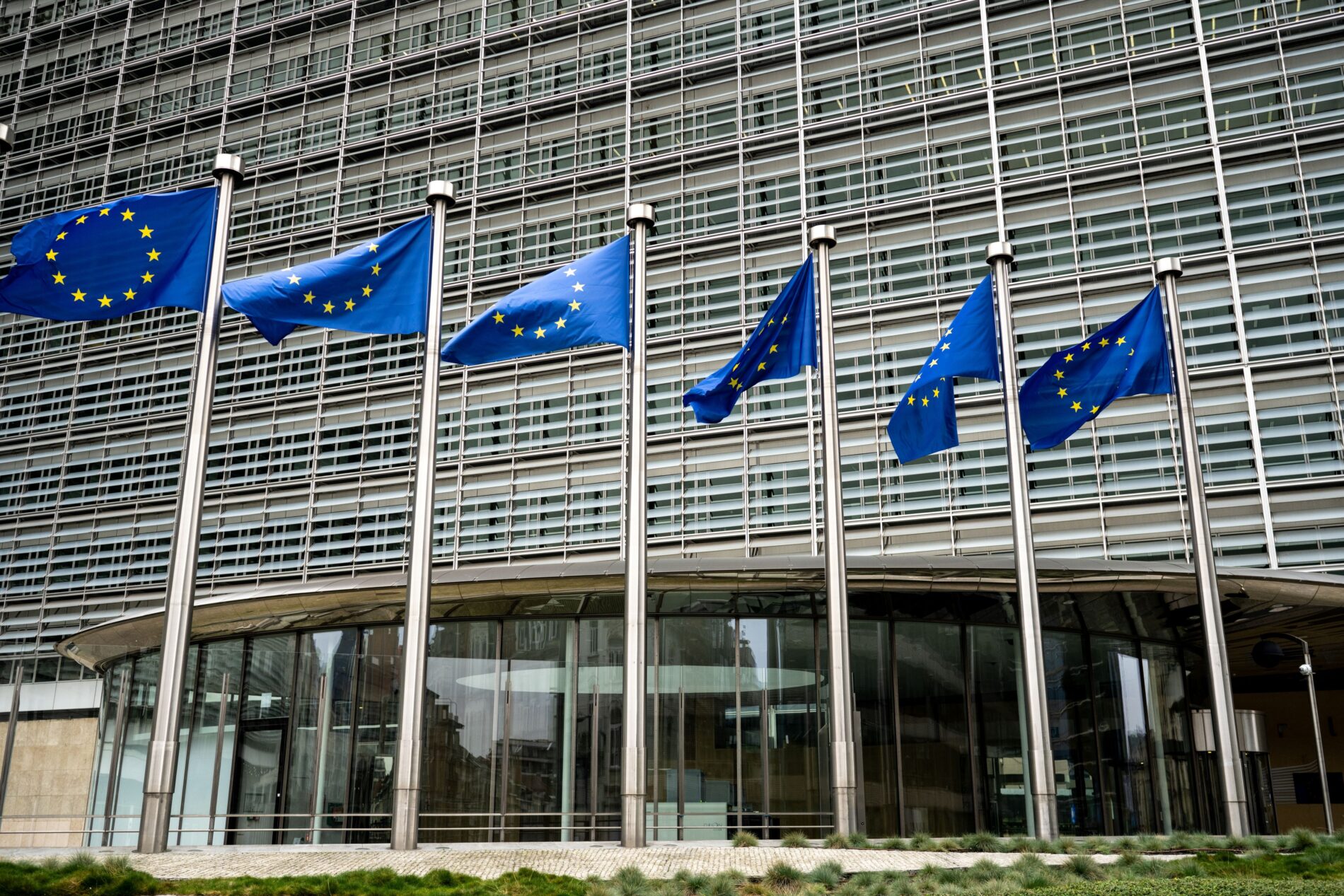
Image: Shutterstock
Energy crisis forces EU to adopt further emergency measures
The EU plans to extend its existing state aid framework, METSAF, to provide relief to economic sectors hit particularly hard. Among other things, the framework permits state support to offset rising costs for fuel, fertilizer, and electricity. Currently, the framework is set to remain in effect until December 31, 2026. As recently as October 9, the Commission approved French aid totaling €40.5 million for the agriculture, fisheries, and transport sectors. Nevertheless, the measures taken so far appear insufficient to contain the economic fallout of the energy crisis.
In addition, the EU Commission is expected to examine further short-term instruments to address high energy prices. Options under consideration include improved coordination among European refineries and the pooling of energy demand. These measures aim to utilize existing processing capacities more efficiently and better coordinate procurement. However, heads of state and government intend to establish policy guidelines first; specific additional relief amounts have not yet been determined.
Energy crisis exacerbates problems in gas supply and refineries
The European gas supply is particularly critical before the start of the heating season. Market analyzes expect that the gas storage facilities will only be 75 to 78 percent full at the beginning of November. This means that the reserves are well below the average of the past five years. At the same time, the supply disruptions from Qatar and the United Arab Emirates are limiting the supply of liquefied natural gas. Europe must therefore increasingly compete with Asian customers for available supplies.
At the same time, Brussels is planning to postpone individual requirements of the European methane regulation. Commission President Ursula von der Leyen announced on October 6th an additional year for certain obligations from exporters. The planned change in the law is intended to give companies more time to implement it. The Commission also wants to improve the capacity and performance of European refineries in the short term. When it comes to diesel in particular, international supply disruptions have a significant impact on transport, agriculture and industry.
Oil reserves are intended to stabilize prices – there is no long-term solution
On October 2nd, the G7 countries decided on a coordinated release of 100 million barrels of oil over four months. Significant quantities of diesel are expected to reach the market within the first 20 days. Germany wants to provide an additional 15 million barrels from its emergency reserves. These measures may temporarily alleviate bottlenecks, but do not create additional permanent production or refining capacity.
At the same time, the EU is sticking to its energy policy restructuring. According to the draft summit declaration, member states continue to view the expansion of domestic low-carbon energy as a long-term path to greater independence. However, additional wind power and solar systems will not solve short-term shortages of diesel, heating oil or liquid natural gas. Investments in power grids, storage and replacement capacities also require time and capital. This means that Europe initially remains dependent on functioning international supply chains.
High Energy Prices Threaten Europe’s Competitiveness
This trend continues to spell significant economic uncertainty for European industry. Companies must shoulder higher energy costs, while additional state aid places a strain on national budgets. Furthermore, disparities in the financial strength of member states prevent uniform relief measures across the single market. The EU Commission has already rejected requests for additional budgetary exemptions from Italy and Greece; consequently, the funding of further aid remains a subject of political contention.
The upcoming summit aims to launch additional measures to address the energy crisis. However, subsidies can only go so far in resolving the underlying supply issues. Lasting, lower energy costs require an adequate supply, robust infrastructure, and reliable sources. As long as these conditions are not met, European consumers and industry will remain vulnerable to international price shocks. Upcoming decisions will therefore reveal whether Brussels puts forward concrete solutions that go beyond short-term relief.
Author: Blackout News
Sources: Agence Rurope (12.10.26) – European Commission (09.10.26) – Reuters (12.10.26) – European Commission (02.10.26)