
A commentary by our author Klaus Bastian
In early July 2026, the federal government unveiled its tax package for 2027 and 2028, yet the announced reform amounts to little more than a bare-minimum measure. The CDU, CSU, and SPD plan to raise the basic tax-free allowance from €12,348 to €12,900, increase the standard deduction for employees by €200, expand child benefits and the child tax allowance, and shift the threshold for the top tax rate only slightly—from €69,879 to €70,600. At the same time, tax deductions for skilled trade services are set to become less favorable, “mini-jobs” will become more expensive due to a higher flat-rate tax, and high incomes will face a heavier tax burden. Consequently, despite minor relief, many skilled workers, master craftsmen, and salaried employees face the prospect of lower net pay, as social security contributions for health, long-term care, and pension insurance continue to rise.
Why This Reform Won’t Work
This tax package lacks a coherent, unified approach to tax policy. It is merely a maneuver to sidestep genuine reform. The coalition is shuffling a few figures around while leaving the core tax structure untouched. This isn’t even a cosmetic fix; it is an attempt to pass off stagnation as tax relief. Yet, policymakers are touting it as a major breakthrough—much like calling the rearrangement of garden chairs “architecture.”
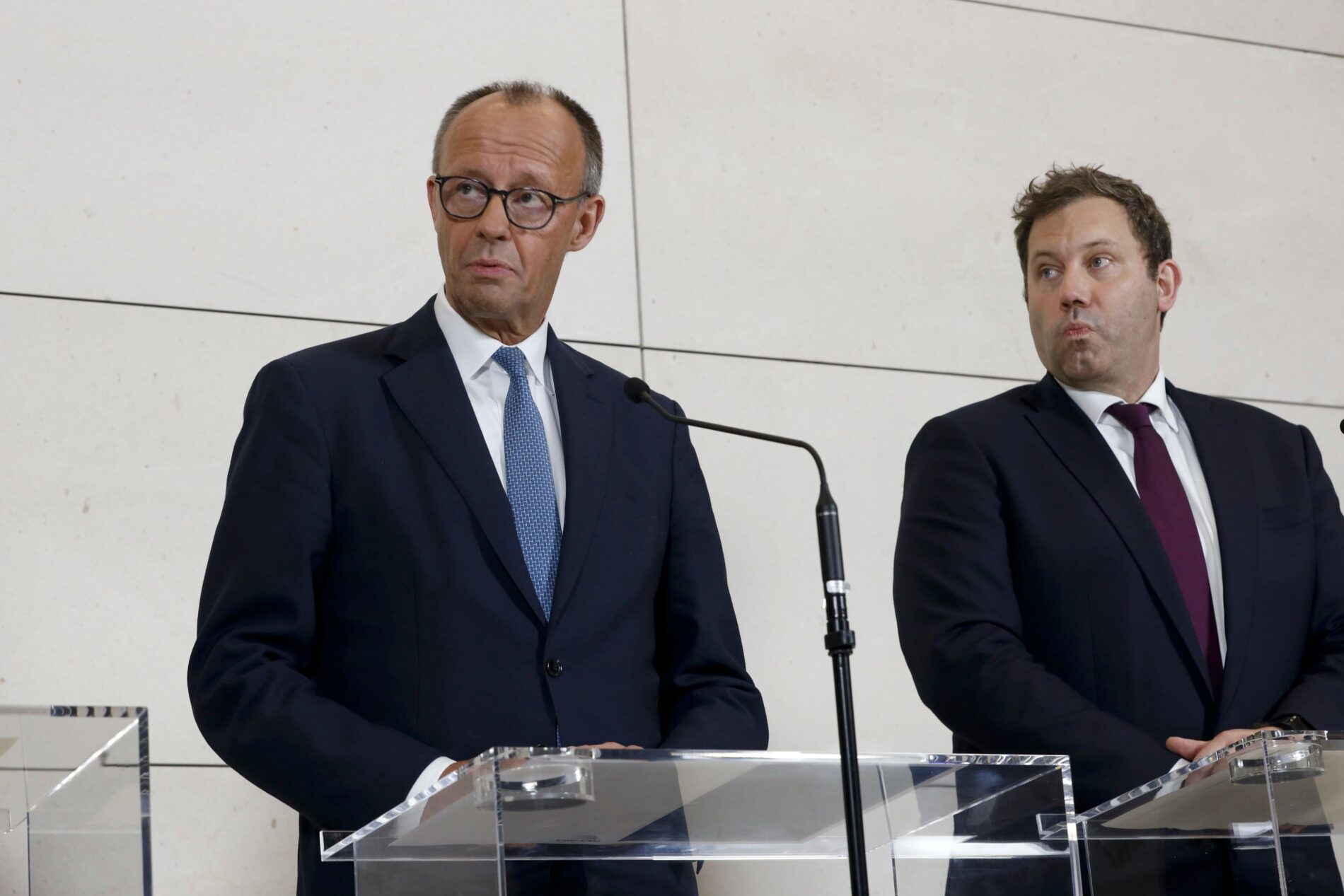
Image: Shutterstock
The state continues to impose a heavy tax burden on middle incomes far too early. Consequently, skilled workers, master craftsmen, technicians, and many salaried employees find themselves taxed at rates approaching the top marginal rate. This bears no relation to what constitutes a truly high income.
Higher tax-free allowance, same tax burden
The increase in the basic tax-free allowance also sounds more significant than it actually is. While it offers slightly better protection for the subsistence level against taxation, it fails to provide any tangible relief for the working middle class.
The same applies to the standard deduction for work-related expenses. An extra 200 euros in this allowance might look like progress, but the impact on monthly net pay is barely noticeable.
A one percent increase offers no real relief
The decision to raise the threshold for the top tax rate by 721 euros highlights the package’s weakness particularly clearly. This adjustment amounts to a mere one percent or so—meaning that even a standard pay rise could easily wipe out the effect.
Many employees would then find themselves back where they started in terms of their tax burden. A reform that loses its impact so quickly hardly deserves the name; it serves merely to generate a political headline.
Social security contributions eat up the benefits
What matters is not the relief shown on paper, but the net income that actually lands in the bank account. And that is precisely where this package could prove to be a bad deal for many employees.
Contributions for health, long-term care, and pension insurance remain under pressure to rise. As a result, the overall burden of levies and taxes could quickly overtake the minor tax adjustment. Ultimately, many workers may end up with less money in their pockets, despite the promised relief.
The State Remains the Winner
The measures used to offset the costs also undermine the initiative’s stated aim. Tax deductions for skilled trade services are set to be reduced, and “mini-jobs” are to become more expensive due to a higher flat-rate tax.
In effect, the government is recouping funds elsewhere. It is not fundamentally lowering the overall burden but merely redistributing it. For the middle class, therefore, the offer is largely illusory.
This Is No Way to Regain Trust
The federal government labels its package “relief,” but citizens do the math differently. They view their wages, health insurance premiums, long-term care contributions, and pension contributions as a collective whole. That is precisely why the political framing matters less than the amount actually left over at the end of the month.
A genuine tax policy would need to shield ordinary employment from peak tax burdens and permanently curb “bracket creep.” Since this package does neither, it amounts to political posturing rather than real relief.