
The change in leadership at the helm of Deutsche Bahn was intended to mark a fresh start, yet so far, there is no discernible turnaround. In long-distance transport, operational punctuality stood at just 52.6 percent in June, while delays, cancellations, and construction sites continue to shape the daily lives of passengers, commuters, businesses, and freight customers. Consequently, the new strategy feels less like a new beginning and more like the management of a perpetual crisis. Furthermore, under its new leadership, the railway is prioritizing a higher proportion of women in management, even as the goal of achieving 80 percent punctuality is not slated to be reached until 2035.
Change of leadership without a visible fresh start
Evelyn Palla took office with the aim of realigning Deutsche Bahn. Yet the initial signals do not suggest a new beginning, but rather a capitulation to the reality of the situation. The company is abandoning earlier promises because it evidently no longer considers them achievable.
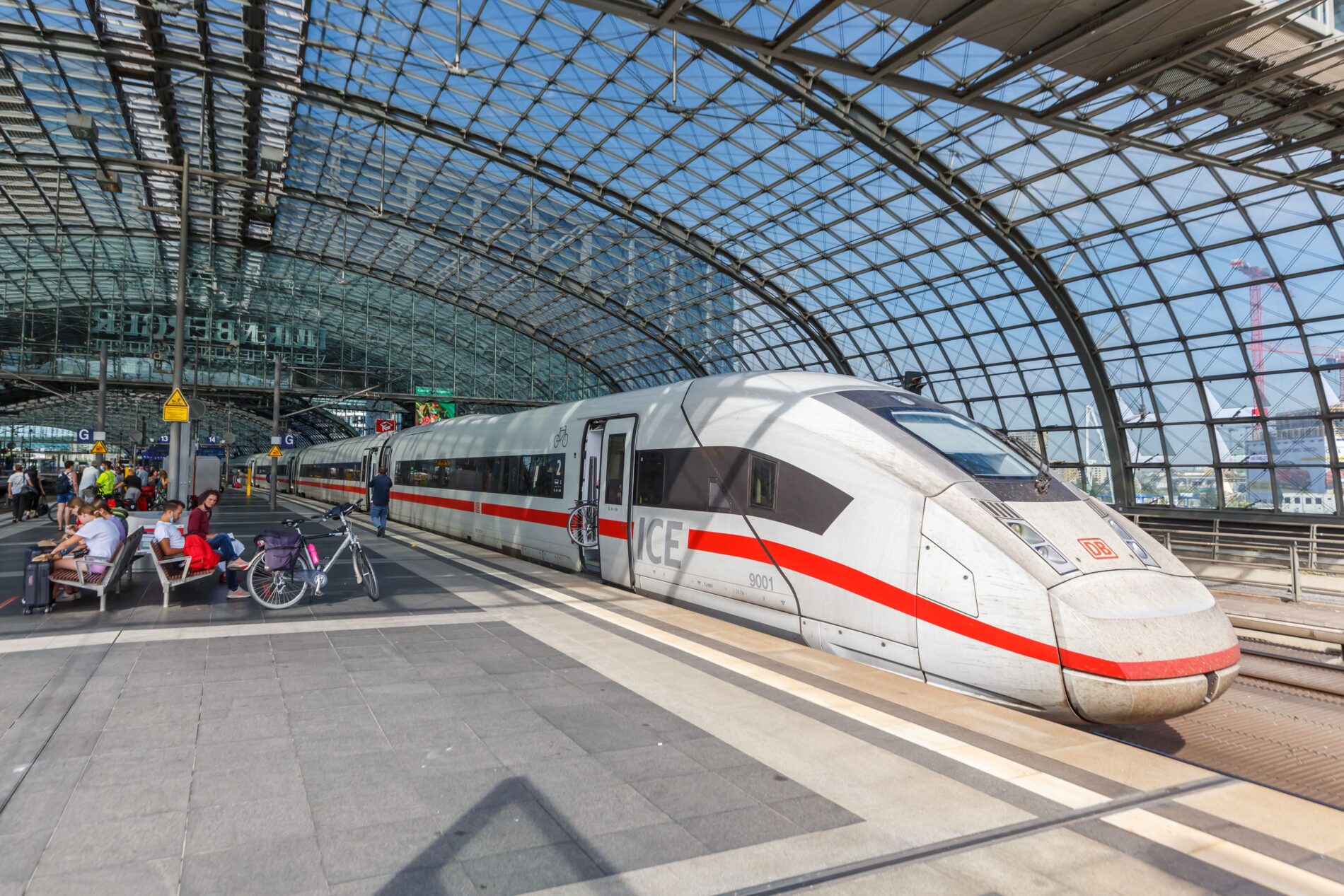
Bild: Shutterstock
The company is targeting a punctuality rate of just 69 to 72 percent for long-distance services by 2030. It expects to reach the 80 percent mark only five years later. In doing so, the railway is presenting a future goal that passengers would once have expected as a minimum standard. The promised fresh start has failed to materialize.
Gender quotas won’t fix broken signal boxes
The change in leadership brings new management objectives. The railway maintains its goal of raising the proportion of women in executive positions to 40 percent by 2035. While this may be a desirable HR policy, it does nothing to repair tracks, switches, or signal boxes.
This is precisely why these priorities seem questionable. Passengers do not judge the railway by quotas in the executive suite, but by trains that actually run and arrive on time. When only about one in two long-distance trains is punctual, symbolic management goals offer no solution.
Billions invested, yet performance declines
In 2026, the railway is investing more than 23 billion euros in infrastructure. In addition, tens of thousands of construction sites are active across the network. Yet for many travelers, operations are not improving; instead, they are becoming increasingly unpredictable.
As early as 2025, only 60.1 percent of long-distance trains reached their destinations on time. At the same time, the railway had to pay out more than 155 million euros in compensation. This demonstrates that the backlog of maintenance and modernization is already incurring tangible costs for both customers and the company.
Deutsche Bahn Becomes a Liability for Business Locations
The crisis affects more than just vacationers and commuters; freight transport is also suffering, as companies rely on dependable supply chains. Consequently, more shipments are shifting back to road transport—even though policymakers have been promising the exact opposite for years.
The historical contrast is stark. In 1835, the railway symbolized a new era of technological progress. Today, Deutsche Bahn represents sluggish modernization, lowered standards, and infrastructure that—despite billions in investment—is not improving fast enough.
Germany Is Getting Used to Declining Performance
The change in leadership should have marked a decisive break with the past. Instead, the new management team is setting more modest goals and longer timeframes. While this may be more honest than previous promises, it remains an admission of profound weakness.
Germany does not need a railway that aims to be reasonably reliable only by 2035. It needs a railway that halts the decline and shows measurable improvement. Until that happens, the company remains a symbol of lost operational excellence.
Author: Blackout News
Sources: Deutsche Bahn (Stand: 07.07.26) – Berliner Zeitung (05.07.26) – Deutsche Bahn (22.06.26) – Bild (25.06.26)