
Decommissioned wind turbines from the Netherlands are set to supply electricity in Ukraine. The project serves a dual purpose: Ukraine is seeking additional decentralized power generation following Russian attacks on power plants and the grid, while Dutch operators are finding buyers for turbines that have largely reached the end of their economic viability in their home market and would be costly to dispose of.
Decommissioned wind turbines are becoming convenient exports
Many Dutch wind turbines are not being retired due to immediate technical obsolescence. Instead, they must make way because modern turbines generate significantly more electricity at the same sites. Replacing them is therefore profitable for operators, whereas the old technology becomes a cost burden.
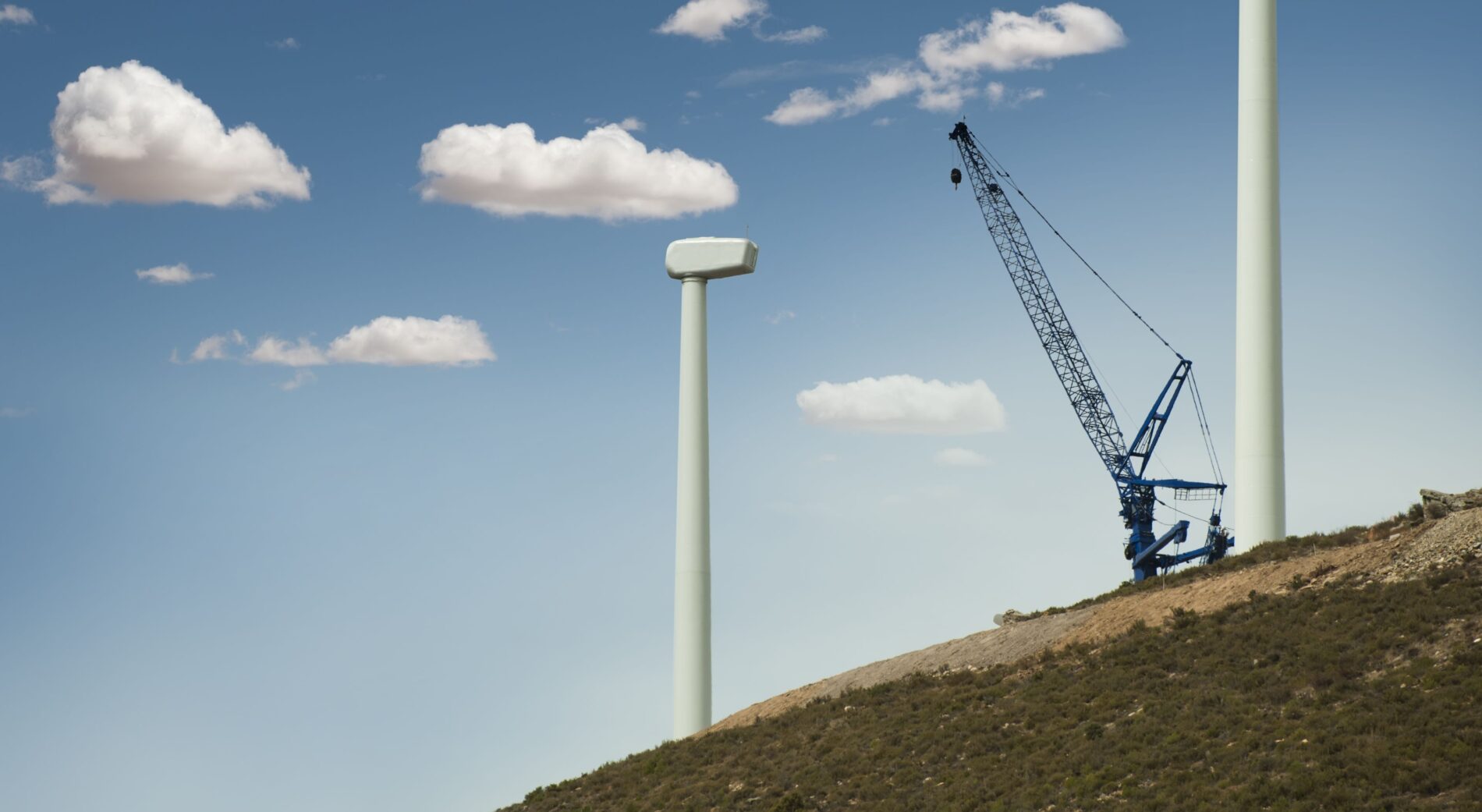
Image: Shutterstock
Exporting to Ukraine changes the equation. Instead of bearing the full cost and effort of dismantling, storage, recycling, and potential disposal themselves, operators can pass on usable turbines. While this sounds like a circular economy approach, it also entails a shifting of responsibility. The Netherlands is modernizing its wind farms, while Ukraine is acquiring technology that is no longer competitive in the West.
Operators benefit from the policy framework
The policy framework makes this process particularly attractive. Aid for Ukraine enjoys broad support, and there is an urgent need for additional electricity there. Consequently, reselling old turbines can easily be framed as an act of solidarity.
The economic advantage for the original owners tends to fade into the background. They reduce their workload, avoid complex disposal issues, and secure a secondary market for aging technology. Furthermore, part of the problem disappears from the Dutch debate regarding decommissioning and disposal.
Ukraine also assumes the risk of future disposal
For Ukrainian municipalities and businesses, every additional wind turbine can be helpful. Decentralized units can bridge local power gaps caused by damaged transmission lines or power plant failures. Moreover, distributing generation across multiple sites reduces reliance on the central grid.
These benefits are real, but they come at a cost. Used turbines require maintenance, spare parts, and experienced service teams. If decommissioned turbines fail later in Ukraine, the question of disposal remains unresolved. It is currently unclear where rotor blades, gearboxes, towers, and foundations will ultimately end up. Although Ukraine is aligning its waste legislation with European regulations, this does not yet guarantee disposal according to EU standards. Rotor blades, in particular, are considered difficult to process as waste because they are made of composite materials. Without binding commitments regarding decommissioning and recycling, this export therefore shifts not only old technology but also a future disposal problem.
Exporting Old Technology Is No Substitute for Energy Policy
In the short term, these turbines provide Ukraine with an additional option. However, the country is not gaining modern, low-maintenance infrastructure. While the old wind turbines can generate electricity, they also entail technical complexities. Moreover, located in a war zone, they remain vulnerable to attacks, grid issues, and logistical challenges.
The picture looks more favorable for the Netherlands. New turbines boost output at domestic sites, while the old technology is removed from the national cost ledger. This makes the export a double-edged sword: Ukraine gains urgently needed generation capacity, yet decommissioned wind turbines simultaneously become a symbol of an energy transition that tends to pass its downstream costs on to others.
Author: Blackout News
Sources: Ukrinform (02.07.26) – Euromaiden Press (01.07.26) – Rubryka (03.07.26) – Headliner (28.06.26)