
Wacker Chemie is cutting approximately 1,300 jobs at its Burghausen site in the district of Altötting by the end of 2027 as the group implements its PACE cost-cutting program. Across Germany, a total of around 1,600 jobs are set to be eliminated. The chemical industry is currently grappling with high costs, weak demand, and fierce international competition. The most significant risk factor remains the declining competitiveness of Germany as a business location; consequently, these cutbacks will have a substantial impact on employees, families, suppliers, and the regional economy. (br: 08.05.26)
Wacker Chemie Implements Its Largest Cutbacks in Burghausen
Burghausen bears the brunt of the planned workforce reductions. The site ranks among the most important industrial hubs in Southeast Bavaria and employs approximately 8,000 people. Consequently, the job cuts will have repercussions reaching far beyond the plant itself.
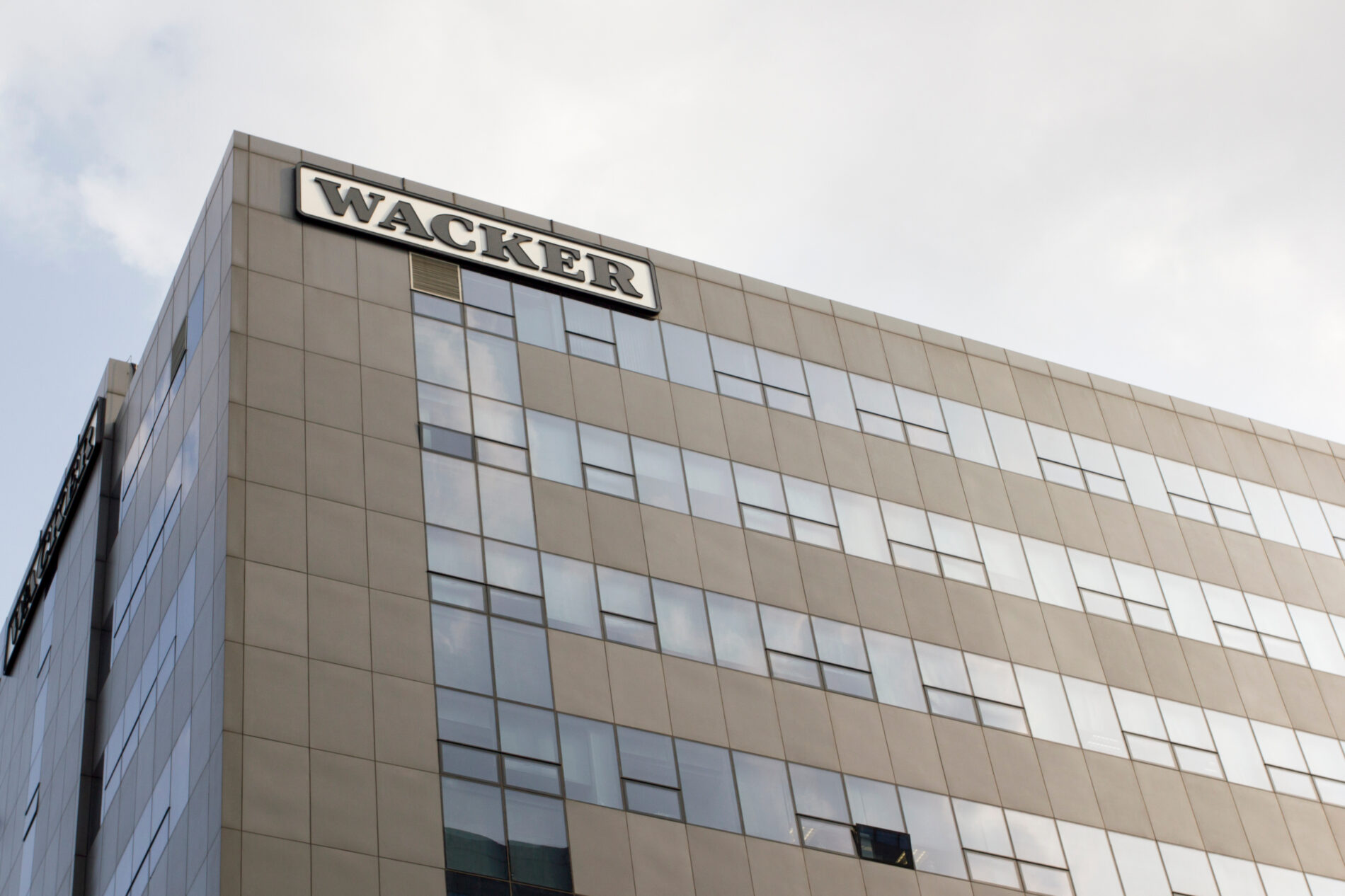
Other German sites are also shedding jobs. Approximately 200 positions are slated to be cut in Nünchritz, while Munich is set to lose around 60 jobs. Other locations are also affected; however, Burghausen remains the clear focal point.
Reduced Working Hours, Lower Income, No Compulsory Redundancies
The corporation aims to avoid compulsory redundancies. Consequently, both management and employee representatives are prioritizing voluntary solutions. These include partial retirement schemes, mutual termination agreements, and internal transfers.
At the same time, employees are making a temporary contribution. Until 2028, they will work four percent fewer hours while receiving four percent less income. This measure is designed to reduce costs while ensuring that job cuts are implemented in a socially responsible manner.
Chemical Industry Crisis Hits Germany as an Industrial Hub
This decision highlights the extent to which the German chemical industry is currently suffering from cost disadvantages. High energy prices, bureaucratic burdens, and weak sales markets are weighing heavily on many companies. As a result, Wacker Chemie intends to reduce its annual costs by more than 300 million euros.
For Burghausen, these job cuts represent a severe blow. A decline in industrial jobs weakens local purchasing power, impacts commuter flows, and adversely affects regional service providers. Simultaneously, concerns are mounting that other companies may be considering similar measures.
The Repercussions Extend to Upper Austria
The Burghausen site holds significance for Austria as well. Many employees commute to the plant from Upper Austria, while regional businesses maintain close ties with the industrial sector. Consequently, these developments affect not only Bavaria.
Despite the workforce reductions, Wacker Chemie remains a key employer. However, the job cuts serve as a clear warning to core industrial regions: if operating costs continue to rise, even robust manufacturing plants will lose their stability.