
In Wolfsburg, Volkswagen is preparing a massive cutback: Production in Europe is to be reduced by around one million vehicles per year. VW CEO Oliver Blume justifies the move with weak demand, high costs, and increasing pressure from Chinese competitors. The sluggish sales of electric cars are particularly exacerbating the situation. Several plants, thousands of employees, and numerous suppliers are affected. The main risk lies in persistently excessive capacity. Therefore, reduced utilization, restructuring at sites, and new cost-cutting programs are looming. (ntv: 21.04.26)
Production in Europe is being realigned
European plants are designed for higher production volumes, while the market is currently accepting fewer vehicles. At the same time, energy, personnel, and development costs remain high, putting pressure on margins. Volkswagen must therefore adjust its structures and reduce overcapacity.
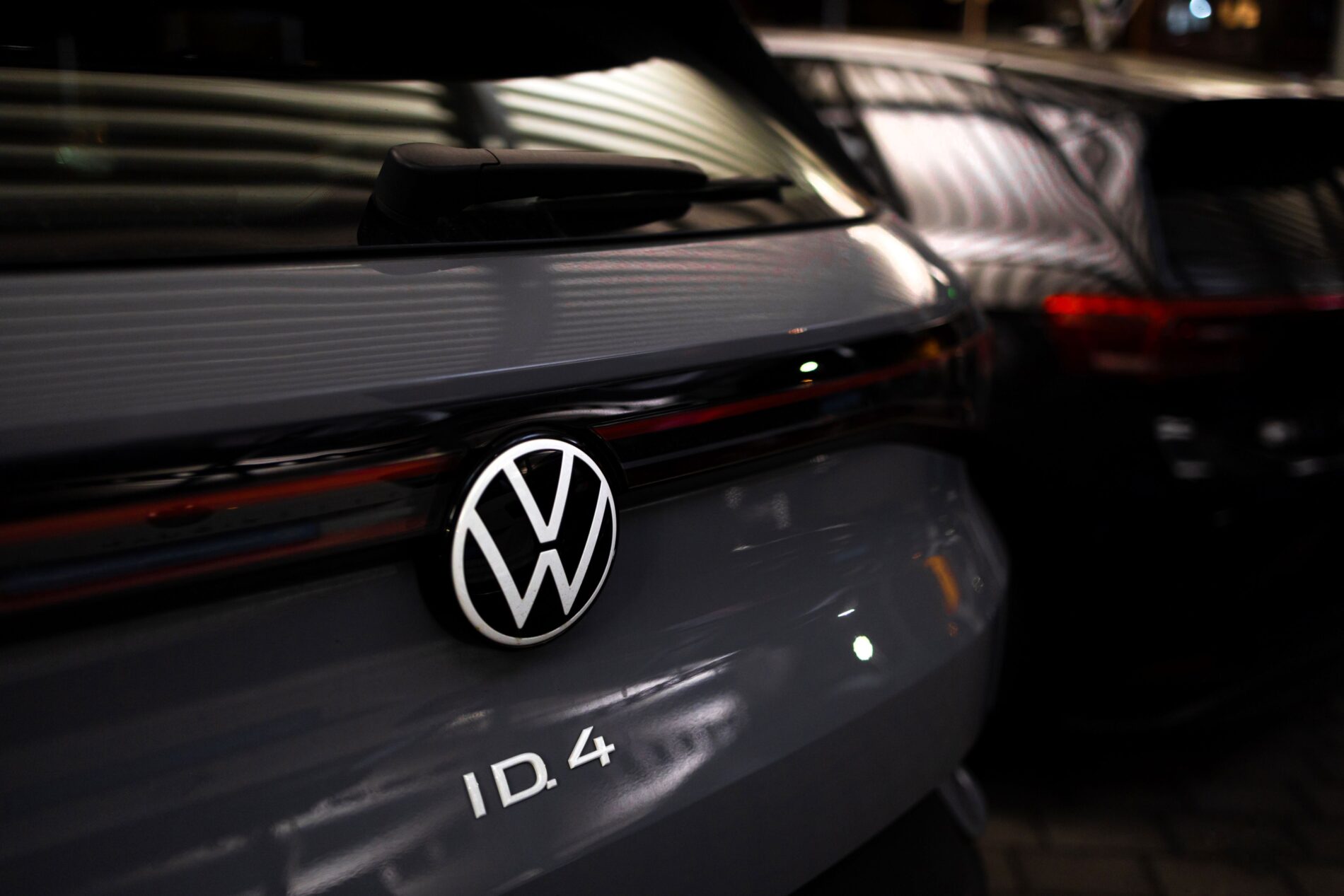
At the same time, the ramp-up of electric vehicles is progressing more slowly than planned. Many buyers are hesitant, while Chinese manufacturers are gaining market share with more affordable models. This is significantly intensifying price pressure.
Plants, employees, and suppliers are at risk
Declining production not only affects manufacturing itself. Suppliers, logistics companies, and regional service providers are also closely involved. As a result, entire industrial sites could face economic hardship.
Simultaneously, uncertainty is growing for employees. The company is reviewing which plants can maintain full capacity in the long term and which will need to be adapted. Internal restructuring and efficiency programs are also under consideration.
Assessment of the Consequences
Volkswagen remains committed to electromobility, but with a stronger focus on cost control. New models must become more competitive, while investments will be more targeted. This is the only way the company can remain competitive internationally.
This restructuring also highlights the structural problems facing the industry. High costs are colliding with weak demand and aggressive competition. This poses a growing risk to Germany as an industrial location.